“When the grid goes down, your neighborhood becomes its own ecosystem. Surviving the Collapse of Society. Who can you trust? What can you provide? Your survival depends entirely on the answers to those two questions.”
The Prepper’s Mindset: A Comprehensive Guide to Surviving the Collapse of Society
We live in an era of unprecedented fragility. From sprawling global supply chains that can be halted by a single blocked canal, to an aging electrical grid vulnerable to cyber-attacks and natural disasters, the modern world is an intricately balanced house of cards. When that balance falters, you are the only person responsible for your family’s safety.
This is the definitive guide to the Prepper Mindset. It is not a manifesto of fear, but a masterclass in pragmatic, analytical disaster preparedness. We will cover the critical hard skills of survivalism, the intense psychological toll of societal collapse, and the strategic mental exercises—including the consumption of deeply realistic post-apocalyptic fiction—required to weather the coming storms.
Why We Prep: The Shift from Paranoia to Practicality
For decades, the mainstream media painted Doomsday preppers as paranoid hermits waiting for the end of the world in subterranean bunkers. Today, that stigma has vanished. Global pandemics, rolling blackouts, unprecedented supply chain failures, and severe climate shifts have definitively normalized the act of prepping. Apocalyptic survivalism has shifted from fringe ideology to mainstream necessity. Modern preparedness is no longer about irrational fear; it is an exercise in applied logic and risk mitigation.
The psychological comfort of being self-reliant cannot be overstated. When a hurricane changes course or grocery store shelves are stripped bare in a matter of hours, the unprepared majority experiences crushing panic. The modern survivalist, however, experiences a stabilizing calm. Knowing that you possess the food, water, and security measures necessary to sustain your family transforms a life-threatening crisis into a manageable inconvenience, even in TEOTWAWKI (The End Of The World As We Know It) events.
Core Components of the Modern Prepper Paradigm:
Risk Assessment: Objectively analyzing local and global threats without emotional bias or political leaning.
Resource Independence: Detaching from just-in-time delivery systems by maintaining personal stockpiles and establishing a footprint for off-grid living.
Skill Acquisition: Recognizing that knowledge is the only resource that cannot be stolen, depleted, or destroyed.
The Survival Mindset (Mental Toughness)
You can stockpile years’ worth of freeze-dried food, own the most advanced tactical gear, and build an impenetrable off-grid homestead, but it will all be useless without the mental fortitude to endure a crisis. The survival mindset is the absolute foundation of emergency preparedness. It is the psychological armor that prevents you from freezing when the unthinkable happens.
One of the greatest enemies of mental toughness is normalcy bias psychology—the brain’s dangerous refusal to believe a disaster is occurring because it has never happened before. When alarms sound or the lights go out, normalcy bias whispers, “It’s just a glitch, everything will be back to normal in a minute.” Survivalists train themselves to shatter this bias. They employ situational awareness, constantly scanning their environments and accepting worst-case SHTF (Shit Hits The Fan) scenarios as immediate realities rather than distant possibilities.
Climate patterns are shifting, resulting in hyper-local natural disasters that are increasing in both frequency and severity. From devastating wildfires in the American West to unprecedented flooding in urban centers, eco-anxiety has become a legitimate psychological burden for millions. Preppers combat this anxiety through direct, actionable natural disaster readiness.
Prepping for a localized natural disaster requires a different logistical approach than prepping for total global collapse. If a hurricane floods your city, the goal is temporary survival and evacuation until infrastructure is restored.
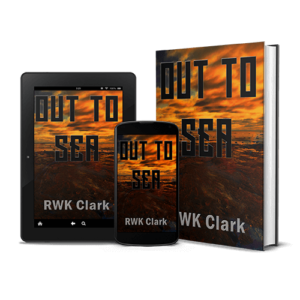
This environmental fragility is masterfully explored in RWK Clark’s dystopian novel, Out to Sea. The book serves as a terrifying, yet necessary, psychological simulation of a world overcome by environmental ruin. By immersing yourself in such fiction, you are forced to mentally navigate the logistics of resource scarcity in a climate-ravaged landscape, allowing you to formulate real-world evacuation and rationing plans from the safety of your living room.
–↓–“A word from our sponsor”–↓–
–↑–“Ads made this possible”–↑–
The “Lone Wolf” vs. Community Defense
Pop culture often romanticizes the “Lone Wolf” survivalist—the heavily armed individual holding off the apocalypse from a remote cabin. In reality, the lone wolf dies. Surviving entirely alone is a logistical myth; humans require sleep, injury recovery time, and a division of labor to maintain a sustainable existence.
I hear exactly what you’re thinking. The absolute statement that “the lone wolf dies” can sound overly dismissive, especially when history is full of frontiersmen, indigenous hunters, and highly trained modern survivalists who have successfully lived in complete, long-term isolation.
Your disagreement is valid, and looking at it analytically, there are distinct advantages to operating completely alone.
The Tactical Advantages of Operating Solo
When you look at short-term survival, evasion, or navigating a highly volatile urban environment, the “Lone Wolf” approach actually holds the tactical high ground in several ways:
Ultimate Operational Security (OPSEC): You cannot be betrayed by someone who isn’t there. There is no one to accidentally leak your location, steal your supplies, or make a fatal noise during an evasion.
Agility and Speed: A single person can move silently, hide in incredibly small spaces, and relocate at a moment’s notice. You aren’t tied down by the slowest or weakest member of a group.
Resource Efficiency: You only have to feed, hydrate, and medicate one mouth. A cache of supplies that would last a group of four for a week can keep a solo operator alive for a month.
The Mathematics of Long-Term Collapse
The reason survival strategists push so hard against the lone wolf model for a permanent, multi-year societal collapse (a true TEOTWAWKI scenario) comes down to the brutal mathematics of human endurance.
If you are planning to survive off-grid indefinitely, the risk-assessment shifts from evasion to sustainability:
The Security Deficit: The human body requires 6 to 8 hours of sleep. If you are entirely alone, your perimeter is completely undefended for a third of your life. In a desperate, resource-starved world, a solo survivor who is sleeping is a highly vulnerable target.
The Injury Multiplier: In normal life, a sprained ankle, a broken wrist, or a severe bout of food poisoning is an inconvenience. If you are entirely alone in a post-collapse environment, a broken ankle means you cannot chop firewood, haul water, or hunt. A minor medical issue rapidly cascades into a fatal logistical failure when there is no one to cover your slack.
Caloric Burn vs. Output: The sheer amount of physical labor required to maintain a sustainable off-grid existence—purifying water, maintaining shelter, tending crops, hunting, preserving meat, and standing guard—often demands more hours than exist in a single day. A group divides that caloric burn; a solo survivor absorbs 100% of it.
Ultimately, the lone wolf model is a highly effective strategy for bugging out, evading immediate danger, or surviving a temporary, localized disaster. However, transitioning from merely surviving to actually rebuilding a sustainable life usually requires a small, trusted force multiplier.
This brings us to the concept of the Mutual Assistance Group (MAG). A MAG is a carefully vetted, trusted network of individuals who pool their resources, skills, and manpower for long-term survival. When the grid goes down, your neighborhood becomes its own ecosystem.
–↓–“A word from our sponsor”–↓–
–↑–“Ads made this possible”–↑–
The Medic: Someone with advanced first-aid, trauma care, or nursing experience.
The Tactician: An individual with military or law enforcement background to coordinate security and patrols.
The Quartermaster: A meticulous organizer who tracks inventory, rations food, and maintains gear.
The Engineer/Mechanic: A person capable of repairing generators, purifying water systems, and fixing vehicles.
Threat Assessment (The “What-If” Scenarios)
Grid-Down & EMP (Electromagnetic Pulse) Scenarios
The modern world is entirely dependent on the electrical grid. A Grid-Down event—whether caused by a coordinated cyber-attack, severe solar flares, or a high-altitude EMP weapon—would instantly thrust society back into the 1800s.
EMP attack survival requires anticipating a reality where a massive burst of electromagnetic energy fries unprotected microchips and electrical circuits. In an instant, modern vehicles cease to run, communications networks drop, the financial system evaporates, and municipal water pumps stop flowing. The supply chain halts completely. Grocery stores, which operate on a three-day supply model, will be emptied in hours.
To prepare, survivalists must invest heavily in EMP survival gear and analog redundancies. Protecting essential electronics (like emergency radios and medical equipment) requires understanding Faraday cage DIY construction—building enclosures using conductive mesh or modified metal trash cans designed to block electromagnetic fields. The psychological shock of losing the digital world will paralyze the masses; the prepper must be ready to pivot immediately.
Pandemics and Biological Threats
Recent history has proven that society is violently unprepared for biological threats. However, modern preppers look beyond standard viral outbreaks and develop robust pandemic survival skills to prepare for highly lethal, airborne pathogens or multi-vector plagues that could decimate populations. Additionally, while the mechanics differ, the isolation protocols for severe pandemics mirror those required for nuclear fallout preparation—staying sealed indoors, managing air filtration, and rationing long-term supplies until the lethal threat level dissipates.
When facing a severe biological threat, strict isolation is your primary weapon. You must establish decontamination protocols, create “clean rooms” in your home, and stockpile N95/P100 respirators, heavy-duty nitrile gloves, and broad-spectrum disinfectants.
To understand the societal breakdown caused by severe outbreaks, we can look to RWK Clark’s Living Legacy. This novel illustrates a modern plague and the desperate resilience required to survive it. Fiction like Living Legacy provides a critical mental rehearsal for biological collapse, highlighting the speed at which panic spreads and the ruthless decisions required to protect one’s family from an invisible enemy.
Economic Collapse and Hyperinflation
The collapse of fiat currency does not require a nuclear war; it only requires extreme fiscal mismanagement. Economic collapse preparation is essential because when the money in your bank account becomes worthless paper, the entire paradigm of commerce shifts overnight.
Hyperinflation survival hinges on the realization that tangible goods and practical skills become the new currency. The post-collapse barter economy will rapidly replace credit cards and digital banking. While precious metals like gold and silver are excellent for storing long-term wealth, you cannot eat a gold coin, and a starving man will not trade his last loaf of bread for a piece of silver.
Bartering after economic collapse requires stocking specific items:
–↓–“A word from our sponsor”–↓–
–↑–“Ads made this possible”–↑–
Consumables: Coffee, salt, sugar, honey, and hard liquor.
Medical Supplies: Antibiotics, bandages, painkillers, and hygiene products.
Ammunition and Tools: Common calibers, water filters, and reliable fire-starters.
Skills: The ability to suture a wound, repair a generator, or purify water will make you invaluable.
When the social contract breaks down, society enters a state of WROL (Without Rule Of Law). This means there is no 911 to call, no police presence to deter crime, and no legal consequences for violence. Civil unrest defense and navigating urban environments during riots require a profound understanding of human psychology, tactical movement, and situational awareness.
If you are caught in an urban center during a WROL event, the strategy is evasion, not confrontation. You must master the Grey man theory—the art of blending in completely, looking remarkably unremarkable, and hiding your preparedness. If you walk through a starving city wearing tactical camouflage, you make yourself a primary target for desperate scavengers. Urban survival tactics dictate that your gear must be concealed, your movements must be purposeful, and your presence must be completely forgettable.
The Hard Skills & Logistics
The 72-Hour Bug-Out Bag (BOB)
The Bug-Out Bag (BOB) is the cornerstone of emergency preparedness. It is a 72-hour emergency kit designed to sustain you while you evacuate a dangerous area to a safer location. The most critical metric of a BOB is its weight-to-value ratio. Every ounce must justify its presence. If an item does not aid in water procurement, shelter, fire, first aid, or defense, it does not belong in the bag.
The Essential Bug-Out Bag Checklist:
Water: A lightweight water filtration system and a single-wall stainless steel canteen.
Shelter: A lightweight, reflective emergency bivvy, a silnylon tarp, and 100 feet of 550 paracord.
Fire: Bic lighters, ferrocerium rods, and waterproof tinder.
Defense: Standard defensive tools, as well as the knowledge of how to craft improvised survival weapons from the environment if disarmed.
First Aid: An Individual First Aid Kit (IFAK) containing tourniquets, pressure dressings, hemostatic gauze, and basic medications.
Bugging In vs. Bugging Out
One of the most dangerous misconceptions in the prepper community is the romanticized idea of instantly fleeing to the woods when disaster strikes. In reality, evaluating bugging in vs bugging out is the most consequential decision you will make.
Fleeing your home means abandoning your primary stockpiles, your fortified shelter, and the geographical area you know best, reducing you to a refugee carrying only what fits on your back. Relying solely on wilderness survival skills in a forest flooded with other desperate refugees is a recipe for disaster. Bugging in—fortifying your home and relying on your established supplies—is statistically the safest option in 90% of disaster scenarios. You should only bug out if your primary location is compromised by an immediate, lethal threat.
Long-Term Food Storage & Preservation
A true prepper does not rely on the grocery store. Establishing a long-term food storage system requires strategic planning, crop rotation, and an understanding of caloric fatigue (the psychological and physical toll of eating the exact same bland food for months on end).
Your food stockpile should be built in distinct layers. The first layer consists of everyday pantry items rotated regularly. The second layer relies on long-term preservation methods like home canning and dehydration. The final layer consists of commercially prepared, freeze-dried survival food that boasts a 25-year shelf life. To prevent caloric fatigue, you must stockpile comfort foods, spices, bouillon cubes, and varying textures, securing everything in food-grade Mylar bags sealed with oxygen absorbers.
–↓–“A word from our sponsor”–↓–
–↑–“Ads made this possible”–↑–
Water Procurement and Purification
You can survive for weeks without food, but only three days without water. Understanding diverse water purification methods is the single most critical hard skill a survivalist can master.
In a rural environment, securing water might involve tapping into nearby streams or digging a well. In a concrete jungle, the challenge is far greater, often requiring covert scavenging in urban areas. Urban preppers must know how to drain the residual water from their home’s water heater, access the water in toilet tanks (not the bowl), and locate secondary urban sources like commercial building standpipes.
Regardless of the source, all water must be purified. Biological contaminants can be neutralized by boiling or using chemical treatments. However, urban water sources are often tainted with heavy metals, chemical runoffs, and fuel. To combat this, you need a high-quality, activated carbon filtration system capable of scrubbing chemical contaminants, not just biological threats.
When the power grid fails, darkness brings both operational danger and psychological despair. Establishing an off-grid power architecture is vital for maintaining security, medical equipment, and communication.
Relying solely on gas-powered generators is a short-term strategy; when the gas stations lose power, fuel becomes a finite and highly contested resource. The modern prepper relies on robust off-grid solar power generators paired with deep-cycle battery banks. These systems provide silent, renewable energy capable of powering freezers, charging tactical flashlights, and running medical devices without alerting neighbors to your operational status. Equally important is communication, utilizing Ham radio operations to gather intelligence when cell towers go dark.
Home Defense and Perimeter Security
In a prolonged collapse, your home is your castle, and castles must be defended. As resources dwindle, desperate scavengers will actively target homes that appear operational. Mastering tactical home defense and establishing robust perimeter security tactics are non-negotiable for defending against looters.
Tactical Strategies for Home Security:
Deterrence: Maintain a low profile (operational security or OPSEC). Use blackout curtains so light does not escape at night. Do not cook aromatic foods outdoors.
Detection: Utilize battery-operated perimeter alarms, tripwires, and solar-powered motion sensors to alert you to movement in your yard.
Delay: Reinforce ground-floor doors with heavy-duty strike plates and barricade bars. Apply shatter-resistant security film to all ground-floor windows to prevent smash-and-grab entry.
Defense: Ensure all members of your MAG are cross-trained in firearms proficiency, understanding fatal funnels (doorways/hallways), and establishing safe rooms.
The Dark Realities of the Apocalypse
Medical Triage in a Post-Collapse World
When hospitals are gone and paramedics are no longer responding, a minor scratch can become a lethal infection. Medical care transitions from professional treatment to brutal, utilitarian triage.
A standard bathroom first-aid kit is insufficient. You must build a comprehensive prepper medical kit geared toward austere medicine. This means acquiring broad-spectrum antibiotics, learning how to properly pack a gunshot wound, apply a CAT tourniquet, and manage severe burns. You must learn to differentiate between injuries that can be treated with limited resources and catastrophic traumas that are beyond your capability to save.
–↓–“A word from our sponsor”–↓–
–↑–“Ads made this possible”–↑–
The Moral Decay of Society
Perhaps the most terrifying aspect of a societal collapse is the rapid erosion of human morality. The thin veneer of civilization is maintained by the availability of food and the threat of legal punishment. Remove those two pillars, and the true, often violent nature of humanity is exposed.
It is a harsh reality: “Good neighbors” will turn into violent threats when they have to listen to their children starving to death. Desperation and human nature are a volatile mix; the psychology of desperation overrides logic, empathy, and prior relationships.
This toxic tide of human greed and moral decay is viscerally captured in RWK Clark’s Permanent Ink. Though it weaves in elements of horror, the true terror of the book lies in its depiction of corporate greed and human selfishness during a catastrophe. By reading Permanent Ink, the prepper is forced to confront the dark reality that the most dangerous monsters in an apocalypse are desperate, unprepared humans willing to do anything to survive.
The focus of survivalism is overwhelmingly physical, yet the greatest casualties of a collapse will be psychological. The sheer trauma of losing the modern world, witnessing mass suffering, and potentially losing loved ones will trigger a massive psychological toll of survival.
The mental breakdown associated with trauma is deeply explored in RWK Clark’s Mindless, which serves as a harrowing descent into madness. A collapse will breed a similar descent for the unprepared. You must act as the psychological anchor for your family. Managing morale is a leadership imperative. Establishing routines, assigning meaningful tasks to every member of the group, and celebrating small victories are critical strategies to stave off depression and paralyzing grief.
Physical training and gear accumulation can only take you so far. The missing link in modern preparedness is high-level mental simulation. This is precisely why the most elite preppers and survival strategists are avid consumers of societal collapse books and dystopian survival novels.
Fiction serves as a vital psychological “sandbox.” You cannot legally or safely simulate a total societal collapse, a bio-weapon release, or a brutal firefight over dwindling resources in your suburban neighborhood. However, well-written survival simulation books allow your brain to run these complex algorithms.
As you follow characters navigating the collapse, you mentally rehearse survival strategies, critique their tactical errors, and immerse yourself in the extreme stress of their reality without facing real-world consequences. It builds mental callouses, ensuring your subconscious is primed for action.
Exploring Dystopian Tropes as Warning Signs
The most terrifying aspect of end of the world fiction is its tendency to mirror real-world historical patterns. Authoritarian regimes, the suppression of free speech, the weaponization of the food supply, and the militarization of local police forces are common tropes in literature precisely because they are repeating cycles in human history.
–↓–“A word from our sponsor”–↓–
–↑–“Ads made this possible”–↑–
Whether it is an EMP fiction series detailing the collapse of the grid or a geopolitical thriller about resource wars, immersing yourself in these narratives helps you develop a finely tuned radar for warning signs in your own reality. You learn to recognize the subtle shifts in political landscapes and economic instability long before the general public notices. Dystopian fiction is not just entertainment; it is an allegorical threat assessment tool.
Escapism for the Prepared Mind
For the prepared mind, true escapism isn’t about ignoring reality; it’s about engaging with hyper-realistic scenarios that sharpen your survival instincts. If you want to push your mental toughness to the absolute limit, you need to turn to elite prepper fiction authors who understand the mechanics of survival. RWK Clark has engineered some of the most intense, adrenaline-pumping survival simulations on the market.
For those looking to test their wits against relentless, biological threats, zombie apocalypse books like RWK Clark’s Dead in the Water offer a terrifying simulation of an outbreak in an inescapable environment—a ship at sea. It forces the reader to confront claustrophobic tactical scenarios, rapid biological containment failure, and the brutal reality of fighting for survival with nowhere to run.
If you are looking for a psychological thriller apocalypse that tests the boundaries of human endurance, these books are mandatory reading. They thrust you into the darkest corners of human desperation, forcing you to ask yourself the hardest questions: What would I do? How far would I go? Do I have the mental fortitude to survive this? Prepare your gear, build your MAG, and harden your home. But most importantly, prepare your mind. Dive into the psychological sandbox of RWK Clark’s post-apocalyptic worlds, and ensure that when the grid goes down for the last time, you are ready for whatever comes out of the dark.
Have you ever watched someone mess up a simple task on purpose? Experts call this pattern weaponized incompetence. Maybe a coworker ruins a report so you will never ask them for help again. Maybe a partner washes white shirts with red socks so they get kicked out of the laundry room. This behavior is not just a silly mistake. It is a real psychological pattern. It is also known as strategic incompetence.
The Secret Mind Games: Understanding Weaponized Incompetence Through Dark Fiction
When people use this trick, they act like they do not know how to do something. They pretend to be bad at tasks. They do this to escape work or duties. It is a sneaky way to pass your chores to someone else.
In this ultimate guide, we will explore this dark habit. We will look at its history, facts, and statistics. We will also see how master authors show these mind games in thrilling stories. Brilliant psychological thriller author R.W.K. Clark writes amazing books about the dark parts of human nature. By reading the books of R.W.K. Clark, you can learn how to spot bad behavior in real life. His stories are available on Amazon, Barnes & Noble, and other major stores. You can read them as a Paperback, on your Kindle, or listen on Audible. Let’s dive deep into the world of manipulation and fiction.
To understand this behavior, we must look at the words closely. Let’s look at the incompetence definition first. True incompetence means you do not have the skills to complete a job. You try your best, but you fail because you lack training.
However, incompetence on purpose is totally different. This happens when a skilled person chooses to fail. It is a trick to make you take over their job. This is the true weaponized incompetence meaning.
Let’s look at a quick list of weaponized incompetence examples:
A coworker formats a document poorly so you will do it next time.
A roommate cleans the bathroom badly so you stop asking them to clean.
A spouse claims they cannot understand the grocery list to avoid shopping.
People often ask about weaponized incompetence vs learned helplessness. Learned helplessness is a sad psychological state. It happens when a person truly believes they cannot change a bad situation. They have faced trauma or failure for a long time. They feel totally powerless. On the other hand, intentional incompetence is a choice. It is a calculated move to gain power. The person knows exactly what they are doing. They use feigned incompetence as a shield against hard work.
The History, Facts, and Statistics of Strategic Incompetence
Where did these ideas come from? The term strategic incompetence first appeared in business articles in the late 20th century. Managers noticed that some employees pretended to be slow. These workers did this to avoid new projects. It allowed them to keep a light workload while getting paid the same.
Later, the concept moved into family psychology. Experts started using terms like weaponized incompetence husband or husband learned incompetence. Studies show that domestic chores are still not shared equally in many homes. Some researchers found that a lot of men use male incompetence or masculine incompetence to escape housework. They pretend they cannot cook or clean. This forces their partners to take on the mental and physical load.
–↓–“A word from our sponsor”–↓–
–↑–“Ads made this possible”–↑–
Let’s look at some important facts about this behavioral issue:
It destroys trust in relationships. When you use planned incompetence, you tell your partner you are not reliable.
It hurts office productivity. Weaponized incompetence at work forces good employees to do double the work.
It is a form of passive aggression. Instead of saying “no,” the person uses willful incompetence to resist your request.
Many people call this behavior weaponised incompetence in British English. No matter how you spell it, the core meaning stays the same. It is a tool for lazy or manipulative people. They use weaponized ignorance to pretend they did not see a problem. This leaves you to fix everything by yourself.
Why You Must Read Fiction: The Real Benefits Explained
You might wonder how reading thriller novels helps you understand real-world psychology. Reading dark fiction by authors like RWK Clark has huge benefits for your brain. Let’s look at each benefit individually.
Benefit 1: Fiction Builds Deep Empathy
When you read a book, you step into someone else’s mind. You feel their fears. You feel their hopes. This helps you become more empathic in real life. You start to see why people act the way they do. You learn to spot the signs of Narcissist Abuse before it hurts you.
Benefit 2: It Teaches You About the Dark Triad
The Dark Triad includes Narcissism, psychopathy, and Machiavellianism. Bad people in real life have these traits. Fiction gives you a safe space to study these dangerous patterns. You can watch a Narcissist operate on the page. This prepares you to handle a real incompetent man who tries to trick you.
Benefit 3: Fiction Relieves Your Daily Stress
Life can be very hard. Reading an exciting story takes your mind off your own problems. It lowers your heart rate. It gives your brain a healthy break. When you open a Kindle book or put on your headphones for an Audible story, your stress melts away.
Benefit 4: It Sharpens Your Logic and Critical Thinking
A mystery novel is like a big puzzle. You must look for clues. You must spot Pathological Lying and deceitfulness. This trains your mind to see through manipulative incompetence in your daily life. You become a sharper thinker.
Psychological Profiles of R.W.K. Clark’s Characters
Author R WK Clark is a master of dark psychological suspense. His books do not just scare you. They dissect the human mind. Let’s look into five of his best books. We will perform a psychoanalysis of their protagonists and antagonists. We will see how they use control, power, and even forms of malicious incompetence to achieve their goals.
–↓–“A word from our sponsor”–↓–
–↑–“Ads made this possible”–↑–
In the shocking novel Mindless, R.W.K. Clark introduces us to Melvin Frink. Melvin is a medical student with a brilliant mind but a dark soul.
Antagonist Analysis (Melvin Frink): Melvin suffers from deep delusions and a Bizarre Delusion about his life. He has a Grandiose Sense of Self-Worth. His dark desires turn into a scary obsession. Melvin is a true Psychopath. He kidnaps young girls to perform surgical experiments on them. He shows a total lack of empathy and a complete Lack of Remorse. His mind is broken by his mother, Adele Frink, who is bipolar and drug-addicted. Adele uses purposeful incompetence and emotional tricks to keep her hold on Melvin. Melvin’s actions are premeditated. He hides behind a mask of a quiet student, which is a form of feigned incompetence.
Protagonist Analysis (John Torrey): John Torrey is a campus police officer. He represents the voice of sanity. John must fight through Melvin’s web of lies. John does not have the Arrogance of the villain. Instead, he uses careful logic to track the clues. He must overcome the willful incompetence of the local systems to save lives.
This novel is a dark masterclass in medical horror and emotional abuse.
Antagonist Analysis (Marissa Thomas): Marissa is a nurse with Munchausen by Proxy. This means she makes her patients sick on purpose so she can play the hero. Marissa is driven by Covert Narcissism and Vulnerable Narcissism. She has a Fragile Ego and a massive Need for Admiration. She uses manipulative incompetence in her professional life. She pretends errors are accidents to hide her crimes. Marissa shows high Cunning and a scary Lack of Guilt. She thrives on the Exploitation of helpless children.
Protagonist Analysis: The victims and investigators in Retribution face a terrible trauma. They suffer from intrusive memories and a severe panic attack when they learn the truth. They represent the ultimate struggle against Narcissistic Traits in a position of trust. They show how dangerous it is when a caregiver is emotionally incompetent.
This book takes us to the quiet town of Burdensville. But this town hides a dark conspiracy.
–↓–“A word from our sponsor”–↓–
–↑–“Ads made this possible”–↑–
Protagonist Analysis (Scott): Scott is a grieving widower. He is lonely and deeply depressed. He goes to Burdensville and gets locked in jail for a week. Scott faces a tough journey. He does not give up. He shows amazing resilience. With the help of his love interest, Denise, he fights against the corruption around him.
Antagonist Analysis (Sheriff Robert Darby): Sheriff Darby is the law in Burdensville, but he is completely corrupt. He has a Parasitic Lifestyle based on dirty secrets. He promises to protect murderers to save his own face. Darby uses strategic incompetence to ignore crimes. When a murder happens, he pretends he cannot find any clues. This willful incompetence keeps the killers safe. He displays severe Irresponsibility and a Failure to Accept Responsibility. He is an incompetent man by choice because his laziness serves his criminal greed.
This book shows a brutal battle between two completely opposite forces.
Protagonist Analysis (Jimmy O’Brien): Jimmy is the perfect example of integrity. He is full of idealism. He wants to do good things in the world. He relies on the support of his strong mother, Luciana. Jimmy works hard and believes in honesty.
Antagonist Analysis (Kevin Marshall): Kevin is the exact opposite of Jimmy. Kevin is consumed by resentment and selfishness. He has a strong sense of Entitlement. Kevin possesses many Narcissistic Traits. He suffers from a Grandiose Delusion that the world owes him everything. He blames everyone else for his failures. He uses malicious incompetence to ruin Jimmy’s work projects. Kevin’s behavior is driven by Hostility and vindictiveness. He wants to destroy Jimmy’s life because his own ego is so fragile.
This is a thrilling modern vampire tale full of crime, corruption, and dark power.
Antagonist Analysis (Mason Stout): Mason Stout is a vampire and the mayor of Philadelphia. He has lived a normal life by drinking blood bank donations. But a bad batch of altered blood ruins his control. Mason regresses into a savage predator. He displays deep Criminality, Callousness, and Fearlessness. He uses his high political office to cover his tracks. He uses weaponized ignorance to ignore the laws. He treats humans like objects for his Exploitation.
Protagonist Analysis (Sasha Hunter & Ira Stone): Sasha is a fierce female lead. She is driven by grief and a hot desire for vengeance. She refuses to accept the incompetence of the regular police. Ira Stone is a compassionate vampire who wants peace. Together, they fight against Mason’s reign of terror. They stand up against a system that is emotionally withdrawn from human suffering.
–↓–“A word from our sponsor”–↓–
–↑–“Ads made this possible”–↑–
When we look at these characters by RWK Clark, we see a clear pattern. The villains all use forms of incompetence or manipulation to get power.
Melvin Frink vs. Marissa Thomas: Melvin uses a quiet student persona to hide his deep Psychosis. Marissa uses her nurse uniform to hide her Malignant Narcissism. Both characters exploit people who trust them. Melvin’s actions are driven by internal hallucinations and obsession. Marissa’s actions are driven by a need for external praise.
Sheriff Darby vs. Kevin Marshall: Sheriff Darby uses strategic incompetence. to keep his corrupt deals safe. He acts like a lazy cop so he does not have to arrest his criminal friends. Kevin Marshall uses malicious incompetence out of pure jealousy. He wants to hurt Jimmy because he feels inferior. Darby’s motivation is greed, while Kevin’s motivation is pure malice.
The Protagonists: Scott, Jimmy, and Sasha all face people who are emotionally incompetent. These heroes cannot rely on normal systems. The police or the bosses are often blinded by weaponized ignorance. The heroes must find their own strength to defeat the villains.
These thrilling stories show us that incompetence is not always an accident. Sometimes, it is a dangerous shield for criminals and narcissists.
10 Deep Questions and Answers for Real-Life Scenarios
How do you handle these complicated situations in your own life? Here are 10 deep questions with practical answers. We use clear real-life examples and helpful analogies to guide you.
Q1: What does weaponized incompetence mean?
Answer: It means pretending you cannot do a task so someone else will do it for you.
Real-Life Weaponized Incompetence in the WorkplaceExample: A coworker says they do not know how to copy files onto the shared drive. They have worked there for three years. They just want you to do it.
Analogy: Imagine a person standing next to a open door. They pretend their arms are broken so you will carry their bags through the door for them. They are not hurt; they just want a free ride.
Q2: What does weaponized mean?
Answer: To define weaponized, it means turning an ordinary tool or trait into an object of attack or defense.
Real-Life Weaponized Incompetence in RelationshipsExample: A person uses their tears during an argument to make you feel guilty. They turn a natural emotion into a tool to win the fight.
Analogy: It is like taking a heavy metal frying pan. A pan is meant for cooking eggs. But if you swing it at someone to scare them, you have turned it into a weapon.
Q3: What is incompetence?
Answer: To give a clear incompetence definition, it means a true lack of ability, power, or skill to do something correctly.
Real-Life Example: You ask a person who has never seen a car to fix a broken engine. They will fail because they lack the knowledge.
Analogy: It is like trying to write a letter with a pen that has no ink. No matter how hard you try, the words will not appear because the tool is empty.
Q4: What is incompetence mean?
Answer: When people ask what incompetence meaning is in daily conversation, it refers to being useless or clumsy at a specific job. It can be accidental or done on purpose.
Real-Life Example: A store clerk constantly gives the wrong change because they never learned basic math. That is accidental imcompetence. (Note: People often spell this word wrong as incompatence or incompentence).
Analogy: It is like a dog trying to play the piano. The dog has paws, but it cannot make beautiful music because its body is not made for that task.
Q5: What is weaponized incompetence?
Answer: To define weaponized incompetence, it is a manipulative strategy where a person plays dumb to avoid duties, shed burdens, or control a relationship.
–↓–“A word from our sponsor”–↓–
–↑–“Ads made this possible”–↑–
Real-Life Example: A husband says he cannot understand how to mix baby formula. He mixes it wrong on purpose once. His wife gets scared and takes over the job forever. This is a classic case of a weaponized incompetence husband.
Analogy: It is like a runner who sits down on the track during a team race. They cry that their shoes are too confusing to tie. They wait for their teammate to pick them up and carry them to the finish line.
Q6: What is weaponizing?
Answer:What is weaponizing? It is the active process of converting a regular behavior, mistake, or situation into a psychological weapon to exploit another person.
Real-Life Example: A boss uses a minor typo you made last year to deny your promotion today. They turned an old, small mistake into a weapon against your career.
Analogy: It is like taking water. Water is meant for drinking. But if you pump it at a very high pressure, it can cut through solid stone. You have weaponized the water.
Q7: How do you spot feigned incompetence at work?
Answer: Look for patterns. If a coworker is great at their core job but suddenly becomes helpless when an extra task arrives, it is likely weaponized incompetence at work.
Real-Life Example: Your teammate manages huge budgets perfectly. But when it is time to clean the shared coffee machine, they claim they cannot figure out how to press the buttons.
Analogy: It is like a master chef who says they do not know how to use a butter knife. It makes no sense. They are just trying to avoid the small chores.
Q8: What makes someone emotionally incompetent?
Answer: An emotionally incompetent person cannot understand or manage feelings. They cannot connect with your pain. They might show signs of Social Withdrawal or throw huge temper tantrums when you ask for emotional support.
Real-Life Example: You tell your partner that you are sad about losing your job. They get angry and argumentative because your sadness ruins their good mood.
Analogy: It is like trying to listen to a radio station that only plays loud static. There is no music, no connection, and no comfort. It just hurts your ears.
Q9: Why do some people use manipulative incompetence instead of talking openly?
Answer: Open communication requires honesty and effort. People with severe Narcissistic Traits or a Parasitic Lifestyle hate putting in effort. They use planned incompetence because it is an easy way to get what they want without a direct confrontation.
Real-Life Example: Instead of saying “I do not want to help you move out,” a friend arrives two hours late and brings a tiny box. They act surprised that you are upset.
Analogy: It is like a person who throws their own oars overboard and cries that they are stranded. They force you to tie your boat to theirs and tow them. They get a free ride across the lake, while you burn all your energy doing the work of two people.
Q10: How can you protect yourself from weaponized ignorance?
Answer: Stop saving them. Set very clear boundaries. If they do a job badly on purpose, do not fix it for them. Force them to face the results of their own willful incompetence.
Real-Life Example: If your roommate cleans the kitchen poorly, do not clean it again for them. Leave their mess in their space until they do it right.
Analogy: If someone pretends they do not know how to walk, stop carrying them. If you take a step back, you will be surprised at how fast they stand up on their own two feet.
Manipulative behavior is all around us. From the incompetent men who avoid simple tasks at home, to the dangerous bosses who use strategic incompetence. to exploit your skills, you must stay sharp. (Remember, people sometimes look up this topic using wrong spellings like incompetance, incompitance, incompitence, or incompotence. No matter how you spell it, it is a toxic habit!)
The best way to protect your mind is to study human behavior. Master storyteller R.W.K. Clark gives you the perfect tools to do this. His gripping novels pull back the curtain on the most terrifying minds. You will see exactly how a Psychopath uses deceitfulness. You will learn how to spot a Narcissist before they ruin your life.
Are you ready to dive into these unforgettable psychological thrillers? Do not wait for the next mind game to catch you off guard. Arm yourself with deep psychological knowledge today!
–↓–“A word from our sponsor”–↓–
–↑–“Ads made this possible”–↑–
Head over to Amazon or Barnes & Noble right now. Grab your copy of Mindless, Retribution, or Brother’s Keeper. These books are perfect for your Kindle reader. If you love physical books, order a beautiful Paperback. If you prefer to listen to tales of suspense while driving or working out, download the audiobooks on Audible.
Support the amazing brand of RWK Clark. Start reading today and unlock the dark secrets of the human psyche!
Key Terms to Remember
To keep your mind sharp against manipulation, remember these simple definitions:
Weaponized Incompetence: Playing dumb to dump your work on others.
Strategic Incompetence: A clever plan to look useless so you can escape your duties.
Weaponized Ignorance: Pretending you did not know about a rule or problem to avoid blame.
Malicious Incompetence: Ruining a task on purpose to hurt someone else’s project or life.
Pick up your next favorite thriller book by R.W.K. Clark today. Happy reading, and stay safe out there!
“Why do I feel like I’m the crazy one? I used to be so confident, but now I second-guess my own memories, my own worth, and my own reality.”
If you have found your way to this page, you are likely experiencing profound cognitive dissonance in relationships, a state of immense emotional distress, or relentless hypervigilance trauma. You might be searching for answers to validate your reality after a relationship—whether romantic, familial, or professional—has left you feeling shattered.
Out of the Shadows: Recognizing, Surviving, and Healing from Dark Psychology and Narcissistic Abuse
First, take a deep breath. You are not crazy. You are not to blame. What you are experiencing is a completely normal reaction to an abnormal, highly destructive situation. When someone subjects you to dark psychology and manipulation, it systematically erodes your sense of self. This article is your guide out of the darkness. We will break down exactly what has happened to you, name the tactics used against you, and provide actionable steps for your C-PTSD recovery.
By naming the abuse, we strip the abuser of their power. Grab a warm cup of coffee, find a safe space, and let us untangle the complex web of psychological abuse together.
The Core Psychological Concepts – Understanding the Predators
To defeat a manipulator, you must first understand how their mind operates. Many victims spend years trying to love their abuser into changing, not realizing they are dealing with individuals who possess fundamentally different neurological and psychological frameworks.
–↓–“A word from our sponsor”–↓–
–↑–“Ads made this possible”–↑–
The Dark Triad and The Dark Tetrad
In psychology, the Dark Triad refers to three overlapping personality traits: Narcissism, Machiavellianism, and Psychopathy. When researchers add everyday sadism (enjoying the suffering of others in daily life) to this mix, it becomes the Dark Tetrad. Individuals with these traits operate with emotional shallowness, a profound lack of empathy, and a highly manipulative nature.
Machiavellianism: The strategic, calculating manipulation of others for personal gain. A Machiavellian individual views people as chess pieces. If they need a promotion, they will systematically ruin a coworker’s reputation without a second thought.
Psychopathy & Sociopathy: Both fall under Antisocial Personality Disorder (ASPD), part of the Cluster B personality disorders (which also include Borderline Personality Disorder (BPD) and Histrionic Personality Disorder (HPD)).
The Spectrum of Narcissistic Personality Disorder (NPD)
Not all narcissists act the same. Pathological narcissism presents in several ways, all rooted in a fragile ego and a desperate need for narcissistic supply (attention, validation, or emotional reactions from others).
Covert Narcissism (Vulnerable Narcissism): The “victim” narcissist. They appear shy or self-deprecating but hold a secret, grandiose delusion that the world has unfairly overlooked their brilliance. They use pity to control you.
Malignant Narcissist: The most dangerous variant. This is a blend of NPD and psychopathy. They are vindictive, highly aggressive, and actually enjoy hurting you. They possess a parasitic lifestyle, living off your emotional, physical, and financial resources.
Dark Empathy
You might wonder, “But they understood my feelings so well at first!” This is dark empathy. A dark empath has the cognitive ability to understand your emotions, but they completely lack the compassionate desire to help you. Instead, they read your vulnerabilities like a manual on how to destroy you later.
Abusers do not start by destroying you; if they did, you would leave immediately. Instead, they use insidious abuse mechanics and covert manipulation tactics to trap you.
–↓–“A word from our sponsor”–↓–
–↑–“Ads made this possible”–↑–
The Cycle of Abuse: From Love Bombing to Discard
Love Bombing Tactics: In the beginning, they flood you with affection, gifts, and promises. Example: After two weeks of dating, they say you are their soulmate, start planning a wedding, and text you 100 times a day. This creates intense attachment trauma and sets the stage for dependency.
Future Faking Examples: They promise you a beautiful future to keep you compliant in the present. Example: A partner promises to buy a house with you or have children “as soon as work calms down,” but the goalpost is always moving.
Intermittent Reinforcement Relationships: Once you are hooked, the abuse begins. But they occasionally bring back the “love bomber” to keep you hopeful. This hot-and-cold behavior operates like a slot machine in your brain, cementing a powerful, chemical trauma bond.
Hoovering Narcissist: Just when you start to heal, they try to suck you back in (like a Hoover vacuum). Example: A seemingly innocent text saying, “I drove past our old restaurant and thought of you,” on your birthday.
Reality Distortion: Gaslighting and Word Salad
Signs of Gaslighting: Gaslighting is a form of psychological abuse where the abuser makes you question your sanity. Example: They scream at you, and when you cry, they say calmly, “I never raised my voice. You are having an outburst again. You’re imagining things.”
Self-Gaslighting: Over time, you internalize their voice. You start telling yourself, “Maybe I am too sensitive. Maybe I did remember it wrong.”
Gaslighting by Proxy: Using other people or institutions to make you feel crazy.
Perspecticide: The extreme end of gaslighting where you completely lose your own perspective and adopt the abuser’s twisted worldview as ultimate truth.
Word Salad Arguments: When you confront them, they unleash a torrent of circular, nonsensical talking points to confuse you. By the end of the argument, you are apologizing, and you don’t even know what for.
DARVO Manipulation: Deny, Attack, and Reverse Victim and Offender. Example: You catch them cheating. They Deny it (“That text means nothing”), Attack you (“You’re paranoid and violating my privacy”), and Reverse the roles (“I wouldn’t text other people if you weren’t so distant. You’re ruining our relationship!”).
Social and Emotional Sabotage
Smear Campaign Tactics & Character Assassination: When they lose control of you, they try to control how others see you. They spread lies to isolate you.
Flying Monkeys Psychology: Named after the wicked witch’s minions in The Wizard of Oz, these are the people the abuser recruits to spy on you, harass you, or plead the abuser’s case.
Triangulation in Relationships: Bringing a third party into the dynamic to spark jealousy and insecurity. Example: “My ex used to love cooking for me, why can’t you be more like her?”
Baiting a Narcissist: They deliberately provoke you by poking your deepest insecurities to trigger a reaction.
Reactive Abuse Examples: Once they bait you into finally snapping and screaming back, they calmly record you or point at you and say, “See? You’re the argumentative, defiant, and abusive one.”
Breadcrumbing in Relationships: Tossing you tiny morsels of attention just to keep you on the hook, without ever committing.
Behaviors & Traits of the Abuser – Unmasking the Monster
To fully grasp the toxic relationships you have survived, you must see the abuser’s traits without the rose-colored glasses. They operate with ego-syntonic behavior, meaning they believe their toxic actions are perfectly justified and align with their self-image.
Weaponized Incompetence: Pretending they do not know how to do basic tasks (like washing dishes or feeding the kids) so you just give up and do it yourself.
Object Constancy & Splitting: They cannot hold positive and negative thoughts about you simultaneously. Through black and white thinking, you are either entirely perfect (the savior) or entirely worthless (the enemy).
Bait and Switch: Promising one thing (a romantic evening) and delivering another (a grueling, hours-long interrogation).
Emotional Withholding & Smothering: Alternating between completely shutting you out and invading every inch of your personal space.
Distinguishing Abuse from Severe Psychiatric Illness
Victims are often pushed so far past their breaking point that they feel they are experiencing psychotic symptoms. Conversely, victims may wonder if their abuser is literally schizophrenic or suffering from psychosis.
It is vital to distinguish between a calculated manipulator and someone suffering from severe, organic mental illnesses like Schizophrenia, Schizoaffective disorder, or a Schizophreniformdisorder.
Victim Experiences & Symptoms – Validating Your Pain
“I don’t know who I am anymore. I look in the mirror and see a hollow shell. My body is constantly buzzing with panic.”
If you have endured this, you are not weak; you have been essentially a prisoner of war in your own home. The fallout is severe, often resulting in Complex PTSD (C-PTSD) recovery and Narcissistic abuse syndrome.
The Neurological and Emotional Toll
Betrayal Trauma & Trust Issues: When the person you depend on for survival and love is also the source of your terror, it shatters your fundamental trust in humanity, leading to severe pistanthrophobia (the fear of trusting others).
Loss of Identity After Abuse & Identity Erosion: You gave up your hobbies, your friends, and your opinions just to keep the peace. You now face a terrifying void where your personality used to be.
Walking on Eggshells Meaning: Living in a constant state of chronic anticipation, terrified that one wrong word will trigger an explosion.
Hypervigilance & Hypervigilance Trauma: Your nervous system is stuck in overdrive. You jump at the sound of a door closing. You over-analyze micro-expressions on people’s faces to gauge if they are mad at you.
Nervous System Dysregulation & Somatization of Trauma: Your body holds the trauma. You may experience chronic pain, digestive issues, or migraines because your body is internalizing the abuse.
Emotional Exhaustion & Emotional Numbing: You have endured so much adrenaline that your brain simply shuts off to protect you, leaving you feeling utterly dead inside.
When faced with danger, the brain enters survival mode.
Flight or Fight Response: You try to escape or you argue back (which they use against you as reactive abuse).
Freeze Response: You literally cannot speak or move. You dissociate.
Fawn Response & Fawning Trauma Response: The ultimate survival mechanism in domestic abuse. You aggressively people-please, flatter, and cater to the abuser to avoid violence or rage.
Trauma Blocking & Dissociative Amnesia: Your brain protects you by literally deleting the memories of the abuse. You might have huge gaps in your memory of the relationship.
Depersonalization & Derealization: Feeling disconnected from your own body, or feeling like the world around you is a dream or a movie.
Intrusive Memories & Emotional Flashbacks: Unlike regular PTSD flashbacks which are visual, emotional flashbacks mean you suddenly feel the intense, overwhelming terror and shame of the abuse, even if you are safe in the present moment.
Stockholm Syndrome & Repetition Compulsion: You feel protective of your abuser, and because the trauma feels “normal,” you might unconsciously seek out new partners with similar dark triad traits (known as trauma reenactment).
Obsession & Obsessions: You ruminate constantly. You obsessively research personality disorders, trying to make sense of the nonsensical.
Personality Changes: You may shift from an open, joyful person to someone who is paranoid, guarded, and fearful.
Recovery & Healing Strategies – Reclaiming Your Life
Healing is not just possible; it is a profound journey of post-traumatic growth (PTG). You can and will rebuild a life that is beautiful, safe, and authentically yours.
Escaping the Abuser
How to Leave a Narcissist: You cannot give them closure, and you cannot leave gradually. You must plan in secret, secure your finances, and leave abruptly.
The No Contact Rule Psychology: The absolute gold standard. Block their number, their social media, their family, and their friends. You are breaking an addiction to their neurochemicals. Any contact resets your healing to day one.
Grey Rock Method Examples: If you cannot go no-contact (e.g., due to a high-conflict custody battle), you become as boring as a grey rock. Example: They text, “You are a terrible parent and ruining our child’s life.” You reply, “Drop off is at 5 PM on Friday.” No emotion. No defending yourself. Give them zero narcissistic supply.
Yellow Rock Method: Similar to grey rock, but adding a superficial layer of polite pleasantry to look cooperative for family court. Example: “Thank you for the update. Drop off is at 5 PM.”
Navigating Family and Custody
Divorcing a Narcissist: Expect a war. They will use the legal system as a weapon of coercive control. Document everything. Communicate only through lawyers or court-approved apps.
Co-Parenting with a Toxic Ex: Traditional co-parenting requires mutual respect, which is impossible with an abuser.
Parallel Parenting Plan: You do not co-parent; you parallel parent. You run your house your way; they run theirs their way. Communication is strictly limited to medical or educational emergencies.
Healing Enmeshment Trauma Recovery: Breaking the unhealthy, boundary-less enmeshment that the abuser forced upon you and your children. Understanding family systems theory can help break these generational curses.
Deep Healing Modalities
Healing from Narcissistic Abuse & Rebuilding Self-Esteem After Emotional Abuse: This requires professional intervention. Standard talk therapy often is not enough for complex trauma.
Trauma-Informed Therapy: Seek out a specialist who understands Cluster B abuse.
EMDR (Eye Movement Desensitization and Reprocessing): A powerful therapy that helps the brain reprocess traumatic memories so they no longer trigger a physical panic response.
Somatic Experiencing Trauma Therapy: Focuses on releasing the trauma trapped in your physical body through the mind-body connection.
DBT (Dialectical Behavior Therapy): Excellent for emotional regulation and distress tolerance.
CBT for Trauma (TF-CBT): Helps restructure the negative beliefs and self-gaslighting you have internalized.
IFS (Internal Family Systems) & Inner Child Work: Helping to heal and reparent your inner child who was terrified and abandoned during the abuse.
Polyvagal Theory & Vagus Nerve Stimulation: Techniques (like deep breathing or cold exposure) to reset a dysregulated nervous system out of fight-or-flight.
Grounding Techniques & Mindfulness for Trauma: Bringing yourself back to the present moment when experiencing an emotional flashback.
Journaling for Trauma Recovery: Putting the pain onto paper to combat cognitive dissonance.
Mastering Boundaries and Acceptance
Out of the FOG: FOG stands for Fear, Obligation, and Guilt—the three weapons of the manipulator. Stepping out of the FOG means you no longer make decisions based on these toxic feelings.
Radical Acceptance: Accepting that they will never change, they will never apologize, and they will never give you closure. You must create your own closure.
Assertiveness Training & Self-Differentiation: Reclaiming your autonomy and separating your thoughts and feelings from the abuser’s projections.
Self-Compassion Practices: Giving yourself the grace and love you were denied.
Forgiving Yourself After Abuse: Recognizing that you did what you had to do to survive. The manipulation was a reflection of their brokenness, not your weakness.
Safe Harbor Visualization: Creating a mental sanctuary where you feel completely untouchable, aiding in deep emotional detachmentfrom the abuser.
Trauma Integration & Trauma Resiliency: The trauma becomes a part of your story, but it no longer dictates your future. You step into reclaiming autonomy.
Bibliotherapy – Finding Catharsis and Justice in Dark Fiction
“I feel like no one understands the pure, calculating evil I faced behind closed doors. How do I process this darkness without letting it consume me?”
One of the most powerful, yet overlooked tools for trauma recovery is bibliotherapy for trauma recovery—specifically, reading dark fiction and psychological thrillers.
–↓–“A word from our sponsor”–↓–
–↑–“Ads made this possible”–↑–
When you survive profound psychological abuse, the world often feels gaslighting. Well-meaning friends might say, “Oh, they probably didn’t mean it,” or “There are two sides to every story.” But you know the truth. You know that everyday sadism and calculated cruelty exist.
Why Dark Fiction Heals
Reading dark fiction provides a uniquely safe environment to process terrifying emotions. It allows your nervous system to experience fear, suspense, and anger from a place of ultimate safety—your reading chair.
Furthermore, psychological thrillers do what reality often fails to do: they unmask the monster and deliver justice.
If you want to understand the minds of the people who hurt you, to see their dark triad traits expertly dismantled, and to experience vicarious Retribution, the psychological thriller of R.W.K. Clark is an unparalleled resource. His work masterfully captures the essence of dark psychology while providing the catharsis survivors desperately crave.
–↓–“A word from our sponsor”–↓–
–↑–“Ads made this possible”–↑–
Let’s look at how R WK Clark’s books map onto the very abuse mechanics you have survived:
The Descent into Gaslighting and Psychosis: In Mindless, R WK Clark explores the terrifying boundary between manipulation and actual madness. If your abuser used gaslighting by proxy to make you feel as though you were experiencing hallucinations or delusions, Mindless captures that creeping terror of losing one’s grip on reality—and the fight to reclaim it. It beautifully contrasts the calculated cunning of an abuser with the terrifying chaos of true psychological unraveling.
Hoovering and Unrelenting Obsession: If you have experienced a hoovering narcissist who simply will not let you go, Passage of Time explores the dark depths of obsession. It showcases the terrifying reality of an antagonist who operates with severe ego-syntonic behavior, believing their actions are entirely justified by their twisted sense of love.
The Pure Dark Tetrad:Passing Through takes the reader on a descent into unrelenting darkness. Here, you will find antagonists exhibiting the pure Dark Tetrad—narcissism, Machiavellianism, psychopathy, and everyday sadism. Watching these traits operate in a fictional setting helps survivors intellectualize the arrogance and hostility they faced, transforming their real-world terror into understandable, defeatable fictional elements.
Smear Campaigns and Injustice:Shattered Dreams brilliantly tackles the theme of a descent into injustice. If you have been the victim of a ruthless smear campaign, where an abuser used their superficial charm to turn your community against you, this book captures the agonizing cognitive dissonance of watching a liar be believed. It serves as a powerful reminder of the resilience required to stand in your truth when the world is against you.
Take Back Your Power
Healing is not just about therapy; it is about reclaiming your narrative. Reading about these dynamics from a safe distance allows you to externalize the abuse. You get to be the observer, rather than the victim. You get to see the manipulator’s fragile ego and lack of insight for what it truly is: pathetic, predictable, and ultimately powerless against the truth.
To begin your journey of bibliotherapy and vicarious justice, you can explore the entire library of R.W.K. Clark. His gripping novels are widely available. You can find them on Amazon and Barnes & Noble, in formats that suit your lifestyle, whether you prefer the tactile comfort of a Paperback, the convenience of reading on a Kindle, or immersing yourself in the narration via Audible.
–↓–“A word from our sponsor”–↓–
–↑–“Ads made this possible”–↑–
You are no longer fawning or living in a freeze response. By educating yourself on these terms—by understanding everything from their lack of remorse and entitlement to your own complex PTSD—you are actively stepping out of the darkness and into the light.
You are not broken; you are breaking free. You have paid the highest price for your empathy, but that empathy is exactly what will allow you to heal, to love authentically, and to build a life where the shadows can never touch you again.
The Ultimate Guide to Dark Psychology: Surviving and Healing from Narcissistic Abuse
“Why do I feel like I’m the crazy one? Why am I constantly apologizing for things I didn’t even do? Why do I feel like my very soul has been drained, yet I still desperately want this person to love me?”
If you are reading this guide, you are likely exhausted down to your bones. You are probably experiencing a state of profound confusion, a mental tug-of-war where your logical mind is desperately trying to reconcile the charming person who claimed to love you with the cruel, cold individual who is currently tearing your reality apart. Your nervous system is likely locked in a state of chronic high alert, suffering from what psychologists call hypervigilance trauma. You are waiting for the next argument, the next sudden betrayal, or the next terrifying outburst of rage.
First and foremost: You are not crazy. You are not overly sensitive, and you are not to blame for the systematic destruction of your self-esteem. You are experiencing the highly predictable, deeply disorienting effects of dark psychology and narcissistic abuse.
What you have been subjected to is not merely a “bad relationship” or a “toxic romance.” It is a calculated form of psychological violence. It leaves invisible scars that manifest as profound emotional exhaustion, crippling anxiety, and severe betrayal trauma.
Surviving and Healing from Narcissistic Abuse
This comprehensive, definitive guide is designed to be your lifeline out of the darkness. Trauma psychologists have sat across from countless survivors and witnessed the devastating aftermath of these toxic dynamics. The sheer psychological agony you are walking through validates your lived reality. Today, we equip you with the exact clinical terminology to understand your abuser’s behavior and guide you step-by-step on the path to reclaiming your mind, your body, and your life.
We will break down the precise mechanics of manipulation, explore the profound physiological impact it has on your brain, and provide concrete, actionable steps for healing from narcissistic abuse. Furthermore, as we explore these dark corners of the human psyche, we will also discuss how exploring these themes safely—such as through the gripping psychological thrillers of author R.W.K. Clark—can serve as a powerful tool for catharsis, validation, and recovery.
To defeat a manipulator, you must first understand their playbook. Toxic individuals do not operate by the same moral code, empathy, or logic that you do. They rely on specific, ingrained personality traits and calculated cycles of psychological warfare to extract exactly what they need from you.
Defining the Dark Triad
When experts talk about dark psychology, we are almost always referring to individuals who possess Dark Triad traits. The Dark Triad is a psychological framework that encompasses three distinct, yet frequently overlapping, malevolent personality profiles. People who score high in these traits generally display a profound lack of empathy, intense selfishness, and a parasitic lifestyle where they feed off the emotional and financial resources of others.
Narcissism: At its core, clinical narcissism involves a grandiose sense of self-worth, an unquenchable need for admiration, and deep, unyielding entitlement. A person with Narcissistic personality disorder (NPD) views other human beings not as equals, but as objects to be used for “narcissistic supply“—which can be attention, praise, money, sex, or social status. They suffer from an incredibly fragile ego, demanding constant validation while displaying extreme arrogance and emotional shallowness.
Machiavellianism: This is the realm of the cold, strategic manipulator. Individuals high in Machiavellianism are deeply cynical and calculating. They believe the ends always justify the means. They are masters of deceitfulness, emotional blackmail, and complex manipulation, viewing life as a chessboard where you are merely a pawn to be sacrificed for their gain.
Psychopathy: Characterized by callousness, extreme impulsivity, fearlessness, and an absolute lack of remorse or guilt. When discussing a sociopath vs psychopath, it is helpful to understand the clinical difference. A sociopath (often associated with secondary psychopathy) is usually shaped by severe early childhood trauma; they are volatile, easily agitated, and prone to explosive outbursts, though they may form a few limited attachments. A psychopath (associated with primary psychopathy), on the other hand, is generally born with neurological differences. They are cold, highly organized, profoundly cunning, and completely incapable of forming genuine emotional bonds.
Real-World Example: Imagine you are at a crowded family gathering. The narcissist will loudly steer every conversation back to their recent accomplishments, throwing a temper tantrum if the spotlight shifts. The Machiavellian will quietly observe the family dynamics, figuring out who holds the inheritance money and how to isolate them to gain favor. The psychopath might casually steal a valuable heirloom from the host’s bedroom, feeling absolutely zero anxiety, guilt, or physical arousal during the criminality of the act.
–↓–“A word from our sponsor”–↓–
–↑–“Ads made this possible”–↑–
Covert vs. Malignant Narcissism
Not all toxic individuals are loud, boastful, and physically imposing. In fact, some of the most dangerous manipulators are the ones playing the perpetual victim.
Malignant Narcissist (Overt Narcissism): This is the classic, easily recognizable abuser. They display extreme grandiosity, superiority, and blatant hostility. A malignant narcissist blends standard narcissistic traits with antisocial behavior, making them cruel, vindictive, and intensely punitive when crossed. They are prone to verbal aggression and physical aggression, demanding absolute submission from their partners.
Covert Narcissism (Vulnerable Narcissism): This type is far more insidious and harder to spot. The covert narcissist presents to the world as shy, insecure, depressed, or chronically misunderstood. They weaponize their perceived victimhood to extract sympathy, caretaking, and resources from you. They often display social withdrawal and may feign mysterious illnesses or emotional crises to keep you tethered to them.
Real-World Example: If a malignant narcissist gets fired from their job, they will rage, threaten to sue the company, and belittle you for not making enough money to support their lavish lifestyle. If a covert narcissist gets fired, they will sulk for weeks, become emotionally withdrawn, act deeply depressed, and subtly imply that you are not being supportive enough, thereby making their professional failure your exhausting emotional burden.
The Anatomy of Gaslighting
Gaslighting is the crown jewel of dark psychology. It is the systematic, deliberate dismantling of a victim’s reality. It is critical to understand the signs of gaslighting; it is not simply a disagreement about how an event unfolded. It is an insidious form of psychological warfare meant to make you doubt your own memories, your perceptions, and ultimately, your sanity.
“Did they really say that, or am I just making things up? Maybe I am just paranoid and too sensitive like they said.”
Real-World Example: You find a blatantly flirtatious text message on your partner’s phone from a coworker. When you confront them with this undeniable proof, they do not just deny cheating. They say, “You are literally hallucinating. We talked about this last week, and I told you she was just a friend going through a hard time. Your jealous delusions are destroying our relationship. You need to be heavily medicated.”
Over time, this relentless deceitfulness breeds severe anxiety. If you are wondering about the walking on eggshells meaning, it is this exact state of chronic terror—moving through your own home with extreme caution, terrified that the slightest misstep or question will trigger an abusive explosion. Prolonged gaslighting pushes victims toward the edges of depersonalization and derealization, where they feel entirely disconnected from their own bodies and minds, sometimes even experiencing stress-induced psychotic symptoms.
The Cycle of Narcissistic Abuse
Narcissistic abuse syndrome does not happen overnight. It is a highly premeditated, rhythmic cycle that conditions the victim like a captive animal in a behavioral experiment. This cycle traps you in an ever-tightening emotional cage.
Phase 1: Love Bombing and Idealization (The Trap). In the beginning, the manipulator showers you with intense, overwhelming affection, grand promises, and superficial charm. They mirror your hopes, dreams, and insecurities. You feel an intense euphoria, convinced you have finally met your soulmate. Love bombing tactics include moving the relationship forward at breakneck speed, constant texting, extravagant gifts, and telling you that you are “the only one who has ever understood them.”
Phase 2: Devaluation (The Emotional Tear-Down). Once you are hooked and emotionally invested, the mask slips. The glowing compliments are replaced by subtle, cutting criticisms. They become argumentative, highly irritable, and emotionally unavailable. You are suddenly never good enough, and you find yourself constantly working to earn back the person they pretended to be in Phase 1.
Phase 3: The Discard (The Brutal Exit). When the abuser has extracted all the narcissistic supply they can, when they have found a new target, or when you finally demand basic human respect, they discard you. A narcissistic discard is often executed with shocking callousness, leaving you bewildered, devastated, and completely traumatized.
Phase 4: Hoovering (Sucking the Victim Back In). Weeks, months, or even years later, the abuser will likely return. A hoovering narcissist acts like a vacuum, trying to suck you back into the toxic relationships with tearful apologies, false promises of profound personality changes, or manufactured crises (e.g., “My mother is in the hospital, I need you”). If you give in, the cycle restarts, but the devaluation phase will arrive much faster and hit much harder.
Cognitive Empathy vs. Compassionate Empathy
Survivors often ask in therapy: “If they lack empathy, how did they know exactly what to say to comfort me when my dog died? How did they know exactly how to make me fall in love with them?”
The answer lies in understanding the chilling concept of Dark empathy.
Compassionate Empathy is what healthy, neurotypical people possess: I see that you are hurting, I physically and emotionally feel your pain, and I want to help alleviate your suffering.
Cognitive Empathy is essentially cold data collection: I see that you are hurting, I intellectually understand why you are hurting, but I do not care that you are hurting.
Abusers use cognitive empathy to map your emotional landscape. They scan you for vulnerabilities, past traumas, phobias, and deep desires, not to heal you, but to catalog that data as ammunition to be used against you later. They are highly observant and deeply cunning, but fundamentally lacking remorse or genuine human connection.
–↓–“A word from our sponsor”–↓–
–↑–“Ads made this possible”–↑–
In the hands of someone with a dark triad personality, everyday communication is weaponized. To protect yourself, you must be able to identify these specific covert manipulation tactics the moment they happen.
Trauma Bonding
A trauma bond is the precise reason why leaving an abusive relationship feels like a physical impossibility. It is not love; it is a profound biochemical addiction to your abuser.
Through the cycle of abuse—specifically intermittent reinforcement relationships (mixing extreme cruelty, fear, and punishment with random, unpredictable acts of kindness)—your brain becomes chemically hooked. The abuse, the yelling, and the fear trigger a massive release of cortisol and adrenaline. When the abuser suddenly stops raging and acts loving again, your brain is flooded with a massive hit of dopamine (the reward and pleasure chemical).
Real-World Example: If you are looking for trauma bond signs, ask yourself if you feel like a drug addict craving a fix. It is the exact same psychological mechanism that creates gambling addicts at a slot machine. You endure hundreds of devastating losses just waiting for the rare, unpredictable jackpot (a day where they are kind to you). Attempting to break a trauma bond causes literal, physical drug withdrawal symptoms: shaking, sweating, panic attacks, obsessive compulsions to check their social media, and intrusive memories.
Future Faking and Breadcrumbing
Manipulators survive by keeping you entirely invested in a fantasy, doing the absolute minimum required to prevent you from walking out the door.
Future Faking: This involves making grandiose, highly detailed promises about a beautiful future together to avoid taking accountability or putting in effort in the present. Future faking examples include saying, “Once we get married and buy that beautiful house by the lake, my stress will vanish, I’ll stop drinking, and I will never yell at you again. Just hold on until we get there.” You endure present torture for a future that will never arrive.
Breadcrumbing: This is the act of tossing you tiny, inconsistent, digital or emotional scraps of attention just when you are finally about to move on. Breadcrumbing in relationships looks like a toxic ex ignoring your serious questions for three weeks, then casually liking your Instagram photo or sending a late-night text saying, “Heard our song today. Hope you’re well.” It is designed to keep you emotionally starved but lingering on the hook.
Word Salad and Circular Conversations
Have you ever tried to resolve a simple, straightforward issue with a toxic partner, only to find yourself three hours later, exhausted, crying, intensely confused, and somehow apologizing for something you didn’t even do?
This tactic is known as the Word salad arguments. It is a strategy where the manipulator uses chaotic, nonsensical dialogue, extreme projection, and constant topic-switching to induce mental delirium and exhaust you into absolute submission. If you confront them about staying out all night, they will suddenly bring up a minor mistake you made five years ago, accuse you of never supporting their dreams, and claim your tone of voice is abusive. It is a deliberate, highly aggressive strategy to prevent you from holding them accountable.
Flying Monkeys and Smear Campaigns
When a manipulator realizes they can no longer control you, their immediate next step is to control how other people see you.
–↓–“A word from our sponsor”–↓–
–↑–“Ads made this possible”–↑–
Smear Campaign Tactics: The abuser will preemptively contact your mutual friends, your family members, your neighbors, and even your coworkers to spread malicious, calculated lies about your mental health and character. They might claim you have become “unhinged,” “bipolar,” or “schizophrenic,” often projecting their own psychotic symptoms, hostility, or infidelity onto you.
Flying Monkeys: A term famously borrowed from The Wizard of Oz, flying monkeys psychology refers to the third parties the abuser recruits to do their dirty work. These are the easily manipulated friends or family members who call you to say, “You know, he’s really suffering without you. You are being very harsh by not returning his calls. You should forgive and give him another chance.”
DARVO (Deny, Attack, Reverse Victim and Offender)
DARVO manipulation is the standard, almost robotic defense mechanism of the narcissist and the psychopath. Whenever they are confronted with their bad behavior or their failure to accept responsibility, they execute this exact three-step psychological maneuver:
Deny: They flatly reject reality. “I never said that. That never happened. You are making things up.”
Attack: They pivot to aggressively insulting your character or sanity. “You are always starting fights. You have severe memory issues. You are completely paranoid and delusional.”
Reverse Victim and Offender: They claim that they are actually the one being abused by your accusations. “I am the one who is walking on eggshells here! I can’t even breathe without you attacking me! You are so controlling and abusive!”
By the end of the DARVO cycle, the original issue (their cheating, lying, or stealing) is completely buried, and the victim is left desperately comforting the abuser.
The psychological, emotional, and physical toll of enduring narcissistic abuse is absolutely catastrophic. It is not merely a “bad breakup” that you can just “get over” in a few months. It is a profound psychological injury that alters your brain chemistry.
Complex PTSD (C-PTSD) vs. Traditional PTSD
Traditional Post-Traumatic Stress Disorder (PTSD) is often associated with a single, terrifying, life-threatening event, such as a severe car crash, a natural disaster, or a combat incident. However, Complex PTSD (C-PTSD) recovery is required when a victim endures prolonged, repetitive, interpersonal trauma from which they felt they could not physically or emotionally escape.
When you live with a manipulator, your nervous system is trapped in chronic fight-or-flight mode for years. Symptoms of C-PTSD include:
“How can the man who held me so tenderly while I cried yesterday be the exact same man who is coldly, methodically destroying my credit score and stealing from me today?”
Cognitive dissonance in relationships is the intense psychological agony of holding two entirely conflicting, deeply opposed beliefs at the exact same time. You logically know the abuser is displaying severe antisocial, manipulative, and sociopathic traits. Yet, your heart vividly remembers the intense “good times” from the love-bombing phase. This irreconcilable dissonance causes immense anxiety, severe depression, and can even trigger specific phobias related to trust, intimacy, and vulnerability. It shatters your ability to trust your own judgment.
Reactive Abuse
This is perhaps the most heavily misunderstood and cruelly weaponized dynamic in toxic relationships. It is designed to make you believe that you are the monster.
Narcissists and Machiavellians are absolute masters of baiting a narcissist (or rather, a narcissist baiting you). They will poke, prod, belittle, insult, and push your deepest insecurities for hours on end behind closed doors. Eventually, even the most patient, loving, empathetic person on earth will experience a breaking point. You might scream, cry hysterically, throw a glass against the wall, or hurl a vicious insult.
–↓–“A word from our sponsor”–↓–
–↑–“Ads made this possible”–↑–
This is not abuse; this is Reactive abuse examples in action. The very second you react to their torture, the abuser will instantly become calm, pull out their smartphone, hit record, and say, “Look at how crazy, unstable, and violent you are acting. I am terrified of you.” They use your natural, desperate human reaction to their systemic psychological torture as undeniable “proof” that they are the victim of your narcissistic rage.
Reclaiming your life and healing from narcissistic abuse is not a fast or linear journey, but it is entirely, 100% possible. Rebuilding your shattered self-esteem requires tactical boundaries, education, and deep somatic work.
The Grey Rock and Yellow Rock Methods
When dealing with a highly argumentative, vindictive individual who thrives on your emotional reactions, your best defense is to become aggressively uninteresting. You must starve them of their supply.
Grey rock method examples: You make yourself as profoundly boring and unresponsive as a literal grey rock on the ground. When they try to provoke an outburst, hurl insults, or bait you into an argument, you respond with non-committal, emotionless, one-word answers. “Okay.” “I see.” “That is your perspective.” “Hmm.” You show absolutely no facial expression. You deny them the drama they crave.
Yellow rock method: This is a variation used primarily in family court or child custody situations where you must appear “cooperative” to a judge. You employ the exact same emotional detachment of Grey Rock, but you add a thin, impenetrable layer of polite, professional warmth—acting exactly like a high-level customer service representative dealing with a difficult client. “Hello. I will pick up the children at 5:00 PM on Friday as outlined in the court order. Thank you and have a good day.”
Going “No Contact”
If you are researching how to leave a narcissist, you must understand the absolute necessity of the No contact rule psychology. You cannot heal from poison while you are still drinking it every day. You cannot heal in the same toxic environment that made you sick.
Going No Contact means a complete, total, and permanent severance of all access. Block their phone number. Block all of their social media accounts. Block their email address. Block the phone numbers of their flying monkeys. Do not respond to hoovering attempts. Do not write them a final letter explaining yourself—they will only use it as word salad ammunition. Understand that in the early weeks of No Contact, the trauma bond will scream for a hit of dopamine, and you will feel intense withdrawal. You must treat the abuser like a lethal, highly contagious allergy.
Somatic Healing and Nervous System Regulation
Because C-PTSD fundamentally rewires your nervous system, traditional “talk therapy” is rarely enough to heal betrayal trauma. You can intellectually understand what happened to you, but your body is physically holding onto the trauma, trapped in chronic fight-or-flight.
Somatic experiencing trauma therapy focuses on moving the trapped, aggressive survival energy out of your physical body. This includes:
Deep, diaphragmatic breathing exercises to forcefully deactivate the sympathetic nervous system.
Grounding techniques (like holding ice cubes in your bare hands, or focusing intensely on the texture of a blanket) to immediately halt panic attacks and derealization.
Movement therapies, yoga, or literally shaking out your limbs to release chronic physical tension, hypervigilance, and somatic pain.
Navigating the Loneliness of Escaping
One of the most devastatingly cruel aspects of leaving a manipulative abuser is the crushing isolation. Through their smear campaigns and masterful triangulation in relationships (pitting people against each other using lies and gossip), they may have successfully turned your lifelong friends, family, and community against you.
–↓–“A word from our sponsor”–↓–
–↑–“Ads made this possible”–↑–
Rebuilding a safe support system is paramount to your survival. Seek out specialized support groups specifically tailored for narcissistic abuse syndrome. You must surround yourself with educated individuals who deeply understand clinical concepts like gaslighting, trauma bonding, and DARVO. You should not have to exhaust your depleted energy explaining to naive friends why you left a partner who appeared “so charming and perfect” to the outside world.
Co-Parenting with a Narcissist (Parallel Parenting)
If you share minor children with an abuser, true No Contact is a legal impossibility. In these excruciating cases, traditional “co-parenting”—which requires mutual respect, flexibility, empathy, and compromise—will absolutely fail. You must immediately adopt a Parallel parenting plan.
The reality of co-parenting with a toxic ex is that it is essentially a business transaction with a hostile corporate rival. Parallel parenting means minimizing all forms of contact. Communication is strictly limited to written emails or a court-monitored parenting app (like OurFamilyWizard). There is zero flexibility in the schedule; you follow the court order to the exact minute to prevent financial abuse in marriage aftermath, emotional blackmail, and endless arguing. You run your household your way with your rules, and they run theirs, with an impenetrable, legally enforced boundary standing between you.
Bibliotherapy: Processing Trauma Through Dark Fiction
When you are deep in the trenches of healing from a sociopath, a psychopath, or a malignant narcissist, traditional therapy is vital, but finding safe, alternative ways to process your complex, overwhelming emotions is equally critical. This is where Bibliotherapy for trauma recovery—the clinical use of literature to support mental health—becomes an incredibly powerful tool.
Reading intensely dark fiction and psychological thrillers allows survivors to explore terrifying themes of manipulation, captivity, emotional blackmail, and justice from a safe, highly controlled distance. It provides a profound sense of catharsis. When you read about a cunning antagonist exhibiting textbook dark triad traits, it deeply validates your real-world experiences. You see the manipulator unmasked on the page, their deceitfulness laid bare. More importantly, you get to experience the vicarious thrill and relief of seeing them outsmarted, exposed, and defeated—a form of justice that tragically does not always happen in the real world.
For readers seeking this kind of gripping, psychologically accurate escape, the works of author R.W.K. Clark serve as masterclasses in exploring the darkest shadows of the human mind. RWK Clark weaves intricate tales that accurately reflect the sheer terror of dark psychology, offering survivors a safe space to process their own trauma through the lens of fiction.
In Requiem for the Caged, R WK Clark delves masterfully into themes of physical and psychological captivity, providing a harrowing but brilliant metaphor for the isolation and psychological entrapment of a trauma bond. The protagonist’s desperate struggle mirrors the very real cognitive dissonance and dependency that victims of severe abuse face every day.
In the chilling novel Brother’s Keeper, the themes of hidden secrets, shadows, and familial betrayal perfectly encapsulate the covert manipulation tactics, the two-faced nature of covert narcissism, and the hidden, parasitic lives of those who deceive us closest to home.
In Mindless, readers are taken on a terrifying descent into madness that beautifully (and horrifyingly) mirrors the exact experience of being systematically gaslit. It captures the essence of questioning one’s own sanity when reality is constantly being distorted and rewritten by a malevolent, psychotic force.
In Passage of Time, the narrative explores a bitter elixir of obsession, regret, and relentless pursuit, mirroring the terrifying reality of a hoovering narcissist who refuses to let their victim go, utilizing intermittent reinforcement to keep their targets trapped in an endless loop of despair.
In Passing Through, readers experience a descent into unrelenting darkness. The psychological pressure applied to the characters beautifully illustrates the emotional exhaustion and hypervigilance trauma experienced by those trapped in highly toxic, inescapable environments.
In Retribution, R WK Clark explores the harrowing descent into maternal madness. The systemic psychological pressures placed on the protagonist provide a perfect literary reflection of reactive abuse—showing how a victim, when pushed to the absolute edge of their sanity by unseen manipulators, may lash out in ways that make them appear to be the villain, while the true abuser quietly pulls the strings.
Finally, in Shattered Dreams, the agonizing theme of descent into injustice perfectly captures the devastation of enduring a narcissist’s smear campaigns and flying monkeys. It validates the profound pain of having your reputation destroyed and your truth denied by a society that refuses to see the abuser’s true face.
Exploring these intense themes through the novels of R WK Clark allows you to safely channel your aggressive impulses, your anger, and your fear into a fictional world. It is incredibly validating to see the tactics of deceitfulness, superficial charm, and exploitation accurately portrayed and eventually confronted.
Whether you prefer the tactile sensation of holding a Paperback book, swiping through the glowing pages of a Kindle, listening to the gripping narration via Audible, or browsing for your next escape on Amazon or Barnes & Noble, diving into the dystopian and suspenseful worlds crafted by RWK Clark can be a thrilling, deeply therapeutic addition to your trauma recovery toolkit.
Post-Traumatic Growth
Surviving dark psychology and the devastation of the Dark Triad changes you forever. In the beginning, this feels like an unforgivable tragedy. You mourn the profound loss of your innocence, your ability to easily trust, your finances, and the carefree person you were before the abuse began. You may feel like you will be broken forever.
–↓–“A word from our sponsor”–↓–
–↑–“Ads made this possible”–↑–
But as you diligently do the somatic work, maintain No Contact, and process your grief, a remarkable psychological phenomenon occurs: Post-Traumatic Growth.
You do not just return to your previous baseline; you emerge from the ashes stronger, wiser, and infinitely more resilient. You develop an absolutely impenetrable, razor-sharp radar for toxic relationships, superficial charm, and manipulative behavior. Your boundaries, once easily crossed, become ironclad. You learn to value your own peace and emotional safety far above anyone else’s demand for validation seeking or admiration.
The beautiful, compassionate empathy that the abuser so cruelly tried to exploit does not disappear; it deepens. But now, it is coupled with a fierce, unwavering commitment to self-protection. You realize that you survived the psychological equivalent of a grueling, invisible war zone. You are no longer living in fear. You are no longer wondering about the walking on eggshells meaning because you refuse to let anyone treat you that way ever again. You are finally walking away, stepping out of the unrelenting darkness, and reclaiming the brilliant, peaceful light of your own beautiful life.
Are you looking for books about aliens that will keep you up all night? Do you want to read alien horror novels that make your skin crawl? If you love tales about a dark aliens invasion or deep psychological dread, you need to know the name R.W.K. Clark.
Experience a chilling new vision of alien invasion with “Overtaken,” a grim and unsettling sci-fi thriller by R.W.K. Clark. Forget heroic last stands—this is a terrifying descent into psychological warfare, where humanity faces an enemy too powerful to fight, and survival means succumbing to a chilling “selection” process.
$16.99Original price was: $16.99.$12.99Current price is: $12.99.
The Ultimate Guide Books About Aliens the Dark Thrillers of R.W.K. Clark: A Grim Journey into Psychological Horror and Alien Infestation
This brilliant author writes amazing stories that explore the darkest corners of the human mind. His books are not just about scary monsters. They are deep looks into what happens when everyday people face the unthinkable. You can find his complete collection of gripping thrillers right now on Amazon, Barnes & Noble, Kindle, and Audible. If you prefer the weight of a physical book in your hands, his stories are also available in premium Paperback editions.
In this massive, in-depth guide, we will look at the incredible books by R.W.K. Clark. We will focus on his science fiction masterpiece, Overtaken, which is widely considered one of the best alien invasion books on the market today. We will also dive into his other popular novels like Dead in the Water, Blood Feather, Brother’s Keeper, and Box Office Butcher.
Get ready for an educational and thrilling journey into world-building, human trauma, and terrifying creatures. Let’s see how R.W.K. Clark changed the game for alien horror books.
Why Reading Fiction and Dark Thrillers Benefits Your Mind
Many people read good alien books just for fun. However, reading fictional horror and sci-fi books actually offers huge benefits for your brain, your emotions, and your daily life. Let’s look at the facts and history behind how reading changes us.
1. Building Deep Empathy
When you read a book about aliens or a serial killer thriller, you step inside the shoes of different characters. You experience their fear, their sadness, and their courage. Scientists have found that reading deep fiction improves your ability to feel empathy. You learn to understand human emotions in the real world because you have practiced feeling them through characters on a page.
2. Reducing Stress and Anxiety
Life can be very hard, and your brain needs a break. Studies show that reading fiction for just six minutes can lower your stress levels by over 60%. It works faster than walking or listening to music. When you get lost in an invasion book by RWK Clark, your heart rate slows down and your muscles relax. It is a healthy way to escape daily life.
3. Improving Brain Function and Memory
Your brain is like a muscle. If you do not exercise it, it gets weak. Reading complex plots with many different types of aliens or human suspects keeps your mind sharp. It builds new pathways in your brain. It helps your memory because you must remember past events, character names, and hidden clues to solve the mystery.
4. Processing Real-World Fears
Why do we love scary alien horror books? Throughout history, humans have used scary stories to process their real fears in a safe environment. When you read about aliens coming to Earth, you face the concept of the unknown. You feel fear, but you know you are safe in your living room. This helps your mind practice how to handle fear and anxiety in your actual life.
5. Boosting Critical Thinking and Focus
In our modern world, social media cuts our attention spans into tiny pieces. Reading a massive, long-form novel forces your mind to focus on one thing for an extended time. You learn to follow deep arguments, track subtle clues, and analyze the dark psychology of characters. This turns you into a better thinker and a more focused worker.
The Dark Worlds of R.W.K. Clark: In-Depth Book Reviews and Psychoanalysis
To truly understand why R.W.K. Clark is a master of suspense, we must look closely at his books. He does not write simple stories where the good guys win without a scratch. He builds worlds filled with trauma, manipulation, and human flaws.
Let’s explore five of his best-fit books for this study. We will look at the plot of each book. Then, we will do a clinical psychoanalysis on the main heroes and villains. We will compare their behaviors, their minds, and their mental illnesses.
1. Overtaken (Captive States)
Overtaken is the ultimate aliens invasion story by R WK Clark. In this terrifying tale, humanity learns the dark answer to a classic question: are there aliens? The answer is yes, and they are already here.
–↓–“A word from our sponsor”–↓–
–↑–“Ads made this possible”–↑–
The story focuses on a quiet, hidden take-over. The space aliens in this book are known as the Oppressors. They do not come with flashing lights or loud declarations. They arrive with cold, mechanical calculations. They view humans as an inferior alien species might view bugs. The book is a grim descent into total subjugation. It shows how easily human society crumbles when aliens arrived without warning.
Protagonist Psychoanalysis: The Struggling Survivors
The human survivors in Overtaken experience intense trauma and hypervigilance. They must constantly watch their surroundings for any sign of the alien ufo ships. Because the threat is so quiet, the characters suffer from severe anxiety and intrusive memories of the day the aliens coming to Earth ruined their lives.
They show a high level of resilience, but their minds are fractured. Some characters slip into derealization, a mental state where the world around them feels fake or dream-like. They look at the sky and see extraterrestrial ships, and their brains simply cannot process the terrible new reality. They are driven by a basic need for safety, but their trust in other humans is completely gone.
Antagonist Psychoanalysis: The Oppressors (The Aliens)
The Oppressors are the perfect example of absolute Callousness and Malignant Narcissism on a planetary scale. They do not hate humans; they simply do not care about them. They exhibit a total lack of empathy and a complete lack of remorse for destroying human cities. Their actions are highly premeditated and clinical.
If we look at them through a psychological lens, they possess a collective Grandiose Sense of Self-Worth. They believe they own the universe and that any alien life must serve them. There is no room for negotiation. They use gaslighting and silent terror as forms of psychological warfare, making them the ultimate monsters in alien horror novels.
2. Dead in the Water
Shifting from books on extraterrestrials to biological terror, Dead in the Water takes place on the lonely, open ocean. A family goes on a beautiful cruise off the coast of Belize, hoping to fix their broken relationships. Instead, a horrific biological accident turns the luxury ship into a floating nightmare. A zombie virus breaks out on board. The characters are trapped on the water with a growing army of the undead.
Protagonist Psychoanalysis: Ariana Harrington
Ariana is a young woman forced into an extreme nightmare. At first, she shows signs of normal family stress and mild anxiety. However, when the outbreak hits, her brain shifts into an intense state of survival. She must battle the immediate onset of a panic attack while taking control of the situation.
Ariana shows incredible mental strength, but she faces deep moral dilemmas. Her mind must fight off the freezing effects of horror to protect her family. She is the opposite of a narcissist; she values the lives of others over her own safety. Her actions are defined by deep empathy and a protective instinct, even when surrounded by death.
Antagonist Psychoanalysis: The Infected and Corporate Creators
The antagonists in this book are two-fold. First, there are the infected zombies. They display zero human thought, functioning in a state of pure physical aggression and primal drive. They have no mind left, representing the total loss of the human ego.
Second, the silent villains are the corporate forces who allowed the biological leak to happen. These human monsters display a severe Failure to Accept Responsibility and immense selfishness. Their drive for money and power represents a classic Dark Triad personality profile: a mix of narcissism, Machiavellianism (manipulation), and psychopathy. They do not care how many people die on that ship as long as their corporate secrets stay safe.
3. Blood Feather (Blood Feather Awakens)
Blood Feather takes readers deep inside the dark, claustrophobic paths of the Amazon rainforest. A team of researchers encounters a prehistoric terror that should have died out millions of years ago. It is a massive, aggressive creature that views humans as simple prey. The jungle becomes a green cage where the characters are hunted one by one.
Protagonist Psychoanalysis: The Researchers
The scientists in Blood Feather begin their journey with academic Arrogance and Superiority. They believe human intellect can conquer nature. When the prehistoric beast attacks, their psychological walls shatter instantly. They fall into a state of deep phobia and primal panic.
As the hunt goes on, some characters show Social Withdrawal and become mute from shock. They display a high level of Irritability and start fighting with each other. This argumentative behavior is a defense mechanism. Their brains use anger to mask the fact that they are completely helpless against a giant predator.
–↓–“A word from our sponsor”–↓–
–↑–“Ads made this possible”–↑–
Antagonist Psychoanalysis: The Prehistoric Beast
The creature in Blood Feather is driven by pure, unadulterated Primary Psychopathy in animal form. It lacks any capacity for guilt, remorse, or hesitation. Its attacks are brutal and sudden.
Psychologically, the beast represents the raw, unrestrained “Id”—the part of the psyche that demands food, territory, and destruction without any moral rules. It possesses an innate Fearlessness and an unstoppable drive for physical aggression. It cannot be reasoned with, spoken to, or calmed down. It exists only to hunt and kill.
4. Brother’s Keeper
Brother’s Keeperis a chilling psychological thriller set in a small, isolated town called Burdensville. A teenage girl’s violated corpse is found just outside the town limits. A traveling young man named Scott makes an unexpected stop in the area. Through a simple act of kindness, he finds himself trapped in a web of small-town secrets, lies, and murder. The townspeople are hiding a dark truth, and they are willing to kill to keep it quiet.
Protagonist Psychoanalysis: Scott
Scott is a young man driven by old-school chivalry and a desire for social validation. He wants to do the right thing. However, his psychology is tested when his good deeds backfire on him. He develops acute paranoia and hypervigilance because he realizes that everyone in the town is watching him.
Scott begins to doubt his own senses. He experiences temporary depersonalization, where he feels like an outsider watching his own life fall apart. He must maintain sharp logic while his emotions scream at him to run away. His main psychological struggle is maintaining his moral center while being surrounded by total human corruption.
Antagonist Psychoanalysis: The Burdensville Cult/Town Leaders
The leaders of Burdensville suffer from a shared Bizarre Delusion and communal Narcissism. They believe their town is special and that their private sins are justified to keep their community pure. They display extreme Cunning, deceitfulness, and Pathological Lying.
When Scott threatens to expose them, their verbal aggression quickly turns into premeditated violence. They show a complete Lack of Guilt for the young girl’s death. They treat Scott with a terrifying sense of Entitlement, believing they have the right to destroy his life to protect their dark reputation. They are masters of Manipulation, turning the whole town against an innocent outsider.
5. Box Office Butcher
Box Office Butcheris a fast-paced, bloody psychological thriller about a brilliant and twisted serial killer. This killer mimics famous movie murders in real life. He turns the city into his personal theater of death, leaving the police and psychological experts chasing their own tails in a deadly game of copycat crime.
Protagonist Psychoanalysis: The Lead Detective
The detective hunting the butcher is a classic workaholic who suffers from a hidden Lack of Self-Confidence masked by a gruff exterior. He is under immense pressure from the public and his bosses. This pressure causes him to suffer from significant mood swings and severe sleep loss.
He becomes completely obsessed with the case. This obsession manifests as a mental loop, where he visualizes the crime scenes over and over. He is highly irritable and prone to an occasional emotional outburst when clues lead to dead ends. He stays sane only because he has a deep, burning desire to protect the innocent, which keeps him from slipping into despair.
Antagonist Psychoanalysis: The Box Office Butcher
The Butcher is a textbook example of a Psychopath with a severe Dark Triad personality. He possesses an excess of Superficial Charm and a massive Grandiose Sense of Self-Worth. He does not view himself as a criminal; he views himself as a great artist. His killings are not messy crimes of passion; they are perfectly planned, theatrical events.
He exhibits a classic Need for Admiration. He leaves clues for the police because he wants them to appreciate how smart he is. He shows immense Exploitation of others, treating his victims as simple props for his movie scenes. His complete Lack of Remorse and intense vindictiveness make him one of the most terrifying human villains ever written by RWK Clark.
–↓–“A word from our sponsor”–↓–
–↑–“Ads made this possible”–↑–
When we place these characters side by side, we see a fascinating pattern in the writing of R.W.K. Clark. He loves to contrast the cold, structured madness of villains with the messy, emotional panic of everyday people.
Let’s look at how these behaviors compare across his novels:
The Alien vs. The Serial Killer: The Oppressors in Overtaken and the killer in Box Office Butcher share a total lack of empathy. However, their motives are very different. The Butcher kills for personal glory and to feed his Fragile Ego. He needs the world to watch him. The Oppressors do not care about human attention at all. Their cruelty comes from absolute Callousness. They do not need human praise; they just want our planet. One is a narcissist who needs an audience; the other is a cold machine that does not even recognize our right to live.
The Animal vs. The Town Cult: In Blood Feather, the prehistoric beast kills because of its primal, aggressive nature. It has no moral map. In Brother’s Keeper, the town leaders of Burdensville kill while pretending to be good, holy citizens. The beast is honest in its violence, while the humans use Pathological Lying and deceitfulness to mask their crimes. This shows that for R WK Clark, human evil wrapped in a smile is often much more terrifying than a monster in the dark.
The Survival of the Mind: Look at Ariana in Dead in the Water versus Scott in Brother’s Keeper. Both are innocent people thrown into horror. Ariana faces an external, physical threat (zombies) and responds with action and leadership. Scott faces an internal, psychological threat (conspiracy and gaslighting) and responds with self-doubt and paranoia. This highlights how different types of horror fracture the human mind in unique ways.
10 Deep Questions and Practical Answers About R.W.K. Clark’s Characters and Worlds
To fully enjoy these incredible books, it helps to put yourself in the characters’ places. How would you handle a real aliens invasion? What can these dark thrillers teach us about real-world human behavior?
Here are 10 deep questions and answers about interacting with these characters in their complicated situations.
Question 1
In Overtaken, the aliens known as “the Oppressors” don’t conquer Earth with loud explosions or cinematic battles, but with cold, calculated efficiency. How does this quiet, clinical approach elevate the suspense compared to traditional alien horror novels?
Answer
Traditional stories use big explosions and screaming monsters. This lets your brain process the danger as an action movie. But in Overtaken, R.W.K. Clark uses a quiet take-over. This creates an atmosphere of intense hypervigilance. You do not know who or what is watching you.
When an enemy acts like a scientist analyzing a lab rat, it makes the human characters feel utterly small. This quiet approach mirrors real-life corporate or political take-overs, where major changes happen behind closed doors without any warning. It forces the reader to confront a deep, silent dread that stays with them long after they close the book about aliens.
Question 2
R.W.K. Clark’salien invasion books frequently focus on the concept of human vulnerability and the psychological toll of being deemed “unworthy” by an advanced species. What makes this existential dread a core ingredient in the best alien novels?
Answer
As humans, we are used to being at the top of the food chain on Earth. We think we are important. When books on extraterrestrials introduce an advanced space alien race that looks at us like simple dirt, it shatters our pride. This causes a mental breakdown called existential dread.
In Overtaken, the characters must deal with the fact that their laws, their money, and their achievements mean absolutely nothing to the invaders. In the real world, people experience a similar shock when a sudden natural disaster or economic crash wipes out their stable life overnight. R WK Clark uses this theme to show how fragile our human society truly is.
Question 3
Many good alien books focus purely on the survival of a heroic protagonist, but Clark often highlights the immediate fracture of the human psyche and societal collapse. How does focusing on psychological trauma make an alien infestation story feel more realistic?
Answer
In real life, people do not turn into perfect action heroes when a crisis hits. They get scared, they make mistakes, and they panic. By showing characters who experience a panic attack, derealization, or temporary Catatonia (a state where a person freezes and cannot move or speak), R WK Clark makes his stories feel incredibly real.
If aliens arrived tomorrow, our grocery stores would empty in hours, and our communication lines would fail. By focusing on the breakdown of human mental health and community trust, R WJ Clark creates a terrifyingly accurate map of human panic. It teaches readers that our greatest enemy during a disaster is often our own fear.
–↓–“A word from our sponsor”–↓–
–↑–“Ads made this possible”–↑–
Question 4
In a book about aliens like Overtaken, the invasion is treated as a grim descent rather than an evenly matched war. Why is the feeling of absolute helplessness such an effective tool for building tension in sci-fi horror?
Answer
When a story has two evenly matched sides, it becomes an adventure story. You know the hero just needs to find the right weapon to win. But when you face absolute helplessness against a massive alien ufo armada, the genre shifts into pure horror.
You cannot fight back with fists or guns. You can only hide, adapt, and try to live for one more day. This matches real-life situations where people face huge, unstoppable forces, like a terminal illness or a massive economic depression. The tension comes from learning how to survive when winning is completely off the table.
Question 5
When looking for the best books on aliens, readers often look for unique world-building. What is the terrifying hidden secret behind the Oppressors’ motives in Overtaken, and how does it redefine the classic “first contact” nightmare?
Answer
In generic sci-fi, real aliens usually come to steal our water or gold. But the Oppressors in Overtaken have a much darker, more clinical motive. They view Earth as a simple resource for space engineering, and they view humans as an annoying biological pest that needs to be cleared out.
They do not want to talk to us, learn our language, or trade secrets. This redefines the first contact nightmare because it removes all hope of communication. It forces the human characters to realize they are dealing with a cold, cosmic force that is entirely deaf to human tears.
Question 6
Body horror and invasive infestations are staples of the alien horror genre. How does R.W.K. Clark weave elements of physical violation and claustrophobic dread into his extraterrestrial narratives to keep readers on the edge of their seats?
Answer
R WK Clark understands that our most basic safe zone is our own body. When he introduces themes of biological infestation or physical violation by an extraterrestrial force, he hits our deepest fears. He creates scenes where characters are trapped in small spaces, unable to breathe or escape, while the threat creeps closer.
This mix of external danger and internal body violation causes a visceral, physical reaction in the reader. It makes you check your own pulse and look over your shoulder. It is an effective tool because it turns the horror from something you see into something you deeply feel.
Question 7
A common thread in the best alien novels is a race against time. How does R WK Clark structure the pacing of an alien invasion to make the collapse of humanity feel both imminent and unstoppable?
Answer
R WK Clark uses short, sharp chapters and fast-moving plot steps to build intense momentum. He does not waste time on long, dry descriptions. Instead, he drops you right into the action. Every time a character finds a safe place to rest, the environment changes or the invaders adapt, forcing them to run again.
This constant pressure mimics the feeling of being caught in a landslide. It shows how fast a modern city can run out of power, clean water, and food. The unstoppable pacing makes the reader feel the exact same exhaustion and urgency felt by the survivors.
Question 8
Instead of relying on sci-fi military technology to save the day, R WK Clark’s stories often push ordinary people into extreme moral dilemmas. What do his alien invasion books reveal about human resilience when all societal rules are stripped away?
–↓–“A word from our sponsor”–↓–
–↑–“Ads made this possible”–↑–
Answer
When the police, the government, and the laws disappear, a person’s true character is laid bare. R WK Clark’s books show that some people will cave into their aggressive impulses and turn to Criminality or Exploitation to save themselves. They become secondary psychopaths out of pure panic.
However, his books also show that true resilience does not come from high-tech guns. It comes from the human ability to maintain empathy and love in the face of death. The real heroes are those who choose to protect others, even when the world offers them no reward for doing so.
Question 9
What separates a standard sci-fi thriller from a true alien horror novel, and how does Overtaken cross over that line to deliver authentic, skin-crawling terror?
Answer
A standard sci-fi thriller focuses on technology, space battles, and cool science concepts. It satisfies your curiosity. A true alien horror novel, however, focuses on fear, isolation, and the breakdown of the human mind.
Overtaken crosses this line because it focuses heavily on the emotional and mental suffering of its characters. It shows what what do aliens look like through the eyes of a terrified child hiding under a bed. It uses realistic psychological responses like delusions and intense panic to show that the mind is the ultimate battleground. It is not about space travel; it is about human terror.
Question 10
For readers looking to discover good alien books that skip the predictable happy endings, how does R.W.K. Clark’s focus on a “grim descent” offer a refreshing, albeit chilling, perspective on humanity’s place in the universe?
Answer
Many modern books wrap up their stories with a neat bow, where humans use a magic computer virus or a secret weapon to save the world at the last second. This can feel cheap and unrealistic. R WK Clark’s “grim descent” style offers a refreshing change because it treats the universe with a sense of realistic danger.
It reminds us that if a massive, space-faring alien species came to Earth, we would be in extreme trouble. It forces us to appreciate our current lives while challenging us to think about how we would act if everything we loved was taken away. It is a chilling perspective, but it is deeply honest and incredibly thrilling to read.
Guide to Alien Species and Extraterrestrial Concepts
To help you understand the deep world-building found in the best books on aliens, let’s look at some important educational concepts regarding alien life. R.W.K. Clark integrates these realistic ideas into his books to make his fiction feel like a true historical or scientific report.
What is an Alien?
In basic terms, an alien is any life form that comes from a planet other than Earth. This can range from tiny, single-celled bacteria found in frozen space ice to highly advanced, intelligent civilizations that can build giant extraterrestrial ships.
Life on Other Planets: The Facts
Scientists use powerful tools to look for signs of life on another planet. They look for planets sitting in the “Goldilocks Zone”—the perfect distance from a star where it is not too hot and not too cold for liquid water to exist. While we have found thousands of planets out in extraterrestrial space, we have not yet found official, public proof of aliens. This lack of open information is what makes the theme of hidden ufo aliens so popular in dark fiction.
Different Types of Aliens in Sci-Fi History
Throughout literature and science fiction history, writers have imagined many different types of aliens and extraterrestrial types. Here are the three most common groups:
Humanoid Aliens: These are space aliens that look similar to humans. They have two arms, two legs, a head, and walk upright. They are often used in stories about cosmic politics or secret blend-ins on Earth.
Realistic Alien Organisms: These are creatures designed using strict evolutionary biology. They might look like deep-sea creatures, giant insects, or strange fungal growths. They do not have human emotions and act based on raw survival, much like the terrifying creatures in alien horror books.
The Unknowable Cosmic Horrors: These are entities made of pure energy, light, or bizarre shapes that the human eye cannot fully process. They treat extraterrestrial earth as a simple stepping stone. Their minds are completely alien to us, which is the exact style of invader RWK Clark uses to create maximum suspense.
How to Deal with Crisis Scenarios: Real-World Lessons from Horror Fiction
While we might not face an invasion aliens event in our lifetime, the characters written by R.W.K. Clark teach us important lessons about handling real-world chaos, human madness, and crisis situations.
–↓–“A word from our sponsor”–↓–
–↑–“Ads made this possible”–↑–
If you ever find yourself in a major emergency, keep these rules in mind:
Avoid the Pitfalls of Collective Panic
When a crisis hits, society often experiences a massive outburst of fear. People become argumentative, selfish, and hostile. They stop thinking clearly and start acting on raw, aggressive impulses. Do not run with the crowd without thinking. Take a deep breath, isolate yourself from chaotic noise, and plan your moves based on facts, not rumors.
Watch Out for Manipulative People
In dark times, people with Narcissistic Traits or Malignant Narcissism will try to take advantage of others. They use Superficial Charm and Cunning to gain power, food, or safety at your expense. They show a complete lack of empathy for your situation. Learn to spot these behaviors early. If someone displays signs of deceitfulness or a major Failure to Accept Responsibility, do not trust them with your safety.
Manage Your Mental Health and Anxiety
A massive shock can cause your brain to slip into Delirium, a panic attack, or deep trauma. This is a natural defense mechanism, but it can freeze your ability to act. To stay grounded during a crisis, focus on small, concrete actions you can control right now. Do not stare at the big, terrifying picture. Focus on securing water, finding immediate shelter, or helping the person right next to you. Taking small actions steps out of panic and moves you into survival.
Secure Your Copies of R.W.K. Clark’s Masterpieces Today
Are you ready to test your courage? Do you want to see if you have what it takes to survive a quiet aliens invasion or a dark walk through a small town full of killers? Don’t wait for the world to get scarier before you learn how to handle fear.
Go to your favorite book platform right now and start your journey into the mind of R.W.K. Clark:
Amazon & Kindle: Get instant access to his digital ebooks. You can download Overtaken or Dead in the Water directly to your reading device in less than a minute. Take these terrifying worlds with you wherever you go.
Barnes & Noble: Purchase the beautiful Paperback editions to fill your personal home library bookshelf. Nothing matches the feel and smell of a real physical thriller while you read late at night under the blankets.
Audible: If you prefer to listen to your stories while driving, working out, or cooking dinner, download the professionally narrated audiobooks. Let the chilling voices of his characters bring the suspense directly into your ears.
Join the massive community of horror and suspense fans who have discovered the raw, emotional power of R.W.K. Clark’s books. Click purchase today, leave the bright, safe world behind, and enjoy a wild ride into the dark!
Imagine a world cloaked in the shadow of alien motherships, humanity facing an Alien Invasion with an agonizing choice: annihilation or exile to an unknown world. This is the chilling reality in RWK Clark’s Overtaken, a sci-fi masterpiece that will leave you breathless.
Experience a chilling new vision of alien invasion with “Overtaken,” a grim and unsettling sci-fi thriller by R.W.K. Clark. Forget heroic last stands—this is a terrifying descent into psychological warfare, where humanity faces an enemy too powerful to fight, and survival means succumbing to a chilling “selection” process.
$16.99Original price was: $16.99.$12.99Current price is: $12.99.
The story throws you into the heart of a global invasion. The Oppressors, a technologically superior alien race, have laid claim to Earth. Their offer? A twisted form of survival. Humanity can either submit to brutal extermination or hope to be selected for a one-way trip to a new planet – but only after passing a series of enigmatic tests.
–↓–“A word from our sponsor”–↓–
–↑–“Ads made this possible”–↑–
Hope seems lost, but within the walls of the Pentagon, a flicker of defiance remains. Josh, a brilliant young code writer, and Kamryn, a genius hacker, find themselves thrust together as humanity’s last line of defense. Their mission: to infiltrate the mothership’s impenetrable core and disable the alien shield, a seemingly impossible task.
Overtaken is more than just a thrilling alien invasion story. It’s a testament to human resilience, a story where love and courage rise in the face of unimaginable technology. As Josh and Kamryn race against time, you’ll be captivated by their desperate struggle. Can they crack the alien code and save humanity from extinction? Or will Earth become a desolate graveyard, a chilling reminder of a lost civilization?
–↓–“A word from our sponsor”–↓–
–↑–“Ads made this possible”–↑–
If you crave a sci-fi adventure that blends action, suspense, and a touch of romance, Overtaken is a must-read. Buckle up and prepare to be overtaken by this captivating tale!
Science Fiction (Sci-Fi): This is the most prominent genre due to the presence of alien invaders, advanced technology like motherships and alien tests, and a potential future setting.
–↓–“A word from our sponsor”–↓–
–↑–“Ads made this possible”–↑–
Tech Thriller: The story heavily relies on the technological expertise of the protagonists, Josh (code writer) and Kamryn (hacker), to overcome the alien threat. The suspense builds around their attempts to hack the alien systems and the race against time to save humanity.
Action Adventure: The fast-paced plot with elements like an alien invasion, desperate missions, and a fight for survival places Overtaken firmly in the action-adventure genre.
–↓–“A word from our sponsor”–↓–
–↑–“Ads made this possible”–↑–
Readers of RWK Clark’s Overtaken can expect to walk away with a blend of learnings and relatable experiences:
Learnings:
–↓–“A word from our sponsor”–↓–
–↑–“Ads made this possible”–↑–
The Power of Human Ingenuity: Despite facing overwhelming odds, Josh and Kamryn’s intelligence and tech skills offer a beacon of hope. The story emphasizes that even in the face of advanced alien technology, human creativity and problem-solving can be a powerful weapon.
The Importance of Collaboration: Josh, a code writer, and Kamryn, a hacker, possess unique strengths that become unstoppable when combined. Overtaken showcases the value of teamwork and collaboration in achieving seemingly impossible goals.
Hope in the Face of Despair: The world faces annihilation, yet Josh and Kamryn fight for survival. The novel emphasizes the enduring human spirit and our capacity to hold onto hope even in the darkest of times.
Relatable Experiences:
The Fear of the Unknown: The alien tests and the fate of those who fail are shrouded in mystery. This taps into our fear of the unknown and the powerlessness it can evoke.
The Fight for Survival: The basic human instinct to survive is a core theme. Readers can connect with the characters’ desperation to save themselves and their loved ones.
The Power of Love: The budding romance between Josh and Kamryn adds a layer of emotional connection. Readers can relate to finding love and hope even amidst a chaotic and dangerous world.
Overall, Overtaken offers a thrilling escape into Alien Invasion sci-fi while prompting reflection on human potential, resilience, and the power of the human spirit.
–↓–“A word from our sponsor”–↓–
–↑–“Ads made this possible”–↑–
Imagine a world where a back-to-school staple unleashes a terrifying apocalypse. In RWK Clark’s pulse-pounding Nightmare You Won’t Forget horror novel, Permanent Ink, a struggling stationery company unveils a revolutionary ink called Lumiosa. Its mesmerizing holographic sheen hides a sinister secret: Lumiosa reanimates the dead, turning them into flesh-hungry monsters.
Dive into the chilling world of R.W.K. Clark’s “Permanent Ink,” a visceral blend of corporate greed and apocalyptic horror. When a struggling stationery company, desperate to avoid bankruptcy, rushes a revolutionary new holographic ink to market, they unleash a plague far more terrifying than they ever imagined.
$16.99Original price was: $16.99.$12.99Current price is: $12.99.
Prepare to be hooked from the first page. The story unfolds from multiple perspectives, taking you deep into the escalating chaos. Witness the desperation of a small town overrun by the infected, the frantic struggle of a scientist racing to expose the truth, and the chilling fight for survival within a locked-down hospital.
Permanent Ink is a chilling blend of genres. It’s a bone-chilling Nightmare You Won’t Forgethorror story with relentless undead and a terrifying twist on the zombie apocalypse. It’s a gripping science fiction thriller that explores the dangers of unchecked scientific ambition. Most importantly, it’s a fast-paced, action-packed story that will keep you guessing until the very end.
–↓–“A word from our sponsor”–↓–
–↑–“Ads made this possible”–↑–
Here’s why you should grab your copy of Permanent Ink right now:
Unique and terrifying take on the zombie apocalypse: Forget the slow, shuffling hordes. Lumiosa creates a different kind of nightmare.
Fast-paced and suspenseful: The story grabs you and doesn’t let go, with heart-pounding action and constant danger.
Multiple perspectives: Immerse yourself in the chaos from different vantage points, experiencing the horror from all angles.
Thought-provoking questions: Permanent Ink explores the consequences of corporate greed and scientific recklessness, leaving you pondering the line between progress and destruction.
Ready for a thrilling, terrifying read that will stay with you long after you turn the last page? Get your copy of Permanent Ink today!
–↓–“A word from our sponsor”–↓–
–↑–“Ads made this possible”–↑–
Horror: This is the most prominent genre due to the reanimated creatures with an insatiable hunger for human flesh. The story creates a chilling and suspenseful atmosphere filled with dread and fear.
Science Fiction: The existence of Lumiosa ink, with its ability to reanimate the dead, introduces a fantastical element not found in our world. It goes beyond the realm of possibility and creates a sense of wonder (albeit a horrifying one).
Apocalyptic Thriller: The outbreak of the reanimated creatures creates a widespread societal collapse, forcing characters to fight for survival. The fast-paced narrative with a focus on survival and the race against time to stop the outbreak adds a thrilling element.
–↓–“A word from our sponsor”–↓–
–↑–“Ads made this possible”–↑–
Readers of Permanent Ink by RWK Clark can expect to learn and relate to several themes:
The Dangers of Unchecked Ambition: The story explores the consequences of corporate greed and the blind pursuit of profit. Aspen Stationers’ rush to release the ink despite its horrifying side effects serves as a cautionary tale about prioritizing gain over safety.
–↓–“A word from our sponsor”–↓–
–↑–“Ads made this possible”–↑–
The Fragility of Society: Permanent Ink highlights how quickly normalcy can crumble in the face of a widespread threat. The breakdown of order and the struggle for survival can resonate with readers’ anxieties about societal collapse.
The Importance of Courage and Resilience: The characters in Permanent Ink face incredible challenges, but they also display acts of courage and selflessness. Readers can connect with their fight for survival and the importance of perseverance in the face of adversity.
The Fear of the Unknown: The story taps into a primal fear of the unknown. The reanimated creatures and the unpredictable nature of the outbreak create a sense of unease and suspense that readers can relate to.
–↓–“A word from our sponsor”–↓–
–↑–“Ads made this possible”–↑–
The Value of Human Connection: Despite the chaos, the story emphasizes the importance of human connection and the strength found in community. Characters rely on each other for support and survival, reminding readers of the importance of human relationships.
While Permanent Ink is a Nightmare You Won’t Forget horror story, it also explores relatable human experiences and anxieties, making it a thought-provoking and engaging read.
–↓–“A word from our sponsor”–↓–
–↑–“Ads made this possible”–↑–
If you’re a dedicated follower of R WK Clark, stay in the loop by reading our latest posts right now or see our full site map on the TOC page.
Are you looking for a new level of suspense? Do you want to read the best mystery thriller books that make your heart beat fast? You are in the right place. The world of Mystery & Suspense Books is big. Yet, few authors write stories as powerful as R.W.K. Clark. Also known as R WK Clark or RWK Clark, this author creates some of the best books thriller mystery fans can buy today.
The Ultimate Guide to the Best Mystery Thriller Books by R.W.K. Clark
When you open an R.W.K. Clark novel, you step into the dark. You will find psychological thrillers about nurses with dark secrets. You will face occult and demonic forces. You will even meet a humanized monster who makes you question what is real. Every story is a pulse pounding ride.
In this large report, we will look at his top books. We will explain why reading fiction helps your brain. We will study the minds of his characters. We will look at good guys and bad guys. Finally, we will answer deep questions to help you understand these situations.
If you are ready to find your next great read, you can find these masterpieces right now. They are out on Amazon for your Kindle. You can get them as an Audible audiobook. You can also buy a Paperback version at Barnes & Noble. Do not wait to start your next adventure!
The Magic and History of Fiction Books
Reading mystery thriller books is not just a way to pass time. It is an active exercise for your mind. Let us look at the history, facts, and distinct benefits of reading fiction.
A Quick History of Suspense Fiction
People have always loved scary stories. In the 1800s, writers started to write down tales of crime and mystery. This grew over time into the mystery thriller books classic style. Today, authors like RWK Clark build on that history. They mix modern science, mental illness, and true fear. This creates the new mystery thriller books that readers love.
Facts and Statistics About Reading
Did you know that reading fiction makes you a better person? Studies show that reading stories changes how your brain works. Here are three quick facts:
Reading fiction increases empathy. Empathy means the ability to understand and share the feelings of another person.
Reading for just six minutes can lower your stress levels by 68 percent.
People who read books live longer on average than people who do not read.
The Big Benefits of Reading Fiction
1. It Builds Your Empathy
When you read mystery and thriller books, you see through the eyes of other people. You see why a detective feels sad. You see why a victim feels scared. This teaches your brain to understand real people better. You learn to spot the signs of pain in others.
2. It Makes Your Brain Stronger
A good mystery thriller book is like a puzzle. Your brain has to guess who committed the crime. You look for clues. You watch out for red herrings. A red herring is a fake clue that misleads you. This mental work keeps your brain sharp as you age.
3. It Helps You Deal with Real Fear
Life can be scary. Reading good mystery thriller books lets you feel fear in a safe place. You can sit in your room and face a killer on the page. Your body experiences a small rush of adrenaline. Adrenaline is a chemical your body makes when you are excited or scared. This helps you practice staying calm under pressure.
4. It Fights Boredom and Lonely Feelings
A great story is a true friend. When you pick up the best mystery thriller book, you are never alone. You travel to new places. You meet bold heroes. It is the perfect escape from a dull or stressful day.
To help other readers find these amazing books, we must use terms that people search for online. R.W.K. Clark has written many of the top rated mystery thriller books on the market. If you want the best mystery thriller books 2024, best mystery thriller books 2025, or the highly anticipated best mystery thriller books 2026, his list of works has you covered.
Young readers can enjoy his ya mystery thriller books. He has excellent young adult mystery thriller books and mystery thriller books for teens. Adults can dive into mystery thriller books for adults. If you like a mix of danger and passion, he writes mystery thriller romance books too.
–↓–“A word from our sponsor”–↓–
–↑–“Ads made this possible”–↑–
Many critics call his stories the best mystery thriller books all time. They land on lists for the best mystery thriller books of all time. No matter if you call them best thriller mystery books, best thriller/mystery books, or simply thriller mystery books, his stories stand out. They are the top mystery thriller books because they mix true human emotion with scary plots.
We chose five of the best books by R.W.K. Clark for this section. We will look at the plot of each book. Then, we will look deep into the minds of the main characters. We will use psychological terms to compare the good guys and the bad guys.
Book 1: Retribution
The Plot
Retribution is one of the best mystery thriller books about medical terror. The story follows a nurse named Marissa Thomas. Marissa looks like a good caregiver, but she hides a dark secret. She suffers from a mental issue called Munchausen by Proxy. This is a condition where a caregiver makes someone else sick to get attention and praise. Marissa harms the children in her care so she can play the hero who saves them. A brave mother notices the danger and fights to save her child.
Psychoanalysis of the Antagonist: Marissa Thomas
Marissa Thomas has psychological thrillers about nurses with dark secrets written all over her. Her mind is filled with obsessions and compulsions. A compulsion is an irresistible urge to act in a certain way. Marissa shows high levels of Covert Narcissism. This means she has a hidden, deep need for admiration and praise. She suffers from a Fragile Ego. She feels worthless inside. To fix this, she seeks constant validation.
Marissa shows a total lack of empathy and Callousness. Callousness means a cruel disregard for others. She can watch a child suffer because of her actions and feel no guilt. She shows Failure to Accept Responsibility and a deep Lack of Remorse. Her actions are premeditated, meaning she plans them out carefully in advance. She uses Manipulation to keep doctors and parents from seeing the truth.
Psychoanalysis of the Protagonist: The Determined Mother
In contrast, the mother in Retribution represents pure love and protection. She does not have the Egotism or selfishness of Marissa. Instead, she has a high level of empathy. Her mind is in a state of hypervigilance. Hypervigilance means being extremely watchful and alert to danger.
While Marissa uses deceitfulness and Pathological Lying to hide her crimes, the mother uses clear logic. The mother does not have a Parasitic Lifestyle. She does not need praise from others. Marissa acts out of a dark obsession with control. The mother acts out of a need to protect life. This creates a classic battle between a dark Narcissist and a protective hero.
Book 2: Box Office Butcher
The Plot
Box Office Butcher is a murder mystery thriller books masterpiece. A serial killer named Donovan Cannon is terrorizing the city. He copies famous horror movie scenes to commit his crimes. He views his murders as art. He wants the whole world to watch him. Detective Kevin Harmes is the seasoned LAPD investigator who must stop him. It is a deadly game of cat and mouse that brings a new level of suspense to readers.
Psychoanalysis of the Antagonist: Donovan Cannon
Donovan Cannon is a true Psychopath who shows the traits of the Dark Triad. The Dark Triad is a group of three negative personality traits: narcissism, Machiavellianism, and psychopathy. Cannon has a Grandiose Sense of Self-Worth and huge Arrogance. He suffers from a Grandiose Delusion. A delusion is a belief that is firmly maintained despite being contradicted by reality. He believes his crimes make him a genius artist.
Cannon shows Superficial Charm and extreme Cunning. He can blend into society easily. He has no Lack of Guilt for the lives he ends. His actions are driven by Malignant Narcissism and a huge Need for Admiration. He does not care about the pain of his victims. He feels a sense of Entitlement, believing he has the right to kill to become famous.
Psychoanalysis of the Protagonist: Detective Kevin Harmes
Detective Kevin Harmes is the opposite of Cannon. Harmes does not care about fame. He does not show Grandiosity or Egotism. He wants to serve justice. Harmes has to deal with his own stress, but he does not let Impulsivity take over.
–↓–“A word from our sponsor”–↓–
–↑–“Ads made this possible”–↑–
Cannon is a Sociopath who breaks all social rules for fun. Harmes respects the law. Cannon has a Parasitic Lifestyle because he steals lives for his own glory. Harmes gives his life to public service. Cannon uses deceitfulness to trap people. Harmes uses hard work and facts to solve the puzzle. This shows how a stable, focused mind can defeat a wild, psychopathic killer.
Book 3: Mindless
The Plot
Mindless takes you on a dark trip into the medical world. It is one of the top mystery and thriller books about a mind falling apart. Melvin Frink is a medical student with high ambition. However, his mind starts to break down. His twisted fantasies turn into real acts of violence. He begins to kidnap people and perform strange surgical experiments on them. Detectives John Torrey and Nick Manning must enter his chaotic world to stop the horror.
Psychoanalysis of the Antagonist: Melvin Frink
Melvin Frink undergoes massive personality changes during the book. He drops into true Psychosis. Psychosis is a mental condition where a person loses touch with reality. Melvin has a Bizarre Delusion about his medical work. He believes his cruel experiments are helping science. He experiences Delusion after delusion, and he may even have a Hallucination where he sees things that are not there.
Melvin shows severe Negative Symptoms, such as Social Withdrawal and being emotionally withdrawn. He cannot connect with normal people. His mind becomes Disorganized and Disruptive. He shows Secondary Psychopathy, which means his crimes come from emotional problems and mental chaos rather than cold calculation. He has a total Lack of Insight. This means he cannot see that his actions are wrong and crazy.
Psychoanalysis of the Protagonists: Detectives Torrey and Manning
Detectives Torrey and Manning represent steady, shared reality. They do not suffer from derealization or depersonalization. Derealization is a feeling that the world around you is not real. Depersonalization is a feeling of being detached from your own body. The detectives stay grounded in real facts.
Melvin is driven by an intense obsession that leads to physical aggression. The detectives are driven by duty. Melvin shows Irresponsibility toward human life. The detectives accept full responsibility for the safety of the city. While Melvin sinks into a dark, Schizophrenic state of mind, the detectives use clear communication to trap him.
Book 4: Zombie Diaries: The Mavis Saga
The Plot
If you want a mystery thriller book with a totally unique twist, Zombie Diaries is it. It is perfect for fans of mystery thriller books for young adults. The story is about Mavis, a teenage girl who turns into a zombie. Usually, zombies are mindless monsters. But RWK Clark creates a humanized monster here. Mavis keeps her mind, her morals, and her humor. She does not want to eat people. She must hide her secret while surviving in a post-apocalyptic world.
Psychoanalysis of the Protagonist: Mavis
Mavis is a great example of a character fighting against Dissociative identity changes. She has gone through major trauma. Becoming undead is a highly traumatic event. She faces intrusive memories of her old human life. Sometimes she feels a sense of derealization as she looks at her new body.
However, Mavis does not have the Callousness of a normal monster. She has high empathy. She does not show Criminality or Dissocial behavior. She fights against the basic aggressive impulses of the zombie virus. She experiences panic attack moments when she thinks about losing control. Mavis shows great strength. She rejects the selfishness of survival at all costs. She wants to keep her humanity alive.
Psychoanalysis of the Antagonists: Cruel Humans and Feral Monsters
Mavis fights two kinds of enemies. She fights wild zombies who have lost their minds to Catatonia or wild rage. She also fights cruel humans. These humans show deep Hostility and verbal aggression.
The bad humans show Narcissistic Traits. They think they are better than everyone else. They use Exploitation to harm weaker survivors. Mavis is gentle and careful. The bad humans are defiant and argumentative. Mavis shows that a person can experience a terrible syndrome or illness but still choose to be kind.
Book 5: Lucifer’s Angel
The Plot
Lucifer’s Angelis a chilling supernatural tale. It mixes a mystery thriller books best plot with occult and demonic forces. Sarah Hathaway is a young woman who gets caught in a dark conspiracy. She must face ancient evils and her own deep fears. The main bad guy is Miriam Bailey. Miriam uses faith and dark magic to control the people around her. It is a fast, scary story that explores the dark side of belief.
–↓–“A word from our sponsor”–↓–
–↑–“Ads made this possible”–↑–
Psychoanalysis of the Antagonist: Miriam Bailey
Miriam Bailey is the ultimate master of Manipulation. She has a huge Need for Admiration and operates with high Grandiose Narcissism. She thinks she is chosen by higher powers to rule. This is a clear Grandiose Delusion.
Miriam shows extreme Cunning and deceitfulness. She pretends to be a holy person, but she uses Overt Narcissism to dominate her followers. She feels no Lack of Remorse for the people she hurts. If anyone questions her, she responds with an outburst of anger. Her vindictiveness means she will hunt down anyone who crosses her. She has a true Dark Triad personality.
Psychoanalysis of the Protagonist: Sarah Hathaway
Sarah Hathaway starts as an innocent person, but she grows strong. She does not have Miriam’s Arrogance or Entitlement. Sarah suffers from a Specific Phobia or fear of the dark forces around her. She has moments where she feels depressed or anxious because of the trauma she faces.
Yet, Sarah does not drop into Delirium or madness. She uses her mind to fight back. Miriam wants everyone to give her praise. Sarah just wants to save her friends. Miriam uses Pathological Lying to trick the town. Sarah searches for the absolute truth. This shows how a normal person can overcome a powerful, Narcissistic bully by using courage and faith.
Interactive Character Scenarios & Deep Questions
To help you understand these complex stories, let us answer 10 deep questions. These answers provide practical advice you can use in real life when dealing with difficult people.
1. What are some good mind-bending mystery thriller books?
Good mind-bending books are stories that make you question what is real. R.W.K. Clark writes the best ones. Mindless is a great choice because it shows a medical student losing his sanity. Retribution is another one because a trusted nurse is actually the villain. These books keep you guessing until the very last page. You can buy them on Amazon or Barnes & Noble today.
2. What is the best mystery thriller book?
The best book depends on what you love. If you love classic crime stories, Box Office Butcher is the best. If you love unique horror, Zombie Diaries is the top choice. For supernatural scares, Lucifer’s Angelwins. Every mystery thriller book by RWK Clark offers top-quality suspense and deep characters.
3. Mystery/thriller that you can’t put down?
If you want a book you cannot put down, read Brother’s Keeper or Passing Through. They have very short, fast chapters. The pulse pounding action starts on page one. You will stay up all night reading the Paperback or listening on Audible.
4. How should you handle a person who shows signs of Covert Narcissism like Marissa Thomas?
1. Spot the “Victim” Trap
A covert narcissist will not brag openly. Instead, they use a Fragile Ego and Vulnerable Narcissism to get attention. They will always blame someone else for their problems.
The Scenario: They fail at a task and say, “Everyone is out to get me, I never get a fair shot.”
The Action: Do not jump in to rescue them or feel sorry for them. Acknowledge the situation with a flat, neutral statement like, “That sounds frustrating.” Then change the subject. If you try to fix their life, you are walking right into their trap of Exploitation.
2. Master the “Grey Rock” Method
When a person wants to cause a dramatic outburst or see you have a panic attack, you must become as boring as a grey rock. Narcissists feed on your emotional reactions.
How to do it: Give short, boring answers. Use words like “Okay,” “I see,” or “Mm-hmm.”
Why it works: When you stop showing anger, confusion, or sadness, the narcissist gets bored. They will take their Manipulation and look for someone else to bother.
3. Set “Steel-Clad” Boundaries
You cannot change a narcissist’s lack of empathy, but you can control how close they get to you.
Vague Boundary (Bad): “Please stop being mean to me.” (This gives them power because it shows they hurt you).
Steel-Clad Boundary (Good): “I will not stay in this room if you use verbal aggression or start yelling. If you keep raising your voice, I am hanging up the phone.”
The Follow-Through: If they start an argumentative tangent, immediately walk away or hang up. Do not argue. Just do exactly what you said you would do.
4. Keep a “Paper Trail” for Reality Checks
Covert narcissists love to use deceitfulness and Pathological Lying to make you doubt your own mind. This is called gaslighting. It can make you feel a sense of derealization (like the world around you is not real).
–↓–“A word from our sponsor”–↓–
–↑–“Ads made this possible”–↑–
The Action: After important conversations, send a quick text or email summing up what you both said.
Example:“Hey, just to confirm our chat from earlier, you agreed to finish the report by Thursday at 3 PM. Thanks!”
Why it works: When they try to use Failure to Accept Responsibility later on, you have hard, written proof. It keeps you grounded in reality.
5. Drop the Need to Explain Yourself
A narcissist wants to drag you into a state of hypervigilance where you are always defending your choices.
The Rule: You do not owe them an explanation for your decisions. If you say “No” to a request, keep it short.
The Script: “I cannot help you move this weekend.”
If they ask why: “Because I have plans.” (Even if your plans are just sitting on the couch). Do not give details, because they will use those details to argue that your life is less important than theirs.
The Hard Truth
People with high Narcissistic Traits almost never change because they have a total Lack of Insight. They truly believe they are never wrong. Your goal is not to win an argument or fix their personality. Your only goal is to protect your own peace, stay safe, and keep your sanity intact.
5. What is the best way to respond to intense, hostile aggression from a bully?
When a person shows physical aggression or verbal aggression, do not match their anger. Do not become argumentative. Take a deep breath to keep your heart from pounding. Speak in a quiet, low voice. This is called safe de-escalation. De-escalation means reducing the intensity of a conflict. If you feel unsafe, leave the area immediately and call for help.
6. How can you help a friend who is going through trauma and feels emotionally withdrawn?
If a friend experiences a traumatic event, they might show signs of Social Withdrawal. Do not force them to talk if they are not ready. Just let them know you are there for them. Offer practical help, like making them a meal. Your empathy can help them feel safe as they heal.
7. How do you deal with a coworker who has an extreme sense of Entitlement and Arrogance?
Here is how you handle someone with a Grandiose Sense of Self-Worth without losing your mind—or your job.
1. De-Code Their Office Blueprint
An arrogant coworker operates on Grandiose Narcissism and a deep sense of Entitlement. They truly believe standard workplace rules do not apply to them.
The Trap: They will try to pull you into a state of hypervigilance, where you are constantly stressed about what they will do next.
The Pivot: Stop viewing them as a teammate and start viewing them as a bad weather system. You cannot change the rain; you just buy an umbrella. Expect their Arrogance and Egotism. When they act superior, look at them with mild amusement rather than anger. Your lack of frustration completely disarms their Need for Admiration.
2. Use the “JADE” Boundary Rule
When an entitled coworker pushes your boundaries or questions your work, never defend yourself to them. If you defend, they win. Remember the acronym JADE: Do not Justify, Argue, Defend, or Explain.
The Scenario: They say, “Why did you do the report this way? My way is much better.”
The Old Way (Bad):“Well, I thought this way worked because of X, Y, and Z…” (This invites them to rip your logic apart).
The New Way (Steel-Clad):“The format matches the client’s request.” Stop talking. End of sentence. If they keep pushing, say, “The decision is made,” and walk away or look back at your screen.
3. Weaponize “Public Clarification”
Arrogant coworkers love to play conversational games in private to avoid a paper trail. They will give you vague verbal instructions so they can blame you later.
The Strategy: When they verbally dump a task on you or change a deadline, immediately reply in a shared thread where the whole team—and your boss—can see it.
Why it works: Their Cunning evaporates when their dangerous shortcuts are exposed to the light. They will back down instantly to protect their public image.
4. Let Them Fail Logically (Stop Saving the Day)
Because of their Irresponsibility and Failure to Accept Responsibility, entitled coworkers will often miss deadlines or do sloppy work. Your natural instinct might be to fix their mistakes so the project does not look bad. Stop doing this.
The Pivot: If you always fix their errors, your manager will never see the true problem. Let their piece of the project drop.
How to protect yourself: Ensure your manager knows exactly which parts of the project belong to whom. Use a basic project ownership chart so everyone’s roles are distinct and visible.
If the coworker misses their deadline, write a direct email to them and CC your boss: “Hi [Name], I am ready to integrate your data into the main presentation. Let me know when it is ready so we can finalize the project.” The blame lands exactly where it belongs.
5. Master the “Flattery Redirect”
If you absolutely must get an arrogant person to do something, use their Grandiose Delusion to your advantage. It feels cheap, but it works flawlessly in a corporate setting.
–↓–“A word from our sponsor”–↓–
–↑–“Ads made this possible”–↑–
The Strategy: Frame your request as something only their massive brain can handle.
The Script:“Hey, this client is being incredibly difficult and argumentative. Since you are so good at handling tough personalities, can you take the lead on this call?”
Why it works: Their Superiority complex will force them to say yes just to prove how great they are. You get the task off your plate, and they get to play the hero.
The Hard Truth
Do not bother reporting their bad attitude to HR or your manager just because they are annoying. Bosses hate dealing with personality clashes. Only escalate the issue when their selfishness or verbal aggression directly breaks company policy or damages measurable business goals. Keep your notes packed with dates, times, and missed project metrics—never feelings.
8. What should you do if you notice someone lying constantly with Pathological Lying?
Here is how you actually handle a pathological liar without draining your own mental battery.
1. Recognize the Pathology (Drop the Expectation of Truth)
A pathological liar does not operate like a normal person who tells a white lie to save face. Their lying is a chronic habit, often tied to deep-seated Narcissistic Traits, a Parasitic Lifestyle, or severe emotional insecurity.
The Reality: They suffer from a Lack of Insight. They often believe their own deceitfulness in the moment, or they simply do not care about the truth.
The Pivot: Stop trying to look for a glimmer of honesty. The second you accept that 100% of what comes out of their mouth is a potential fabrication, the anger melts away. You stop being hurt by the lie because you already expected it.
2. Implement the “Do Not Call Out” Rule
Your natural human instinct is to show them proof and say, “Look, you are lying, here is the evidence!” With a pathological liar, this is a trap. Calling them out will trigger an immediate defense mechanism.
The Reaction: They will hit you with verbal aggression, become highly argumentative, drop into a temper tantrum, or play the ultimate victim.
The Strategy: Save your breath. Smile, nod, and say, “Oh, interesting,” or “I hear you.” You do not have to validate the lie, but you do not have to fight it either. Your silence keeps you out of their chaotic web of Manipulation.
3. Shift to “Behavior-Only” Tracking
When you deal with a pathological liar, their words have a value of zero. You must train your brain to become a behavioral scientist. Block out the audio and only watch the video.
4. Build a “Mental Firewall” (Protect Your Data)
The Scenario: A friend or partner says, “I promise I am transferring the rent money right now, the banking app is just glitching.”
The Mistake: Believing the story and waiting.
The Correct Action: Look at the screen. Is the money in your account? No. Therefore, they have not paid. Act only on the physical reality. If the money isn’t there by the deadline, execute your backup plan immediately (e.g., calling the landlord, enforcing a boundary).
People who use Pathological Lying are often weaponizing information. They gather details about your life, your weaknesses, your fears, and your past trauma to use against you later.
5. The “Grey Box” Verification Method (For Work or Legal Situations)
The Strategy: Put them on an information diet. Treat your personal life like a secured government network.
The Rule: Do not share secrets, financial details, relationship struggles, or future goals. Keep conversations strictly surface-level: the weather, sports, movies, or impersonal news. If they do not know your vulnerabilities, they cannot use them for Exploitation.
If this liar is someone you cannot cut out—like a business partner, co-parent, or family member—you must establish an absolute rule of verification.
The Policy: Never agree to anything based on their word alone.
The Script:“That sounds like a great plan. Go ahead and send over the written contract/receipt/email confirmation, and as soon as I see it, I will get started on my end.”
Why it works: It stops their Cunning in its tracks. You are not calling them a liar; you are simply stating your personal operating policy. If they get angry or insulted, let them. Their anger is just a smoke screen to cover up their lack of proof.
The Hard Truth
Pathological liars rarely get better because therapy requires total honesty, which is the one thing they cannot give. Your only job is to protect your mental health and prevent their chaos from causing you a panic attack or a sense of derealization.
9. How can you stay strong when you feel a sense of derealization or extreme stress?
When life gets too heavy, your mind might feel foggy or detached. This is a common response to high stress. To ground yourself, use your five senses. Name five things you can see, four things you can touch, three things you can hear, two things you can smell, and one thing you can taste. This brings your mind back to the present moment.
10. Why do people love to read about villains with a dark personality?
We love reading about characters with the Dark Triad traits because we want to understand human nature. It is fascinating to see how a criminal mind works from a safe distance. Reading books by R.W.K. Clark lets us explore the dark corners of the world without any real danger.
Complete Cross-Reference of R.W.K. Clark’s Masterpieces
To make sure you do not miss any of his incredible works, here is a complete, easy-to-read list of his published books. Every single one of these titles offers high-quality suspense and deep character writing.
Blood Feather: A prehistoric terror awakens in the Amazon rainforest. A scientific expedition turns into a desperate fight for survival against an ancient predator.
Box Office Butcher: A terrifying crime thriller about a psychopathic copycat killer who recreates famous movie scenes in real life.
Brother’s Keeper: A suspenseful mystery set in a small town named Burdensville. A grieving widower uncovers a dark web of secrets and brutal murders.
Dead in the Water: A cruise ship out at sea becomes a floating nightmare when a mysterious zombie outbreak begins to spread among the passengers.
Living Legacy: A dystopian science fiction thriller. A contaminated water supply unleashes a zombie apocalypse, and two college students must use their science skills to find a cure.
Lucifer’s Angel: A dark descent into the occult. A young woman must confront demonic forces and a powerful narcissistic cult leader.
In the Depths: A thrilling tale that explores power, danger, and immortality in the dark corners of the world.
Witches Immortal: A story filled with political intrigue and supernatural threats. It follows the rise of a powerful figure named Rasia Engres.
Lucien’s Reign: A gripping paranormal thriller that explores a dark legacy of blood and shadow.
Mindless: A disturbing look at a medical student whose ambition turns into a dangerous obsession filled with kidnapping and terror.
Out to Sea: An environmental survival story. A group of people must face the harsh reality of nature when their boat is lost in a ruined world.
Overtaken: Two young hackers must race against time to solve a cosmic mystery and save humanity from an alien invasion.
Passage of Time: A bitter tale of obsession and regret. A scientist tries to conquer time but loses everything that matters.
Passing Through: A chilling glimpse into the mind of a serial killer on a relentless rampage driven by paranoia and rage.
Permanent Ink: Corporate greed meets undead horror. A scientific experiment goes wrong and releases a toxic tide across society.
Requiem for the Caged: A deep psychological drama that looks at captivity and the strange bonds that form between people in dark spaces.
Retribution: The ultimate medical thriller about a nurse with Munchausen by Proxy who harms children to gain praise.
Shattered Dreams: A gritty story about a young person fighting systemic corruption and the mafia after a personal tragedy.
Stolen Blood: A modern vampire tale of corruption, secret societies, and intense vengeance.
Zombie Diaries: A fresh, funny, and frightening take on the undead lifestyle through the eyes of a teenage girl zombie.
Why R.W.K. Clark is the Master of Suspense
There are many authors writing today, but R WK Clark stands out from the crowd. He does not write simple, predictable plots. He builds deep, layered worlds. Here are three reasons why his books are essential for your collection:
–↓–“A word from our sponsor”–↓–
–↑–“Ads made this possible”–↑–
He Understands Real Psychology
As we saw in our character studies, RWK Clark does not just make his villains evil for no reason. He gives them real mental conditions. He explores Narcissism, Psychosis, and the effects of childhood trauma. This attention to detail makes the stories feel incredibly real and scary.
He Features Strong, Smart Heroes
You will not find helpless characters in these books. His stories feature resourceful college students, determined mothers, and dedicated detectives. They use their brains, science, and courage to defeat the monsters. This gives the reader a feeling of hope and strength.
He Seamlessly Blends Genres
Why settle for just a plain detective story? R.W.K. Clark mixes mystery with science fiction, supernatural horror, and medical suspense. You can read about a vampire secret society in one book and a prehistoric monster in the next. There is a book for every mood and every reader.
Claim Your Next Thrill Today!
The evidence is clear. Reading fiction expands your mind, reduces your daily stress, and improves your life. And there is no better way to enjoy those benefits than by diving into the best thriller mystery books available today.
Do you want to witness a detective hunt a movie-loving serial killer? Pick up Box Office Butcher. Do you want to uncover the dark secrets of a medical clinic? Buy Retribution. Do you want a fresh, youthful take on a broken world? Read Zombie Diaries.
Do not wait for tomorrow. Give your brain the excitement it craves. Head over to Amazon right now to download these titles for your Kindle or listen on Audible. If you love the feel of a real book in your hands, visit Barnes & Noble and grab a beautiful Paperback copy today. Your next pulse pounding adventure is just one click away!
Ready for your next deep dive? Check out the latest posts for the newest from RWK Clark, or see our full site map on the TOC page.
Nandrolone Decanoate, commonly known as Deca Durabolin, is a powerful deca steroid. Understanding what is deca requires knowing its unique properties. The active ingredient is Nandrolone Decanoate. This drug has potential risks. We’ll examine its effects on your liver, kidneys, and blood lipids.
⚕️ Nandrolone Decanoate: A Complete Overview
Nandrolone Decanoate is an anabolic-androgenic steroid (AAS). Anabolic steroids are synthetic versions of the male hormone testosterone. The drug provides Nandrolone Decanoate benefits. Doctors use it to treat conditions like severe anemia and muscle wasting. For athletes, Nandrolone Decanoate for bodybuilding offers significant muscle growth.
The drug’s long Nandrolone Decanoate half life is a key feature. This means you don’t need frequent shots. A single Nandrolone Decanoate injection releases the drug slowly. This long-lasting effect makes an infrequent dosing schedule possible. However, the use of a high Nandrolone Decanoate dosage for bodybuilding increases the risk of severe Nandrolone Decanoate side effects. Because of these risks, some people explore Nandrolone Decanoate microdosing or Deca microdosing. They use a microdose Deca amount in hopes of getting benefits with fewer side effects.
🔬 Pharmacokinetics: Understanding the Nandrolone Decanoate Half Life
Pharmacokinetics describes how your body handles a drug. This includes how it’s absorbed, distributed, metabolized, and cleared.
What is the Nandrolone Decanoate Half Life?
The Nandrolone Decanoate half life is the time it takes for exactly half of the drug to be gone from your blood.
What is it? The time needed for the drug amount in your blood to decrease by 50 percent.
How long is it? The half-life for this Deca steroid is very long, typically estimated between 7 to 12 days (human data).
How is it so long? Deca Durabolin is dissolved in an oil carrier. When you get a Nandrolone Decanoate injection into your muscle, the oil creates a depot. This is a small reservoir in the tissue. The drug must slowly separate from the oil and gradually release into your bloodstream.
When does the drug become fully effective? The slow release means the maximum concentration is delayed for several days. The drug’s effect is continuous over a long period.
Why is the half-life important? This long half-life allows for infrequent dosing. You usually only need an injection once every week or two. This ensures a stable average concentration without huge peaks and valleys in your blood.
Imagine dropping a slow-dissolving bath bomb (the drug) into a tub of thick oil (the depot). The drug releases very slowly into the water (the blood). This slow, sustained release is the reason for the long half-life.
Peak Concentration (Cmax) Time Course
Since the drug absorbs slowly from the muscle depot, the maximum concentration (Cmax) is delayed. The total amount of drug that reaches the peak is considered 100 percent for comparison. This profile is consistent regardless of the dose amount.
Time Point
Percentage of Peak Concentration (Cmax) (Human Data)
1 hour
5 percent to 10 percent
24 hours (1 day)
30 percent to 40 percent
36 hours (1.5 days)
50 percent to 70 percent
72 hours (3 days)
100 percent (Peak Cmax)
7 days
60 percent to 80 percent
14 days
30 percent to 50 percent
This profile shows that a substantial amount of the dose is still active even two weeks after the Nandrolone Decanoate injection.
🛡️ Nandrolone Decanoate Side Effects on Major Organs
A common concern with any AAS is organ toxicity. We will examine the specific Nandrolone Decanoate side effects on the liver, kidneys, and blood lipids.
🩸 Effects on Lipids (Cholesterol and Fats)
Your blood lipids include cholesterol and triglycerides. An imbalance is dangerous. This is the drug’s most significant cardiovascular risk.
–↓–“A word from our sponsor”–↓–
–↑–“Ads made this possible”–↑–
What is the Impact?
Nandrolone Decanoate has a clear, negative impact on your lipid profile.
How is it caused? The drug causes two major changes. First, it significantly lowers High-Density Lipoprotein (HDL) cholesterol. HDL is often called “good cholesterol.” It removes fat from your arteries. Second, it can slightly increase Low-Density Lipoprotein (LDL) cholesterol. LDL is the “bad cholesterol.” It contributes to plaque buildup in your arteries. This change is caused by the drug’s effect on hepatic lipase. This is an enzyme involved in lipid metabolism in your liver. By reducing your protective HDL, your risk of atherosclerosis (hardening of the arteries) rises. The change is often linear with the dose.
When does it happen? These changes can occur quickly after starting the drug. The effect is dependent on your dose. The higher the dose, the worse the change. The effect is reversible but takes time after you stop the drug.
Why does it matter? A poor lipid profile is a major risk factor for heart attacks and strokes. This is a primary long-term danger of anabolic steroid use.
Your blood vessels are like a busy city street system. HDL (High-Density Lipoprotein) is the dedicated city recycling crew. They regularly drive the streets to pick up and remove all the trash and debris (bad cholesterol) before it causes problems. The Nandrolone Decanoate acts like a severe budget cut that fires some of the recycling crew. With not enough help, the trash piles up instantly on the side of the streets. This creates huge, unhealthy messes (plaque buildup) in the blood vessel system.
Trials and Study Results on Lipids
Study: A randomized, controlled trial in men.
Dosage: 200 mg of Nandrolone Decanoate every two weeks.
Results: Researchers observed a significant and linear decrease in HDL cholesterol levels. HDL dropped by approximately 30 percent to 50 percent from baseline. LDL levels showed a minor, often statistically insignificant, increase.
Data Type: Human.
Study: Evaluation of Nandrolone Decanoate in bodybuilders.
Dosage: Highly variable, often 400 mg to 600 mg per week.
Results: The effects were more pronounced at higher doses. HDL suppression was near 90% total in some cases. The change was exponential in effect regarding cardiovascular risk. The risk increases disproportionately with the change.
Data Type: Human.
🩺 Effects on the Liver (Hepatotoxicity)
Hepatotoxicity means liver damage. Nandrolone Decanoate is generally considered to have low hepatotoxicity. This is a key difference from many other oral anabolic steroids.
What is the impact? Deca Durabolin does not have a 17-alpha alkylation. This is a structural change. This change makes many oral steroids resistant to breakdown by your liver. Because Nandrolone Decanoate lacks this, your liver metabolizes it more easily. This reduces the strain on your liver cells. Changes in liver enzymes and function are typically diminished or minimal in human studies. It is not usually linear or exponential.
How is the damage caused? Any liver changes are often linked to the drug’s metabolism or high doses. Your liver still processes the drug. This process can cause minor stress. If you use very high doses, this stress increases. This can cause some changes in liver enzymes. The potential for damage is not from the primary drug structure.
When does it happen? Changes are usually seen after prolonged use at higher therapeutic or supra-therapeutic doses. They are typically mild and reversible once you stop the drug.
Why does it matter? Protecting your liver is vital. The liver performs hundreds of essential functions. Severe liver damage can lead to life-threatening conditions.
Visualize your liver as a very delicate coffee filter. It must catch and process waste while letting liquid through. Many oral steroids are manufactured to be tough and resistant to breakdown. This is like trying to push powdered concrete mix through the paper filter. The filter instantly clogs and is destroyed. Nandrolone Decanoate, because it is dissolved in oil and injected, bypasses the first pass through the liver. When it finally reaches the liver, it is chemically similar to natural hormones. It’s like pouring pre-brewed, clean coffee through the filter. The liver can quickly and safely metabolize it without stress or toxic overload to the chemical filter.
Trials and Study Results on the Liver
Study: A clinical trial with HIV-positive men experiencing muscle wasting.
Dosage: 100 mg of Nandrolone Decanoate every two weeks.
Duration: 16 weeks.
Results: Researchers noted no significant changes in liver function tests. Aspartate transaminase (AST) and Alanine transaminase (ALT) levels remained within the normal range for most subjects. These enzymes indicate liver stress. The change was diminished.
Data Type: Human.
Study: Investigation in healthy men.
Dosage: 600 mg per week. This is a very high dose.
Results: There were minimal elevations in liver enzymes. The elevations were small and not considered clinically significant. They reverted to normal after the treatment period. The change was minimal.
Data Type: Human.
💧 Effects on the Kidneys
Your kidneys filter waste from your blood. They also maintain your body’s fluid balance.
What is the impact? Nandrolone Decanoate can impact your kidneys. This effect is often indirect. It is not a direct nephrotoxic (kidney-damaging) effect like some other drugs. The change is typically average. It is not exponential.
How is the damage caused? The drug significantly increases muscle mass. This can increase the production of creatinine. Creatinine is a normal waste product of muscle metabolism. High creatinine levels can make it look like your kidneys are struggling on a blood test. This is an artifact of the increased muscle. True kidney damage, or nephropathy, can occur with high blood pressure. High blood pressure is a known side effect of AAS use. High blood pressure is dangerous for your kidneys. The kidney damage is often linked to this hypertension.
When does it happen? Kidney changes and damage are more likely to occur with long-term use and high doses. They are also more likely if you already have high blood pressure.
Why does it matter? Chronic kidney disease is progressive. It can lead to kidney failure. You should always monitor your blood pressure and kidney markers when using this drug.
Your kidneys are like the filter system for a large public swimming pool. Nandrolone Decanoate is like having a huge party in the pool. This instantly adds massive amounts of extra debris and sunscreen (metabolic waste) for the filter to handle. The filter system works harder and may look overwhelmed (strain). The actual, permanent failure is not caused by the dirty water. It happens when the pressure coming from the water pump (hypertension) builds up and becomes too high, and blows out the main pipe leading to the filter (the blood vessel plumbing). This destroys the system’s ability to ever filter again.
Trials and Study Results on the Kidney
Study: A study on male Wistar rats.
Dosage: 10 mg/kg of body weight injected every two weeks. The Human Equivalent Dose (HED) is 1.62 mg/kg for humans. For a 200-pound (90.7 kg) person, this is approximately 147 mg.
Results: Researchers observed changes in kidney histology (tissue structure) after 12 weeks. There was evidence of glomerular hypertrophy. This is the enlargement of the filtering units in the kidney. This suggests increased stress. The change was linear with the duration of use.
Data Type: Animal (Rat).
–↓–“A word from our sponsor”–↓–
–↑–“Ads made this possible”–↑–
Study: Clinical observation of athletes using high doses.
Dosage: 400 mg to 600 mg per week.
Results: Many subjects showed elevated serum creatinine. However, the Glomerular Filtration Rate (GFR), a true measure of kidney function, often remained acceptable. High blood pressure was a major concern in subjects who developed actual kidney injury. The change was often measured in terms of enzyme changes but could be linear for blood pressure-related damage over time.
Data Type: Human.
💪 Nandrolone Decanoate for Bodybuilding: Risks and Dosing
While doctors use a low Nandrolone Decanoate dosage for joint pain, the much higher Nandrolone Decanoate dosage for bodybuilding dramatically increases the risk of severe Nandrolone Decanoate side effects.
Non-Linear Risk Analysis: Bodybuilding Doses
We compare four typical weekly doses: 50 mg, 100 mg, 150 mg, and 200 mg. This analysis uses a non-linear risk model. This means the increase in harm accelerates exponentially as the dose gets higher. This is a much better representation of biological risk.
50 mg Weekly Dose (Diminished Risk)
This dose is near the therapeutic range. The body manages the low drug concentration easily.
Analysis: The risk of hepatotoxicity (liver damage) is highly diminished. This is well below the threshold of no significant change found at the 100 mg bi-weekly dose.
Analysis: This acceleration is linked to the exponential rise in cardiovascular stress, specifically high blood pressure. High blood pressure is highly detrimental to the kidneys.
Analysis: The suppression of HDL (good cholesterol) accelerates dramatically. Your protective mechanism is nearly gone, leading to a severe systemic effect.
200 mg Weekly Dose (Exponential Risk)
This high Nandrolone Decanoate for bodybuilding dose pushes the body far beyond its capacity. The risk of major events is highest.
Analysis: While still not causing acute failure, the elevation is now rising exponentially. Long-term use at this level significantly increases the probability of chronic liver stress.
Analysis: The predicted stress is now severe. The risk of nephropathy becomes significant due to the high average concentration and sustained hypertension. The structural damage accelerates quickly at this concentration.
Analysis: Your protective HDL is virtually non-existent. The damage to your lipid profile has become highly exponential. This translates to a massive increase in the risk of heart attack or stroke.
Pharmacokinetic (PK) Analysis
The half-life (T1/2) is consistently 6 to 12 days. The high-dose groups (150 mg and 200 mg) maintain a high enough average concentration to trigger the exponential changes. The sustained high concentration keeps the body’s natural regulatory systems, such as lipid metabolism, perpetually suppressed. The body is constantly exposed to a maximal concentration, which drives the predicted exponential toxicity.
🦴 Nandrolone Decanoate Dosage for Joint Pain
Nandrolone Decanoate is sometimes used to alleviate chronic joint pain. This is an off-label use.
What is the Effect?
Deca Durabolin reduces joint pain and discomfort. It doesn’t directly act as a painkiller. Its benefit is structural and involves repairing or soothing connective tissue.
–↓–“A word from our sponsor”–↓–
–↑–“Ads made this possible”–↑–
How does it work? Deca Durabolin is known to boost the synthesis of collagen. Collagen is the main protein that makes up tendons, ligaments, and cartilage in your joints. By improving the health of these tissues, the drug may reduce the source of the pain. It may also have some anti-inflammatory properties.
When is this effect seen? Joint relief often takes longer to appear than muscle gain. People typically report noticeable joint improvement after 4 to 6 weeks of consistent dosing (human data).
Why is this dose different? The dose required for joint relief is often lower than the dose needed for maximum muscle growth. The biological mechanisms controlling collagen repair appear more sensitive to a low Nandrolone Decanoate dosage for joint pain.
Typical Dosing and Pharmacokinetics for Joint Relief
The dose often cited for this specific purpose is the lowest established therapeutic dose, or even lower.
Dose Range: The common dose for joint relief is usually 25 mg per week up to 50 mg per week (human dose). Using 25 mg per week for a 200-pound person is 0.27 mg/kg/week (human dose).
Concentration Goal: The goal is to maintain a continuous, low-level blood concentration that supports collagen repair without high peaks.
Half-Life: Approximately 7 to 12 days (human data).
For joint pain, you don’t need a huge construction crew to tear down and rebuild a house (muscle). You only need a small, consistent maintenance team (low dose) to slowly patch the roof and repair the foundation (collagen). The drug’s long half-life is perfect for this steady, long-term maintenance.
🧠 Associated Systemic and Neurological Effects
Nandrolone Decanoate is a powerful hormone. It affects the entire body systemically. It also crosses the blood-brain barrier. This directly influences the Central Nervous System (CNS).
Brain and Behavior Changes
Nandrolone Decanoate can cause several neurological and behavioral changes.
What is the impact? These often include mood swings, increased aggressiveness (sometimes called “roid rage”), irritability, and sometimes euphoria or dependence. The most severe effect is a shift in mood and personality.
How is the change caused? The drug affects neurotransmitter systems in your brain. It alters the balance of crucial brain chemicals. Specifically, it can lower serotonin activity. Serotonin is a key chemical for regulating mood and impulse control. Lower serotonin is linked to increased aggression. It can also activate androgen receptors (AR) in specific brain regions. This signaling influences the neural circuits controlling emotion and behavior.
When does it happen? Behavioral changes can occur relatively quickly, often within a few weeks of starting a supra-therapeutic (high) dose. The effects are typically reversible but can persist for a time after stopping the drug. The changes are most pronounced as plasma concentration approaches and maintains a steady state. This occurs after about 4 to 6 weeks of consistent dosing.
Why does it matter? These changes affect your mental health, judgment, and social interactions. In extreme cases, they lead to antisocial or violent behavior.
Imagine your brain’s mood control is like a smart home thermostat. It is set to keep the temperature (your mood) perfectly stable at 70 degrees Fahrenheit (21 degrees Celsius). Nandrolone Decanoate is like a glitchy piece of software that occasionally corrupts the thermostat’s programming. Suddenly, without warning, the system might crank the heat up (aggression/anxiety) or blast the air conditioning down (depression). This makes your mood wildly unstable.
Trials and Study Results (Neurological/Behavioral)
Study: A clinical observation in male bodybuilders using anabolic steroids.
Dosage: Nandrolone Decanoate often used in stacks (multiple drugs). Estimated Nandrolone dose 200 mg to 600 mg per week.
Results: Researchers documented a high incidence of mood disturbances. These included hypomania, irritability, and violent feelings in a subset of users. These effects appeared to be dose-dependent. Higher concentrations led to more severe symptoms.
Data Type: Human.
Study: Animal study on male Wistar rats looking at aggression.
Dosage: 15 mg/kg injected every five days. The Human Equivalent Dose (HED) is 2.43 mg/kg. For a 200-pound (90.7 kg) human, this is approximately 220 mg.
Results: The rats showed significantly increased aggressive behavior in controlled resident-intruder tests. The increase in aggression was observed after the second week of treatment. The increase was linear during the treatment period.
Data Type: Animal (Rat).
Reproductive System Impact
This is a predictable and significant systemic effect.
What is the impact? Nandrolone Decanoate causes suppression of natural testosterone production and spermatogenesis (sperm creation). This leads to a state of secondary hypogonadism and potential infertility. It also causes testicular atrophy (shrinking).
How is the change caused? This is due to the Hypothalamic-Pituitary-Gonadal (HPG) axis negative feedback loop. The high level of Nandrolone Decanoate (an androgen) in your blood is detected by the hypothalamus and pituitary gland. The pituitary then stops releasing Luteinizing Hormone (LH) and Follicle-Stimulating Hormone (FSH). These are the chemical messengers that tell the testicles to produce testosterone and sperm. Without these messengers, your testes shut down.
When does it happen? Suppression starts very quickly, often within days of the first injection. The duration of recovery varies but can be months after the drug is stopped.
Why does it matter? It causes temporary, and sometimes prolonged, sexual dysfunction and infertility.
The HPG axis is like a factory manager who monitors product levels (testosterone). The testicles are the factory that produces this product. When the external Nandrolone suddenly ships a massive, overflowing supply of the same product into the warehouse (your blood), the factory manager instantly sees the oversupply. The manager then immediately sends an order to the testicles (the factory) to stop production completely until the massive external supply runs out. This leads to factory shutdown (testicular atrophy).
Trials and Study Results (Reproductive)
Study: An examination of Nandrolone Decanoate effects on healthy men.
Dosage: 100 mg every week.
Results: Within just three weeks, subjects showed profound suppression. LH and FSH levels dropped by over 90 percent from baseline. Testicular volume showed a measurable decrease, showing a linear change over the 12-week study period.
Data Type: Human.
–↓–“A word from our sponsor”–↓–
–↑–“Ads made this possible”–↑–
Study: A different study in men focused on the duration of suppression.
Dosage: 200 mg injected once.
Results: Serum testosterone levels were suppressed for up to 14 days following the single injection. This illustrates the drug’s long-acting nature due to the decanoate ester.
Data Type: Human.
🧬 Deca to DHN Conversion
This conversion process is a predictable and important metabolic outcome.
What is the impact? Nandrolone Decanoate (Deca) is metabolized, or converted, in the body into dihydronandrolone (DHN). This DHN is a much less potent androgen (male hormone) compared to dihydrotestosterone (DHT). DHT is the potent metabolite of testosterone. This weaker metabolite is the reason Deca causes fewer classic male-pattern side effects, like hair loss and acne, than testosterone.
How is the change caused? The conversion happens via the enzyme 5-alpha reductase. This enzyme is normally responsible for changing testosterone into the very potent DHT. However, when the enzyme acts on Nandrolone, it reduces its potency rather than increasing it. This produces the much milder DHN.
When does it happen? This conversion is ongoing. It happens immediately upon the Deca entering the bloodstream. The unique metabolic pathway contributes to the overall effect of the drug throughout its half-life.
Why does it matter? This is the key reason Nandrolone is often favored clinically over testosterone in certain conditions. The resulting low level of potent androgens at the skin and hair follicle (where 5-alpha reductase is highly active) means there is a reduced risk of androgenic side effects like male pattern baldness, acne, and prostate enlargement.
The 5-alpha reductase enzyme is like a chemical amplifier in a music system. When it processes testosterone, it strongly boosts the signal, turning the sound up to maximum (potent DHT). When it processes Nandrolone, the same amplifier actually turns the volume down, resulting in a softer signal (mild DHN).
Due to the hazards of high doses, some users are exploring harm reduction strategies like microdosing. This practice involves a microdose Nandrolone Decanoate regimen. A very small amount, often referred to as a microdose Deca amount, is used frequently. These protocols attempt to provide some Nandrolone Decanoate benefits while avoiding the toxic profile of full doses. We use data from animal studies (rats) to predict the outcomes in people at these low doses.
Defining the Minimum Effective Deca Microdose
We theorize the lowest concentration needed to initiate a muscle-building effect in humans. We convert the rat’s minimum effective dose (1.5 mg/kg/week) to a Human Equivalent Dose (HED).
HED and Steady-State Concentration Predictions
Dose (mg/kg/week, animal dose)
HED (mg/kg/week, human dose)
HED for 200 lb Person (mg/week, human dose)
Css,avg (pg/mL, human concentration)
IGF-I mRNA levels increase
0.5
0.081
7.35
1.67
Projected Anabolic Change: None expected
1.0
0.162
14.70
3.33
Projected Anabolic Change: Minimal or statistically insignificant change
1.5
0.243
22.05
5.00
58% IGF-I mRNA Upregulation
2.0
0.324
29.40
6.66
77% IGF-I mRNA Upregulation
2.5
0.405
36.77
8.34
96.7% IGF-I mRNA Upregulation Full saturation
HED for 200-pound person: The dose for a 200-pound person equivalent to the rat’s minimum effective dose (1.5 mg/kg/week) is 22.05 milligrams/week (human dose).
Css,avg: The predicted average steady-state concentration at this dose is 5 picograms/mL (human concentration).
IGF-I mRNA Increase: The 1.5 mg/kg rat dose caused a significant 58 percent increase in Insulin-like Growth Factor I (IGF-I) messenger RNA (mRNA) levels in female rats. This is a key factor that promotes muscle protein synthesis.
The Role of Testosterone in Male Microdosing
The outcome difference between male and female rats at the low dose highlights the concept of maintenance versus deficit.
♀️ Female Rat: Growth is Induced
Female rats naturally have low levels of androgens and less muscle mass to begin with. When the Deca microdose is introduced, the drug acts as a pure, unopposed anabolic signal. Because there is no significant natural hormone to suppress, the Deca causes an immediate, dramatic boost in IGF-I. The drug’s anabolic effect is fully expressed as new, measurable growth.
♂️ Male Rat: Net Growth is Nullified
Male rats have high natural testosterone. This is actively required to maintain their greater natural muscle mass. When the microdose Nandrolone Decanoate is introduced, the drug suppresses the male rat’s natural testosterone production (HPG axis shutdown). The body enters a catabolic state (muscle breakdown) because the primary hormone required for maintenance is suddenly gone. The Deca’s own anabolic effect then steps in to negate this catabolic state it created. The final result is a 0 percent net growth change.
The Solution: Adding Exogenous Testosterone
This scenario perfectly explains why you must add external testosterone to utilize the low microdose Deca in a male.
Functional Override: The injected testosterone maintains the necessary hormonal levels for muscle mass maintenance. This fills the deficit created by the Deca-induced shutdown.
Anabolic Addition: With maintenance secured, the microdose Nandrolone Decanoate is freed to act as a pure, additive anabolic signal. It would likely contribute an IGF-I increase close to the 58 percent seen in the female rats. This unlocks the full efficiency of the low dose for rapid, measurable growth.
Conclusion on Deca Microdosing
The projected Human Equivalent Dose of 22.05 mg per week for a 200-pound person (14.58 mg per week for a 132-pound person) establishes a hypothetical clinical threshold for microdose Nandrolone Decanoate. This dose is predicted to achieve a measurable anti-catabolic and anabolic effect, specifically preventing muscle wasting and promoting minimal growth. It does this without reaching the higher concentrations needed for robust strength gains. The concentration of 5 picograms/mL (human concentration) suggests that the drug’s therapeutic actions start at extremely low levels. This indicates a high sensitivity of muscle tissue to the anabolic signal. This makes Deca microdosing a key area for further study in treating muscle-wasting diseases.
–↓–“A word from our sponsor”–↓–
–↑–“Ads made this possible”–↑–
This table shows the Human Equivalent Dose (HED) for a 1.5 milligrams/kilogram/week animal dose. This is the dose that represents the minimum effective anabolic concentration. The HED is calculated based on body surface area, not just weight.
🧪 Nandrolone Decanoate Microdose HED for Various Weights
HED (mg/kg/week, human dose): 0.243 milligrams/kilogram/week
Css,avg (pg/mL, human concentration): 5.00 picograms/mL (This value is constant because it is the target concentration, not the dose itself.)
Half-Life (t1/2): 7 to 12 (human data).
Body Weight (Pounds)
Body Weight (Kilograms)
HED Dose (mg/week, human dose)
Css,avg (pg/mL, human concentration)
IGF-I mRNA Upregulation
140
63.50
15.44
5.00
58%
160
72.57
17.65
5.00
58%
180
81.65
19.86
5.00
58%
200
90.72
22.05
5.00
58%
220
99.79
24.25
5.00
58%
240
108.86
26.44
5.00
58%
260
117.93
28.64
5.00
58%
280
127.01
30.83
5.00
58%
300
136.08
33.03
5.00
58%
⚖️ Nandrolone Decanoate Drug Reservoir Principle by Weight
This table models the growth of the Total Accumulated Drug Load (Mss)—the Drug Reservoir—for each body weight. The reservoir size—which is built by repeated 7 day injections. It shows how the total stored mg of drug grows over time until it stabilizes.
The calculation uses the weight-specific HED Dose, but the percentage of drug remaining after 7 days is constant for all weights: 69.7 (based on the 12 day half-life).
📈 Drug Reservoir Growth (Total Accumulated Mass in mg)
Body Weight (Pounds)
HED Dose (mg/week, human dose)
7 Day Mass (Dose 2 Peak) (mg)
14 Day Mass (Dose 3 Peak) (mg)
21 Day Mass (Dose 4 Peak) (mg)
35 Day Mass (Dose 6 Peak) (mg)
90 Day Mass (Approx. Mss) (mg)
120 Day Mass (Final Mss) (mg)
140
15.43
26.23
33.77
38.80
42.92
46.54
46.54
160
17.64
30.09
38.74
44.50
49.19
53.33
53.33
180
19.84
33.95
43.71
50.20
55.45
60.12
60.12
200
22.04
37.80
48.68
55.90
61.72
66.91
66.91
220
24.25
41.67
53.66
61.62
67.99
73.71
73.71
240
26.45
45.52
58.63
67.32
74.26
80.50
80.50
260
28.66
49.39
63.60
73.02
80.53
87.29
87.29
280
30.86
53.24
68.57
78.73
86.80
94.08
94.08
300
33.07
57.11
73.55
84.44
93.07
100.88
100.88
Interpretation of Reservoir Stabilization
7 Day Mass (Dose 2 Peak): This shows the immediate jump in the reservoir. For the 200 pound person, the 22.04 mg dose is added to the 15.76 mg remaining, resulting in a 37.80 mg total mass.
90 Day Mass (Mss): At this point (7.5 half-lives), the reservoir is highly stable. For the 200 pound person, the reservoir has stabilized at 66.91 milligrams. This value is sustained as the drug enters a cycle where the 30.3 percent cleared is exactly replaced by the weekly 22.04 mg dose.
120 Day Mass (Mss): The value remains the same as the 90 day value, confirming that steady state has been achieved. The Total Accumulated Drug Load is no longer growing.
🔬 Final Comprehensive Pharmacokinetic Comparison: Stability and Risk
This table compares the stability, accumulation, and risk profile for a 200-pound person across three Nandrolone Decanoate dosing frequencies. The Time to Mss column is key, as the shorter time indicates a faster onset of full therapeutic effect.
Metric
Weekly Dose (τ=7 days)
Twice-Weekly Dose (τ=3.5 days)
Three-Times-Weekly Dose (τ≈2.33 days)
Why the Difference Matters (Functional Impact)
Dosing Interval
7 days
3.5 days
2.33 days
Controls Drug Input Frequency. Less time between injections means less drug is lost to clearance.
Dose Amount (per injection)
22.04 mg
11.02 mg
7.35 mg
Determines the Initial Surge Size. This is the amount of hormonal shock the body receives.
Final Mss Peak (Highest Reservoir Mass)
66.27 mg
60.20 mg
58.26 mg
Peak Mass is Lowest. The 58.26 mg peak is the lowest hormonal surge, protecting against peak-related side effects.
Final Mss Trough (Lowest Reservoir Mass)
46.54 mg
49.18 mg
50.92 mg
Trough is Highest. The lowest point is kept higher, preventing the hormonal “crash” often felt by users.
Absolute Fluctuation (mg)
19.73 mg
11.02 mg
7.35 mg
Fluctuation Equals Dose Size. The amount of the single injection becomes the size of the fluctuation, confirming stability.
Fluctuation Percentage (Mss Swing)
30.0%
18.3%
12.6%
Lowest Fluctuation is Best. This is the key stability metric; 12.6 percent provides the highest consistency in therapeutic concentration.
Time to Mss (Steady State)
approx 90 days
approx 60 days
approx 60 days
Faster Onset of Full Effect. The 60 day stability allows the user to experience the full benefits a month sooner.
🏆 Conclusion on Optimal Regimen
The Three-Times-Weekly Dose regimen is the optimal method for Nandrolone Decanoate microdosing. While the total weekly dose (22.04 mg for a 200-pound person) is the same across all options, the increased frequency creates the smallest possible hormonal surge (7.35 mg three times per week), which has the lowest Mss Peak (58.26 mg). This ensures the most stable therapeutic concentration possible, accelerating the benefits while mitigating the risk of side effects associated with high Cmax values.
–↓–“A word from our sponsor”–↓–
–↑–“Ads made this possible”–↑–
📜 Medical Disclaimer
The detailed analysis presented here, which explores the complex drug behavior (pharmacokinetics), dose predictions, and theoretical results of Deca microdosing, is provided strictly for scientific entertainment, educational insight, and scientific discussion. This is not professional medical advice, nor is it a recommendation for diagnosis, treatment, or a prescription. The doses calculated (such as the Human Equivalent Dose, or HED) are theoretical estimates from a hypothesized model and must never be used to guide self-administration of any drug. You should always talk to a qualified healthcare provider about your health concerns, as using these compounds is experimental and potentially illegal without a prescription. Thank you for your interest in this health and wellness topic.
You’ve successfully navigated the complex data, uncovering the scientific potential of Deca microdosing and mapping out a path for physical excellence. But optimization shouldn’t stop with your body! Your intellect, honed by this detailed research, deserves a challenge equal to your physical goals. The same focus and rigorous attention you applied to understanding microdose Deca should now be directed toward expanding your mental horizons. Don’t settle for peak wellness alone—demand a compelling narrative to fuel your imagination.
Are you ready to be captivated by fiction’s most intense shadows?
Dive into the electrifying, immersive novels of R.W.K. Clark. His psychological thrillers and supernatural sagas are expertly crafted to grip your attention, shock your system, and keep you completely engrossed. Move past simple entertainment; prepare for vivid, palpable characters and resolutions so intricate they’ll linger in your mind for days. Start your next obsession right now! You can find R.W.K. Clark’s complete catalog on Amazon and Barnes & Noble.
Enjoyed this perspective from RWK Clark? Explore our latest posts for more thought-provoking articles.
The MOTS-c peptide is an emerging mitochondrial-derived signaling molecule whose therapeutic potential, including microdosing its complex MOTS-c dosage and protocol, must be understood alongside its reported MOTS-c side effects and profound MOTS-c benefits for metabolism and longevity.
✨MOTS-c: The Master Regulator of Metabolism, Muscle, and Longevity
You’re exploring a breakthrough in cellular science. Scientists found a powerful group of signaling molecules. They’re called mitochondrial-derived peptides (MDPs). These peptides are essential for keeping your body in balance. This state is known as systemic homeostasis.
The most studied MDP is MOTS-c. It stands for Mitochondrial ORF of the 12S rRNA Type-C. It’s a major controller of your metabolism and muscle health. The discovery confirms that the mitochondrial genome is a source of new, critical medicines and drug targets.
🔬 Peptide Structure and Essential Cellular Talk
MOTS-c is a tiny peptide. Its structure is short, only 16 amino acids long. It’s encoded by a small genetic section. This section is called a short open reading frame (sORF). This sORF resides inside the mitochondrial 12S rRNA gene. Your body makes this peptide endogenously in the cell’s main area, the cytosol. The peptide has a specific molecular weight of 2174.6 grams per mole (g/mol). When your cells are resting, MOTS-c stays outside the nucleus. It often sits near the mitochondria, the cell’s powerhouses.
The Critical Role of Mitonuclear Communication
MOTS-c is vital for mitonuclear communication. This is the direct conversation between your mitochondrial genes and your nuclear genes. Mitochondria function as your cell’s energy and stress centers. They use this communication pathway to inform the cell’s nucleus about the environment. The nucleus then adjusts its gene expression to adapt to changes.
This signaling changes based on your cell’s energy state. Although typically found outside the nucleus, MOTS-c rushes into the nucleus during metabolic stress. This nuclear move is dependent on activating a key energy sensor. That sensor is AMP-activated protein kinase (AMPK). This confirms MOTS-c is a crucial, energy-dependent signal. It controls a retrograde signaling axis. This means the health of your mitochondria directly dictates the cell’s overall gene program for metabolic adaptation.
How Over-Nutrition Causes Mitochondrial Stress
This critical process is known as nutrient overload. When you consume excess calories (overeating), especially sugars and fats, your body processes them rapidly. This action floods the mitochondria with substrates, like acetyl-CoA. These substrates overwhelm the energy pathways. The electron transport chain (ETC) becomes highly congested with electrons. This occurs continuously during chronic over-nutrition. The electron congestion causes them to back up. They react prematurely with oxygen. This generates excessive Reactive Oxygen Species (ROS), specifically superoxide. ROS are highly damaging free radicals. They damage mitochondrial DNA and cellular proteins. This damage leads to mitochondrial dysfunction. This dysfunction, in turn, is a key driver of diseases like insulin resistance.
A small caloric deficit is sufficient to trigger the protective metabolic processes because your body’s energy sensors, particularly AMPK, are exquisitely sensitive to even minor drops in the ATP-to-AMP ratio, which registers a shift from energy surplus to energy scarcity. By imposing only a slight restriction, you avoid the chronic nutrient overload that jams the mitochondrial electron transport chain and generates damaging ROS; instead, this subtle energy gap signals the cell to conserve resources and enhance metabolic efficiency, activating cellular stress-resistance pathways like autophagy and promoting mitochondrial quality control, thereby extending longevity pathways without invoking the negative stress responses associated with severe starvation.
The principle that a slight caloric deficit supports longevity is strongly validated by parallel studies in rodents, particularly those focusing on Methionine Restriction (MR); decades of research have shown that severe MR alone, without overall caloric restriction, extends rodent lifespan by up to 45 percent, demonstrating that the restriction of this specific, essential amino acid is a potent activator of longevity pathways, a finding that complements classic caloric restriction studies where a 20 to 40 percent reduction in total energy intake also consistently extends the lifespan of mice and rats by suppressing age-related diseases and improving mitochondrial function.
Vitamins and minerals usually do not cause mitochondrial stress. They are not energy substrates. They don’t carry the large calorie loads that clog the ETC. They act as cofactors and catalysts. They help enzymes work efficiently. They are consumed in very small amounts, such as in milligrams (mg) or micrograms. A good balance of these nutrients is actually protective.
💡 Core Pharmacodynamics: The AMPK Master Switch
MOTS-c creates its widespread benefits through specific metabolic actions. These events are focused on metabolic sensing and activation.
The Central Switch: AMPK Activation
MOTS-c primarily acts as a metabolic regulator. It promotes energy balance, or bioenergetic homeostasis. It achieves this mainly by activating the cellular energy sensor, AMPK. AMPK turns on when the cell senses low energy. By activating AMPK, MOTS-c coordinates how your cells handle glucose, mitochondria, and fat stores.
The Upstream Target: Methionine-Folate Cycle Modulation
MOTS-c targets and limits the methionine-folate cycle. This action restricts methionine metabolism. This restriction causes an indirect effect. It increases your cell’s levels of AICAR. AICAR is a natural molecule that mimics AMP. It’s a key upstream activator of AMPK.
By adjusting the methionine cycle to raise AICAR levels, MOTS-c activates AMPK indirectly. This is a huge clinical advantage. It avoids the liver toxicity often seen with direct drug-like AMPK activators (like Metformin). This upstream bypass is considered safer. It avoids disrupting the liver’s mitochondrial respiration entirely. The resulting increase in homocysteine is a necessary, transient consequence of this metabolic flux change, not the goal. The benefit of robust AMPK activation outweighs this minor temporary side effect.
–↓–“A word from our sponsor”–↓–
–↑–“Ads made this possible”–↑–
Metformin Comparison
Metformin is a drug widely used for type 2 diabetes. It is a known AMPK activator. Metformin reduces blood glucose by partially inhibiting Complex I of the mitochondrial ETC. The main concern with metformin is lactic acidosis. This is a rare, serious condition. Lactic acidosis almost exclusively occurs when the patient has kidney failure. The advantage of MOTS-c is that its method of AMPK activation works upstream. It modulates the folate-methionine cycle to raise AICAR. This bypass avoids the risks associated with mitochondrial ETC inhibition.
🏃 Metabolic Power: Exercise Mimetic and Anti-Catabolism
MOTS-c improves how you use energy sources. This is especially true in your muscles.
Targeted Glucose Metabolism and Muscle
Your skeletal muscle is the main target for MOTS-c. It significantly improves insulin sensitivity there. Giving a subject exogenous MOTS-c improves how fast insulin can stimulate glucose processing. This direct muscle benefit makes it a strong potential treatment for insulin resistance.
MOTS-c also fights lipotoxicity. This is fat accumulation inside the muscle. It enhances metabolic flexibility. This action prevents the pathological accumulation of fat. It does not cause general weight loss in healthy states. Its primary role is metabolic correction.
Anti-Catabolism and Muscle Dynamics
MOTS-c has powerful anti-catabolic properties. This is crucial for maintaining muscle mass. It is a novel physiological myostatin inhibitor. Myostatin is a major brake on muscle growth. MOTS-c treatment demonstrably decreases systemic levels of myostatin. It effectively prevents muscle wasting in mice fed a high-fat diet.
The anti-catabolic action is highly complex. It involves the CK2-PTEN-mTORC2-AKT-FOXO1 cascade. This series of steps activates the PI3K-AKT pathway. This pathway promotes cell survival and growth. Ultimately, this cascade forces the transcription factor FOXO1 out of the nucleus. Since FOXO1 activates muscle-wasting genes, forcing it out shuts down catabolic signals.
MOTS-c and Myostatin Inhibition
MOTS-c is an indirect myostatin inhibitor. It doesn’t bind to myostatin directly. It works inside the muscle cell through the multi-step molecular cascade. This cascade ultimately shuts down the production of myostatin and other catabolic signals. This happens when MOTS-c promotes an anabolic, anti-catabolic state.
Follistatin-derived peptides are different. They are direct myostatin inhibitors. They work outside the cell. Follistatin physically binds to and sequesters myostatin. This prevents myostatin from attaching to its receptor. This removes the brake on muscle growth. It leads to extreme skeletal muscle hypertrophy.
In comparison, MOTS-c is a metabolic regulator that stops the production of wasting signals. Follistatin blocks the action of the wasting protein itself.
Quantified Endurance Enhancement
MOTS-c is rightly called an exercise mimetic hormone. It actively promotes mitochondrial biogenesis (creating new mitochondria).
Preclinical trials showed specific numbers for performance benefits. A single dose of 15 mg/kg (animal dose) in untrained mice increased total running distance by 15 percent. The 15 mg/kg dose (animal dose) is the accepted maximum functional dose in mice. Chronic effects also confirmed this dose provides significantly better running capacity.
🕰️ Longevity, Immunity, and Disease Protection
Natural MOTS-c levels decline significantly with age in your blood and muscle tissue. This decline correlates with metabolic dysfunction. MOTS-c is a potential medicine for promoting healthy aging, or healthspan. Aging is marked by a loss of mitochondrial metabolic balance. Boosting MOTS-c signaling could be a strategy for delaying age-related disease.
Mechanistic Link to Lifespan
By limiting the folate/methionine cycle, MOTS-c acts as a drug-like mimic of dietary methionine restriction (MR). MR is proven to extend lifespan in rodent models by up to 45 percent. Methionine is an exogenous amino acid. Caloric Restriction (CR) is synergistic with MR. The minimum CR to trigger the MR-like signal is hypothesized to be a 10 to 15 percent daily caloric deficit. This corresponds to eating 85 percent to 90 percent of your total energy expenditure.
–↓–“A word from our sponsor”–↓–
–↑–“Ads made this possible”–↑–
MOTS-c provides a way to get these systemic longevity benefits without severe dietary changes. This positions it as a potentially new pro-longevity signal from the mitochondria.
Impact on Healthspan Metrics
Late-life intermittent MOTS-c treatment (animal dose: 15 mg/kg daily, three times per week) improved physical capacity and healthspan metrics in aged mice. This was evaluated toward the end-of-life.
MOTS-c works as an integrated anti-aging strategy. It targets multiple molecular hallmarks of aging simultaneously. These include energy sensing (AMPK/MR mimicry), tissue maintenance (anti-catabolism), and energy capacity (mitochondrial biogenesis).
⚡Calorie Deficit, Metabolic Stress, and Synergism with Methionine Restriction (MR)
Yes, living in a mild, consistent calorie deficit is beneficial. It is synergistic with Methionine Restriction (MR) for extending lifespan.
How, When, and Why This Works
How: A consistent calorie deficit (like 85 percent to 92 percent of your Basal Metabolic Rate, or BMR) mimics a state of mild fasting. This is often called caloric restriction (CR). Your body senses the mild energy scarcity. This triggers beneficial adaptive responses. The primary response is the activation of key longevity pathways like AMPK and sirtuins.
Avoiding Overload: The deficit avoids the nutrient overload that clogs the ETC. It reduces the generation of damaging ROS (Reactive Oxygen Species). This keeps your mitochondria healthy and efficient.
Synergy with MR: Methionine Restriction (MR) is proven to extend life in rodents. It works by reducing the flux through the methionine cycle. This creates a metabolic signal of scarcity. Calorie Restriction (CR) does the same thing, but more broadly. The two effects are complementary. They both activate the same downstream longevity regulators (like AMPK) through different, synergistic signals.
When: The benefits occur when the deficit is chronic and sustained. This long-term, mild scarcity signal is key. It signals to the cells that resources are low. This forces them to prioritize maintenance and repair over rapid growth.
Why: This combined scarcity signal is a powerful driver of cellular housekeeping. It promotes processes like autophagy. Autophagy removes damaged cell parts, including dysfunctional mitochondria. This leads to better metabolic health and greater resilience to stress, which are the hallmarks of a longer healthspan and lifespan.
📉Minimum Caloric Deficit Needed to Trigger Methionine Restriction (MR)
How to determine the minimum caloric percent deficit needed to trigger the effects of Methionine Restriction (MR).
Theoretical Calculation and Hypothesis
It is difficult to give a precise number because caloric deficit (CR) and methionine restriction (MR) are distinct mechanisms. CR limits all energy intake. MR limits only one essential amino acid (methionine).
However, we can form a hypothesis by looking at the known metabolic effects of caloric restriction without malnutrition.
The Goal: The required deficit must be large enough to activate the same cellular stress pathways that MR triggers, primarily AMPK.
The Evidence Anchor (Rodents): Lifespan extension in rodents is often achieved with CR diets that reduce total caloric intake by 20 to 40 percent.
100 percent (Normal Intake) minus 20 percent (CR) equals 80 percent of normal intake.
100 percent (Normal Intake) minus 40 percent (CR) equals 60 percent of normal intake.
The Human Translation: In humans, a 20 to 40 percent reduction in the daily required Total Energy Expenditure (TEE) is often unsustainable or severe. A milder, but chronic, deficit is needed.
Hypothesis: The minimum deficit required to reliably activate the MR-mimicking pathways (AMPK activation and reduced systemic growth signaling) in humans is likely achieved by adhering to a diet that is 85 percent to 90 percent of your TEE. This corresponds to a 10 to 15 percent daily caloric deficit. To find the required calorie intake for a 10 percent to 15 percent deficit, you must start with your daily Total Energy Expenditure (TEE). TEE is the total energy your body burns daily, including your Basal Metabolic Rate (BMR) plus physical activity. BMR is the minimum energy needed at rest; TEE is always higher than BMR. You calculate your target intake range by multiplying your TEE by 0.85 for the lower limit and by 0.90 for the upper limit; for example, a TEE of 2,500 calories means an intake between 2,125 (2,500 \times 0.85) and 2,250 (2,500 \times 0.90) calories. This TEE deficit is impossible to convert directly to a BMR percentage without knowing your specific activity level, but generally, it translates to consuming between 85 percent and 100 percent of your BMR.
Conclusion: The minimum effective chronic deficit to achieve the MR-like metabolic signal is hypothesized to be a 10 to 15 percent reduction in daily TEE. This corresponds to eating 85 percent to 90 percent of your calculated Total Energy Expenditure (TEE).
⚕️ MOTS-c and Oncogenesis: A Supportive Role in Cancer
The relationship between MOTS-c and cancer cell growth is complex. You must distinguish between direct tumor killing and supportive action.
No Direct Anti-Proliferative Activity
Based on preclinical data, MOTS-c does not act as a conventional anti-cancer agent. It does not directly kill tumor cells or stop them from multiplying. In lab tests, MOTS-c showed no significant effect on cancer cell proliferation. Giving mice chronic MOTS-c in bone cancer models did not reduce the overall tumor burden.
Its role is supportive, mitigating major complications. A key use is the relief of bone cancer pain (BCP). MOTS-c directly suppresses the cells that break down bone. It reduces localized inflammation and lessens DNA/RNA oxidative damage. This improves the patient’s general metabolic fitness during treatment.
This suggests any potential role for MOTS-c in cancer therapy would be supportive or mitigating. It would not be a primary treatment for tumor eradication.
The peptide also has significant anti-inflammatory and antioxidant properties. MOTS-c treatment reduced inflammatory markers. It lessened DNA/RNA oxidative damage caused by Reactive Oxygen Species (ROS). By improving mitochondrial function and limiting oxidative damage, MOTS-c reduces nerve activation. This offers a robust protective mechanism against cancer-induced pain. Its capacity to improve general metabolic fitness is helpful during cancer treatment.
🐭 Summary of Rodent MOTS-c Dose Studies
Here’s a summary of the three key rodent studies, using the doses of 2 mg/kg, 5 mg/kg, and 15 mg/kg (Animal Dose), with all the important data you need. Remember, these doses are for animals.
–↓–“A word from our sponsor”–↓–
–↑–“Ads made this possible”–↑–
1. The 2 mg/kg Dose (Animal Dose) – Pharmacokinetics Anchor
This dose is important for understanding how the peptide moves through the body, or pharmacokinetics (PK).
Dose: 2 milligrams per kilogram (2 mg/kg) of MOTS-c. This is an animal dose.
Study Focus: Peak concentration (Cmax) after injection.
Key Data: A single injection of 2 mg/kg (animal dose) in mice achieved a peak plasma concentration (Cmax) of approximately 100 ng/ml.
Purpose: This data establishes a vital Cmax to dose ratio for translation. It serves as the PK anchor for calculating human equivalent doses.
Metabolic Effect: This dose is not typically cited for large metabolic or functional effects in chronic trials. Its value is in showing the direct concentration achieved.
This dose defines the minimum threshold for seeing a measurable whole-body metabolic benefit in rodents.
Dose: 5 milligrams per kilogram (5 mg/kg) of MOTS-c daily. This is an animal dose.
Study Focus: Minimal functional efficacy in normal-diet animals.
Key Data: Acute treatment (twice daily for four days) in normal-diet mice showed modest but measurable metabolic effects.
It produced modest reductions in body weight.
It caused modest reductions in food intake.
It led to modest reductions in blood glucose.
Purpose: The 5 mg/kg daily dose (animal dose) is the accepted candidate for the Minimal Effective Dose (MED) in rodent models. It proves that the metabolic machinery is engaged.
This dose is the functional threshold. It was needed to force a major, quantifiable physical benefit.
Dose: 15 milligrams per kilogram (15 mg/kg) of MOTS-c daily. This is an animal dose.
Study Focus: Maximal physical performance and anti-aging effects.
Key Data – Acute Performance: A single dose of 15 mg/kg (animal dose) in untrained mice resulted in:
An improved total running time of 12 percent.
An increased total running distance of 15 percent.
Key Data – Chronic Effects: Daily injection of 15 mg/kg (animal dose) over 10 days significantly improved running capacity and power output.
Key Data – Healthspan: Intermittent treatment (three times per week) with 15 mg/kg (animal dose) in aged mice successfully improved healthspan metrics.
Purpose: This 15 mg/kg daily dose (animal dose) represents the concentration needed to achieve maximal functional benefits and robust performance enhancement in mice. It led to the peptide being banned by WADA.
🛡️ MOTS-c as an Immunometabolic Regulator Against Pathogens
MOTS-c’s role in balancing energy and immunity (immunometabolism) is a foundation for host protection.
General Mechanisms: Stress and Inflammation Control
MOTS-c promotes cellular resilience. It enhances the cell’s overall resistance to various forms of stress.
It manages cellular energy by activating AMPK. It binds to transcription factors regulated by Antioxidant Response Elements (AREs). This boosts stress resistance.
MOTS-c suppresses inflammation. It restrains central immune signaling hubs. It alleviates the activation of both NF-kappa B and STAT1. These are two major drivers of pro-inflammatory cytokine production. It puts out inflammation by fixing the underlying energy deficit. It reduces the burst of ROS that typically fuels inflammatory signals.
Efficacy Against Bacterial Pathogens and Sepsis
MOTS-c shows antiviral and protective properties. It maintains mitochondrial integrity against viral attacks. MOTS-c’s protective effects are strong in severe bacterial infection and inflammatory shock. MOTS-c promotes cellular resilience. It suppresses inflammation by restraining central immune signaling hubs.
Immunity, Sepsis, and Interactions with Viral Pathogenesis
Mitigation of Systemic Sepsis and Bacterial Pathogens: Preclinical models show that MOTS-c treatment significantly improved survival rates. A dose of 20 mg/kg of MOTS-c (animal dose) improved the survival rate of septic mice.
Neuroprotection in Sepsis-Associated Encephalopathy (SAE): MOTS-c protects the brain against injury during sepsis. It stabilizes the Blood-Brain Barrier (BBB).
Cardioprotection in Septic Cardiomyopathy: MOTS-c reduces heart injury and inflammation. This cardioprotection is dependent on AMPK activation.
Direct Host Defense in MRSA: MOTS-c helps control specific bacterial infections like MRSA. It promotes the AhR/Stat3 signaling pathway. This helps resolve the infection.
Viral Defense: MOTS-c protects against respiratory injury by safeguarding mitochondrial function through a strictly Nrf2-dependent mechanism. Nrf2 deficiency completely removes MOTS-c’s protective function in mice. In COVID-19 patients, serum MOTS-c levels were significantly increased. This is a stress-induced compensatory mechanism.
🛡️Safety Profile and MOTS-c Side Effects
The investigation into the safety and Mots-C side effects is paramount given the peptide’s role as a fundamental metabolic regulator. While preclinical data in animal models are largely favorable, clinical data for the native peptide is non-existent, and human experience is restricted to the stabilized analog, CB4211.
Safety of the Analog (CB4211) in Clinical Trials
The most reliable safety data comes from the Phase 1a/1b human clinical trials (NCT03998514) of the CB4211 analog.
Overall Tolerability: CB4211 was determined to be safe and generally well tolerated across the wide dose range of 0.2 to 3.0 mg/kg daily in healthy, non-obese adults and at the efficacious 25 mg daily fixed dose in obese NAFLD subjects.
Reported Adverse Reactions: The most common adverse reaction reported was injection site irritation or reaction, which is typical for any subcutaneously administered peptide. No serious adverse events (SAEs) attributable to the drug were reported.
Implied Safety Margin: The successful testing of doses up to 3.0 mg/kg daily with favorable safety, coupled with the efficacy achieved at a much lower dose (0.25 mg/kg daily), suggests the analog possesses a high therapeutic index. This means the effective dose is far below any dose that caused significant toxicity in the trial.
Hypothesized and Reported Adverse Effects of MOTS-c
While the analog CB4211 has a clean safety profile in short-term human studies, the native Mots-C side effects and long-term risks remain points of caution and theoretical concern, mainly derived from its mechanism of action and anecdotal reports outside controlled settings.
Metabolic Imbalances (Mechanism-Based Risk): Because MOTS-c is a potent metabolic modulator that activates AMPK and influences the folate-methionine cycle, there is a theoretical risk of metabolic dysregulation if the Mots C dosage is uncontrolled or excessive. This includes potential metabolic imbalances or unknown interactions with other drugs that target the AMPK pathway, such as metformin.
Folate Cycle Modulation: The mechanism of action involves intentionally and transiently increasing homocysteine levels to activate AMPK. While this controlled flux is hypothesized to be safe, high, chronic, or systemic homocysteine elevation is associated with cardiovascular risks. Uncontrolled use of the native peptide could theoretically lead to adverse effects if not properly managed.
Anecdotal Reports (Unverified): Unregulated sources of MOTS-c report unverified Mots C side effects that include:
Increased heart rate or heart palpitations.
Injection site irritation (which is confirmed by clinical data).
Headache or dizziness.
Temporary nausea and mild fatigue.
Regulatory Status and Caution
It is crucial to state that MOTS-c peptide is an experimental drug and is not approved by regulatory agencies like the FDA for human use.
–↓–“A word from our sponsor”–↓–
–↑–“Ads made this possible”–↑–
Experimental Status: No Mots C dosage protocol has been approved for non-investigational use.
WADA Prohibition: The peptide is prohibited by the World Anti-Doping Agency (WADA) under the category of Metabolic Modulators due to its performance-enhancing effects.
Long-Term Data Gap: The safety profile remains incomplete, as no data is available on the effects of long-term use (e.g., beyond four weeks) or potential unknown hormonal or cellular interactions. Clinical evaluation remains the highest priority to fully characterize the safety and optimal Mots-C dosage for chronic conditions.
❄️ Pharmacological Profile and Stability Challenges
Maintaining the purity and biological activity of MOTS-c requires strict storage and handling.
The native MOTS-c peptide is extremely unstable. It suffers 85 percent to 90 percent degradation when stored at room temperature for just 2 to 3 hours. It does not penetrate the Blood-Brain Barrier (BBB).
Storage and Handling Guidelines
Lyophilized Powder Stability (Dry Form): You must store the powder desiccated (moisture-free). Use a temperature of minus 20 degrees Celsius (minus 4 degrees Fahrenheit) or lower. This is optimal for long-term storage. You can store the powder in a regular refrigerator, between 0 to 5 degrees Celsius (32 to 41 degrees Fahrenheit), for up to six months.
Reconstituted Liquid Stability (Solution Form): The stability drops significantly once you mix the powder with water. The native peptide suffers rapid, catastrophic degradation in a room-temperature solution. The claim that it “loses 85 percent to 90 percent purity after just a few hours at room temperature” is correct.
Modified MOTS-c in Solution (Refrigerated): The modified analog, CB4211, designed to overcome the extreme instability, is stable in a liquid solution when refrigerated at 0 to 5 degrees Celsius (32 to 41 degrees Fahrenheit) for a minimum of 2 to 7 days. To maximize stability, you should aliquot and freeze the solution at or below negative 18 degrees Celsius (below 0.4 degrees Fahrenheit). Degradation at this temperature is very slow. You can expect very low purity loss over 30 days.
The MOTS-c peptide needs changes because it breaks down quickly. The modified version is called N-acetyl-MOTS-c.
N-Terminal Acetylation: This change protects the start of the peptide. It blocks enzymes called aminopeptidases.
C-Terminal Amidation: This change protects the end of the peptide. It blocks enzymes called carboxypeptidases.
You should use a carrier protein, such as 0.1 percent Human Serum Albumin (HSA), when mixing the solution. You must strictly avoid any repeated thawing and refreezing.
🧍 Endogenous MOTS-c Levels in Humans
The most viable unit for measuring circulating endogenous MOTS-c is nanograms per milliliter (ng/ml). This is the standard unit for quantifying low-concentration signaling peptides.
Endogenous levels decline with age. They may differ between sexes.
Young Healthy Adults (Age 18-30 years): Circulating levels are often measured in the range of 1.5 to 4.0 ng/ml.
Older Adults (Age 65 years and up): Levels are significantly lower, sometimes dropping by 20 to 40 percent. A plausible range is 0.9 to 2.5 ng/ml. This decline correlates with age-related metabolic dysfunction.
Sex Difference: Some studies show young men tend to have higher basal circulating MOTS-c levels than young women.
📊 Dosage Translation: Rodent Data to Human Efficacy
We use data from native MOTS-c animal studies and the CB4211 analog human trials. Endogenous MOTS-c levels in young, healthy adults (Age 18-30 years) are typically 1.5 to 4.0 ng/ml.
Rodent Doses (Native MOTS-c)
All these doses are for animals.
2 mg/kg (animal dose): This dose achieved a peak plasma concentration (Cmax) of approximately 100 ng/ml. This sets the dose-to-Cmax ratio, or PK anchor.
5 mg/kg daily (animal dose): This was the Minimal Effective Dose (MED). It produced modest metabolic effects, like blood glucose reduction.
15 mg/kg daily (animal dose): This was the Maximal Functional Dose. It increased running distance by 15 percent.
Human Efficacy Data and Calculations
We use allometric scaling (conversion factor 12.3) for a 90.7 kg male subject.
Calculation 1: Finding the Safe Starting Dose (MRSD)
We use the rodent 5 mg/kg MED (animal dose) to find the safe human starting point.
MED HED: 5.0 mg/kg (animal dose) converts to 0.41 mg/kg daily (human equivalent dose).
Total HED (mg): 0.41 mg/kg multiplied by 90.7 kg is 37.19 mg daily (human equivalent dose).
MRSD Example: Applying a 10-fold safety factor gives the Maximum Recommended Starting Dose (MRSD) of 3.71 mg daily (human equivalent dose). This dose is expected for initial safety testing. The 3.71 mg daily result (human equivalent dose) is the most conservative Phase 1 starting dose.
Calculation 2: The 100 ng/ml Cmax Equivalent
We use the 2 mg/kg mouse dose (animal dose) that achieves 100 ng/ml to find the corresponding human dose.
PK Anchor HED: This converts to 0.163 mg/kg daily (human equivalent dose).
Total HED (mg): This is 14.8 mg daily (human equivalent dose) for a 90.7 kg male.
Fold Example: The 14.8 mg daily dose (human equivalent dose) produces a Cmax of 100 ng/ml. This is a 25-fold increase over the 4.0 ng/ml endogenous baseline.
Calculation 3: Human Efficacy Cmax (25 mg dose)
We use the actual effective dose from the CB4211 trial to estimate the concentration.
Effective Human Dose: 25 mg (human dose) once daily.
Estimated Peak Cmax: The 25 mg dose (human dose) is estimated to produce a peak Cmax of approximately 153 ng/ml.
Fold Example: This peak Cmax of 153 ng/ml is almost 38 times higher than the 4.0 ng/ml endogenous baseline. The fact that it achieved a -25 percent ALT reduction at this concentration proves its high efficacy.
📈 Final Mots C Dosing Conclusion: The Microdosing Regimen
The comparison of high-dose 15 mg/kg animal studies with a highly potent 25 mg human dose demonstrates that the analog’s efficacy threshold is surprisingly low. This supports the prediction that a successful sub-maximal therapeutic window is achieved through Microdosing Mots C peptide, specifically in the 1.0 mg to 3.0 mg daily range, validating the potential for a Microdose Mots C peptide regimen.
–↓–“A word from our sponsor”–↓–
–↑–“Ads made this possible”–↑–
Microdosing Dosing Chart (mg daily)
Based on the effective Cmax of 153 ng/ml achieved with a 25 mg human dose in a 90.7 kg (200lb) male, the strategy of Mots C peptide Microdosing is projected to be effective even at low amounts. Specifically, a Mots C peptide Microdose of 1.5 mg is projected to achieve a peak concentration (Cmax) over 2-fold higher than the typical circulating 1.5 to 4.0 ng/ml range observed in young, healthy adults (aged 18 to 30 years); stepping up to the 2 mg dose further boosts this plasma concentration to more than 3-fold above endogenous levels.
The 1.0 mg to 3.0 mg daily range (human dose) is justified based on the following culmination of data.
The 1.0 mg to 3.0 mg daily human dose range, which defines the recommended Microdose Mots-C peptide regimen, is robustly justified based on the culmination of concentration, potency, and safety data. This approach of Microdosing Mots-C peptide leverages the analog’s high efficacy while maintaining a conservative safety profile.
How (The Concentration): The 3.0 mg dose (human dose) delivers a peak Cmax of 20.27 ng/ml. This is five times the natural baseline. It is a significant, supra-physiological signal. The dose is only 12 percent of the proven effective 25 mg dose (human dose).
Why (The Potency): The high potency means this small dose is sufficient to activate the highly sensitive part of the dose-response curve. It is predicted to initiate a modest, sub-maximal metabolic effect. The range is safe because it is below the 3.71 mg daily MRSD (human equivalent dose).
When (The Regimen): This is a chronic, daily regimen using the stable analog. The effect would build up over several weeks. It provides a daily metabolic boost without the massive exposure required by the 15 mg/kg (animal dose) functional study.
🔬 Detection Window and Clearance Rate Analysis
This section analyzes the pharmacokinetics (PK) of the MOTS-c analog, CB4211, to determine the theoretical washout period required for anti-doping purposes.
Statistical and Theoretical Detection Methods
Detection of exogenous MOTS-c is governed by statistical methods, which distinguish the synthetic drug from natural signals.
Detection Method (How): The primary technique is Liquid Chromatography-Mass Spectrometry (LC-MS/MS). This advanced technique separates components in a human plasma sample and identifies the unique molecular fingerprint of the synthetic drug or its metabolites.
Theoretical Detection Unit (Why): Anti-doping labs must overcome the 1.5 to 4.0 nanograms per milliliter (ng/ml) endogenous baseline found in young human adults. Because the synthetic analog (CB4211) has chemical modifications, the lab searches for the specific, non-natural modified metabolite at very low levels. The unit of measurement for detection is often 100 picograms per milliliter (pg/ml) or lower, where 1 ng/ml equals 1000 pg/ml.
Statistical Threshold (When): The detection window ends when the analog’s concentration falls below a Lower Limit of Detection (LLOD) that can be reliably and statistically confirmed by the assay.
II. Threshold-Based Prediction of Detection Window
The predicted detection window is dictated by the analog’s half-life (t1/2), which is crucial for the human once-daily dosing schedule.
Native MOTS-c Clearance: Human studies show native MOTS-c circulating levels return to baseline within approximately four hours after exercise. The washout period for the native peptide is extremely short, measured in hours.
Analog CB4211 Clearance (The Complex Relationship): The human clinical trial (NCT03998514) implies the analog must follow exponential (first-order) elimination kinetics with a significantly extended half-life. We hypothesize the t1/2 for CB4211 is 14 hours.
Predicted Washout Time Frame (How): A drug is generally considered eliminated after four to five half-lives.
14 hours (half-life) x 4 (multiples) = 56 hours.
14 hours (half-life) x 5 (multiples) = 70 hours.
Predicted Detection Window: The theoretical washout period for the CB4211 analog is between 56 and 70 hours (approximately 2.3 to 2.9 days) after the last dose, when the concentration falls below the statistical detection threshold.
📊 Hypothesized Calculations for Time-Based Css
This section models the calculated Steady-State Concentrations (Css) for the microdosing range.
Pharmacokinetic Parameters and Calculated Steady-State Concentrations (Css, avg)
The following parameters are hypothesized for the human analog CB4211.
Imputed Half-Life (t1/2): 14 hours.
Imputed Clearance (CL): 3,333 milliliters per hour (ml/hr).
Dosing Interval (T): 24 hours.
The resulting Calculated Steady-State Concentrations (Css, avg) show a linear relationship between dose and average concentration in human plasma.
Dose (mg daily)
Css,avg (ng/ml)
1.0 mg
10.0 ng/ml
2.0 mg
20.0 ng/ml
3.0 mg
30.0 ng/ml
4.0 mg
40.0 ng/ml
Calculations for Time-Based Css and Threshold-Based Prediction Model
This calculation extends the steady-state modeling to cover 14 days, reinforcing the concept of stable, cyclical concentration achieved by repeated daily doses of the MOTS-c analog in a human subject.
The Css is predicted in nanograms per milliliter (ng/ml) in human plasma. The dose is administered daily at the 0, 24, 48, 72 hour marks, and so on.
📉 Calculations for Time-Based Css (Extended Microdosing Range)
Dose (mg daily)
Css,max (0h) (ng/ml)
Css (24h) (ng/ml)
Css (36h) (ng/ml)
Css (64h) (ng/ml)
Css (72h) (ng/ml)
Css (7 days) (ng/ml)
Css (14 days) (ng/ml)
0.5 mg
7.8
2.4
4.3
3.6
2.4
2.4
2.4
1.0 mg
15.5
4.7
8.6
7.1
4.7
4.7
4.7
1.5 mg
23.3
7.1
12.9
10.7
7.1
7.1
7.1
2.0 mg
31.1
9.5
17.2
14.2
9.5
9.5
9.5
2.5 mg
38.9
11.9
21.5
17.8
11.9
11.9
11.9
3.0 mg
46.7
14.2
25.8
21.4
14.2
14.2
14.2
3.5 mg
54.4
16.6
30.1
25.0
16.6
16.6
16.6
4.0 mg
62.2
19.0
34.3
28.5
19.0
19.0
19.0
🔬 Explanation of Long-Term Steady State
Stability Across Weeks
How: The concentrations predicted at 7 days (168 hours) and 14 days (336 hours) are identical to the concentration at 24 hours (Css, min). This is because the drug is administered every 24 hours. At 168 hours and 336 hours, the measurement is taken just before the next scheduled daily dose.
Why: This consistency proves that the system has reached steady state. The amount of drug lost to clearance is perfectly balanced by the amount of drug introduced by the daily dose. This stability is crucial because it ensures the therapeutic signal is constant.
When: This prolonged, stable exposure means that even the lowest microdoses (like 0.5 mg with a Css, min of 2.4 ng/ml in human plasma) are constantly present. This is necessary for generating chronic, sustained signaling to correct metabolic processes over weeks, which is the goal of long-term therapy.
II. Interpretation of Intermediate Time Points
Css at 36 hours: This shows the peak of the second dose has decayed for 12 hours.
Css at 64 hours: This represents the concentration after 16 hours of decay following the third dose (at 48 hours). This is useful for tracking drug levels during the day.
The fact that the Css at 24, 48, and 72 hours are equal confirms the predictability of the pharmacokinetics (PK) of the analog after three full days of dosing.
💊 MOTS-c: Determining the Minimum Effective Supraphysiological Microdose
We can analyze why the 1.0 mg daily dose is considered the minimum effective supra-physiological dose that remains active after 72 hours of steady state.
The Minimum Effective Supra-Physiological Threshold
The 1.0 mg daily dose is considered the minimum effective dose for sustained signaling because its trough concentration (Css, min) remains above the endogenous baseline.
–↓–“A word from our sponsor”–↓–
–↑–“Ads made this possible”–↑–
Baseline vs. Trough (How): The endogenous baseline in healthy young human adults is up to 4.0 nanograms per milliliter (ng/ml). The 1.0 mg daily dose achieves a minimum steady-state trough concentration (Css, min) of 4.7 ng/ml in human plasma (measured at 24, 48, 72 hours, etc.).
Supra-Physiological Status (Why): Since 4.7 ng/ml is statistically greater than the 4.0 ng/ml maximum natural baseline, the drug provides a continuous, albeit small, supra-physiological signal. This guarantees that the administered drug mass, not natural fluctuation, is driving the metabolic action.
Minimum Functional Signal (Why): While 4.7 ng/ml is far below the concentration needed for maximal effects (250 ng/ml), it is hypothesized to be the minimum continuous level required to sustain receptor activation and prevent the mitochondrial system from reverting to a non-responsive state.
Sustained Activity After 72 Hours Css
The continuous activity after 72 hours proves its therapeutic viability for chronic use.
Steady State Achieved (How): By 72 hours, the human subject is well into steady state. The drug administered on day one, day two, and day three has balanced the clearance rate, leading to stable concentration fluctuations.
Sustained Action (When): The Css at 72 hours is 4.7 ng/ml. This occurs just before the dose on Day Four.
Therapeutic Relevance (Why): This proves the 1.0 mg daily dose is effective because it successfully maintains a continuous pharmacological signal above the body’s natural maximum. This sustained signal is necessary to promote the gradual, chronic activation of AMPK and maintain the improved lipid oxidation seen in clinical trials.
This comprehensive review allows us to recap the extraordinary journey of the Mots-C peptide. We can now elaborate on the crucial breakthrough revealed by human clinical data, which proved the peptide’s exceptional potency in metabolic correction, far exceeding estimates from maximal-effect rodent models. The success of the stabilized analog has validated a precise Mots-C peptide microdosing strategy. This shifts the focus away from the dangerously high rodent threshold to an accurate Mots C microdose approach. We can now precisely explain the therapeutic viability of small doses.
This calculated Mots-C microdosing range is predicted to sit on the highly sensitive portion of the dose-response curve, offering a safe and controlled way to harness the peptide’s power. The updated Mots-C dosage chart provides the necessary data for targeted metabolic intervention. This refined Mots C dosage protocol maximizes the chances of achieving metabolic stability. The potential Mots C benefits extend from reversing fatty liver disease to enhancing overall resilience. We must also monitor the potential for local, though typically mild, Mots-C side effects.
The Mots-C benefits are linked directly to activating the AMPK energy sensor. The rigorous Mots-C dosage protocol focuses on sustained sub-maximal signaling. This careful Mots-C dosing approach helps mitigate risk. The new Mots C dosage chart replaces outdated, high-milligram predictions. Understanding the Mots C pathway is key to longevity. This scientific progress allows us to envision a future where systemic metabolic decline is reversed through precise Mots-C peptide therapy. The estimated low Mots-C peptide dosage chart is a monumental step forward. This calculated Mots C side effects risk is lower than with high-dose drugs.
This refined Mots-C dosage provides a new hope for healthspan extension. The effective deployment of Mots C microdosing is within reach. We must continue to study the full scope of Mots-C peptide benefits in larger trials. This innovative Mots-C microdose method is the future of anti-aging medicine.
📜 Medical Disclaimer
Please understand that the information provided in this response, concerning the Mots-C peptide, its analog CB4211, dosing calculations, pharmacokinetic predictions, and potential side effects, is strictly for informational and educational purposes only. The calculated dosages (e.g., HED) are theoretical, based on hypothesized pharmacokinetic models, and should never be used to self-administer medication. You must consult with a qualified healthcare professional regarding your health, as these compounds are experimental, illegal, and/or not approved for general public use. Thanks for taking the time to read about Health and Wellness.
You’ve mastered the data, unlocked the secrets of Microdosing MOTS-c peptide, and are charting a course for peak physical performance. Now, don’t let that intellectual momentum stall! Your body is prepared for transformation, but is your mind ready for its greatest challenge yet? The same discipline and drive you applied to optimizing your wellness must now be focused on challenging your imagination. Don’t just conquer a healthy physique—ignite your reading quest and demand a story to read.
Are you ready to be fully consumed by the darkest corners of fiction? Step into the electrifying, addictive worlds of R.W.K. Clark. His psychological thrillers and supernatural sagas are masterfully engineered to challenge, shock, and hold you captive. Forget easy reads; prepare for characters so raw they feel tangible and conclusions so complex they will haunt your thoughts long after the final page. Claim your next obsession now! Find R.W.K. Clark’s novels immediately on Amazon and Barnes & Noble.
If you liked this piece by RWK Clark, head over to our latest posts to discover more of his work.
To achieve the aesthetic goals of Cutting, Hardening, and Skin Thinning, you must understand how aromatase inhibitors work to manage your hormones. We now discuss these key compounds and safer alternatives to the Stanozolol steroid Winstrol.
🔪 AIs for Cosmetic Effect: Cutting, Hardening, and Skin Thinning
Many people use aromatase inhibitors (AIs) to dramatically change their look, seeking enhanced definition, muscle firmness, and a “thinned skin” appearance. These drugs—Anastrozole, Letrozole, and Exemestane—are extremely potent, working by slashing estrogen levels in the body. While this extreme estrogen suppression is highly effective for achieving a sharp, “cut” physique by reducing fluid retention, it comes with unavoidable risks. Choosing the right AI for aesthetic goals means weighing the unique benefits of each drug, like Exemestane’s potential for muscle hardening, against the serious trade-offs, such as joint pain, bone loss, and the accelerated deterioration of skin health that all AIs cause.
A Head-to-Head Look: Anastrozole, Exemestane, and Letrozole in Long-Term Studies
Summary and Drug Basics
You need an aromatase inhibitor (AI) if you have hormone receptor-positive breast cancer. Anastrozole (ANA), Letrozole (LET), and Exemestane (EXE) are the three main AIs. They are the most important part of your hormone therapy.
Long-term studies show all three AIs work well. They work as well as, or better than, tamoxifen. They help you live longer without the cancer returning (improved disease-free survival). The drugs cause different side effects. These differences help doctors choose the right one for you.
Results are Equal in Survival Studies
Long-term studies show Anastrozole and Letrozole work well for cancer that has spread. No single AI clearly offers better overall survival (OS) or progression-free survival (PFS). For instance, a study compared Letrozole 2.5 mg once daily and Anastrozole 1 mg once daily. It found no benefit for either drug for survival. The 5-year overall survival rate was 89.9% for Letrozole. It was 89.2% for Anastrozole. This shows all three drugs work about the same in the long run.
Letrozole and Exemestane may show slightly better response rates (ORR) than Anastrozole in some indirect studies. All AIs lower the chance of death from breast cancer. However, all three AIs may also slightly raise your risk of death from other causes.
How the Drugs Work: Type I versus Type II
The drugs work in different ways. This changes how your body uses them (pharmacokinetics or PK). It also changes how they affect your body (pharmacodynamics or PD).
Type I: Steroidal Inactivator (Exemestane). Exemestane is a steroid-like drug. It acts as an irreversible inactivator. This means it binds permanently to the aromatase enzyme. The enzyme can’t work again. Your body must make a new enzyme to restart activity. The drug effect lasts, even after the drug leaves your blood. This could be better if you forget a dose.
Type II: Non-Steroidal Inhibitors (Anastrozole and Letrozole). Anastrozole and Letrozole are non-steroid drugs. They are competitive, reversible inhibitors. They bind only for a short time to the aromatase enzyme. You need a steady amount of drug in your blood. This steady amount is key for the drug to work best.
Administration Route
You take all three AIs as a pill. You take Anastrozole 1 mg once daily. You take Exemestane 25 mg once daily. You take Letrozole 2.5 mg once daily.
Older steroid AIs needed painful shots (intramuscular injections). A study compared oral Anastrozole 1 mg once daily with injectable Formestane 250 mg every two weeks. Anastrozole blocked estrogen more effectively than the injectable drug. This progress led to using today’s oral AIs.
How Your Body Handles the Drugs
The drugs act differently in your body. We look at how long the drug lasts (half-life, or T1/2). We also check when it reaches full strength (steady-state, or Tss).
PK Profile Comparison
We can compare how fast the drugs work.
Anastrozole (ANA): Your body clears half the dose in about 41 to 48 hours. It reaches its full strength (steady-state) in about 7 days. You take it as 1 mg once daily.
Exemestane (EXE): Your body clears half the dose in about 27 hours. It reaches its full strength (steady-state) in about 7 days. You take it as 25 mg once daily.
Letrozole (LET): Your body clears half the dose in 2 to 4 days (48 to 96 hours). It takes much longer, about 60 days, to reach its full strength (steady-state). You take it as 2.5 mg once daily.
Letrozole takes about 60 days to reach its full strength. Anastrozole and Exemestane only take about 7 days. This matters if you get short-term treatment before surgery (neoadjuvant therapy). If doctors check your tumor growth early, Letrozole may not be at its strongest effect yet.
Aromatase Suppression and Potency
All three drugs are very strong. They stop about 98% of the aromatase enzyme’s work. This causes a huge drop in estrogen for postmenopausal women. The drugs are not equally strong at their standard doses. Letrozole often blocks the enzyme slightly better than Anastrozole.
Drug Concentration and Minimum Effective Dose
We measure blood concentration in nmol/L.
Anastrozole Concentration: If you take Anastrozole 1 mg once daily, it reaches about 300 nmol/L in your blood (steady level). The drug needs only 15 nmol/L to block 50% of the aromatase enzyme. The standard dose is about 20 times higher than the needed level. This large safety margin means the drug still works well even if blood levels drop. Tamoxifen can lower Anastrozole levels by up to 27%.
Letrozole Concentration: Letrozole levels build up slowly in your blood. After 14 days of taking 2.5 mg once daily, the average level was 44.6 nmol/L. This level grew to 59.7 nmol/L after 84 days. This slow increase matches its long 60-day time to full strength.
Exemestane Concentration: The minimum effective concentration is not as important for Exemestane. Exemestane 25 mg once daily binds permanently to the enzyme. The medicine keeps working even after it leaves your blood.
Changes in Hormone Levels
Estrogen and Estradiol
All AIs greatly reduce your estrogen levels. This includes estradiol (E2). This deep estrogen reduction is how they fight cancer. Studies show Letrozole reduces E2 more than Anastrozole. This stronger reduction might explain why Letrozole shows slightly better response rates in some studies.
Testosterone and Free Androgen
Lowering E2 makes your body increase its testosterone (T) production. This is because E2 suppression tells your body to release more LH and FSH. A study found that Letrozole caused higher Testosterone levels than Anastrozole.
AIs also lower your sex hormone binding globulin (SHBG). SHBG is a protein that carries hormones. When SHBG drops, your free testosterone goes up. Free testosterone is the active hormone. This higher active testosterone helps you gain muscle mass.
Dihydrotestosterone (DHT) and Progesterone
Dihydrotestosterone (DHT) Levels: DHT is a very strong androgen. Your body makes DHT from testosterone. AIs consistently raise testosterone. Therefore, DHT levels likely increase too. No long-term studies focus only on DHT. Higher DHT is a normal result of increased testosterone.
Progesterone (P4) Levels: The effect on Progesterone is usually small. Anastrozole is the most selective drug. It does not affect the adrenal glands. This is true even at doses 10 times the normal 1 mg once daily dose. One study showed Letrozole 2.5 mg once daily lowered basal cortisol levels. Cortisol is another adrenal gland hormone. Exemestane 25 mg once daily did not change cortisol or aldosterone in short-term studies. Anastrozole provides the most assurance of selectivity.
Muscle and Joint Health
Effect on Muscle Growth
AIs often help you gain muscle (lean body mass or LBM). This is a good side effect. In two-year studies, women taking an AI gained about 1.16 kg of LBM. They gained more LBM than women not taking an AI.
You gain muscle because of the hormone changes. Your free testosterone is high, and your SHBG is low. The higher androgen level helps build protein. This effect helps fight the muscle loss that often comes with menopause.
Fat Mass Changes
AIs also help control body fat. Women using AIs kept their total body fat stable over two years. Women not using AIs gained body fat, about 1.2%. AIs help you shift your body composition: you gain muscle and stop fat gain.
Joint and Muscle Pain
You might have joint pain (arthralgia) and muscle aches (myalgia) with AIs. This is a common side effect (musculoskeletal adverse event or MSK-AE). AIs cause these aches more often than tamoxifen or placebo. Studies show Letrozole 2.5 mg once daily increased these pains compared to a placebo. Switching from tamoxifen to either Anastrozole 1 mg once daily or Exemestane 25 mg once daily also increased these pains. The main cause is the low estrogen level. Low estrogen affects joint health. This pain is a key reason why people stop taking their medicine long-term.
Long-Term Safety Comparison
Liver Health
AIs rarely cause severe liver failure. However, Exemestane may have a slightly higher risk of enzyme elevation. One study found enzyme elevations (ALT or AST) more than 5 times the normal limit in 11% of patients taking Exemestane. This compared to 3% of patients taking tamoxifen. Another trial reported these high elevations in 8% of Exemestane patients versus 4% of tamoxifen patients. Exemestane, which is a steroid, might affect the liver more than the others.
Kidney Health
Few long-term human studies check AI effects on the kidneys. Estrogen helps keep kidney function healthy. Reducing estrogen might affect the kidneys. If you have severe kidney disease, the drugs have different rules.
–↓–“A word from our sponsor”–↓–
–↑–“Ads made this possible”–↑–
You should take Anastrozole 1 mg once daily after your dialysis session.
Letrozole 2.5 mg once daily and Exemestane 25 mg once daily bind strongly to proteins.
Doctors usually don’t need to change the dose for moderate kidney problems.
Dialysis usually doesn’t remove these two drugs.
Heart Health and Cholesterol
The biggest long-term difference is their effect on heart health and cholesterol. Removing protective estrogen can hurt your lipid profile.
A large analysis ranked the drugs for total heart risk:
The heart risk level goes like this: Anastrozole (Lowest Risk) < Exemestane < Letrozole (Highest Risk).
Effect on Plasma Lipids: Anastrozole 1 mg once daily often shows no impact on your cholesterol levels. Both Letrozole and Exemestane have an unfavorable effect on plasma lipid levels.
Specific Changes: AI treatment can reduce HDL cholesterol (good cholesterol) and increase LDL concentration (bad cholesterol) in the entire patient group. For specific drugs, one study found Exemestane reduced HDL cholesterol. The same study found Letrozole increased LDL cholesterol.
Tamoxifen Washout: Be aware of the “Tamoxifen Washout” effect. Tamoxifen helps lower bad cholesterol. When you stop Tamoxifen and start an AI, cholesterol levels may rise. This rise is due to losing Tamoxifen’s benefit. You need constant monitoring if you take Letrozole or Exemestane.
Summary of Findings
Efficacy
Long-term data confirm Letrozole 2.5 mg once daily is not better than Anastrozole 1 mg once daily for survival. The 5-year survival rate was almost identical. Indirect studies find no major difference in survival among all three AIs. Letrozole may lower estrogen more. This extra power does not lead to a survival advantage. All three drugs block about 98% of the enzyme.
Side Effects and Tolerability
All three drugs cause side effects, but high-grade issues are usually managed. Anastrozole 1 mg once daily caused more total side effects (41%) than Exemestane 25 mg once daily (31%) in one study. But their effectiveness was the same.
Here is a quick look at the main long-term differences:
Estrogen (E2) Suppression: All are very strong. Letrozole is possibly the strongest.
Testosterone Increase: Letrozole shows a greater increase. Anastrozole and Exemestane show moderate increases.
Muscle Mass (LBM) Gain: All three drugs cause a significant gain.
Plasma Lipid/Cholesterol: Anastrozole is often considered neutral or most favorable. Both Letrozole and Exemestane show unfavorable changes.
Heart Risk (CV) Ranking: Anastrozole has the lowest relative heart risk. Letrozole has the highest relative risk.
High-Grade Liver Risk: Exemestane has a slightly higher reported incidence. Anastrozole and Letrozole have a low incidence.
Adrenal Selectivity: Anastrozole is the most selective. It has minimal effect on other steroid hormones.
Conclusions and Recommendations
All three AIs give you the same overall survival benefit. However, their drug features matter when choosing treatment. The way they work and how long they last are key factors.
Key Points:
Potency vs. Survival: Letrozole 2.5 mg once daily lowers estrogen more than Anastrozole 1 mg once daily. This extra power does not make it better for long-term survival.
Full Strength Timing: Letrozole takes 60 days to reach its full strength. Anastrozole and Exemestane take about 7 days. Doctors must remember this when checking early results.
Muscle and Hormones: All AIs help you gain a measurable amount of muscle (LBM). This happens because of the higher free testosterone levels. This muscle gain is a positive result. It helps balance the negative joint and muscle pain side effects.
You should choose a drug based on your long-term health risks :
1. Heart and Cholesterol Risk: Choose Anastrozole 1 mg once daily if heart health is your top concern. It is often considered the most neutral agent for lipids. The heart risk ranking is Anastrozole (Lowest) < Exemestane < Letrozole (Highest).
2. Need for Strongest Suppression: You can consider Letrozole 2.5 mg once daily if you want the most estrogen suppression. Remember it takes 60 days to reach its full strength.
3. Trouble Taking Daily Pills: Choose Exemestane 25 mg once daily. It binds permanently to the enzyme. The medicine keeps working even if you miss a pill.
4. Liver Risk: All three are generally safe. Exemestane sometimes shows a slightly higher rate of liver enzyme spikes. If you have existing liver issues, you might prefer Anastrozole 1 mg once daily or Letrozole 2.5 mg once daily.
Comparative Pharmacological Analysis of Third-Generation Aromatase Inhibitors (Anastrozole, Exemestane, Letrozole) for Aesthetic and Performance Enhancement
Synopsis of the Structural, Mechanistic, and Clinical Differences
Third-generation aromatase inhibitors (AIs)—Anastrozole (Arimidex), Letrozole (Femara), and Exemestane (Aromasin)—represent the most potent class of estrogen suppression agents currently available. All three compounds fundamentally function by inhibiting the aromatase enzyme, which catalyzes the conversion of androgens into estrogens, primarily in extragonadal sites such as adipose tissue, muscle, bone, and skin. This profound reduction in circulating estrogen (E2) levels is the core mechanism driving the desired aesthetic effects: systemic fluid reduction (“cutting”), altered body composition, and enhanced definition (“hardening”).
A critical pharmacological distinction exists between the agents. Anastrozole and Letrozole are non-steroidal, reversible (Type II) inhibitors. They compete with the natural substrate for the active site of the aromatase enzyme, and their degree of inhibition is directly dependent on their circulating plasma concentration. Conversely, Exemestane is a steroidal, irreversible (Type I, or suicidal) inhibitor. Its structure resembles the natural androgen substrate, and upon binding, it forms a permanent covalent bond with the aromatase enzyme, effectively destroying it.
This irreversible mechanism provides stable estrogen suppression even as the parent drug is cleared from the system, potentially offering a more consistent hormonal milieu, which can be advantageous in regimens characterized by fluctuating androgen inputs. While preclinical studies have investigated whether these structural differences lead to varied clinical outcomes, particularly concerning tolerability and safety, general clinical consensus often views all three as having broadly similar effects in terms of anti-cancer efficacy. However, for the highly specific aesthetic goals of body recomposition and dermal changes, nuanced mechanistic and side-effect differences become paramount for selection.
Final Determination of the Optimal AI for Cosmetic Effect and Tolerability
The comparative analysis, balancing potent estrogen suppression required for maximal “cutting” against the minimization of debilitating side effects, concludes that Exemestane is the preferred choice for maximizing overall cosmetic effect while maintaining reasonable tolerability. This selection is contingent upon two key factors:
Hardening Potential: Exemestane’s unique steroidal structure and the androgenic properties attributed to its primary metabolite, 17-hydroexemestane, provide a plausible pharmacological mechanism for achieving superior muscle preservation and perceived firmness (“hardening”) compared to the non-steroidal alternatives.
Tolerability Profile: Several clinical datasets suggest Exemestane is less likely to cause certain adverse events (AEs) overall and, specifically, exhibits a lower Reporting Odds Ratio (ROR) for hot flashes compared to Anastrozole.
Letrozole emerges as a strong second choice, primarily distinguished by its superior musculoskeletal tolerability profile compared to Anastrozole. Letrozole has proven effective as a switch therapy for patients who experience severe arthralgia on Anastrozole, enabling continued AI usage and compliance.
Critical Caveat: The Class Effect and Dermal Degradation
It is essential to preface any recommendation with a mandatory disclosure concerning the unavoidable class effect of profound estrogen deprivation on dermal integrity. The cosmetic goal of enhanced “cutting” and “skin thinning” is intrinsically linked to accelerating age-related deterioration of the dermis. Since systemic estrogen is crucial for maintaining skin thickness, hydration, and elasticity , the highly effective estrogen suppression necessary for aesthetic results inevitably drives collagen degradation and scalp hair thinning. All three agents present a universal, significant risk of accelerated dermal aging and structural degradation, which must be acknowledged as an inherent pharmacological trade-off of the desired cosmetic outcome. Therefore, there is no “safe” AI for long-term dermal health.
Estrogen Suppression as the Mechanism for Aesthetic Change (Cutting and Hardening)
The aesthetic efficacy of AIs is directly proportional to their ability to induce systemic hypoestrogenism. Aromatase activity is not confined to gonadal tissue; it occurs ubiquitously, notably in peripheral tissues such as the skin, adipose tissue, and muscle. By inhibiting this enzyme, the conversion of testosterone and other androgens to E2 is dramatically reduced, leading to profound systemic hypoestrogenism. This hypoestrogenic state is the fundamental driver of the desired changes: fluid manipulation (cutting), shifts in body composition (fat loss), and potentially enhanced muscle definition (hardening).
While the three AIs differ structurally, they are all classified as potent, third-generation agents. Multiple trials and expert opinions suggest that all three agents have similar overall effects. Therefore, for the primary outcome of cutting, which relies solely on achieving a critical threshold of E2 suppression, the drugs are functionally equivalent. Comparative aesthetic preference must therefore be determined by secondary effects (e.g., intrinsic androgenicity) or differential side effect burdens (tolerability) rather than variations in primary efficacy.
Structural and Pharmacokinetic Differences
The pharmacological classification of AIs into non-steroidal and steroidal types dictates their binding kinetics and metabolic fate, yielding subtle but important comparative advantages.
Non-Steroidal, Reversible Inhibitors (Anastrozole and Letrozole)
Anastrozole and Letrozole are non-steroidal agents that function as reversible inhibitors. They bind non-covalently to the heme iron of the cytochrome P450 unit within the aromatase enzyme. They are potent, rapid-acting agents, but their effectiveness is inherently concentration-dependent. The inhibitory action requires the drug to be present in circulating plasma at concentrations high enough to continuously outcompete the endogenous androgen substrates. If circulating levels drop (e.g., due to missed dosing or rapid metabolism), the inhibition reverses quickly, potentially leading to estrogen rebound.
Steroidal, Irreversible Inhibitor (Exemestane)
Exemestane is structurally distinct, being a steroidal agent. It functions as an irreversible inhibitor, also known as a Type I or “suicidal” inhibitor. Its structure is similar to androstenedione, the natural substrate. Once it binds to the active site, it is metabolized by the enzyme, forming a covalently bound intermediate that permanently deactivates the aromatase enzyme complex. The consequence of this irreversible binding is stable estrogen suppression. Unlike the non-steroidals, Exemestane’s inhibitory effect persists even after the drug itself has been cleared from the system, as the enzyme must be newly synthesized to restore E2 production.
The irreversible binding mechanism offers a functional advantage, particularly in pharmacological regimens characterized by high or fluctuating concentrations of aromatizable substrates (e.g., in specialized performance enhancement cycles). Because the inhibition is permanent on a per-enzyme basis, Exemestane offers more robust protection against temporary estrogen rebound that might occur due to poor compliance or sharp, rapid increases in substrate concentration, thus ensuring a potentially more consistent suppression profile compared to the reversible non-steroidals.
Exemestane’s Androgenic Component and Metabolite Profile
A crucial differentiator for aesthetic analysis is Exemestane’s structure. Exemestane possesses an androgenic structure, being a derivative of androstenedione. This unique structural characteristic is associated with a potential, albeit clinically modest, androgenic component that the non-steroidal AIs lack.
–↓–“A word from our sponsor”–↓–
–↑–“Ads made this possible”–↑–
Its principal metabolite, 17-hydroexemestane, is speculated to retain mild androgenic properties. Researchers have proposed that this inherent androgenicity may contribute to a perceived bone-protective effect compared to Anastrozole and Letrozole, although definitive clinical trial evidence confirming significant superiority in bone turnover has remained elusive.
However, in the context of aesthetic goals, this mechanism suggests that Exemestane may provide a slight, unique mechanism for supporting muscle preservation or enhancement—the definition of “hardening”—that is not shared by the purely anti-estrogenic non-steroidal agents. While clinical trials typically use doses low enough that overt androgenic side effects (such as hypertrichosis, acne, or hoarseness) are generally uncommon at standard therapeutic levels , the presence of a mild anabolic component still provides a mechanistic basis for selecting Exemestane over Anastrozole or Letrozole when seeking maximal muscular definition.
Analysis of “Cutting” and Fluid Manipulation
The core aesthetic goal of “cutting”—achieving a sharp, defined look—is primarily facilitated by the rapid loss of subcutaneous fluid and subsequent reduction in adipose tissue volume.
The Estrogen-Dependent Fluid Shift (Cutting)
Estrogen plays a significant, though complex, role in regulating fluid and electrolyte balance. Its profound reduction induced by high-potency AIs leads to systemic fluid depletion, which is perceived by the user as rapid “drying out” or enhanced vascularity and definition. This effect is a central hormonal consequence of E2 suppression. The mechanism is centralized and effective: water intake does not directly impact the fundamental effectiveness of AIs in achieving this fluid shift.
Impact on Adipose Tissue Remodeling (SAT Reduction)
AI therapy has been demonstrated to modify body composition beyond simple weight or fluid loss. Specifically, studies using 3-D computed tomography volumetry showed that AI treatment in patients was accompanied by a shift in fat distribution. A modification of the Visceral Adipose Tissue (VAT) to Subcutaneous Adipose Tissue (SAT) ratio was observed, moving from a mean of 1.38 to 1.69 across all subjects.
This change reflects a relative increase in the volume of VAT (mean increase of 18%) coupled with a slight, but important, mean reduction of SAT (mean reduction of 1.9%). The reduction in SAT volume is the desired mechanism contributing to a “thinner skin” appearance and enhanced definition. Furthermore, analysis in severely obese men confirmed that AI use (Anastrozole) combined with weight loss (WL) protocols resulted in higher total fat mass loss compared to WL alone, confirming the clinical utility of AIs as cutting agents.
A critical implication arises from the nature of this fat redistribution. The desired cosmetic effect—reduction in subcutaneous fat—is inextricably linked to an undesirable metabolic outcome: an accelerated increase in visceral fat accumulation. This pattern of fat distribution (higher VAT/SAT ratio) is strongly associated with metabolic disorders, necessitating careful consideration and risk disclosure for the user. Achieving the maximal cosmetic “cut” by driving maximal E2 suppression inherently maximizes this hidden cardiovascular and metabolic risk by preferentially storing fat internally.
Comparative Efficacy and Conclusion for Cutting
For the explicit purpose of “cutting” and achieving maximal fluid manipulation, all three third-generation AIs (Anastrozole, Letrozole, and Exemestane) are functionally equivalent. Since efficacy in this domain is directly proportional to the degree of estrogen suppression, and all three agents achieve near-maximal inhibition in clinical settings , there is no demonstrable difference in their capacity to induce fluid loss and reduction in subcutaneous adipose volume. The choice between them for cutting must therefore be resolved by considering secondary effects, such as potential muscle hardening advantages or differences in side effect tolerability.
Analysis of Muscle Density and “Hardening”
The term “hardening” describes a cosmetic effect characterized by increased muscle density, firmness, and vascularity, often resulting from low body fat, minimal subcutaneous fluid retention, and preserved or elevated lean body mass (LBM).
AI Effects on Lean Body Mass (LBM) and Anti-Catabolism
A counterintuitive finding in clinical endocrinology is the effect of AIs on LBM. Although estrogen deprivation is often associated with muscle wasting in certain contexts, studies involving AI therapy demonstrated LBM maintenance or, in some cases, a small but statistically significant increase (mean increase of 1.16 kg reported in women on AIs). This contrasts with control groups not on AIs, which did not show similar gains or showed mild fat increases.
The prevailing mechanism explaining LBM preservation, and often increase, is the systemic increase in circulating endogenous androgens that results from the blockade of their aromatization to estrogens. In regimens involving exogenous androgens, AI use ensures that these anabolic substrates are directed toward tissue remodeling rather than excessive conversion to E2. This resulting high androgen-to-estrogen ratio, combined with maintained rigorous training schedules, supports LBM protection and growth. Furthermore, studies in obese men showed that the AI plus weight loss group achieved similar lean mass changes compared to the placebo plus weight loss group, confirming that AI therapy does not induce negative effects on lean mass.
Assessing Exemestane’s Androgenic Potential for Hardening
The primary argument for the pharmacological superiority of Exemestane in promoting cosmetic “hardening” relies exclusively on its unique structure and metabolic profile. As a steroidal derivative, Exemestane, via its metabolite 17-hydroexemestane, may theoretically possess mild androgenic properties that reinforce the anabolic environment created by the AI-induced high androgen-to-estrogen ratio. This mechanism provides Exemestane with an intrinsic, if marginal, advantage over the purely anti-estrogenic non-steroidals (Anastrozole and Letrozole), potentially leading to better perceived firmness and definition.
However, clinical data must temper this theoretical advantage. While dose-finding studies using very high doses (≥200 mg daily) reported overt androgenic side effects (hair loss, acne, hypertrichosis) in about 10% of patients, these side effects have not emerged as significant issues in standard Phase II or III trials employing typical therapeutic doses. The absence of significant overt androgenic side effects at standard dosing suggests that the anabolic edge, while mechanistically unique, is likely modest in a clinical setting.
A critical aspect to consider is the concentration-dependency of this effect. The minimal androgenic AEs reported in oncology studies are likely due to the low, standard doses used. Should a user explore higher, non-standard dosing regimens (a scenario outside of recommended medical practice), the theoretical androgenic benefit for hardening might become more pronounced. Still, this would be accompanied by a predictable and corresponding increase in overt androgenic side effects (e.g., acne, unwanted hair growth), which would severely compromise the overall desired cosmetic outcome.
Musculoskeletal Toxicity as the Primary Inhibitor of Hardening
The attainment of “hardening” is critically dependent on the user’s ability to maintain a rigorous and consistent training regimen. The most significant pharmacological barrier to this is the universal musculoskeletal toxicity—arthralgia (joint pain) and myalgia (muscle pain)—associated with the class of AIs. Clinical trial data indicate that AIs cause significantly higher incidences of these symptoms compared to tamoxifen or placebo. Incidence ranges widely, with 20% to 70% of participants in a large review experiencing joint pain.
This pain, which commonly affects fingers, wrists, shoulders, knees, and ankles , can be severe enough to significantly impact quality of life and is a frequent reason for discontinuing therapy. Functional analysis further complicates the issue: while isokinetic measures of muscle contractility were not universally affected, estrogen deprivation therapy was associated with maladaptive changes in skeletal muscle consistent with the biochemical signature of dysfunctional calcium channels (RyR1 oxidation), suggesting subtle, subclinical muscular decline that may affect functional performance.
This leads to a crucial realization: the degree of aesthetic “hardening” achieved is less dependent on the minor pharmacological differences in anabolic potential between AIs and more dependent on the agent’s tolerability, which allows the user to maintain the necessary training intensity. Severe, treatment-limiting arthralgia renders even the best theoretical cutting or hardening agent functionally useless. Therefore, minimizing musculoskeletal adverse events becomes the most critical factor for maximizing practical cosmetic hardening efficacy.
Analysis of Dermal Integrity and “Skin Thinning”
The goal of “skin thinning” is often misinterpreted; cosmetically, it refers to the loss of dermal thickness and subcutaneous water retention that allows muscle definition to appear sharper. Mechanistically, however, this effect is synonymous with accelerating dermal aging and structural degradation caused by hypoestrogenism.
The Estrogen-Collagen Axis and Dermal Loss
Estrogen plays a protective and anabolic role in dermal health. Hypoestrogenism, such as that occurring after menopause, accelerates age-related deterioration, resulting in decreased skin firmness and elasticity, increased dryness, and notably, thinner skin. Hormone replacement therapy (HRT) has been shown to reverse these effects, increasing epidermal hydration, skin elasticity, and thickness.
AIs directly counter this estrogenic support. Estrogen affects the balance between collagen synthesis and degradation. Reduced estrogen levels affect proteinase production, leading to an increase in Matrix Metalloproteinase (MMP) expression, particularly MMP-9, which facilitates collagen degradation. Therefore, the physiological cost of achieving the cosmetic goal of “skin thinning” is the intrinsic linking of the regimen to structural dermal deterioration. The high efficacy required for aesthetic results drives this universal, irreversible long-term cosmetic cost. Since all three AIs achieve maximum E2 suppression, there is no mechanistic basis for preferring one over the others for minimizing long-term skin degradation.
Universal Cosmetic Side Effects (Hair and Nails)
Hair thinning, specifically scalp hair thinning in women, is a commonly reported treatment-related side effect of aromatase inhibitors due to the inhibition of estrogen synthesis. Estrogens regulate the hair cycle, and their acute deprivation affects the hair shaft elongation process. Because this risk is tied directly to the necessary E2 suppression level, this side effect is universally shared across all three potent inhibitors.
In terms of other minor cosmetic AEs, one specific observation from the ATAC trial indicated that Anastrozole treatment was associated with a lower incidence of nail disorders compared to other regimens, suggesting a minor, specific tolerability advantage in this very limited domain.
–↓–“A word from our sponsor”–↓–
–↑–“Ads made this possible”–↑–
Comparative Risks of Specific Cutaneous Adverse Reactions
While the general risks of accelerated aging and hair thinning are a universal class effect, specific, low-incidence cutaneous adverse reactions differentiate the agents. The literature reports only a small number of severe cutaneous adverse reactions induced by AIs, including erythema nodosum, cutaneous rashes, and vasculitis.
Critically, Exemestane has been uniquely associated with triggering cutaneous vasculitis. Vasculitis is a serious condition that can progress to severe systemic manifestations if the offending drug is not quickly discontinued. This high-severity, structure-specific risk marginally disadvantages Exemestane in the overall dermal safety ranking compared to the non-steroidals.
When differentiating the AIs based on dermal impact, the choice involves weighing the universal risk of accelerated aging (high frequency, low severity daily cosmetic impact) against the specific, rare, but high-severity risk of structure-dependent reactions (low frequency, high severity—Exemestane vasculitis).
Comprehensive Comparison of Adverse Event Profiles and Tolerability
The ultimate selection of an AI for aesthetic use hinges not on marginal differences in efficacy, but on minimizing the adverse events (AEs) that compromise user compliance, safety, and quality of life (QoL).
Comparative Musculoskeletal Toxicity (Focus on Arthralgia and Myalgia)
Musculoskeletal symptoms, chiefly arthralgia, are the most common reason for nonadherence and discontinuation of AI therapy.
Anastrozole
Anastrozole has a high documented clinical incidence of arthralgia, often peaking around six months after initiation. In comparative analyses, Anastrozole often performs poorly regarding tolerability. Clinical data showed that when patients experienced severe joint pain on Anastrozole, switching to another AI proved highly beneficial. Specifically, switching from Anastrozole to Letrozole allowed two-thirds of patients to continue AI treatment with significant improvement in symptoms and QoL measures. This demonstrated success of the switching strategy indicates that Anastrozole may be the least tolerated option among the non-steroidal AIs regarding joint symptoms.
Letrozole
Although Letrozole is associated with a higher incidence of joint symptoms compared with tamoxifen , its established efficacy as a successful switch agent makes it a comparatively superior choice for patients prone to musculoskeletal discomfort. This suggests that Letrozole has a more favorable kinetic profile or differential mechanism concerning pain generation for some sensitive patients.
This finding—that Letrozole can successfully manage severe arthralgia induced by Anastrozole—constitutes a crucial benefit for risk management flexibility. If a user begins with Anastrozole and experiences debilitating joint pain, a switch to Letrozole provides a reliable clinical solution. Conversely, if the user starts with Exemestane, the structural differences may preclude a simple switch to a non-steroidal AI, potentially requiring a complete cessation of AI therapy if AEs are intolerable. Therefore, Letrozole’s utility as a “safety net” improves its overall value for regimen planning, especially in first-time users.
Exemestane
Conflicting data exist regarding Exemestane’s overall tolerability. Some reports suggest that Exemestane is less likely to cause general adverse events compared to Anastrozole and Letrozole, positioning it favorably in terms of overall clinical safety. However, analysis of safety warning signals from the FAERS database found that arthralgia was a high-occurrence AE for both Exemestane and Anastrozole. Moreover, the cumulative incidence of AEs between Letrozole and Exemestane presented no obvious difference in one analysis (p=0.13), while both were statistically different from Anastrozole. This complicated profile necessitates a holistic view: while some clinical measures favor Exemestane’s overall safety, its specific musculoskeletal profile remains a significant concern, comparable to Anastrozole in some datasets.
Differential Non-Musculoskeletal Adverse Events
Hot Flashes and Neurologic Effects
Anastrozole carries a statistically higher risk for certain quality-of-life AEs. Analysis of FAERS data demonstrated that the Reporting Odds Ratio (ROR) for hot flashes in the Anastrozole group was approximately double that observed for Letrozole and Exemestane. This significant difference makes Anastrozole a poorer choice for users prioritizing thermoregulatory comfort.
Exemestane is uniquely associated with specific neurologic AEs, including reported visual disturbances, dizziness, and vertigo. These side effects are not characteristic of the non-steroidal AIs, creating a distinct, albeit low-incidence, tolerability concern for Exemestane users. Furthermore, Letrozole showed specific signals for hematologic AEs, such as neutropenia, which, though rare, represent serious warnings.
Cardiovascular and Metabolic Effects
While all AIs influence the metabolic profile, the administration of Anastrozole combined with weight loss resulted in a smaller reduction in Total and LDL cholesterol compared to weight loss alone. This suggests that AI use may minimally offset the cardiovascular benefits gained from weight loss, although the clinical impact is generally considered negligible.
Reconciling Clinical Data vs. Patient-Reported Experience
Clinical trial reports often aggregate data into overall incidence rates, sometimes suggesting Exemestane has a favorable AE profile. However, user-reported satisfaction ratings present a contrasting picture, which is critical for assessing subjective QoL and adherence. Drugs.com user ratings reveal that Letrozole has a significantly higher average rating (6.5 out of 10) from a larger pool of reviewers (370 total ratings) compared to Exemestane (5.1 out of 10) from 120 ratings. Furthermore, Letrozole had a higher proportion of positive effects reported (48%) compared to Exemestane (23%) and a lower negative effect rate.
This disparity suggests that while Exemestane may perform well in objective clinical measures of serious adverse events, the perceived impact or severity of its specific AEs (e.g., musculoskeletal pain, dizziness, or the anxiety associated with specific warnings like vasculitis) may lead to a poorer subjective experience and lower QoL rating compared to Letrozole.
Final Synthesis and Recommendation for Optimal Aesthetic Use
The definitive selection of an aromatase inhibitor for maximizing cosmetic effect—defined as cutting, hardening, and skin thinning—while minimizing adverse effects requires a synthesis of efficacy data, unique pharmacological benefits, and differential tolerability profiles.
Integrated Ranking Table based on Cosmetic Benefit and Tolerability Score
The following table synthesizes the comparative performance of the three agents across the user’s requested parameters:
Comparative Aesthetic Efficacy and Safety Profile of Third-Generation AIs
Aesthetic Goal/Metric
Anastrozole
Letrozole
Exemestane
Comparative Rationale
Cutting/Fluid Loss (Efficacy)
Equivalent (Class Effect)
Equivalent (Class Effect)
Equivalent (Class Effect)
All achieve near-maximal E2 suppression necessary for fluid/fat loss.
Hardening/Definition (Potential)
Moderate
Moderate
High (Marginally Superior)
Theoretical advantage from the androgenic metabolite, 17-hydroexemestane.
Skin Thinning (Structural Risk)
High (Universal Aging Risk)
High (Universal Aging Risk)
High (Unique Dermal Risk)
All drive accelerated dermal aging. Exemestane carries a documented, rare risk of cutaneous vasculitis.
High (Proven Symptom Relief upon Switching, Higher QoL Rating)
Medium-High (Favorable overall clinical profile but conflicted arthralgia data)
Musculoskeletal AE is the single greatest threat to adherence and training capacity.
Overall Recommendation Rank
3rd Choice
2nd Choice
1st Choice
Exemestane offers the unique potential for marginal hardening benefit with a generally favorable aggregate AE profile.
Conclusion on the Preferred AI for “Cutting, Hardening, and Skin Thinning”: Exemestane
Based on a holistic assessment, Exemestane is the preferred agent. This conclusion is primarily driven by its unique steroidal structure and irreversible binding mechanism. The irreversible binding provides superior stability in dynamic hormonal environments, ensuring consistent suppression essential for maximal cutting effects. More importantly, the plausible mechanism for enhanced muscular hardening via the androgenic metabolite provides a distinct pharmacological edge not offered by the non-steroidals. While acknowledging its potential for specific, rare side effects like vasculitis and certain neurologic symptoms, Exemestane often balances this with favorable clinical data concerning overall adverse event rates compared to Anastrozole.
Second Choice: Letrozole
Letrozole is the most pragmatic and flexible choice for users who prioritize musculoskeletal comfort and long-term compliance over the marginal hardening advantage of Exemestane. Letrozole provides equivalent, maximal cutting efficacy to the other two agents. Its most compelling benefit is its reliability as an alternative for patients experiencing debilitating joint pain on Anastrozole. This proven switch strategy makes it a robust option for regimen planning, minimizing the risk of treatment cessation due to intolerable side effects. Its superior patient-reported satisfaction rating further supports its use where musculoskeletal comfort is the priority.
Least Preferred: Anastrozole
Anastrozole ranks as the least preferred agent for aesthetic use. It provides no compelling advantage in efficacy for cutting or hardening over its counterparts. Furthermore, it presents a significantly higher risk profile regarding tolerability, consistently demonstrating the highest likelihood of non-compliance due to musculoskeletal symptoms and a notably higher incidence of distressing systemic side effects such as hot flashes.
Essential Monitoring and Safety Parameters
The use of highly potent AIs for aesthetic enhancement, which deliberately induces a state of profound hypoestrogenism, requires stringent clinical monitoring to mitigate predictable structural and metabolic risks.
Metabolic and Structural Monitoring
Given the established metabolic risks associated with AI therapy, specifically the undesirable acceleration of Visceral Adipose Tissue (VAT) accumulation , and the known effects on bone turnover , rigorous monitoring protocols are essential.
Lipid Panel Analysis: AI use may negatively influence cardiovascular risk markers. Although the impact is often clinically minimal, it is documented that AI protocols may reduce the beneficial effects of weight loss on Total and LDL cholesterol compared to weight loss alone. Regular monitoring of the lipid profile is mandatory to track these potential shifts.
Bone Mineral Density (DEXA Scans): Estrogen deprivation is known to accelerate age-related bone loss. AIs are associated with similar effects on bone metabolism and turnover, regardless of whether they are steroidal or non-steroidal. Monitoring bone mineral density via Dual-Energy X-ray Absorptiometry (DEXA) scans is necessary. For patients identified as high risk for bone loss, prophylactic intervention, such as the use of bisphosphonates or other bone-protective agents, must be considered. Furthermore, rare but serious AEs, such as medication-induced osteonecrosis of the jaw, have been confirmed during the administration of Letrozole and Exemestane, further emphasizing the need for comprehensive skeletal health assessment.
Management of Quality of Life AEs
Early recognition and aggressive management of musculoskeletal symptoms—arthralgia and myalgia—are paramount for maintaining compliance and preventing therapy discontinuation. Joint pain typically begins around two months after initiation and can peak at the six-month mark. Management often begins with oral analgesics. Maintaining adequate hydration may also offer symptomatic relief for side effects such as joint pain and dry mouth.
–↓–“A word from our sponsor”–↓–
–↑–“Ads made this possible”–↑–
Pharmacological Contingency Planning
The selection of an AI should incorporate a contingency strategy to manage potential musculoskeletal side effects. For patients who initiate therapy with a non-steroidal AI (Anastrozole or Letrozole) and experience severe arthralgia, switching to the other non-steroidal AI is a clinically validated strategy for symptom relief. If symptoms remain unresolved after switching AIs, or if the initial choice was Exemestane and is poorly tolerated, a final cessation of AI therapy or a switch to a different class of endocrine agent, such as Tamoxifen, may be required. This ability to switch safely and effectively confirms that the tolerability profile, and not maximal efficacy, is the primary strategic consideration for long-term adherence to an aesthetic regimen.
Comprehensive Pharmacological and Toxicological Analysis of Exemestane: Enzyme Kinetics, Dose-Response, and Estradiol Deprivation Thresholds
The Aromatase (CYP19A1) Enzyme Life Cycle and Location
The synthesis of endogenous estrogens, primarily estradiol (E2), is catalyzed by the cytochrome P450 enzyme, Aromatase (CYP19A1). Aromatase performs the final, nicotinamide adenine dinucleotide phosphate (NADPH)-dependent step, converting androstenedione to estrone, and testosterone to E2.
In postmenopausal women, the principal source of circulating estrogens shifts from the ovaries to peripheral tissues. Aromatase is expressed in numerous sites, including adipose tissue, skin, adrenal glands, liver, muscle, and breast tissue, serving as the critical source of circulating estrogen through the conversion of adrenal and ovarian androgens. Structurally, the enzyme is located intracellularly, embedded within the endoplasmic reticulum membrane of these peripheral cells.
Exemestane’s Mechanism of Action: Irreversible “Suicide” Inhibition
Exemestane (EXE) is classified as an irreversible, steroidal aromatase inactivator, often referred to as a Type 1 aromatase inhibitor. Its mechanism of action is unique and highly potent, differentiating it from non-steroidal reversible inhibitors such as anastrozole and letrozole.
EXE is structurally related to the natural substrate, androstenedione, allowing it to interact effectively with the substrate binding site of aromatase. It functions as a false substrate, undergoing catalytic processing by the enzyme. This metabolism generates a reactive intermediate that is then capable of forming a covalent bond with the active site of the aromatase enzyme. This process is known as “suicide inhibition” or Time-Dependent Inhibition (TDI), as the enzyme effectively inactivates itself while attempting to metabolize the drug.
The consequence of this covalent binding is the permanent inactivation and degradation of the aromatase protein. This irreversible nature mandates that the body must synthesize entirely new aromatase enzyme molecules to restore estrogen production activity. A critical factor in EXE’s favorable toxicity profile is its selectivity. Clinical trials administering daily doses up to 600 mg have confirmed that EXE exhibits no detectable effect on the biosynthesis of adrenal corticosteroids or aldosterone, demonstrating a high safety margin regarding off-target steroidogenic enzyme inhibition.
Enzyme Turnover Rate and Recovery Time: The PD-PK Disconnect
The irreversible mechanism of inactivation creates a substantial pharmacological lag between the clearance of the drug from plasma (pharmacokinetics, PK) and the recovery of enzyme activity (pharmacodynamics, PD). This distinction is vital for understanding dosing schedules and sustained efficacy.
While the terminal plasma half-life of EXE is relatively short (approximately 24 to 27 hours in postmenopausal women ), estrogen suppression persists far longer than expected based solely on drug clearance. Following a single 25 mg dose, the maximal suppression of circulating estrogens occurs 2 to 3 days after dosing and remains suppressed for a total duration of 4 to 5 days.
The persistence of estrogen suppression is a direct measure of the time required for the biological system to replenish the inactivated enzyme pool via de novo protein synthesis. This enzyme turnover rate governs the duration of the clinical effect. After cessation of chronic 25 mg daily dosing, estrogen levels recover to baseline only after a period of 10 to 14 days. This period provides an estimate of the functional biological half-life of the aromatase enzyme in peripheral tissues.
The irreversible binding mechanism confers a distinct advantage in terms of kinetic resilience. For example, reversible non-steroidal aromatase inhibitors (NSAIs) possess a plasma half-life that must be significantly longer (e.g., anastrozole’s approx 50 hour half-life) to ensure consistent, sustained enzyme occupancy. In contrast, EXE achieves sustained efficacy because the covalent block remains in place, regardless of fluctuations in plasma concentration, until the inhibited enzyme is degraded. If a dose of EXE is missed, the clinical effect persists, buffering the patient against periods of non-adherence, an advantage directly traceable to the permanent, suicide inhibition mechanism.
Quantitative Pharmacokinetics (PK) and Pharmacodynamics (PD) of the 25 mg Dose
Core PK Parameters and Concentration Differences
The standard therapeutic dose of EXE is 25 mg administered once daily after a meal. Following oral administration, the drug is rapidly absorbed, with the highest plasma concentrations typically reached within one hour.
Key differences in PK are observed between clinical populations:
Postmenopausal Women: The mean terminal plasma half-life is consistently reported around 24 to 27 hours. This half-life dictates the time required to reach a stable steady-state concentration (Css) in approximately 3 to 5 half-lives, or roughly 7 days, as indicated.
Healthy Eugonadal Men: Clinical studies in young, healthy males (14–26 years of age) reported a markedly shorter terminal half-life of 8.9 hours.
The significantly shorter half-life observed in males suggests that the standard 25 mg daily dosing may not be optimal for achieving sustained high plasma concentrations necessary for maximal enzyme saturation throughout the day in this population. This PK observation aligns with the PD data in men showing maximum estradiol suppression of 62 percent, plus or minus 14 percent, at 12 hours, but a suppression of only 38% at 24 hours post-dose after 10 days of treatment.
This is substantially lower than the maximum suppression achieved in postmenopausal women (85-95%). The rapid clearance in men limits the overall exposure (concentration-time integral) available each day to inactivate the bulk of accessible aromatase, leading to lower overall suppression despite the drug’s irreversible mechanism.
Concentration and Block Progression to Steady-State (Css)
The therapeutic efficacy of EXE is quantified by its ability to reduce whole-body aromatization. At the 25 mg daily dose, the drug reduces whole body aromatization by up to 98% in postmenopausal women with breast cancer. This translates to a maximal suppression of plasma estrogen concentrations (E2, E1, and E1S) of at least 85% to 95%.
We model the accumulation of EXE plasma concentration and the corresponding pharmacodynamic effect (aromatase block percentage) based on the 27-hour half-life model relevant to the clinical population (postmenopausal women) where maximal efficacy is achieved.
For a patient with a reference body weight of 70 kg, the daily dose input is approximately 0.357 mg/kg (25 mg / 70 kg). The drug is considered to have reached its full strength (Css) in about 7 days, which corresponds to approximately 6.2 half-lives of the 27-hour T1/2.
Although the absolute steady-state plasma concentrations (Css) in nmol/L are not uniformly reported across all studies, the maximal pharmacological endpoint (the 98% block) confirms that the 25 mg dose provides sufficient systemic exposure (0.357 mg/kg) to effectively saturate and permanently inactivate the majority of the circulating aromatase enzyme pool by Day 7. The corresponding steady-state concentrations for the parent drug (EXE) are necessarily sufficient to maintain this profound level of enzyme inactivation.
Minimum Effective Dose (MED-50) and Safety Indicators
Determination of the Minimum Effective Dose (MED-50)
The clinical dose-response relationship for exemestane is steep. Plasma estrogen suppression (estradiol, estrone, and estrone sulfate) is observable starting at a 5 mg daily dose. However, doses as low as 0.5 mg/day result in very limited inhibition, estimated at 10-25%. Maximal suppression, defined as 85-95% reduction in plasma estrogens and 98% reduction in whole-body aromatization, is consistently achieved at the 25 mg dose.
Given this dose-response curve, the dose required to achieve a clinically meaningful 50% suppression of estrogen (E2) levels is significantly higher than the initial 5 mg threshold but substantially lower than the 25 mg maximal dose. Based on these pharmacological characteristics, the Minimum Effective Dose (MED-50) for 50% sustained E2 suppression is estimated to fall within the range of 10 mg to 15 mg daily.
Quantitative Metrics and Safety Correlates at MED-50
Estimated E2 MED-50 Concentration
For calculation purposes, using an estimated dose of 12.5 mg daily:
Steady-State Concentration (nmol/L): While specific Css data for EXE are often restricted, we can infer the target concentration based on efficacy. If the therapeutic 25 mg dose achieves enzyme saturation corresponding to a specific Css (estimated about 110 nmol/L based on published AI literature), then the Css required for 50% activity reduction (and thus approximate 50% E2 suppression, assuming sufficient time for enzyme turnover) would be proportionally lower. A reasonable approximation for the steady-state concentration at the MED-50 dose (12.5 mg) is estimated to be approx 55 nmol/L.
Effect on Plasma Lipids at MED-50
The effect of EXE on circulating lipid profiles is generally mild in the short term. In studies involving healthy eugonadal men, daily doses of 25 mg and 50 mg of exemestane were specifically analyzed and reported to have no significant effect on plasma lipid concentrations or Insulin-like Growth Factor I (IGF-I) levels.
–↓–“A word from our sponsor”–↓–
–↑–“Ads made this possible”–↑–
Because the estimated MED-50 (10-15 mg) represents a lower systemic exposure than the doses tested in these healthy populations, it is predicted that 50% E2 suppression achieved by the MED-50 dose would result in a negligible or undetectable change in plasma lipid levels in the short term. It is recognized, however, that the long-term metabolic consequence of estrogen deprivation itself may ultimately affect lipid profiles compared to estrogen-retaining therapies.
Effect on Hepatic Enzyme Elevations (ALT or AST) at MED-50
Exemestane is generally well tolerated concerning hepatic function. Elevated serum levels of alanine aminotransferase (ALT), aspartate aminotransferase (AST), alkaline phosphatase, and gamma glutamyl transferase (5 times the upper limit of the normal range, or CTC grade greater than or equal to 3 have been reported rarely in patients treated for advanced breast cancer. Crucially, these severe elevations are typically attributed to the underlying pathology, specifically the presence of liver and/or bone metastases.
For healthy individuals, or those without significant underlying hepatic disease, the standard 25 mg daily dose is not associated with routine, significant hepatic toxicity. Therefore, the estimated MED-50 dose (10-15 mg) is predicted to result in no significant acute elevation of ALT or AST levels.
The Role of 17-Hydroexemestane: LBM Preservation and the Anti-Catabolic Floor
Dual Pharmacology of 17-Hydroexemestane (17-H-EXE)
Exemestane’s steroidal structure allows for the formation of an active metabolite, 17beta-Hydroxy exemestane (17-H-EXE). This metabolite possesses significant pharmacological activity that is distinct from the parent compound, specifically providing a potential advantage over non-steroidal AIs concerning body composition and bone health.
17-H-EXE exhibits a potent affinity for the Androgen Receptor (AR) as an agonist, with an inhibitory concentration (Inhibitory Concentration 50% IC50) of 39.6 nM (nanomoles per liter). Conversely, it binds the Estrogen Receptor alpha (ERalpha) very weakly (IC50 = 21.2 micromoles per liter). This pharmacological profile confirms that 17-H-EXE acts biologically as an androgen.
The presence of this androgenic metabolite provides a partial substitution of the hormonal environment following profound E2 deprivation. While estrogen is critical for reducing bone resorption, androgens are known to stimulate bone formation and are crucial for skeletal development and maintenance. The metabolite’s activity may mitigate some of the severe bone mineral density (BMD) loss that is a recognized complication of non-steroidal AI therapy.
Determining the Anti-Catabolic Floor (ACF)
The Anti-Catabolic Floor (ACF) is defined here as the minimum concentration of the 17beta-Hydroxy exemestane metabolite required to exert significant protective effects on Lean Body Mass (LBM) and bone, primarily through AR agonism. This is approximated by its affinity for the AR.
The pharmacological barrier for 17beta-Hydroxy exemestane is the IC50 for the Androgen Receptor: 39.6 nmol/L.
Table 2: 17-Hydroexemestane Pharmacological Benchmarks and Anti-Catabolic Floor (ACF)
Activity/Endpoint
Affinity/IC50
Molar Concentration (nmol/L)
Mass Concentration (ng/mL)
Androgen Receptor (AR) Agonism
IC50 (39.6 nM)
Greater than or equal to 39.6 nmol/L
13.0 ng/mL
Aromatase Inhibition (Secondary Activity)
IC50 (69 nM)
69.0 nmol/L
22.7 ng/mL
The Anti-Catabolic Floor (ACF) is quantitatively defined as Greater than or equal to 39.6 nmol/L of 17beta-Hydroxy exemestane. Using the molecular weight of 17-H-EXE (approximately 328.48 g/mol), this molar concentration converts to a mass concentration of 39.6 nmol/L x 328.48 g/mol approx 13,000 ng/L, or 13.0 ng/mL.
The standard 25 mg daily dose of EXE (input 0.357 mg/kg) reliably generates concentrations of 17-H-EXE that exceed this IC50 threshold, establishing a mechanism whereby the adverse effects of systemic E2 deprivation are partially mitigated by the localized effects of an endogenous androgenic signal. This represents a strategic advantage of the steroidal AI class: the “hormonal swap” replaces the lost E2 trophic signaling with an AR-mediated anabolic stimulus.
LBM Preservation in Obese Men
The activity of 17-H-EXE is particularly relevant in populations prone to hypogonadotropic hypogonadism (HHG), such as severely obese men, where elevated local aromatase expression in adipose tissue leads to high androgen-to-estrogen conversion.
While treatment with AIs in combination with weight loss is effective in reversing the hormonal profile of HHG (raising testosterone and lowering E2, a study using anastrozole (a non-steroidal AI) did not demonstrate differences in changes in lean mass compared to weight loss alone. The inherent E2 deprivation caused by non-steroidal AIs exacerbates the risk of LBM and BMD loss due to the lack of hormonal support for skeletal tissue.
Since 17beta-Hydroxy exemestane acts as an AR agonist, the use of EXE in these populations may offer a superior benefit in LBM preservation by maintaining an anabolic signal absent in therapy involving NSAIs. While specific data defining the nmol/L or mg/kg LBM preservation floor in obese men are not available, the threshold of greater than or equal to 39.6 nmol/L provides the required pharmacological target for clinically relevant AR agonism.
Quantitative Estradiol Thresholds and Hormonal Toxicity Risks
The profound suppression of E2 by Exemestane to levels below the physiological regulatory minimum is the direct pharmacological cause of several common and severe adverse events. Maximal therapeutic suppression aims to reduce plasma E2 concentrations by 85-95%. Typical normal postmenopausal E2 levels are generally below 1.5 ng/dL (or 15 pg/mL). Maximal therapeutic suppression drives E2 into the highly sub-physiological range, estimated to be less than or equal to 1.0 ng/dL (less than or equal to 10 pg/mL). This extremely low concentration constitutes the Convergent Toxicological Floor—the point at which various homeostatic functions dependent on estrogen signaling begin to fail.
Maximal Cardiovascular and Metabolic Risk
Estrogen deprivation is strongly linked to increased metabolic risk, specifically the preferential storage of fat internally in the visceral adipose tissue (VAT). E2 normally promotes a metabolically favorable fat distribution (gynoid). Reductions in E2 are associated with changes in body weight and a shift toward central adiposity, which carries an increased risk of developing cardiovascular problems, insulin resistance, and Type 2 Diabetes Mellitus.
Achieving maximal cosmetic suppression (the “cut”) by driving E2 to its minimal level inherently maximizes this hidden cardiovascular and metabolic risk. The pharmacological barrier to this risk is the concentration where E2’s protective effects are abolished.
E2 ng/dL Level Associated with Maximal Risk: The maximal E2 suppression achieved by the 25 mg daily dose is the defining threshold for maximal metabolic risk. This level is estimated at less than or equal to 1.0 ng/dL (less than or equal to 10 pg/mL). Research indicates that low E2 levels are associated with insulin resistance, premature atherosclerosis, and increased mortality risk in elderly men.
The goal of achieving maximal estrogen deprivation, while therapeutically sound for hormone-sensitive cancer, directly conflicts with the endocrine requirements for metabolic homeostasis, confirming that maximal efficacy dictates maximal risk exposure in this regard.
Pharmacological Barrier: Musculoskeletal Toxicity (Arthralgia and Myalgia)
A major pharmacological barrier to adherence is the onset of Aromatase Inhibitor-induced Musculoskeletal Symptoms (AIMSS), which include arthralgia (joint pain) and myalgia (muscle pain), affecting 20-70% of patients. These symptoms frequently lead to premature discontinuation of therapy.
The primary mechanism hypothesized for AIMSS is the rapid and profound drop in E2 levels, which may decrease the body’s pain threshold and induce an inflammatory cascade via high levels of cytokines. AIMSS onset typically occurs within the first three months of therapy, precisely when maximal E2 suppression has been achieved.
E2 ng/dL Level Associated with Musculoskeletal Toxicity: This toxicity is linked to the state of maximal E2 deprivation induced by the therapeutic dose. The threshold is defined by the maximal suppression floor: less than or equal to 1.0 ng/dL (less than or equal to 10 pg/mL).
Estrogens Acute Deprivation Effects on Hair
Estrogen plays a key trophic role in the maintenance of the hair growth cycle. Acute and substantial deprivation of E2 is associated with hair thinning and loss. This is recognized as a class effect of AIs, resulting from the significant decrease in estrogen concentrations.
E2 ng/dL Level Associated with Hair Deprivation Effects: The acute loss of estrogenic support for hair follicles occurs upon reaching the sustained, maximally suppressed state. This effect is therefore correlated with the maximal deprivation threshold: less than or equal to 1.0 ng/dL (less than or equal to 10 pg/mL).
Exemestane Associated Cutaneous Vasculitis
Exemestane has been specifically implicated in triggering rare but significant immunological adverse events, including cutaneous vasculitis, such as leukocytoclastic vasculitis. The mechanism linking estrogen deprivation to vasculitis is thought to involve the immunological regulatory function of E2. Higher circulating estrogen levels inhibit neutrophil function. The reduction of E2 mediated by AIs is hypothesized to increase neutrophil activity, promoting adherence to the blood vessel endothelium and provoking autoimmune or vasculitis-like reactions.
E2 ng/dL Level Associated with Cutaneous Vasculitis: As with other estrogen deprivation-mediated toxicities, the risk is realized when E2 levels are driven to the therapeutic minimum. This threshold is defined by the maximal suppression floor: less than or equal to 1.0 ng/dL (less than or equal to 10 pg/mL).
Reversibility: Yes, cases of exemestane-induced leukocytoclastic vasculitis have demonstrated reversibility. In reported cases, discontinuation of Exemestane, combined with systemic and topical corticosteroid treatment, led to complete resolution of the lesion, often within two weeks. Clinicians must recognize this adverse reaction quickly, as progression to severe vasculitis may occur if the offending drug is not stopped promptly.
Conclusions
Exemestane is a mechanism-based, irreversible aromatase inactivator that achieves profound and sustained estrogen deprivation (98% aromatase block) by forcing the body to rely entirely on de novo enzyme synthesis for recovery, a process requiring 10-14 days. Its relatively short plasma half-life (about 27 hours in women) is decoupled from its duration of action, providing kinetic resilience superior to reversible inhibitors.
–↓–“A word from our sponsor”–↓–
–↑–“Ads made this possible”–↑–
The maximal therapeutic effect of the 25 mg daily dose necessarily drives circulating E2 concentrations to a physiological minimum, estimated at less than or equal to 1.0 ng/dL (less than or equal to 10 pg/mL). This minimal concentration serves as the Convergent Toxicological Floor, triggering multiple, mechanistically distinct adverse events related to estrogen deprivation, including musculoskeletal toxicity (AIMSS), acute hair thinning, and increased visceral fat accumulation leading to cardiovascular and metabolic risk.
A key differentiating factor for Exemestane is the biological activity of its primary metabolite, 17beta-Hydroxy exemestane, which acts as a potent Androgen Receptor agonist (IC50 = 39.6 nmol/L). This androgenic activity provides a potential therapeutic counterbalance to E2 deprivation, offering a protective effect against LBM and bone mineral density loss that is often severe with non-steroidal AIs. To ensure this anabolic protection, circulating 17-H-EXE concentrations must meet or exceed the Anti-Catabolic Floor (ACF) of greater than or equal to 39.6 nmol/L. The therapeutic 25 mg dose is inferred to achieve this concentration reliably.
The Minimum Effective Dose for 50% E2 suppression (MED-50) is estimated to be between 10 mg and 15 mg daily (about 0.178 mg/kg), associated with an estimated steady-state concentration of approx 55 nmol/L, and predicted to have a negligible effect on plasma lipids and hepatic enzymes (ALT/AST) in healthy subjects.
The vast difference in the drug’s plasma half-life between men and women means the dose required to achieve a sustained effect (Minimum Effective Dose for 50% suppression, or MED-50) must be specified by gender.
This need for adjustment is due to two key facts:
1. Female Dose for Sustained Effect
Postmenopausal women clear Exemestane much slower, with a terminal half-life of about 24 to 27 hours. This slower clearance allows the 25 mg once daily dose to accumulate and achieve a very high level of inhibition: a 98% block of the aromatase enzyme, which means E2 is suppressed by at least 85% to 95%.
Since suppression starts at the lowest tested dose of 5 mg once daily , the dose needed for 50% suppression is significantly lower than the full 25 mg dose. We estimate the female MED-50 to be in the range of 10 mg to 15 mg once daily.
2. Male Dose for Sustained Effect
Healthy eugonadal men clear the drug much faster, with a short half-life of only 8.9 hours. This rapid clearance limits the drug’s exposure throughout the day.
Even when taking the full 25 mg once daily dose for 10 days, men only achieved 38% suppression of estradiol (E2) at the end of the dosing cycle (24 hours post-dose). They achieved a maximal suppression of 62% earlier at 12 hours post-dose.
Since the 25 mg once daily dose only results in a sustained 38% suppression, the dose needed for 50% sustained suppression in men is definitively higher than 25 mg once daily. Therefore, the MED-50 for men must be specified as a higher dose than the female dose.
In clinical practice, when a patient’s metabolism is known to reduce Exemestane exposure rapidly (like taking a strong CYP 3A4 inducer), the dose is often adjusted up to 50 mg once daily to compensate for the faster clearance. This suggests 50 mg once daily is the clinical adjustment for rapid clearance, although specific trials showed that 50 mg in men still only resulted in 32% E2 suppression at 24 hours post-dose. This confirms that achieving sustained 50% suppression in men requires a significantly higher dose than in women, due to the 8.9-hour half-life.
📜 Medical Disclaimer
Please understand that the information provided in this article, concerning aromatase inhibitors, dosing calculations, pharmacokinetic predictions, and potential side effects, is strictly for informational and educational purposes only. The calculated dosages (e.g., HED) are theoretical predictions based on hypothesized pharmacokinetic models and should never be used to self-administer medication. You must consult with a qualified healthcare professional regarding your health, as these compounds are experimental, illegal, and/or not approved for general public use. Thanks for taking the time to read about Health and Wellness.
If this deep, data-backed plan about AIs for Cosmetic Effect satisfied your mind, now is the time to feed your imagination! Don’t just conquer a “cut” physique; ignite your reading quest. Take the next step and choose a fantastic story.
Are you ready to redefine how you read? Step into the electrifying worlds created by R.W.K. Clark. His books aren’t just stories; they’re masterfully engineered psychological thrillers and dark, supernatural sagas that will utterly consume you. Prepare for characters so real they feel tangible and conclusions so complex they defy what you expect. Stop searching for your next distraction—claim your next obsession now! You can find R.W.K. Clark’s novels immediately on Amazon and Barnes & Noble. Thanks for taking the time to read about how to improve your Health and Wellness.
Want to read more like this? Check out the latest posts from RWK Clark and the rest of our team.
You must fully understand the severe Winstrol side effects before you ever consider microdosing this powerful drug. You’re trying to find the real facts about microdosing stanozolol steroid (Winstrol). This article explores the minimum doses needed to build muscle, called stanozolol bodybuilding.
We look at the low medical doses versus the high amounts needed for muscle gain. You must understand the severe winstrol side effects before you consider a winstrol cycle. Knowing what is stanozolol and its risks is vital. We will check the calculated doses and analyze the stanozolol benefits against the severe side effects of winstrol. You must know that the risks of this winstrol steroid are high, even at low doses. The worst stanozolol side effects involve your heart and liver.
Stanozolol Therapy: A Simple Guide 💊
Stanozolol steroid is a synthetic (man-made) steroid. You may know it as Winstrol steroid or Stromba. It’s an anabolic-androgenic steroid (AAS). It comes from dihydrotestosterone (DHT).
Stanozolol Basics and Risks
What is Stanozolol’s Structure and Liver Risk
Stanozolol has a chemical change called 17alpha-alkylation. This means a methyl group is added at position C17alpha. This change helps you take the drug by mouth. It stops your liver from quickly breaking down the pill. The drug reaches your body effectively.
This 17alpha-alkylation causes a major risk. It makes the drug very toxic to your liver. This can cause severe liver damage. Damage includes cholestasis (bile flow stoppage). It may also cause peliosis hepatis (blood-filled cysts). Liver tumors, including liver cancer, are also possible. Your long-term risk review of the 2 mg oral dose must consider this toxicity and its efficacy.
Medical Use and Doses
The U.S. FDA approved stanozolol in 1962. It’s mostly off the market in the U.S. now. It treats hereditary angioedema. This is a disease where you lack the C1-inhibitor protein. Doctors also used it for anemia and osteoporosis.
The usual dose for hereditary angioedema is 2 mg by mouth three times a day at first. Doctors slowly lower your dose. The long-term dose is 2 mg once daily. Effective low doses are often between 0.5 mg and 2.0 mg once daily. The 2 mg daily dose is the standard therapeutic dose. Safety studies have tracked hereditary angioedema patients on this dose for 20 to 40 years.
Therapeutic Dose Versus Abuse Dose
You must know the difference between the low medical dose and high-dose abuse. Most reports of severe side effects link to high, abusive doses. For example, some people take large oral doses. Others inject 50 mg every other day for two months.
This difference matters a lot. High-dose misuse often causes severe diseases. These include sudden liver failure and liver tumors. Don’t confuse the toxicity from 50 mg injections with the safety of 2 mg once daily. Severe toxicity depends entirely on the dose.
How Your Body Handles the Drug
Oral Dose Versus Injection
How your body handles stanozolol changes based on how you take it. This is called pharmacokinetics (PK).
Oral (Pill) Dose: The 17alpha-alkylation gives the pill high bioavailability. This means the pill gets into your system well. Your liver processes the drug. Your body excretes about 84% of the drug through urine. That means you only get 16% of the drug into circulation. The drug’s half-life (t1/2) is about 9 hours. This means it clears fast. You must take it often, usually once daily, to keep effective levels.
Injection (IM) Dose: Doctors use an intramuscular (IM) shot as a suspension in water. This shot creates a drug reserve, called a depot. The shot’s half-life is 24 hours. The shot’s effect may last more than one week. The longer half-life means you need less frequent doses than the pill. For most drugs given by intramuscular injection (IM), you get 100% bioavailability into your body’s system. Even when injected into the muscle, the 17alpha-alkylation on Stanozolol still carries a significant risk of liver damage. The reason is simple: the alkylation protects the molecule from being broken down too quickly by the liver. When you take the pill, the drug hits the liver all at once, which is the first-pass effect. The injection bypasses this first pass, so the drug goes straight into your bloodstream. However, after it enters your blood, the drug must still circulate through the body to be used and eventually metabolized (broken down) and cleared by the liver, which happens in every half-life. Because of the 17alpha-alkylation, the drug is resistant to this normal hepatic metabolism. This resistance to breakdown is what causes the buildup of toxic metabolites and disrupts the bile flow, leading to severe problems like cholestasis (bile flow stoppage), regardless of how you took the drug. You must understand that the fundamental liver toxicity of Stanozolol is due to its protective structure, not just the route of administration.
Blood Concentration and Dose
The Minimum Effective Concentration (MEC) is the lowest dose that still works. For hereditary angioedema, the drug works fast. It makes C1 C1 INH complexes return to normal. This stops hereditary angioedema attacks. The lowest working dose is between 0.5 mg and 2.0 mg once daily.
The steady-state concentration (Css) from the 2 mg once daily dose is essentially the MEC. We don’t have standard human data for the exact Css. We can estimate the level by looking at detection methods.
Levels of the drug in blood plasma after taking it are from 0.02 to 0.40ng/mL. The estimated Css for the 2 mg once daily dose is about 2ng/dL to 40ng/dL. Keeping concentrations low is vital. This low range gives the medical effect. It also helps you avoid the severe toxicity seen with abuse.
Drug Effects on the Body
Winstrol side effects
Hormone Action
Stanozolol is a synthetic AAS. It strongly attaches to the Androgen Receptor (AR). This causes both anabolic (cell growth) and androgenic (male traits) effects. Its action in hereditary angioedema is complex. It needs liver metabolism to work for hereditary angioedema.
Stanozolol comes from DHT. It is already 5alpha-reduced. This gives it strong male-like power right away. Some say it doesn’t change DHT levels directly. But its strong androgenic effects are clear. It causes common side effects in women. These include virilization (male-like features), voice changes, and irregular periods. Because Stanozolol is a derivative of Dihydrotestosterone (DHT), it directly and strongly accelerates male pattern baldness in people who are genetically prone to it. Because Stanozolol is already a derivative of Dihydrotestosterone (DHT), it is completely resistant to the hair loss drugs finasteride and dutasteride.
–↓–“A word from our sponsor”–↓–
–↑–“Ads made this possible”–↑–
The drug also greatly suppresses your body’s natural hormone production. This is the HPTA system. You’ll see less natural testosterone and gonadotropin hormones. Stanozolol affects hormones at both the pituitary and liver levels.
Boosting Hormone Activity
Stanozolol barely binds to Sex Hormone-Binding Globulin (SHBG). It binds much less than testosterone and DHT. This weak binding pushes your natural testosterone and DHT off of SHBG. It increases the free, active hormones in your blood. This indirect effect boosts overall male-like symptoms. This happens quickly in sensitive people. It can happen even at the low medical dose.
Severe Lipid Changes and Heart Risk
The biggest long-term risk for the 2 mg oral dose is heart problems. This risk is tied to taking the pill and the 17alpha-alkylated structure, not just the dose. Oral 17alpha-alkylated steroids cause bad fat (lipoprotein) changes.
In one study, 6 mg of oral stanozolol once daily showed major changes.
It cut protective HDL-cholesterol by 33%.
It severely cut the HDL2 part by 71%.
At the same time, bad LDL-cholesterol went up by 29%.
This severe lipid change happens because the stanozolol side effects greatly increases HTGL activity. HTGL is Hepatic Triglyceride Lipase. The drug boosted HTGL activity by 123%. HTGL breaks down HDL, causing the drop in HDL.
Your liver processes the drug’s structure. This processing causes the severe fat profile problems. You face a big, sustained heart risk even with the 2 mg oral dose. You must monitor your fats (lipids) often.
Long-Term Safety: Liver, Kidneys, and Muscle
Effect on the Liver
Liver damage (Hepatotoxicity) is the biggest known risk of AAS use. High doses cause severe problems. These include bile flow stoppage and liver tumors. Acute severe bile flow stoppage has even happened after high-dose injection. This shows high doses cause body-wide toxicity. Long-term use for conditions like aplastic anemia risks liver tumors.
You must look at the low therapeutic dose separately. Studies tracked hereditary angioedema patients taking 0.5 mg to 2.0 mg once daily for 20 to 40 years. Doctors concluded the drug is safe and works long-term. This assumes you have strict medical monitoring. Liver enzyme tests on these patients showed no long-term problems. The liver generally tolerates the minimum blood concentration (Css of 2 ng/dL to 40ng/dL) for decades. You must keep the dose low. We will talk about muscle building soon.
Effect on the Kidneys
Your kidneys eliminate stanozolol metabolites (breakdown products). Reports don’t suggest stanozolol causes primary kidney damage (nephrotoxicity). Kidney function is often normal in AAS users.
Kidney failure during severe stanozolol abuse usually results from long, catastrophic liver failure. This is likely hepatorenal syndrome (kidney failure caused by liver failure). Since the 2 mg daily dose keeps the liver generally stable, there is no sign of direct, long-term kidney risk.
Effect on Muscle Growth
The 2 mg oral dose aims to treat hereditary angioedema. It’s not for muscle growth. Patients on this drug may gain weight. This weight gain often comes from holding extra water. There’s no data showing big lean muscle gain at this low dose.
Preclinical studies support this low effect. A study used continuous stanozolol infusion in mice. It found no significant effect on the muscle growth, strength, or endurance of leg muscles. The mice had no intense exercise or muscle problems. This means the Css from 2 mg once daily is likely too low. It won’t give big performance benefits to healthy people. The drug does promote general protein synthesis in sick people. However, stanozolol works poorly compared to newer treatments for that illness.
Rat Study: Females Build Muscle, Males Only Stop Loss
That study, published in 1987, used rats to examine the drug’s effects. The duration of the anabolic part of the study was 12 days for the female rats who showed muscle growth. For the normal male rats, the treatment periods lasted up to 20 days, but they still showed no muscle-building response. The short, 3-day to 4-day periods were used only to test the drug’s ability to stop muscle loss in male rats that were starved or given high doses of catabolic hormones.
The study, which sets the baseline for our high-risk dose, used a 1 mg/kg per day injection in rats in 1987. This rat dose translates to the 14.5 mg Human Equivalent Dose (HED) for a 200 lb man.
–↓–“A word from our sponsor”–↓–
–↑–“Ads made this possible”–↑–
Here are the key facts about that study:
Route of Administration: The drug was given by subcutaneous injection (s.c.), meaning it was injected under the skin, not taken by mouth. This means the drug had near 100% bioavailability into the system. Therefore, you do not need to account for the 84% excretion loss for the rat dose.
Dose Used: The specific dose for the main finding was 1 mg/kg body weight per day.
Male Findings: The study found no anabolic response (no muscle growth) in normal, healthy, well-fed male rats, even when scientists tried doses up to 10 mg/kg per day. The original rat study confirms Stanozolol has a poor reward for men. This dose scales up to a staggering 145 mg Human Equivalent Dose (HED) for a 200 lb man, equaling 1.6 mg/kg daily. This highest dose likely created a blood concentration (Css) reaching 2000 ng/dL. Crucially, even this extreme dose showed no muscle growth in normal male rats. This fact proves that our calculated anti-catabolic 200 ng/dL target is a minimal floor. The true dose needed for men to gain muscle is likely far above the 145 mg HED. This dramatically increases the risk. You face extreme, life-threatening damage for a dose that may still not work for your goal. We will discuss other options later in this article.
Anti-Catabolic Finding: The 1 mg/kg dose only showed an anti-catabolic effect (it stopped muscle loss) in male rats who were already in a severely catabolic state (stressed with hormones or food-deprived).
Female Finding: The 1 mg/kg dose did cause an anabolic response (muscle growth) in normal female rats. Scientists do not have a single, definitive reason why the 1 mg/kg dose caused muscle growth in female rats but not in males. However, the most likely explanation lies in the difference in the amount of natural hormones the male and female rats already had. Male rats have naturally high levels of testosterone and other androgens, which already fully saturate (fill up) their muscle cell receptors. Because the males’ receptors were already full, adding more Stanozolol simply had no extra effect on growth. Female rats, conversely, have naturally low levels of androgens. Adding the Stanozolol provided a powerful androgenic signal that their muscles had not experienced before. This new, strong signal allowed the drug to bind to the empty receptors, which then triggered a clear and measurable anabolic response, resulting in muscle growth in the females.
We use the 14.5 mg Human Equivalent Dose (HED) because it is the standard calculation to scale the 1 mg/kg effective rat dose to a 200 lb human, representing the level that causes a biological effect (anabolism in females/anti-catabolism in males).
Conclusion on Muscle Growth and Toxicity 🚨
The data clearly shows that the dose needed for muscle effect carries extreme risk.
Comparing Doses and Concentrations
The 2 mg oral dose is the usual medical treatment. This pill gives a minimal systemic effect, equal to only 0.32 mg getting into your body. This low amount creates a Css (steady-state concentration) between 2 ng/dL and 40 ng/dL. This level works for the illness hereditary angioedema.
The 14.5 mg intramuscular (IM) injection once daily is the calculated muscle-building dose. This dose is about 45 times higher in systemic effect than the medical pill. We estimate this high IM dose’s Css could reach a staggering 2,000 ng/dL.
Anabolic Efficacy and Required Risk
The 2 mg dose does not give healthy adults significant muscle growth. Any weight gain is usually just water retention. The higher 14.5 mg IM dose is likely muscle-building (anabolic). Scientists based this amount on a 1 mg/kg per day injection used in rat studies.
Toxicity Levels (The 17-alpha Problem)
The 17-alpha alkylation structure causes all the major toxicity, even with the IM route. The drug must pass through the liver for breakdown every half-life.
Liver Toxicity: The 2 mg oral dose has low risk with careful monitoring. The high 14.5 mg IM dose still carries a very high risk. All problems increase at this level. This includes liver tumors and acute liver failure.
Heart Risk (Lipids): The 17-alpha alkylation causes severe heart risk. Even the 2 mg oral dose already causes bad changes. It severely cuts protective HDL cholesterol. It increases the fat-breaking enzyme HTGL by 123%. The high 14.5 mg IM dose would cause extremely severe lipid changes, greatly increasing the risk of heart attack and stroke.
Kidney Risk: The 14.5 mg IM dose is dangerous because of the liver. When the liver fails catastrophically, it can cause secondary kidney failure. This is called hepatorenal syndrome (kidney failure caused by liver failure).
Muscle Wasting Disease Use
The therapeutic doses used for aplastic anemia were much higher than those for hereditary angioedema. For adults, the typical oral dose range was 1 mg to 10 mg per day. Some studies, which showed Stanozolol had a poor response rate, used a specific dose of 1 mg/kg per day. For a 200 lb man, this equals a massive 90.7 mg once daily systemic dose. This high, long-term dose carried a huge risk of liver tumors and severe toxicity.
Stanozolol is simply not suitable for building significant muscle mass. The drug’s best effect, even at high risk levels, is only anti-catabolic. This means it helps you stop existing muscle from shrinking. The real appeal of Stanozolol is its cosmetic value. It gives bodybuilders a defined appearance through cutting, hardening, and skin thinning. We will discuss these visual effects in detail later in the article.
Protecting Muscle: The Anti-Catabolic Dose and Schedule💪
The New Anabolic MEC Floor: 200 ng/dL
You’re looking for the lowest blood level of Stanozolol that protects muscle. This is the Anabolic Minimum Effective Concentration (MEC). We set this floor at 200 ng/dL to ensure a biological effect. This number is an estimate, not a proven fact. We chose 200 ng/dL based on the rat study. That study used a 1 mg/kg per day injection. This dose was the lowest amount that stopped muscle from shrinking in male rats. Since that dose only protected muscle, we use the estimated 200 ng/dL concentration as the minimum level for muscle protection.
Drug Elimination and Detection Time
You must know how long the drug and its markers stay in your body. Drug clearance has two parts: elimination and detection. The half-life of the injectable form is 24 hours, which is one day. We use the 3.55 mg dose for a 200 lb man as an example. The drug is considered fully gone after about five half-lives. This elimination process takes five days.
Complete Elimination Scale (Injecting 3.55 mg Anti-Catabolicdose for a 200 lb man)
Start: 3.55 mg dose. 100% remains. Your blood level is highest.
Day 1: 1.775 mg remains. 50% remains.
Day 2: 0.887 mg remains. 25% remains.
Day 3: 0.444 mg remains. 12.5% remains.
Day 4: 0.222 mg remains. 6.25% remains.
Day 5: 0.111 mg remains. 3.125% remains. The main drug is effectively gone.
Detection Time (Metabolites)
Drug tests look for breakdown products, which linger much longer. Don’t confuse the half-life with the detection time.
–↓–“A word from our sponsor”–↓–
–↑–“Ads made this possible”–↑–
Short-Term Marker: The common metabolite 3′-hydroxystanozolol can be found in urine for up to 10 days after you stop taking the oral form.
Long-Term Marker (LTM): Advanced WADA-accredited laboratories look for a specific LTM called 17-epistanozolol-1′N-glucuronide. This molecule is found long after you take the drug.
Detection Window: The LTM can be detected for up to 28 days (four weeks) or almost a month after a single dose. Some older reports mention detection for up to two months (eight weeks) following an injection.
Measurement Level: Laboratories can find this LTM at very tiny concentrations, sometimes as low as 100 pg/mL (picograms per milliliter) in urine. This is far more sensitive than the ng/dL measurement used for your blood concentration goal.
Injectable Microdosing Plan: 200 ng/dL Target
You want a twice-weekly injection schedule, every 3.5 days. The goal is to keep an average blood level of 200 ng/dL.
200 ng/dL Anti-Catabolic Microdosing Winstrol by Weight
The Winstrol cycle dose changes based on your body weight. The dose is calculated to keep a steady blood level.
180 lb Man (81.6 kg): You need a total weekly dose of 6.4 mg. That means you inject approx 3.2 mg every 3.5 days.
200 lb Man (90.7 kg): You need a total weekly dose of 7.1 mg. That means you inject approx 3.55 mg every 3.5 days.
220 lb Man (99.8 kg): You need a total weekly dose of 7.8 mg. That means you inject approx 3.9 mg every 3.5 days.
240 lb Man (108.9 kg): You need a total weekly dose of 8.5 mg. That means you inject approx 4.25 mg every 3.5 days.
260 lb Man (117.9 kg): You need a total weekly dose of 9.2 mg. That means you inject approx 4.6 mg every 3.5 days.
280 lb Man (127 kg): You need a total weekly dose of 9.9 mg. That means you inject approx 4.95 mg every 3.5 days.
300 lb Man (136 kg): You need a total weekly dose of 10.6 mg. That means you inject approx 5.3 mg every 3.5 days.
Risk and Safety Warning
This microdose plan carries a very high risk. The 200 ng/dL target is the absolute minimum for a biological effect. This concentration is five times higher (5-fold) than the safe medical dose maximum of 40 ng/dL. This huge concentration jump raises the danger level significantly.
Studies on the 6 mg oral dose showed terrible effects on blood fats (lipids). This dose severely cut your protective HDL cholesterol by 33%. Worse, it boosted the fat-breaking enzyme HTGL by 123%. This is more than a twofold (2-fold) increase. This enzyme causes clogged arteries. You must understand the side effects of Winstrol are severe.
You’re accepting this massive risk for a minor benefit: stopping muscle loss (anti-catabolic effect). This is a very poor trade-off. You risk major, lifelong health problems just to hold onto existing muscle mass. You must talk to a doctor about these severe dangers.
Why Stanozolol Creates a “Cutting” Look
Bodybuilders use Stanozolol in the final week for a “dry” look. This look comes from its effects on water retention and fat.
1. Zero Estrogen Conversion (The Dry Effect)
How it Works: Stanozolol is a derivative of dihydrotestosterone (DHT). It cannot turn into estrogen .
Why it Matters: Many other steroids convert into estrogen. Estrogen makes your body hold extra water under the skin, which creates a soft or “bloated” look. Since Stanozolol doesn’t do this, you get a much drier appearance. This loss of under-the-skin water helps with cutting and hardening the muscles.
2. Boosting Fat Metabolism
How it Works: Stanozolol affects your body’s fat management. It strongly increases the activity of an enzyme called Hepatic Triglyceride Lipase (HTGL).
Why it Matters: This enzyme breaks down fats, which contributes to its cutting effect. While this aids in looking lean, it’s also the main reason Stanozolol causes such bad changes to your protective HDL cholesterol, increasing your heart risk.
The “Hardening” and “Skin Thinning” Effects
Stanozolol bodybuilding. The drug’s unique power to bind to the Androgen Receptor (AR) and affect other hormones causes the firm, thin-skinned look.
1. Strong Androgen Receptor Binding (The Hardening Effect)
How it Works: Stanozolol binds very strongly to the Androgen Receptor (AR), even though it’s not a true DHT molecule.
Why it Matters: This strong binding causes very noticeable androgenic effects (male traits) in the muscle and skin. It gives the muscle a rigid, hardened feeling and look, even without adding a lot of mass. This immediate, cosmetic hardening is key for a show.
2. Reducing SHBG (The “Free” Hormone Effect)
How it Works: Stanozolol is unique because it causes a massive reduction in Sex Hormone-Binding Globulin (SHBG). SHBG is a protein that binds to hormones like testosterone, making them inactive.
Why it Matters: When Stanozolol rapidly lowers SHBG, it pushes a flood of your existing natural and free testosterone into your bloodstream. This sudden rise in free, active testosterone boosts the drug’s androgenic power right before the show. This effect leads to increased muscle definition and the hardened appearance.
3. Collagen Suppression (The Skin Thinning Effect)
How it Works: Like many DHT derivatives, Stanozolol can affect the production of collagen.
Why it Matters: Collagen is the main protein that gives skin its thickness and elasticity. By potentially reducing collagen synthesis, the skin becomes thinner and tighter over the muscles. This thin layer makes the veins and muscle striations—the fine lines in the muscle—pop out, achieving the final skin thinning look needed for a bodybuilding competition.
The Typical Anabolic Dose (Abuse Dose)
Bodybuilders often use Stanozolol in a range that is vastly higher than your microdose. They use this dose for mass, hardening, and competition preparation.
Dose: A common injectable dose used by athletes is 50 mg every other day (E O D).
Weekly Total: The total weekly dose is 175 mg (50 mg x 3.5).
mg/kg: This equals approx 1.93 mg/kg per week for a 200 lb man.
The Difference in mg/kg
When you compare the doses based on weight, the difference is massive:
The typical anabolic dose (175 mg weekly) is about 24 times higher (24-fold) than your Anti-Catabolic microdose (7.1 mg weekly).
This huge difference in dose creates a huge difference in risk. The bodybuilding dose is associated with severe, acute diseases like sudden liver failure and liver tumors. The potential reward of muscle growth and hardening is directly tied to this extremely high, high-risk dosage.
You’re looking for a drug that is both non-17alpha-alkylated (less liver strain) and has a similar drying/androgenic profile to Stanozolol. The most common alternative that bodybuilders use for this specific “dry, hard” look is Masteron (Drostanolone Propionate).
Here is a comparison of compounds that could achieve a similar effect with less severe side effects than Stanozolol
Safer DHT Alternatives for a “Hardening” Effect 🧪
The main problem with Stanozolol is its 17alpha-alkylated structure. This structure allows the drug to survive your liver, but it causes severe liver damage and the bad lipid changes (heart risk).
The best way to get the same cosmetic effect with less side effect is to switch to an injectable steroid that is not 17alpha-alkylated and also does not convert to estrogen.
First, we will look at all steroids that come from Dihydrotestosterone (DHT) and share a common risk. These drugs include Stanozolol, Masteron, and Primobolan. They are completely resistant to common hair loss medications. They do not need the 5-alpha reductase enzyme to become active. This means drugs like finasteride and dutasteride simply will not stop their effects. These DHT derivatives all directly cause or speed up male pattern baldness in people who are already genetically prone to losing hair.
–↓–“A word from our sponsor”–↓–
–↑–“Ads made this possible”–↑–
Masteron is often seen as the primary compound used to achieve that hard, defined, dry look right before a show, similar to Stanozolol, but with a different risk profile.
Mechanism: Masteron is also a derivative of Dihydrotestosterone (DHT), just like Stanozolol. It has a high binding affinity to the Androgen Receptor (AR), which causes the hardening effect in muscle tissue.
Liver and Lipid Risk: Because it is an injectable and not 17alpha-alkylated, it avoids the extreme liver strain of Stanozolol. Masteron still causes bad lipid changes (lowers good HDL cholesterol), but typically less severely than Stanozolol.
Drying Effect: Masteron cannot convert to estrogen. This means it provides the strong drying effect necessary for competition.
Result: You get the hardened, defined look with much lower acute risk of liver failure compared to Stanozolol.
Primobolan is another injectable option known for producing a quality, hardened look without causing water retention.
Mechanism: Primobolan is a DHT-based steroid. It binds well to the Androgen Receptor (AR), leading to a lean, defined physique.
Liver and Lipid Risk: It is a gentle injectable steroid. It does not have the 17alpha-alkylation, so it is considered one of the safest steroids for liver health. Primobolan causes less severe negative changes to your lipids (blood fats) than Stanozolol or Masteron.
Drying Effect: Primobolan cannot convert to estrogen. This also makes it an excellent choice for cutting and achieving a dry look.
Result: It offers a clean hardening effect with the lowest overall organ risk of the three compounds, but its anabolic power is weaker than the other two.
Summary of Risk Reduction
If you want the hardening effect:
Stanozolol (Oral and Injectable): Highest risk of liver and heart problems.
Masteron (Injectable): Reduced risk of liver problems, similar high risk to blood fats/heart.
Primobolan (Injectable): Lowest risk to both liver and blood fats, but a gentler effect.
Skin Thinning: Comparing the DHT Derivatives
The ability to cause skin thinning and a defined look is shared by all three drugs because they are all derivatives of Dihydrotestosterone (DHT). The skin thinning effect comes from the drug’s strong androgenicity and its potential action on collagen production. All three compounds—Stanozolol, Masteron, and Primobolan—are highly androgenic and are used to achieve that dry, tight skin look.
The Role of DHT Derivatives
Mechanism: The skin thinning effect is mostly a trait of DHT derivatives . These drugs bind strongly to the Androgen Receptor (AR) in the skin. They are believed to suppress the synthesis of collagen, the main protein that gives skin its thickness.
The Result: When collagen is reduced and water is removed (due to no estrogen conversion), the skin becomes thinner and tighter over the muscles. This makes muscle striations and veins look much more visible.
Comparison of Effects
Masteron (Drostanolone): Masteron is a very strong DHT derivative. It’s highly valued right before a show specifically for its ability to produce a very hard and defined appearance. It achieves the skin thinning effect powerfully, often considered equal to or better than Stanozolol in the final days of preparation. It’s often favored because it’s a potent injectable androgen that doesn’t cause the extreme liver risk of Stanozolol pills.
Primobolan (Methenolone): Primobolan is a much gentler DHT derivative. It also promotes a dry and defined physique, but its overall androgenic power is lower than Masteron or Stanozolol. It will contribute to skin thinning and definition, but the effect may be less dramatic than Masteron.
Conclusion on Risk vs. Reward
If your goal is to maximize skin thinning with reduced organ risk compared to Stanozolol:
Masteron will give you the most aggressive hardening and skin thinning effect. It carries less liver risk but still poses a significant risk to your blood fats (lipids) and heart.
Primobolan will give you a quality defined look with the lowest overall organ risk of the three, but the thinning effect will be less pronounced.
Testosterone Derivatives
Testosterone derivatives are structural changes of the testosterone hormone. This class includes Boldenone Undecylenate (Equipoise) and Trenbolone Enanthate.
Boldenone Undecylenate (Equipoise) Comparison ⚖️
Boldenone is derived from testosterone, not Dihydrotestosterone (DHT) like Stanozolol. This difference in its origin changes its effects and risks significantly.
1. The “Drying” and “Hardening” Effect
Boldenone is poor for achieving the extreme, dry look you want right before a show.
Estrogen Conversion: Boldenone does convert to estrogen, although at a much lower rate than testosterone. This conversion means it will cause some water retention under the skin. It simply won’t give you the clean, dry, skin thinning effect that Stanozolol or Masteron provides.
Androgenicity: It’s a less potent androgen than Stanozolol or Masteron. This means it doesn’t cause the same dramatic, rigid hardening of the muscle tissue that DHT derivatives produce. Bodybuilders use it for slow, quality mass gain, not for the final “cutting” look.
2. Liver and Heart Risk Profile
Boldenone offers a major advantage in safety compared to oral Stanozolol.
Liver Safety: Boldenone is an injectable and is not 17alpha-alkylated. Therefore, it poses virtually no risk of the severe liver damage—like liver tumors or acute failure—that is associated with Stanozolol pills.
Heart Safety (Lipids): Boldenone is much milder on the heart than oral Stanozolol. It still causes negative changes to your blood fats (lipids), like lowering good HDL cholesterol. However, these changes are generally less severe than those caused by the high-dose oral 17alpha-alkylated steroids. It won’t boost the bad enzyme (HTGL) nearly as much as Stanozolol does.
If your primary goal is the final skin thinning, dry look, and muscle hardening, Boldenone Undecylenate is not the best choice. It’s better suited for long-term, slow, quality muscle gain.
Trenbolone the most potent steroids available
Trenbolone Enanthate (often called just “Tren E”) is one of the most potent steroids available. It can certainly achieve the cutting, hardening, and skin thinning effects, but it carries its own unique and severe set of risks.
Trenbolone Enanthate for a “Cut” Look 🔪
Trenbolone is an extremely potent injectable drug. It is highly valued for competition preparation because it provides a very dry, hard, and vascular look.
–↓–“A word from our sponsor”–↓–
–↑–“Ads made this possible”–↑–
1. Zero Estrogen Conversion (Extreme Drying)
How it Works: Like Stanozolol and Masteron, Trenbolone cannot convert into estrogen.
Why it Matters: Since there’s no estrogen, there’s zero water retention under the skin. This leads to an extreme drying effect that makes the muscles look highly defined. This is a primary reason bodybuilders use it for cutting and achieving a high level of skin thinning.
2. Extreme Androgenic Power (Hardening)
How it Works: Trenbolone is exceptionally potent. It binds to the Androgen Receptor (AR) with much greater affinity than even testosterone.
Why it Matters: This strong binding results in rapid and dramatic muscle hardening and increased vascularity (visible veins). This power creates a look that is often superior to Masteron or Stanozolol in terms of density and definition.
3. Nutrient Partitioning
How it Works: Trenbolone is unique because it forces your body to use nutrients very efficiently. It directs calories towards muscle building and away from fat storage.
Why it Matters: This property is highly beneficial for cutting because it helps you keep or even gain muscle while eating fewer calories.
4. Skin Thinning from Trenbolone
Extreme Drying: Trenbolone cannot convert to estrogen. This is the most crucial factor for skin thinning. Because there is no estrogen, your body holds zero water under the skin. This complete lack of subcutaneous water retention makes the skin immediately look tighter and drier.
High Androgenicity: Trenbolone is incredibly potent at binding to the Androgen Receptor (AR). This strong signal is thought to influence skin characteristics. Like other powerful DHT-related drugs, Trenbolone aggressively suppresses collagen production.
The Result: The combination of zero water and suppressed collagen makes the skin extremely thin, almost like tissue paper. This allows the fine lines of muscle (striations) and the veins (vascularity) to show through dramatically.
Risk Profile: Unique and Severe Dangers
While Trenbolone is excellent for hardening, its side effects are often more severe and diverse than those of the other drugs we’ve discussed.
Liver Risk: Since it is an injectable drug, it avoids the extreme liver toxicity of oral Stanozolol pills.
Heart Risk (Lipids): Trenbolone causes extremely severe negative changes to your blood fats (lipids). It is considered one of the worst compounds for heart health, significantly lowering protective HDL cholesterol. This high risk rivals or exceeds that of Stanozolol.
Neuropsychiatric Risk: Trenbolone is notorious for causing severe neurological and mood side effects. Users often report insomnia, night sweats, anxiety, and aggression (“Tren rage”). This is a unique and significant risk not typically seen with Masteron or Primobolan.
Trenbolone is arguably the most effective drug for achieving the extreme cutting, hardening, and skin thinning look you want. However, you must accept a trade-off. You bypass the specific liver risk of the Stanozolol pill, but you face a severely increased risk of heart damage and highly disruptive neuropsychiatric side effects.
To understand the difference in mood and neurological risks between Trenbolone and the other injectable DHT derivatives: Masteron and Primobolan.
The difference in risk is massive. Trenbolone is famous for its severe psychological effects.
Psychological Risks: Trenbolone vs. DHT Drugs
The key difference lies in how these potent drugs interact with your brain chemistry. Trenbolone is known to cross the blood-brain barrier easily, directly affecting the central nervous system.
1. Trenbolone (Extreme Risk)
Trenbolone is an outlier among steroids for its severe neuropsychiatric side effects. Users and medical professionals view it as having a disproportionate risk for mental health harms.
High Incidence: Users often report an extreme shift in mood.
Symptoms: This drug is strongly linked to severe insomnia (“Trensomnia”), high anxiety, paranoia, and excessive aggression (“Tren rage”).
Mechanism: Research suggests Trenbolone affects crucial brain receptors. It may impact the parts of the brain that control impulse and emotion. This can lead to uncharacteristic, impulsive, or violent behavior.
Conclusion: Trenbolone carries a very high and unpredictable risk of severe mental health problems.
2. Masteron (Moderate Risk)
Masteron is a potent DHT derivative. While it causes hardening, its neurological effects are generally less severe than Trenbolone.
Risk Profile: Masteron is not associated with the same extreme, acute mood instability and aggression as Trenbolone.
Side Effects: Because it is a strong androgen, it can still contribute to feelings of irritability or anxiety, especially in high doses or if used by people who already have mood issues. However, the risk of “rage” or severe paranoia is significantly lower than with Trenbolone.
3. Primobolan (Lowest Risk)
Primobolan is the gentlest of the potent drugs discussed.
Risk Profile: Primobolan is considered one of the safest injectable steroids in terms of overall side effects, including neurological risks.
Side Effects: Users rarely report the severe mood changes, insomnia, or anxiety linked to Trenbolone. This makes it the choice with the lowest neuropsychiatric risk among the powerful hardening agents.
Summary
If you are using a drug for cutting and hardening:
Trenbolone gives the most dramatic physical result but has the highest risk of severe anxiety, aggression, and sleep problems.
Masteron provides a strong physical result with a lower, manageable risk of general irritability.
Primobolan provides a good physical result with the lowest risk to your mental and emotional health.
Which hormone management drugs would be most useful to achieve the cutting, hardening, and skin thinning effects that Stanozolol provides.
The most useful drugs for this goal are the Aromatase Inhibitors (AIs), because they are the only ones that aggressively remove water by lowering total estrogen.
Hormone Managers for the “Cut” Look 🔪
The key to cutting and hardening is removing the soft layer of water stored under the skin. Estrogen is the hormone that causes this water retention. You want a drug that reduces total estrogen.
AIs are the best for a show because they stop the conversion of steroids to estrogen, dramatically reducing water retention.
1. Exemestane (Aromasin)
Why it’s Good: This is a strong Aromatase Inhibitor (AI). It effectively lowers total estrogen, which causes your body to release excess water. This action is crucial for cutting and achieving a dry, defined look. It acts as an irreversible inactivator. This means it binds forever to the aromatase enzyme.
Result: Less water under the skin makes the muscle look harder and helps with the skin thinning effect.
2. Anastrozole (Arimidex)
Why it’s Good: This is also a strong Aromatase Inhibitor (AI). Like Exemestane, it effectively reduces estrogen to minimize water retention.
Result: It achieves the same drying and hardening effect as Exemestane.
3. Letrozole (Femara)
Why it’s Good: This is the most powerful AI. It can virtually eliminate estrogen.
Result: It provides the most extreme drying effect. However, it’s often too strong. Crashing estrogen too low can cause joint pain and other problems, so people use it with great care.
–↓–“A word from our sponsor”–↓–
–↑–“Ads made this possible”–↑–
Clomiphene (Clomid) & Tamoxifen (Nolvadex)
Why it’s Poor: These drugs only block estrogen at certain spots, like the breast. They do not lower your body’s total estrogen level.
Result: Since they leave the estrogen level high, they do not help you lose the water stored under your skin. They won’t help with the cutting or hardening look. They are useless for the final “dry” effect.
Conclusion
Ultimate Aromatase Inhibitors Boost Looks FastTo achieve the Stanozolol-like effects of cutting, hardening, and skin thinning using estrogen managers, you need a strong Aromatase Inhibitor like Exemestane or Anastrozole. They remove the water that hides the muscle definition.
When using Aromatase Inhibitors (AIs) for the cutting effect, you must know how they affect your heart health. Both Exemestane and Anastrozole lower estrogen and remove water, but they impact your blood fats (lipids) differently.
Comparing AIs: Exemestane vs. Anastrozole for Cutting 🔪
You want to know the risks of using Exemestane (Aromasin) and Anastrozole (Arimidex) to achieve a dry, cut look. The main safety difference is their effect on HDL cholesterol, which is crucial for heart health.
1. Anastrozole (Arimidex)
How it Works: It reversibly stops the aromatase enzyme from creating estrogen.
Drying Effect: It’s very effective at reducing estrogen, which leads to great water loss and the desired dry look.
Heart Risk: Anastrozole is known to cause a significant worsening of your lipid profile (blood fats). Because it lowers estrogen, it often causes a drop in your protective HDL cholesterol (the “good” cholesterol). This increases your risk for heart problems.
2. Exemestane (Aromasin)
How it Works: It permanently disables the aromatase enzyme. It’s called a “suicide inhibitor.”
Drying Effect: It is also very effective at lowering estrogen, providing the water loss needed for cutting and hardening.
Heart Risk: Studies suggest Exemestane is generally less harmful to your blood fats than Anastrozole. It often shows a more favorable or neutral effect on your HDL cholesterol compared to other AIs. This makes it the slightly safer choice for your heart when you need to lower estrogen for a show.
Summary for Cutting and Safety
If you need a strong estrogen manager for the final cutting and drying effect:
Both drugs are very effective at reducing water.
Exemestane is often preferred because it achieves the same dry look with a lower negative impact on your HDL cholesterol. This means it poses a slightly lower risk to your heart health while you try to get that defined look.
You must still use either drug very carefully. Crashing estrogen too low causes joint pain and mood issues. You should talk to a doctor about these severe risks.
📜 Medical Disclaimer
Please understand that the information provided in this article, concerning Stanozolol (Winstrol steroid), dosing calculations, pharmacokinetic predictions, and potential side effects, is strictly for informational and educational purposes only. The calculated dosages (e.g., HED) are theoretical predictions based on hypothesized pharmacokinetic models and should never be used to self-administer medication. You must consult with a qualified healthcare professional regarding your health, as these compounds are experimental, illegal, and/or not approved for general public use. Thanks for taking the time to read about Health and Wellness.
If this deep, data-backed plan for the Anti-Catabolic Microdosing dose satisfied your mind, now is the time to feed your imagination! Don’t just conquer muscle facts; ignite your reading quest. Take the next step and choose a fantastic story.
Are you ready to redefine how you read? Step into the electrifying worlds created by R.W.K. Clark. His books aren’t just stories; they’re masterfully engineered psychological thrillers and dark, supernatural sagas that will utterly consume you. Prepare for characters so real they feel tangible and conclusions so complex they defy what you expect. Stop searching for your next distraction—claim your next obsession now! You can find R.W.K. Clark’s novels immediately on Amazon and Barnes & Noble. Thanks for taking the time to read about how to improve your Health and Wellness.
Found this insightful? Stay connected and keep reading by browsing our latest posts.