R.W.K. Clark

Category: Requiem for the Caged About The Book

Unraveling the Captivity: Requiem for the Caged About The Book and the Shadows of Trauma

Requiem for the Caged About The Book offers a compelling exploration into the complex and controversial narrative crafted by R.W.K. Clark. This analysis delves into the psychological depths of the characters, examining the impact of trauma and the blurring lines between love and obsession. To truly understand the story’s emotional intensity, examining Requiem for the Caged About The Book is vital. So, what exactly does this examination reveal? Let’s dissect the major plot points, character arcs, and the themes of redemption and connection that define this challenging narrative.

Decoding the Darkness: Why Requiem for the Caged About The Book Is Your Guide

Requiem for the Caged About The Book acts as a map through the intricate emotional landscape of the story. It dissects the origins of Jason’s PTSD, the roots of Andrea’s distrust, and the complex dynamics that emerge within the confines of captivity. For those seeking books to read that deliver a potent blend of psychological depth and dark emotional fiction, this exploration is indispensable. This is a very unconventional romance.

A Synopsis of Requiem for the Caged:

Requiem for the Caged” transports readers to the Wyoming ranch of Jason Brandtley, a war veteran grappling with severe PTSD. A chance encounter with Andrea Harder, a waitress scarred by past abusive relationships, sets the stage for a volatile and controversial relationship.

  • Jason’s Wartime Trauma: The narrative begins with Jason’s return home, where he struggles to rebuild his life amidst the haunting memories of his wartime experiences. His PTSD manifests in nightmares and flashbacks, shaping his actions and perceptions.
  • Andrea’s Jaded Perspective: Andrea, hardened by past abusive relationships, is initially resistant to Jason’s advances. Her distrust of men and her fear of vulnerability create a barrier between them.
  • The Shocking Abduction: Driven by desperation and fueled by his PTSD, Jason abducts Andrea and imprisons her in a basement cell. This act of violence sets the central conflict of the story.
  • A Captive Connection: Within the confines of her captivity, Andrea is forced to confront her own demons and understand Jason’s pain. Their interactions gradually shift from hostility to a complex dynamic of understanding and even empathy.
  • Confronting Past Trauma: Both Jason and Andrea are forced to confront their past traumas, leading to moments of vulnerability and self-discovery.
  • The Blurring of Lines: The narrative explores the blurred lines between love and obsession, challenging readers to question the boundaries of acceptable behavior.
  • The Potential for Redemption: Despite the controversial nature of their relationship, the story offers a glimmer of hope for redemption, suggesting that even those deeply wounded can find healing and connection.
  • Psychological Exploration: The narrative delves into the psychological complexities of the characters, exploring the impact of trauma on their mental and emotional states.
  • An Unconventional Romance: This is not a typical love story. The circumstances are extreme, but the emotional connection between the two main characters is very real.
  • Dark Emotional Fiction: This book is for those that want to read a story that deals with heavy emotional subjects.

The Shadows of Trauma: An Exploration of Dark Emotional Fiction

Requiem for the Caged” is a challenging exploration of trauma, obsession, and the potential for unexpected connection. The novel’s strength lies in its ability to delve into the psychological depths of its characters, forcing readers to confront uncomfortable truths about human behavior. This is a great thriller for those that enjoy a story that makes them think.

Why Explore R.W.K. Clark’s Controversial Narrative?

R.W.K. Clark’s “Requiem for the Caged” delivers a compelling blend of psychological depth and emotional intensity. The complex characters, the controversial premise, and the exploration of challenging themes create a captivating reading experience. Available in paperback and Kindle formats, it ensures accessibility for all readers.

Why Requiem for the Caged About The Book Enhances Your Experience

Exploring Requiem for the Caged About The Book allows readers to gain a deeper appreciation for the narrative’s intricacies. It provides valuable context, highlighting the characters’ motivations, the plot’s twists, and the symbolic significance of the setting. This exploration enriches the reading experience, allowing readers to connect with the story on a more profound level.

Confront the Complexities of Connection

If you’re seeking a narrative that will transport you to a world of psychological depth and emotional intensity, “Requiem for the Caged” and its companion piece are the perfect choice. R.W.K. Clark’s masterful storytelling and challenging themes will leave you pondering the complexities of human connection.

Dare to explore the shadows today!

  • Recognizing, Surviving, and Healing from Dark Psychology

    How to identify, escape, and heal from Dark Psychology and Narcissistic Abuse.

    “Why do I feel like I’m the crazy one? I used to be so confident, but now I second-guess my own memories, my own worth, and my own reality.”

    If you have found your way to this page, you are likely experiencing profound cognitive dissonance in relationships, a state of immense emotional distress, or relentless hypervigilance trauma. You might be searching for answers to validate your reality after a relationship—whether romantic, familial, or professional—has left you feeling shattered.

    Out of the Shadows: Recognizing, Surviving, and Healing from Dark Psychology and Narcissistic Abuse

    First, take a deep breath. You are not crazy. You are not to blame. What you are experiencing is a completely normal reaction to an abnormal, highly destructive situation. When someone subjects you to dark psychology and manipulation, it systematically erodes your sense of self. This article is your guide out of the darkness. We will break down exactly what has happened to you, name the tactics used against you, and provide actionable steps for your C-PTSD recovery.

    By naming the abuse, we strip the abuser of their power. Grab a warm cup of coffee, find a safe space, and let us untangle the complex web of psychological abuse together.

    The Core Psychological Concepts – Understanding the Predators

    To defeat a manipulator, you must first understand how their mind operates. Many victims spend years trying to love their abuser into changing, not realizing they are dealing with individuals who possess fundamentally different neurological and psychological frameworks.


    –↓–“A word from our sponsor”–↓– –↑–“Ads made this possible”–↑–

    The Dark Triad and The Dark Tetrad

    In psychology, the Dark Triad refers to three overlapping personality traits: Narcissism, Machiavellianism, and Psychopathy. When researchers add everyday sadism (enjoying the suffering of others in daily life) to this mix, it becomes the Dark Tetrad. Individuals with these traits operate with emotional shallowness, a profound lack of empathy, and a highly manipulative nature.

    The Spectrum of Narcissistic Personality Disorder (NPD)

    Not all narcissists act the same. Pathological narcissism presents in several ways, all rooted in a fragile ego and a desperate need for narcissistic supply (attention, validation, or emotional reactions from others).

    Dark Empathy

    You might wonder, “But they understood my feelings so well at first!” This is dark empathy. A dark empath has the cognitive ability to understand your emotions, but they completely lack the compassionate desire to help you. Instead, they read your vulnerabilities like a manual on how to destroy you later.

    The Abuse Mechanics – Tactics of Coercive Control

    Abusers do not start by destroying you; if they did, you would leave immediately. Instead, they use insidious abuse mechanics and covert manipulation tactics to trap you.


    –↓–“A word from our sponsor”–↓– –↑–“Ads made this possible”–↑–

    The Cycle of Abuse: From Love Bombing to Discard

    • Love Bombing Tactics: In the beginning, they flood you with affection, gifts, and promises. Example: After two weeks of dating, they say you are their soulmate, start planning a wedding, and text you 100 times a day. This creates intense attachment trauma and sets the stage for dependency.
    • Future Faking Examples: They promise you a beautiful future to keep you compliant in the present. Example: A partner promises to buy a house with you or have children “as soon as work calms down,” but the goalpost is always moving.
    • Intermittent Reinforcement Relationships: Once you are hooked, the abuse begins. But they occasionally bring back the “love bomber” to keep you hopeful. This hot-and-cold behavior operates like a slot machine in your brain, cementing a powerful, chemical trauma bond.
    • Narcissistic Discard: When your narcissistic supply runs dry—perhaps you started setting boundaries—they throw you away like trash, often showing extreme emotional shallowness and a chilling lack of remorse.
    • Hoovering Narcissist: Just when you start to heal, they try to suck you back in (like a Hoover vacuum). Example: A seemingly innocent text saying, “I drove past our old restaurant and thought of you,” on your birthday.

    Reality Distortion: Gaslighting and Word Salad

    • Signs of Gaslighting: Gaslighting is a form of psychological abuse where the abuser makes you question your sanity. Example: They scream at you, and when you cry, they say calmly, “I never raised my voice. You are having an outburst again. You’re imagining things.”
    • Self-Gaslighting: Over time, you internalize their voice. You start telling yourself, “Maybe I am too sensitive. Maybe I did remember it wrong.”
    • Gaslighting by Proxy: Using other people or institutions to make you feel crazy.
    • Perspecticide: The extreme end of gaslighting where you completely lose your own perspective and adopt the abuser’s twisted worldview as ultimate truth.
    • Word Salad Arguments: When you confront them, they unleash a torrent of circular, nonsensical talking points to confuse you. By the end of the argument, you are apologizing, and you don’t even know what for.
    • DARVO Manipulation: Deny, Attack, and Reverse Victim and Offender. Example: You catch them cheating. They Deny it (“That text means nothing”), Attack you (“You’re paranoid and violating my privacy”), and Reverse the roles (“I wouldn’t text other people if you weren’t so distant. You’re ruining our relationship!”).

    Social and Emotional Sabotage

    • Smear Campaign Tactics & Character Assassination: When they lose control of you, they try to control how others see you. They spread lies to isolate you.
    • Flying Monkeys Psychology: Named after the wicked witch’s minions in The Wizard of Oz, these are the people the abuser recruits to spy on you, harass you, or plead the abuser’s case.
    • Triangulation in Relationships: Bringing a third party into the dynamic to spark jealousy and insecurity. Example: “My ex used to love cooking for me, why can’t you be more like her?”
    • Baiting a Narcissist: They deliberately provoke you by poking your deepest insecurities to trigger a reaction.
    • Reactive Abuse Examples: Once they bait you into finally snapping and screaming back, they calmly record you or point at you and say, “See? You’re the argumentative, defiant, and abusive one.”
    • Breadcrumbing in Relationships: Tossing you tiny morsels of attention just to keep you on the hook, without ever committing.
    • Information Control & Isolation Tactics: Cutting you off from friends and family so they are your only source of reality.
    • Emotional Blackmail & Guilt Tripping Tactics: “If you really loved me, you would do this.”
    • Financial Abuse in Marriage: Ruining your credit, hiding assets, or giving you an “allowance” so you literally cannot afford to escape.

    Behaviors & Traits of the Abuser – Unmasking the Monster

    To fully grasp the toxic relationships you have survived, you must see the abuser’s traits without the rose-colored glasses. They operate with ego-syntonic behavior, meaning they believe their toxic actions are perfectly justified and align with their self-image.

    Distinguishing Abuse from Severe Psychiatric Illness

    Victims are often pushed so far past their breaking point that they feel they are experiencing psychotic symptoms. Conversely, victims may wonder if their abuser is literally schizophrenic or suffering from psychosis.

    It is vital to distinguish between a calculated manipulator and someone suffering from severe, organic mental illnesses like Schizophrenia, Schizoaffective disorder, or a Schizophreniform disorder.

    An abuser’s bizarre delusion that they are flawless is a defense mechanism (a grandiose delusion), unlike the genuine delusions or hallucinations seen in someone who is truly psychotic. A manipulator inflicting the silent treatment is in control; this is not catatonia or negative symptoms of a psychiatric syndrome. A psychopath does not have compulsions or mental acts they cannot control like OCD; their actions are deliberate.

    While a victim might experience a panic attack, specific phobia, or feel nearly delirium from sleep deprivation, the abuser’s erratic behavior is typically not true manic episodes (as seen in someone who is manic depressive or bipolar), but rather calculated manipulation. They are not acting out of a schizotypal or schizoid disconnect from reality; they are fully aware of the pain they cause, displaying a chilling lack of guilt and lacking remorse.


    –↓–“A word from our sponsor”–↓– –↑–“Ads made this possible”–↑–

    Victim Experiences & Symptoms – Validating Your Pain

    “I don’t know who I am anymore. I look in the mirror and see a hollow shell. My body is constantly buzzing with panic.”

    If you have endured this, you are not weak; you have been essentially a prisoner of war in your own home. The fallout is severe, often resulting in Complex PTSD (C-PTSD) recovery and Narcissistic abuse syndrome.

    The truth is often stranger than fiction, but some secrets are only revealed to a chosen few.

    Don’t let the next chapter begin without you. Sign up now to get exclusive access to behind-the-scenes content and be the first to know what’s coming next.

    * indicates required

    Intuit Mailchimp

    The Neurological and Emotional Toll

    • Betrayal Trauma & Trust Issues: When the person you depend on for survival and love is also the source of your terror, it shatters your fundamental trust in humanity, leading to severe pistanthrophobia (the fear of trusting others).
    • Loss of Identity After Abuse & Identity Erosion: You gave up your hobbies, your friends, and your opinions just to keep the peace. You now face a terrifying void where your personality used to be.
    • Walking on Eggshells Meaning: Living in a constant state of chronic anticipation, terrified that one wrong word will trigger an explosion.
    • Hypervigilance & Hypervigilance Trauma: Your nervous system is stuck in overdrive. You jump at the sound of a door closing. You over-analyze micro-expressions on people’s faces to gauge if they are mad at you.
    • Nervous System Dysregulation & Somatization of Trauma: Your body holds the trauma. You may experience chronic pain, digestive issues, or migraines because your body is internalizing the abuse.
    • Emotional Exhaustion & Emotional Numbing: You have endured so much adrenaline that your brain simply shuts off to protect you, leaving you feeling utterly dead inside.
    • Toxic Shame & Guilt Complex: You blame yourself. “If only I had been better, smarter, more patient.” You suffer from extreme lack of self-confidence and imposter syndrome.

    Trauma Responses and Survival Modes

    When faced with danger, the brain enters survival mode.

    • Flight or Fight Response: You try to escape or you argue back (which they use against you as reactive abuse).
    • Freeze Response: You literally cannot speak or move. You dissociate.
    • Fawn Response & Fawning Trauma Response: The ultimate survival mechanism in domestic abuse. You aggressively people-please, flatter, and cater to the abuser to avoid violence or rage.
    • Trauma Blocking & Dissociative Amnesia: Your brain protects you by literally deleting the memories of the abuse. You might have huge gaps in your memory of the relationship.
    • Depersonalization & Derealization: Feeling disconnected from your own body, or feeling like the world around you is a dream or a movie.
    • Intrusive Memories & Emotional Flashbacks: Unlike regular PTSD flashbacks which are visual, emotional flashbacks mean you suddenly feel the intense, overwhelming terror and shame of the abuse, even if you are safe in the present moment.
    • Stockholm Syndrome & Repetition Compulsion: You feel protective of your abuser, and because the trauma feels “normal,” you might unconsciously seek out new partners with similar dark triad traits (known as trauma reenactment).
    • Obsession & Obsessions: You ruminate constantly. You obsessively research personality disorders, trying to make sense of the nonsensical.
    • Personality Changes: You may shift from an open, joyful person to someone who is paranoid, guarded, and fearful.

    Recovery & Healing Strategies – Reclaiming Your Life

    Healing is not just possible; it is a profound journey of post-traumatic growth (PTG). You can and will rebuild a life that is beautiful, safe, and authentically yours.

    Escaping the Abuser

    • How to Leave a Narcissist: You cannot give them closure, and you cannot leave gradually. You must plan in secret, secure your finances, and leave abruptly.
    • The No Contact Rule Psychology: The absolute gold standard. Block their number, their social media, their family, and their friends. You are breaking an addiction to their neurochemicals. Any contact resets your healing to day one.
    • Grey Rock Method Examples: If you cannot go no-contact (e.g., due to a high-conflict custody battle), you become as boring as a grey rock. Example: They text, “You are a terrible parent and ruining our child’s life.” You reply, “Drop off is at 5 PM on Friday.” No emotion. No defending yourself. Give them zero narcissistic supply.
    • Yellow Rock Method: Similar to grey rock, but adding a superficial layer of polite pleasantry to look cooperative for family court. Example: “Thank you for the update. Drop off is at 5 PM.”

    Navigating Family and Custody

    • Divorcing a Narcissist: Expect a war. They will use the legal system as a weapon of coercive control. Document everything. Communicate only through lawyers or court-approved apps.
    • Co-Parenting with a Toxic Ex: Traditional co-parenting requires mutual respect, which is impossible with an abuser.
    • Parallel Parenting Plan: You do not co-parent; you parallel parent. You run your house your way; they run theirs their way. Communication is strictly limited to medical or educational emergencies.
    • Healing Enmeshment Trauma Recovery: Breaking the unhealthy, boundary-less enmeshment that the abuser forced upon you and your children. Understanding family systems theory can help break these generational curses.

    Deep Healing Modalities

    • Healing from Narcissistic Abuse & Rebuilding Self-Esteem After Emotional Abuse: This requires professional intervention. Standard talk therapy often is not enough for complex trauma.
    • Trauma-Informed Therapy: Seek out a specialist who understands Cluster B abuse.
    • EMDR (Eye Movement Desensitization and Reprocessing): A powerful therapy that helps the brain reprocess traumatic memories so they no longer trigger a physical panic response.
    • Somatic Experiencing Trauma Therapy: Focuses on releasing the trauma trapped in your physical body through the mind-body connection.
    • DBT (Dialectical Behavior Therapy): Excellent for emotional regulation and distress tolerance.
    • CBT for Trauma (TF-CBT): Helps restructure the negative beliefs and self-gaslighting you have internalized.
    • IFS (Internal Family Systems) & Inner Child Work: Helping to heal and reparent your inner child who was terrified and abandoned during the abuse.
    • Polyvagal Theory & Vagus Nerve Stimulation: Techniques (like deep breathing or cold exposure) to reset a dysregulated nervous system out of fight-or-flight.
    • Grounding Techniques & Mindfulness for Trauma: Bringing yourself back to the present moment when experiencing an emotional flashback.
    • Journaling for Trauma Recovery: Putting the pain onto paper to combat cognitive dissonance.

    Mastering Boundaries and Acceptance

    • Out of the FOG: FOG stands for Fear, Obligation, and Guilt—the three weapons of the manipulator. Stepping out of the FOG means you no longer make decisions based on these toxic feelings.
    • Radical Acceptance: Accepting that they will never change, they will never apologize, and they will never give you closure. You must create your own closure.
    • Boundary Setting Techniques: Learning to say “No” without justifying, arguing, defending, or explaining (JADE). You must build both emotional boundaries and physical boundaries.
    • Assertiveness Training & Self-Differentiation: Reclaiming your autonomy and separating your thoughts and feelings from the abuser’s projections.
    • Self-Compassion Practices: Giving yourself the grace and love you were denied.
    • Forgiving Yourself After Abuse: Recognizing that you did what you had to do to survive. The manipulation was a reflection of their brokenness, not your weakness.
    • Safe Harbor Visualization: Creating a mental sanctuary where you feel completely untouchable, aiding in deep emotional detachment from the abuser.
    • Untangling Trauma Bonds & Emotional Literacy: Learning to identify what healthy love actually looks like. Moving away from an anxious attachment style, avoidant attachment style, or disorganized attachment, toward secure attachment.
    • Trauma Integration & Trauma Resiliency: The trauma becomes a part of your story, but it no longer dictates your future. You step into reclaiming autonomy.

    Bibliotherapy – Finding Catharsis and Justice in Dark Fiction

    “I feel like no one understands the pure, calculating evil I faced behind closed doors. How do I process this darkness without letting it consume me?”

    One of the most powerful, yet overlooked tools for trauma recovery is bibliotherapy for trauma recovery—specifically, reading dark fiction and psychological thrillers.


    –↓–“A word from our sponsor”–↓– –↑–“Ads made this possible”–↑–

    When you survive profound psychological abuse, the world often feels gaslighting. Well-meaning friends might say, “Oh, they probably didn’t mean it,” or “There are two sides to every story.” But you know the truth. You know that everyday sadism and calculated cruelty exist.

    Why Dark Fiction Heals

    Reading dark fiction provides a uniquely safe environment to process terrifying emotions. It allows your nervous system to experience fear, suspense, and anger from a place of ultimate safety—your reading chair.

    Furthermore, psychological thrillers do what reality often fails to do: they unmask the monster and deliver justice.

    If you want to understand the minds of the people who hurt you, to see their dark triad traits expertly dismantled, and to experience vicarious Retribution, the psychological thriller of R.W.K. Clark is an unparalleled resource. His work masterfully captures the essence of dark psychology while providing the catharsis survivors desperately crave.


    –↓–“A word from our sponsor”–↓– –↑–“Ads made this possible”–↑–

    Let’s look at how R WK Clark’s books map onto the very abuse mechanics you have survived:

    Take Back Your Power

    Healing is not just about therapy; it is about reclaiming your narrative. Reading about these dynamics from a safe distance allows you to externalize the abuse. You get to be the observer, rather than the victim. You get to see the manipulator’s fragile ego and lack of insight for what it truly is: pathetic, predictable, and ultimately powerless against the truth.

    To begin your journey of bibliotherapy and vicarious justice, you can explore the entire library of R.W.K. Clark. His gripping novels are widely available. You can find them on Amazon and Barnes & Noble, in formats that suit your lifestyle, whether you prefer the tactile comfort of a Paperback, the convenience of reading on a Kindle, or immersing yourself in the narration via Audible.

    The Final Step: Out of the Shadows

    Surviving malignant narcissism and psychopathic manipulation is one of the most grueling trials a human mind can endure. You have survived the word salad, the bait and switch, the emotional withholding, and the relentless narcissistic projection.


    –↓–“A word from our sponsor”–↓– –↑–“Ads made this possible”–↑–

    You are no longer fawning or living in a freeze response. By educating yourself on these terms—by understanding everything from their lack of remorse and entitlement to your own complex PTSD—you are actively stepping out of the darkness and into the light.

    You are not broken; you are breaking free. You have paid the highest price for your empathy, but that empathy is exactly what will allow you to heal, to love authentically, and to build a life where the shadows can never touch you again.

    Want more articles like this from RWK Clark? Explore our latest posts for fresh content, or use our TOC (Table of Contents) to browse by topic. To dive even deeper, be sure to check out our audiobooks on Audible and our Kindle and paperback books available on Amazon and Barnes & Noble.


  • Surviving and Healing from Narcissistic Abuse

    The Ultimate Guide to Dark Psychology: Surviving and Healing from Narcissistic Abuse

    “Why do I feel like I’m the crazy one? Why am I constantly apologizing for things I didn’t even do? Why do I feel like my very soul has been drained, yet I still desperately want this person to love me?”

    If you are reading this guide, you are likely exhausted down to your bones. You are probably experiencing a state of profound confusion, a mental tug-of-war where your logical mind is desperately trying to reconcile the charming person who claimed to love you with the cruel, cold individual who is currently tearing your reality apart. Your nervous system is likely locked in a state of chronic high alert, suffering from what psychologists call hypervigilance trauma. You are waiting for the next argument, the next sudden betrayal, or the next terrifying outburst of rage.

    First and foremost: You are not crazy. You are not overly sensitive, and you are not to blame for the systematic destruction of your self-esteem. You are experiencing the highly predictable, deeply disorienting effects of dark psychology and narcissistic abuse.

    What you have been subjected to is not merely a “bad relationship” or a “toxic romance.” It is a calculated form of psychological violence. It leaves invisible scars that manifest as profound emotional exhaustion, crippling anxiety, and severe betrayal trauma.

    Surviving and Healing from Narcissistic Abuse

    This comprehensive, definitive guide is designed to be your lifeline out of the darkness. Trauma psychologists have sat across from countless survivors and witnessed the devastating aftermath of these toxic dynamics. The sheer psychological agony you are walking through validates your lived reality. Today, we equip you with the exact clinical terminology to understand your abuser’s behavior and guide you step-by-step on the path to reclaiming your mind, your body, and your life.

    We will break down the precise mechanics of manipulation, explore the profound physiological impact it has on your brain, and provide concrete, actionable steps for healing from narcissistic abuse. Furthermore, as we explore these dark corners of the human psyche, we will also discuss how exploring these themes safely—such as through the gripping psychological thrillers of author R.W.K. Clark—can serve as a powerful tool for catharsis, validation, and recovery.

    The Mechanics of Dark Psychology

    To defeat a manipulator, you must first understand their playbook. Toxic individuals do not operate by the same moral code, empathy, or logic that you do. They rely on specific, ingrained personality traits and calculated cycles of psychological warfare to extract exactly what they need from you.

    Defining the Dark Triad

    When experts talk about dark psychology, we are almost always referring to individuals who possess Dark Triad traits. The Dark Triad is a psychological framework that encompasses three distinct, yet frequently overlapping, malevolent personality profiles. People who score high in these traits generally display a profound lack of empathy, intense selfishness, and a parasitic lifestyle where they feed off the emotional and financial resources of others.

    • Narcissism: At its core, clinical narcissism involves a grandiose sense of self-worth, an unquenchable need for admiration, and deep, unyielding entitlement. A person with Narcissistic personality disorder (NPD) views other human beings not as equals, but as objects to be used for “narcissistic supply“—which can be attention, praise, money, sex, or social status. They suffer from an incredibly fragile ego, demanding constant validation while displaying extreme arrogance and emotional shallowness.
    • Machiavellianism: This is the realm of the cold, strategic manipulator. Individuals high in Machiavellianism are deeply cynical and calculating. They believe the ends always justify the means. They are masters of deceitfulness, emotional blackmail, and complex manipulation, viewing life as a chessboard where you are merely a pawn to be sacrificed for their gain.
    • Psychopathy: Characterized by callousness, extreme impulsivity, fearlessness, and an absolute lack of remorse or guilt. When discussing a sociopath vs psychopath, it is helpful to understand the clinical difference. A sociopath (often associated with secondary psychopathy) is usually shaped by severe early childhood trauma; they are volatile, easily agitated, and prone to explosive outbursts, though they may form a few limited attachments. A psychopath (associated with primary psychopathy), on the other hand, is generally born with neurological differences. They are cold, highly organized, profoundly cunning, and completely incapable of forming genuine emotional bonds.

    Real-World Example: Imagine you are at a crowded family gathering. The narcissist will loudly steer every conversation back to their recent accomplishments, throwing a temper tantrum if the spotlight shifts. The Machiavellian will quietly observe the family dynamics, figuring out who holds the inheritance money and how to isolate them to gain favor. The psychopath might casually steal a valuable heirloom from the host’s bedroom, feeling absolutely zero anxiety, guilt, or physical arousal during the criminality of the act.


    –↓–“A word from our sponsor”–↓– –↑–“Ads made this possible”–↑–

    Covert vs. Malignant Narcissism

    Not all toxic individuals are loud, boastful, and physically imposing. In fact, some of the most dangerous manipulators are the ones playing the perpetual victim.

    • Malignant Narcissist (Overt Narcissism): This is the classic, easily recognizable abuser. They display extreme grandiosity, superiority, and blatant hostility. A malignant narcissist blends standard narcissistic traits with antisocial behavior, making them cruel, vindictive, and intensely punitive when crossed. They are prone to verbal aggression and physical aggression, demanding absolute submission from their partners.
    • Covert Narcissism (Vulnerable Narcissism): This type is far more insidious and harder to spot. The covert narcissist presents to the world as shy, insecure, depressed, or chronically misunderstood. They weaponize their perceived victimhood to extract sympathy, caretaking, and resources from you. They often display social withdrawal and may feign mysterious illnesses or emotional crises to keep you tethered to them.

    Real-World Example: If a malignant narcissist gets fired from their job, they will rage, threaten to sue the company, and belittle you for not making enough money to support their lavish lifestyle. If a covert narcissist gets fired, they will sulk for weeks, become emotionally withdrawn, act deeply depressed, and subtly imply that you are not being supportive enough, thereby making their professional failure your exhausting emotional burden.

    The Anatomy of Gaslighting

    Gaslighting is the crown jewel of dark psychology. It is the systematic, deliberate dismantling of a victim’s reality. It is critical to understand the signs of gaslighting; it is not simply a disagreement about how an event unfolded. It is an insidious form of psychological warfare meant to make you doubt your own memories, your perceptions, and ultimately, your sanity.

    “Did they really say that, or am I just making things up? Maybe I am just paranoid and too sensitive like they said.”

    Real-World Example: You find a blatantly flirtatious text message on your partner’s phone from a coworker. When you confront them with this undeniable proof, they do not just deny cheating. They say, “You are literally hallucinating. We talked about this last week, and I told you she was just a friend going through a hard time. Your jealous delusions are destroying our relationship. You need to be heavily medicated.”

    Over time, this relentless deceitfulness breeds severe anxiety. If you are wondering about the walking on eggshells meaning, it is this exact state of chronic terror—moving through your own home with extreme caution, terrified that the slightest misstep or question will trigger an abusive explosion. Prolonged gaslighting pushes victims toward the edges of depersonalization and derealization, where they feel entirely disconnected from their own bodies and minds, sometimes even experiencing stress-induced psychotic symptoms.

    The Cycle of Narcissistic Abuse

    Narcissistic abuse syndrome does not happen overnight. It is a highly premeditated, rhythmic cycle that conditions the victim like a captive animal in a behavioral experiment. This cycle traps you in an ever-tightening emotional cage.

    • Phase 1: Love Bombing and Idealization (The Trap). In the beginning, the manipulator showers you with intense, overwhelming affection, grand promises, and superficial charm. They mirror your hopes, dreams, and insecurities. You feel an intense euphoria, convinced you have finally met your soulmate. Love bombing tactics include moving the relationship forward at breakneck speed, constant texting, extravagant gifts, and telling you that you are “the only one who has ever understood them.”
    • Phase 2: Devaluation (The Emotional Tear-Down). Once you are hooked and emotionally invested, the mask slips. The glowing compliments are replaced by subtle, cutting criticisms. They become argumentative, highly irritable, and emotionally unavailable. You are suddenly never good enough, and you find yourself constantly working to earn back the person they pretended to be in Phase 1.
    • Phase 3: The Discard (The Brutal Exit). When the abuser has extracted all the narcissistic supply they can, when they have found a new target, or when you finally demand basic human respect, they discard you. A narcissistic discard is often executed with shocking callousness, leaving you bewildered, devastated, and completely traumatized.
    • Phase 4: Hoovering (Sucking the Victim Back In). Weeks, months, or even years later, the abuser will likely return. A hoovering narcissist acts like a vacuum, trying to suck you back into the toxic relationships with tearful apologies, false promises of profound personality changes, or manufactured crises (e.g., “My mother is in the hospital, I need you”). If you give in, the cycle restarts, but the devaluation phase will arrive much faster and hit much harder.

    Cognitive Empathy vs. Compassionate Empathy

    Survivors often ask in therapy: “If they lack empathy, how did they know exactly what to say to comfort me when my dog died? How did they know exactly how to make me fall in love with them?”

    The answer lies in understanding the chilling concept of Dark empathy.

    • Compassionate Empathy is what healthy, neurotypical people possess: I see that you are hurting, I physically and emotionally feel your pain, and I want to help alleviate your suffering.
    • Cognitive Empathy is essentially cold data collection: I see that you are hurting, I intellectually understand why you are hurting, but I do not care that you are hurting.

    Abusers use cognitive empathy to map your emotional landscape. They scan you for vulnerabilities, past traumas, phobias, and deep desires, not to heal you, but to catalog that data as ammunition to be used against you later. They are highly observant and deeply cunning, but fundamentally lacking remorse or genuine human connection.


    –↓–“A word from our sponsor”–↓– –↑–“Ads made this possible”–↑–

    The Weapons of the Manipulator

    In the hands of someone with a dark triad personality, everyday communication is weaponized. To protect yourself, you must be able to identify these specific covert manipulation tactics the moment they happen.

    Trauma Bonding

    A trauma bond is the precise reason why leaving an abusive relationship feels like a physical impossibility. It is not love; it is a profound biochemical addiction to your abuser.

    Through the cycle of abuse—specifically intermittent reinforcement relationships (mixing extreme cruelty, fear, and punishment with random, unpredictable acts of kindness)—your brain becomes chemically hooked. The abuse, the yelling, and the fear trigger a massive release of cortisol and adrenaline. When the abuser suddenly stops raging and acts loving again, your brain is flooded with a massive hit of dopamine (the reward and pleasure chemical).

    Real-World Example: If you are looking for trauma bond signs, ask yourself if you feel like a drug addict craving a fix. It is the exact same psychological mechanism that creates gambling addicts at a slot machine. You endure hundreds of devastating losses just waiting for the rare, unpredictable jackpot (a day where they are kind to you). Attempting to break a trauma bond causes literal, physical drug withdrawal symptoms: shaking, sweating, panic attacks, obsessive compulsions to check their social media, and intrusive memories.

    Future Faking and Breadcrumbing

    Manipulators survive by keeping you entirely invested in a fantasy, doing the absolute minimum required to prevent you from walking out the door.

    • Future Faking: This involves making grandiose, highly detailed promises about a beautiful future together to avoid taking accountability or putting in effort in the present. Future faking examples include saying, “Once we get married and buy that beautiful house by the lake, my stress will vanish, I’ll stop drinking, and I will never yell at you again. Just hold on until we get there.” You endure present torture for a future that will never arrive.
    • Breadcrumbing: This is the act of tossing you tiny, inconsistent, digital or emotional scraps of attention just when you are finally about to move on. Breadcrumbing in relationships looks like a toxic ex ignoring your serious questions for three weeks, then casually liking your Instagram photo or sending a late-night text saying, “Heard our song today. Hope you’re well.” It is designed to keep you emotionally starved but lingering on the hook.

    Word Salad and Circular Conversations

    Have you ever tried to resolve a simple, straightforward issue with a toxic partner, only to find yourself three hours later, exhausted, crying, intensely confused, and somehow apologizing for something you didn’t even do?

    This tactic is known as the Word salad arguments. It is a strategy where the manipulator uses chaotic, nonsensical dialogue, extreme projection, and constant topic-switching to induce mental delirium and exhaust you into absolute submission. If you confront them about staying out all night, they will suddenly bring up a minor mistake you made five years ago, accuse you of never supporting their dreams, and claim your tone of voice is abusive. It is a deliberate, highly aggressive strategy to prevent you from holding them accountable.

    Flying Monkeys and Smear Campaigns

    When a manipulator realizes they can no longer control you, their immediate next step is to control how other people see you.


    –↓–“A word from our sponsor”–↓– –↑–“Ads made this possible”–↑–
    • Smear Campaign Tactics: The abuser will preemptively contact your mutual friends, your family members, your neighbors, and even your coworkers to spread malicious, calculated lies about your mental health and character. They might claim you have become “unhinged,” “bipolar,” or “schizophrenic,” often projecting their own psychotic symptoms, hostility, or infidelity onto you.
    • Flying Monkeys: A term famously borrowed from The Wizard of Oz, flying monkeys psychology refers to the third parties the abuser recruits to do their dirty work. These are the easily manipulated friends or family members who call you to say, “You know, he’s really suffering without you. You are being very harsh by not returning his calls. You should forgive and give him another chance.”

    DARVO (Deny, Attack, Reverse Victim and Offender)

    DARVO manipulation is the standard, almost robotic defense mechanism of the narcissist and the psychopath. Whenever they are confronted with their bad behavior or their failure to accept responsibility, they execute this exact three-step psychological maneuver:

    1. Deny: They flatly reject reality. “I never said that. That never happened. You are making things up.”
    2. Attack: They pivot to aggressively insulting your character or sanity. “You are always starting fights. You have severe memory issues. You are completely paranoid and delusional.”
    3. Reverse Victim and Offender: They claim that they are actually the one being abused by your accusations. “I am the one who is walking on eggshells here! I can’t even breathe without you attacking me! You are so controlling and abusive!”

    By the end of the DARVO cycle, the original issue (their cheating, lying, or stealing) is completely buried, and the victim is left desperately comforting the abuser.

    The Impact on the Victim

    The psychological, emotional, and physical toll of enduring narcissistic abuse is absolutely catastrophic. It is not merely a “bad breakup” that you can just “get over” in a few months. It is a profound psychological injury that alters your brain chemistry.

    The truth is often stranger than fiction, but some secrets are only revealed to a chosen few.

    Don’t let the next chapter begin without you. Sign up now to get exclusive access to behind-the-scenes content and be the first to know what’s coming next.

    * indicates required

    Intuit Mailchimp

    Complex PTSD (C-PTSD) vs. Traditional PTSD

    Traditional Post-Traumatic Stress Disorder (PTSD) is often associated with a single, terrifying, life-threatening event, such as a severe car crash, a natural disaster, or a combat incident. However, Complex PTSD (C-PTSD) recovery is required when a victim endures prolonged, repetitive, interpersonal trauma from which they felt they could not physically or emotionally escape.

    When you live with a manipulator, your nervous system is trapped in chronic fight-or-flight mode for years. Symptoms of C-PTSD include:

    Cognitive Dissonance in Abusive Relationships

    “How can the man who held me so tenderly while I cried yesterday be the exact same man who is coldly, methodically destroying my credit score and stealing from me today?”

    Cognitive dissonance in relationships is the intense psychological agony of holding two entirely conflicting, deeply opposed beliefs at the exact same time. You logically know the abuser is displaying severe antisocial, manipulative, and sociopathic traits. Yet, your heart vividly remembers the intense “good times” from the love-bombing phase. This irreconcilable dissonance causes immense anxiety, severe depression, and can even trigger specific phobias related to trust, intimacy, and vulnerability. It shatters your ability to trust your own judgment.

    Reactive Abuse

    This is perhaps the most heavily misunderstood and cruelly weaponized dynamic in toxic relationships. It is designed to make you believe that you are the monster.

    Narcissists and Machiavellians are absolute masters of baiting a narcissist (or rather, a narcissist baiting you). They will poke, prod, belittle, insult, and push your deepest insecurities for hours on end behind closed doors. Eventually, even the most patient, loving, empathetic person on earth will experience a breaking point. You might scream, cry hysterically, throw a glass against the wall, or hurl a vicious insult.


    –↓–“A word from our sponsor”–↓– –↑–“Ads made this possible”–↑–

    This is not abuse; this is Reactive abuse examples in action. The very second you react to their torture, the abuser will instantly become calm, pull out their smartphone, hit record, and say, “Look at how crazy, unstable, and violent you are acting. I am terrified of you.” They use your natural, desperate human reaction to their systemic psychological torture as undeniable “proof” that they are the victim of your narcissistic rage.

    The Path to Recovery

    Reclaiming your life and healing from narcissistic abuse is not a fast or linear journey, but it is entirely, 100% possible. Rebuilding your shattered self-esteem requires tactical boundaries, education, and deep somatic work.

    The Grey Rock and Yellow Rock Methods

    When dealing with a highly argumentative, vindictive individual who thrives on your emotional reactions, your best defense is to become aggressively uninteresting. You must starve them of their supply.

    • Grey rock method examples: You make yourself as profoundly boring and unresponsive as a literal grey rock on the ground. When they try to provoke an outburst, hurl insults, or bait you into an argument, you respond with non-committal, emotionless, one-word answers. “Okay.” “I see.” “That is your perspective.” “Hmm.” You show absolutely no facial expression. You deny them the drama they crave.
    • Yellow rock method: This is a variation used primarily in family court or child custody situations where you must appear “cooperative” to a judge. You employ the exact same emotional detachment of Grey Rock, but you add a thin, impenetrable layer of polite, professional warmth—acting exactly like a high-level customer service representative dealing with a difficult client. “Hello. I will pick up the children at 5:00 PM on Friday as outlined in the court order. Thank you and have a good day.”

    Going “No Contact”

    If you are researching how to leave a narcissist, you must understand the absolute necessity of the No contact rule psychology. You cannot heal from poison while you are still drinking it every day. You cannot heal in the same toxic environment that made you sick.

    Going No Contact means a complete, total, and permanent severance of all access. Block their phone number. Block all of their social media accounts. Block their email address. Block the phone numbers of their flying monkeys. Do not respond to hoovering attempts. Do not write them a final letter explaining yourself—they will only use it as word salad ammunition. Understand that in the early weeks of No Contact, the trauma bond will scream for a hit of dopamine, and you will feel intense withdrawal. You must treat the abuser like a lethal, highly contagious allergy.

    Somatic Healing and Nervous System Regulation

    Because C-PTSD fundamentally rewires your nervous system, traditional “talk therapy” is rarely enough to heal betrayal trauma. You can intellectually understand what happened to you, but your body is physically holding onto the trauma, trapped in chronic fight-or-flight.

    Somatic experiencing trauma therapy focuses on moving the trapped, aggressive survival energy out of your physical body. This includes:

    • Deep, diaphragmatic breathing exercises to forcefully deactivate the sympathetic nervous system.
    • Grounding techniques (like holding ice cubes in your bare hands, or focusing intensely on the texture of a blanket) to immediately halt panic attacks and derealization.
    • Movement therapies, yoga, or literally shaking out your limbs to release chronic physical tension, hypervigilance, and somatic pain.

    Navigating the Loneliness of Escaping

    One of the most devastatingly cruel aspects of leaving a manipulative abuser is the crushing isolation. Through their smear campaigns and masterful triangulation in relationships (pitting people against each other using lies and gossip), they may have successfully turned your lifelong friends, family, and community against you.


    –↓–“A word from our sponsor”–↓– –↑–“Ads made this possible”–↑–

    Rebuilding a safe support system is paramount to your survival. Seek out specialized support groups specifically tailored for narcissistic abuse syndrome. You must surround yourself with educated individuals who deeply understand clinical concepts like gaslighting, trauma bonding, and DARVO. You should not have to exhaust your depleted energy explaining to naive friends why you left a partner who appeared “so charming and perfect” to the outside world.

    Co-Parenting with a Narcissist (Parallel Parenting)

    If you share minor children with an abuser, true No Contact is a legal impossibility. In these excruciating cases, traditional “co-parenting”—which requires mutual respect, flexibility, empathy, and compromise—will absolutely fail. You must immediately adopt a Parallel parenting plan.

    The reality of co-parenting with a toxic ex is that it is essentially a business transaction with a hostile corporate rival. Parallel parenting means minimizing all forms of contact. Communication is strictly limited to written emails or a court-monitored parenting app (like OurFamilyWizard). There is zero flexibility in the schedule; you follow the court order to the exact minute to prevent financial abuse in marriage aftermath, emotional blackmail, and endless arguing. You run your household your way with your rules, and they run theirs, with an impenetrable, legally enforced boundary standing between you.

    Bibliotherapy: Processing Trauma Through Dark Fiction

    When you are deep in the trenches of healing from a sociopath, a psychopath, or a malignant narcissist, traditional therapy is vital, but finding safe, alternative ways to process your complex, overwhelming emotions is equally critical. This is where Bibliotherapy for trauma recovery—the clinical use of literature to support mental health—becomes an incredibly powerful tool.

    Reading intensely dark fiction and psychological thrillers allows survivors to explore terrifying themes of manipulation, captivity, emotional blackmail, and justice from a safe, highly controlled distance. It provides a profound sense of catharsis. When you read about a cunning antagonist exhibiting textbook dark triad traits, it deeply validates your real-world experiences. You see the manipulator unmasked on the page, their deceitfulness laid bare. More importantly, you get to experience the vicarious thrill and relief of seeing them outsmarted, exposed, and defeated—a form of justice that tragically does not always happen in the real world.

    For readers seeking this kind of gripping, psychologically accurate escape, the works of author R.W.K. Clark serve as masterclasses in exploring the darkest shadows of the human mind. RWK Clark weaves intricate tales that accurately reflect the sheer terror of dark psychology, offering survivors a safe space to process their own trauma through the lens of fiction.

    • In Requiem for the Caged, R WK Clark delves masterfully into themes of physical and psychological captivity, providing a harrowing but brilliant metaphor for the isolation and psychological entrapment of a trauma bond. The protagonist’s desperate struggle mirrors the very real cognitive dissonance and dependency that victims of severe abuse face every day.
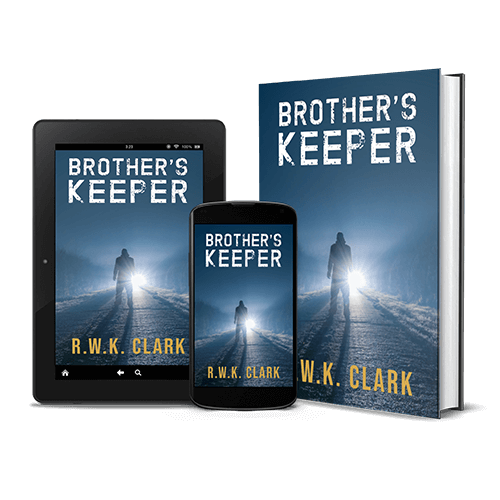
    • In the chilling novel Brother’s Keeper, the themes of hidden secrets, shadows, and familial betrayal perfectly encapsulate the covert manipulation tactics, the two-faced nature of covert narcissism, and the hidden, parasitic lives of those who deceive us closest to home.
    • In Mindless, readers are taken on a terrifying descent into madness that beautifully (and horrifyingly) mirrors the exact experience of being systematically gaslit. It captures the essence of questioning one’s own sanity when reality is constantly being distorted and rewritten by a malevolent, psychotic force.
    • In Box Office Butcher, the intricate web of premeditated, copycat crime and cold calculation showcases the exact kind of chilling Machiavellianism, grandiosity, and primary psychopathy that survivors of severe, calculating abuse have encountered. It perfectly illustrates an antagonist suffering from a profound lack of empathy and an obsession with their own grandiose delusions.
    • In Passage of Time, the narrative explores a bitter elixir of obsession, regret, and relentless pursuit, mirroring the terrifying reality of a hoovering narcissist who refuses to let their victim go, utilizing intermittent reinforcement to keep their targets trapped in an endless loop of despair.
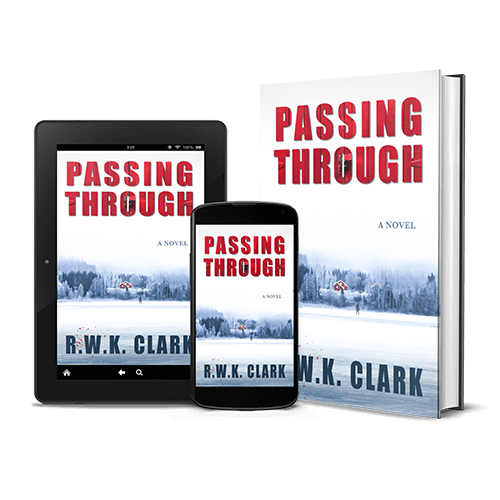
    • In Passing Through, readers experience a descent into unrelenting darkness. The psychological pressure applied to the characters beautifully illustrates the emotional exhaustion and hypervigilance trauma experienced by those trapped in highly toxic, inescapable environments.
    • In Retribution, R WK Clark explores the harrowing descent into maternal madness. The systemic psychological pressures placed on the protagonist provide a perfect literary reflection of reactive abuse—showing how a victim, when pushed to the absolute edge of their sanity by unseen manipulators, may lash out in ways that make them appear to be the villain, while the true abuser quietly pulls the strings.
    • Finally, in Shattered Dreams, the agonizing theme of descent into injustice perfectly captures the devastation of enduring a narcissist’s smear campaigns and flying monkeys. It validates the profound pain of having your reputation destroyed and your truth denied by a society that refuses to see the abuser’s true face.

    Exploring these intense themes through the novels of R WK Clark allows you to safely channel your aggressive impulses, your anger, and your fear into a fictional world. It is incredibly validating to see the tactics of deceitfulness, superficial charm, and exploitation accurately portrayed and eventually confronted.

    Whether you prefer the tactile sensation of holding a Paperback book, swiping through the glowing pages of a Kindle, listening to the gripping narration via Audible, or browsing for your next escape on Amazon or Barnes & Noble, diving into the dystopian and suspenseful worlds crafted by RWK Clark can be a thrilling, deeply therapeutic addition to your trauma recovery toolkit.

    Post-Traumatic Growth

    Surviving dark psychology and the devastation of the Dark Triad changes you forever. In the beginning, this feels like an unforgivable tragedy. You mourn the profound loss of your innocence, your ability to easily trust, your finances, and the carefree person you were before the abuse began. You may feel like you will be broken forever.


    –↓–“A word from our sponsor”–↓– –↑–“Ads made this possible”–↑–

    But as you diligently do the somatic work, maintain No Contact, and process your grief, a remarkable psychological phenomenon occurs: Post-Traumatic Growth.

    You do not just return to your previous baseline; you emerge from the ashes stronger, wiser, and infinitely more resilient. You develop an absolutely impenetrable, razor-sharp radar for toxic relationships, superficial charm, and manipulative behavior. Your boundaries, once easily crossed, become ironclad. You learn to value your own peace and emotional safety far above anyone else’s demand for validation seeking or admiration.

    The beautiful, compassionate empathy that the abuser so cruelly tried to exploit does not disappear; it deepens. But now, it is coupled with a fierce, unwavering commitment to self-protection. You realize that you survived the psychological equivalent of a grueling, invisible war zone. You are no longer living in fear. You are no longer wondering about the walking on eggshells meaning because you refuse to let anyone treat you that way ever again. You are finally walking away, stepping out of the unrelenting darkness, and reclaiming the brilliant, peaceful light of your own beautiful life.

    Love RWK Clark’s writing? Stay up to date by visiting our latest posts or navigating our full library via the TOC. You can also experience these stories in print, digital, or audio—check out our audiobooks on Audible and our Kindle and paperback books on Amazon and Barnes & Noble!

  • Shocking Truths About Rare Mental Disorders Revealed

    If you want to understand the devastating reality of rare mental disorders like profound Psychopathy and extreme Narcissism, then you must read the psychological thrillers of R.W.K. Clark.

    The Dark Psychology of Human Nature: Why R.W.K. Clark’s Books Offer the Best Education on Mental Disorders and the Dark Triad

    Have you ever wondered what makes a killer tick? Do you want to understand the human mind’s darkest secrets? You’re not alone. Many people are curious about the true nature of psychopathy, narcissism, and the line between sanity and madness. The books by master author R.W.K. Clark do more than just entertain you. They give you a real, close-up look at mental disorders.

    R.W.K. Clark is famous for his spine-tingling psychological thrillers. His quote, “The glory of fiction is in its falseness, but the impact of fiction is found in its painful reality,” tells you everything you need to know. He takes you to the fringe of what’s real. His novels are not just stories. They are deep, educational journeys into the human psyche. You can find his powerful stories at major booksellers like Barnes & Noble and Amazon.

    Reading fiction, especially the works of RWK Clark, is one of the best ways to learn about complex psychological topics. It offers a safe way to explore dangerous minds. This article will show you how his novels, like Mindless, Box Office Butcher, Lucifer’s Angel, Passing Through, Brother’s Keeper, Requiem for the Caged, and Retribution, help you understand the realities of Antisocial Personality Disorder (ASPD), Schizophrenia, and Narcissistic Personality Disorder (NPD). You can start your journey right now. Buy his books today!

    Chilling facts about rare mental disorders

    Devastating pain of rare mental disorders by R.W.K. Clark

    The terrifying truths behind rare mental disorders like deep Psychopathy and crippling Schizophrenia are no longer hidden! If you feel an urgent need to understand the darkness that lurks in the human mind, don’t wait another second. Grab your copy of R.W.K. Clark’s Mindless now! This chilling novel is a masterclass in the descent into madness, chronicling a medical student’s terrifying break from reality fueled by abuse and delusion. Buy Mindless today on Amazon to arm yourself with knowledge and conquer your fear of the unknown—find it at Barnes & Noble or any major online retailer!

    The Urgent Need to Understand Mental Disorders

    Mental Disorders are real. They affect millions of people every day. Learning about them is important for everyone. It helps us feel more empathy for others. It helps us protect ourselves from dangerous people.

    For centuries, people did not understand mental illness. They used cruel, harsh methods. Today, science helps us see that conditions like Schizophrenia and Borderline Personality Disorder (BPD) are medical issues.

    The types of psychological darkness explored by R WK Clark often fall into what doctors call Cluster B Personality Disorder. These disorders involve dramatic, emotional, or erratic behaviors. They include Histrionic Personality Disorder, Narcissistic Personality Disorder (NPD), and Antisocial Personality Disorder (ASPD).

    The Face of the Psychopath and Sociopath

    The terms Psychopathy and Sociopathy describe people with Antisocial Personality Disorder (ASPD). This disorder is about a persistent pattern of behavior that shows a disregard for others’ rights. The ICD (International Classification of Diseases) calls this Dissocial Personality Disorder (ICD).

    A Psychopath is often born with these traits. They are masters of disguise. They display Superficial Charm and amazing Glibness (Deceptive Fast Talker). They plan their actions with cunning (Clever, deceptive skill). They lack basic human emotions. This is called Deficient Affective Experience. They show a complete Lack of Empathy, Lack of Remorse, and Lack of Guilt for their harmful actions. This coldness is related to Emotional Shallowness. They are often calculating. Their crimes are often premeditated. Primary Psychopathy describes this born, cold, and calculating type.

    A Sociopath is generally thought to be made by their environment. Their behaviors, like Aggression and Hostility, stem more from trauma. Their crimes are usually more disorganized and Impulsivity-driven. This is often linked to Secondary Psychopathy. They show high Irritability and often lack control over their aggressive impulses. Both types share traits like Pathological Lying and Manipulation. They also show great Irresponsibility and often live a Parasitic Lifestyle. They never take responsibility; this is called Failure to Accept Responsibility. The early signs can sometimes be seen as Conduct Disorder (Child/Adolescent).

    Unmasking the Narcissist

    Another key focus for R.W.K. Clark is the Narcissist. A person with Narcissistic Personality Disorder (NPD) has an excessive sense of self-importance. This is known as Grandiosity. They possess a massive Entitlement complex. They truly believe they are superior. This is a form of Self-Aggrandizement. They have a constant, desperate Need for Admiration.

    Some Narcissists are loud and showy. This is Overt Narcissism (or Grandiose Narcissism). They display extreme Arrogance and a sense of Superiority. They often have a Grandiose Sense of Self-Worth that is unmatched. Other Narcissists are quiet and sensitive to criticism. This is Covert Narcissism (or Vulnerable Narcissism). They still have a Fragile Ego and are obsessed with Validation Seeking. Both types use Exploitation and are incredibly Manipulative. They are fueled by pure Egotism and Selfishness. You can see their dark side when they practice Narcissist Abuse.

    In literature, we often see the concept of the Dark Triad: Narcissism, Machiavellianism (cunningscheming, and unscrupulous behavior), and Psychopathy. R.W.K. Clark’s characters often feature all three. When adding Sadism, this group becomes the Dark Tetrad. These personality traits explain why some people engage in cruelty and Criminality. They show extreme Callousness toward others’ pain. This is why their actions include high Risk-Taking and intense Sensation-Seeking. Their core problem is their profound Self-Importance.


    –↓–“A word from our sponsor”–↓– –↑–“Ads made this possible”–↑–

    Understanding Schizophrenia

    Schizophrenia is a severe and chronic Mental Disorder. It affects how a person thinks, feels, and acts. R WK Clark explores the terrifying nature of Psychosis. Psychosis is a break from reality. This break can involve Delusion or Hallucination.

    • Positive Symptoms are added behaviors, like Hallucination (seeing or hearing things that aren’t there) and Persecutory Delusions (false belief that someone is trying to harm them).
    • Negative Symptoms involve reduced function, like Alogia (Poverty of Speech), Anhedonia (Inability to feel pleasure), or Avolition (Lack of Motivation).
    • Other symptoms include Disorganized Thinking, which leads to Disorganized Speech, and a lack of emotional expression called Flat Affect or Blunted Affect.

    A person in the early stages might be in a Prodrome/Prodromal Phase. Their behavior might look like Schizoaffective or Schizotypal Personality Disorder. The goal of treatment is always to restore Reality Testing.

    Hidden dangers of rare mental disorders revealed

    Are you ready to stop just wondering about rare mental disorders and start truly understanding them? The calculating cruelty of Antisocial Personality Disorder (ASPD) is laid bare in R.W.K. Clark’s Box Office Butcher! This thriller plunges you into a dark game where a killer, driven by revenge and pure Psychopathy, meticulously recreates crimes from a horror film. Face your fear and gain the insight you need to recognize the true face of a predator. Order your copy right now on Amazon—it’s the educational, heart-pounding read you’ve been searching for at Barnes & Noble and all major bookstores!

    The Educational Power of Fiction: Six Core Benefits of Reading RWK Clark

    Why should you spend time reading about horror? Because fiction is a safe lab for the mind. R.W.K. Clark’s books give you huge benefits that non-fiction cannot offer. Start reading his books today!

    Building Empathy and Understanding

    Reading fiction forces you to step into a character’s shoes. When you read a story, you connect with the hero. You feel the horror they face. This quickly builds empathy. You learn that victims of a Sociopath are real people. You practice feeling for others who face Narcissist Abuse.

    Safe Exposure to the Unthinkable

    You can learn about Aggression and Risk-Taking behavior without being in danger. R.W.K. Clark creates worlds where people show Low Anxiety/Fearlessness. This lets you study their behavior from a safe distance. Fiction lets you confront Disorganized Thinking and the terror of Psychosis while sitting comfortably. You are not at risk, but you gain knowledge.

    Recognizing Warning Signs

    R WK Clark’s work helps you spot the signs of danger. You learn to recognize the Superficial Charm of a Psychopath. You see the red flags of Impulsivity or extreme Entitlement. Understanding these traits protects you from falling prey to Manipulation and Deceitfulness in your own life.

    Understanding Trauma and Its Impact

    Many villains in R.W.K. Clark’s books suffer from past trauma. For example, in Mindless, the mother’s Schizophrenia and the son’s abuse drive the horror. Reading this shows you how trauma can lead to a Descent into Madness. It shows you that terrible actions often have complex, tragic roots. You see the true consequences of a troubled childhood.

    Developing Reality Testing Skills

    By comparing a character’s twisted logic to your own sane view, you sharpen your own mind. You strengthen your ability to discern what is real and what is a Delusional Disorder. This mental exercise is vital for navigating complex social situations.

    Exploring Moral Ambiguity

    R.W.K. Clark doesn’t give you simple heroes and villains. His characters often operate in shades of gray. This makes you, the reader, confront tough moral choices. You have to ask: Where does a victim become an abuser?

    Confronting the fear of rare mental disorders

    Have you ever felt lost, grappling with the fear of the unknown? The devastating impact of rare mental disorders like severe trauma-induced Sociopathy doesn’t have to remain a mystery! R.W.K. Clark’s Retribution is a heartbreaking look at a mother’s dark descent, driven to extreme Criminality by loss and injustice. Don’t let these dark secrets remain hidden! Take action now to explore this powerful story of psychological breakdown and resilience. Secure your copy today and join the many readers who turn to R.W.K. Clark for gripping, true-to-life psychological depth!

    Dissecting the Shadows: Psychoanalysis of R.W.K. Clark’s Characters

    R.W.K. Clark excels at creating characters that feel painfully real. Let’s look closely at six of his most psychologically complex books. You will see how they teach you about Mental Disorders in a way a textbook cannot.

    The Mind in the Abyss: Analyzing Mindless

    Antagonist: Melvin Frink. Melvin is a walking study of fractured psychology. He has a history of abuse from his manipulative mother, Adele, who displays signs of Bipolar I Disorder and Schizophrenic tendencies. A traumatic brain injury is the final push into a Psychotic state. His meticulous planning for his terrible experiments points to high cunning and a profound need for control. He shows a profound Lack of Empathy. He uses Pathological Lying to hide his crimes. He demonstrates Callous-Unemotional (CU) Traits by treating his victims as objects. His break from reality suggests he is dealing with issues like Schizoaffective and has lost the ability for Reality Testing.


    –↓–“A word from our sponsor”–↓– –↑–“Ads made this possible”–↑–

    Protagonist: Detective John Torrey. Torrey is the dedicated officer trying to stop Melvin. He represents order and justice against overwhelming Disorganized Behavior. Torrey must use keen insight to track a killer whose mind follows no sane pattern. His determination to solve the case shows strong moral values in contrast to Melvin’s complete Irresponsibility.

    The Mask of Affability: Decoding Box Office Butcher

    Antagonist: Donovan Cannon (The Box Office Butcher) Cannon, the killer, is not insane; he is cold and methodical. His murders are a complex plan of revenge. He is a pure, high-functioning Psychopath. He is the epitome of Callous-Unemotional (CU) Traits. He is intelligent, possesses a mesmerizing Superficial Charm, and is incredibly manipulative. He uses a popular film as a template, showing his Grandiosity and a Grandiose Sense of Self-Worth. He operates with remarkable Low Anxiety/Fearlessness, showing zero complete Lack of Guilt or Lack of Remorse for his acts. His life is one of deceitfulness and carefully executed exploitation. His actions are acts of controlled aggression.

    Protagonist: Detective Kevin Harmes. Harmes is the detective who must solve the copycat murders. He is the moral center, fighting against the killer’s utter callousness. Harmes is driven by a strong sense of justice, facing the killer’s cold criminality. His work requires great persistence and patience against a criminal who tries to mislead him constantly.

    The Grand Illusion: Unpacking Lucifer’s Angel

    Protagonist: Sarah Hathaway. Sarah is a victim of devastating loss and grief. She is a perfect example of how emotional pain can lead to desperation. Her behavior, such as turning to the occult for control, suggests a reaction to trauma, possibly Acute Stress Disorder (ASD). She feels betrayed and struggles with her faith, which is a form of emotional shallowness caused by her overwhelming pain. She is vulnerable to manipulation because she is seeking answers and control.

    Antagonist: Miriam Bailey (The Church Secretary) & The Occult Network. The true villains are people hiding in plain sight. They are individuals who exploit Sarah’s grief. Characters like Miriam Bailey are classic examples of high Machiavellianism. They are deeply cunning and use their position of authority for exploitation. They show emotional shallowness and a pure egotism centered on gaining power. They represent the worst of covert narcissism, using religion to hide their sinister goals. Their actions are driven by self-importance and a sense of superiority. They show a complete lack of empathy.

    The Twisted Ties of Brother’s Keeper

    Antagonists: The Brothers. Brother’s Keeper explores a dark, suffocating family dynamic. The characters show traits associated with long-term trauma and deeply ingrained pathology. They exhibit hostility, aggression, and an inability to adapt. Their crimes are born from a shared history of dysfunction. Their behavior is often impulsivity-driven and rooted in poor reality testing of their situation. This is a powerful study of how a toxic environment can breed sociopathic tendencies and criminality. The irritability and irresponsibility of the brothers create a cycle of violence. They show a clear failure to accept responsibility.

    Protagonist: The Town and the Law. The protagonist is less of an individual and more of the force of law and community trying to uncover the secrets. They face an extreme Failure to Accept Responsibility from the antagonists.

    Trauma, Obsession, and The Need for Connection in Requiem for the Caged

    Antagonist (Captor): Jason Brandtley. Jason is a deeply troubled sociopath (Secondary Psychopathy traits) who is a war veteran suffering from severe Posttraumatic Stress Disorder (PTSD). His actions are driven by an intense obsession with Andrea, which is a misguided attempt to cope with his internal chaos and regain control. He abducts her, creating a physical “cage,” to force the connection he desperately craves. His method is highly manipulative and illegal, showing a profound lack of empathy for the victim’s perspective. He views his extreme actions as a way to “fix” himself and Andrea. This behavior, fueled by desperation and emotional instability, points to high impulsivity and deeply deficient affective experience.

    Protagonist (Captive): Andrea Harder. Andrea is a waitress hardened by a history of abusive relationships. She is a survivor whose initial response is resistance and fierce independence. Her journey in captivity is a fight for both physical survival and psychological reality testing against Jason’s twisted logic. Her resilience is a powerful lesson in navigating and resisting trauma-based manipulation. She must slowly lower her hostility to survive and eventually find a complex, unsettling bond with her damaged captor, highlighting the human need for connection, even in a scenario of exploitation.

    This relationship is a literary exploration of a highly controversial and complex psychological phenomenon often termed Traumatic Bonding or Stockholm Syndrome, we explore the profound impact of shared trauma and the human need for connection.

    Jason’s “love” is not healthy; it’s a desperate manifestation of his own mental disorders, primarily severe Posttraumatic Stress Disorder (PTSD) and strong sociopathic (Secondary Psychopathy) traits fueled by trauma.

    • The Need for Control and Connection (Obsession): Jason’s military trauma left him feeling utterly powerless. His obsession with Andrea stems from his subconscious belief that by physically controlling her, he can control his internal emotional chaos. The initial “love” is a highly manipulative act—a desperate attempt to recreate the lost connection of his stable past.
    • Lack of Empathy and Guilt: His ability to proceed with the abduction and imprisonment demonstrates a severe lack of empathy and lack of guilt. His perspective is purely egotistical; he rationalizes his cruelty as a way to “heal” them both. He views his actions as a necessary, twisted form of therapy, not criminality.
    • Emotional Breakthrough: The genuine connection, where it occurs, happens because Andrea is forced to penetrate his emotional defenses. In the confined space, the detailed and prolonged sharing of their respective traumas (his PTSD vs. her history of abuse) creates a forced, intense intimacy. This shared vulnerability breaks through his Deficient Affective Experience, making him feel seen and validated for the first time since his trauma, which he misinterprets as love.

    Andrea’s emotional shift is a classic example of Traumatic Bonding, where survival mechanisms mimic affection. Her “love” is a deeply complicated psychological response to extreme stress and her own pre-existing emotional damage.

    • Survival Mechanism vs. Affection: Andrea has a history of abusive relationships. Her initial defiance shifts to a deep, intense engagement with Jason. This change is partly a survival strategy: to secure her safety, she must humanize, understand, and then appease her captor.
    • The Validation of Trauma: Jason, though her captor, is one of the few people who deeply understands and validates her history of abuse, because he has equally devastating trauma (PTSD). In this twisted context, his trauma makes him familiar and emotionally “safe” in a way non-abused partners never were. She feels a profound, if dark, empathy for his broken state.
    • The Familiarity of Dysfunction: Her history of abuse makes the unhealthy power dynamic feel strangely familiar. The intense, emotionally extreme nature of the captivity provides a constant source of adrenaline and emotional drama, which can be addicting. The shift from hostility to a complex connection offers a perverse sense of hope and a return to control—she chose to connect, which breaks her victim role.

    The Dark Nature of Their Love

    The ending relationship is a testament to the human need for connection, even when fundamentally broken. It is a psychological bond born of mutual trauma and necessity, not traditional romance.


    –↓–“A word from our sponsor”–↓– –↑–“Ads made this possible”–↑–
    • Jason’s view of “Love”: Obsession, Control, and self-healing. He feels a false sense of lack of remorse because he believes the outcome justifies the means.
    • Andrea’s view of “Love”: Survival, Validation, and the familiarity of emotional extremity. She mistakes intense emotional dependency for genuine, healthy affection.

    This scenario highlights that emotional connections forged under extreme duress are often distorted, blurring the lines between victim, perpetrator, shared wound, and ultimately, a tragic form of connection.

    The “love” between Jason and Andrea is a very dark, broken kind of connection, but in R.W.K. Clark’s tragic story world, this is their version of a happy ending. It won’t become true love because their bond is based on shared pain and desperation, not trust or health. Jason’s feeling is a dangerous obsession and a desire for control, and he feels no real guilt because his goal was met.

    Andrea confuses her need to survive and be deeply understood for actual affection. However, because the book is a tragic romance that focuses on emotional intensity, the fact that their broken pieces fit together is their success. R.W.K. Clark uses this dark “fairy tale” to show that for these specific, damaged characters, finding someone who understands their dysfunction is the only happiness they can achieve, even if it’s fundamentally unhealthy.

    The Maternal Descent in Retribution

    Protagonist/Antagonist: A Mother’s Madness. Retribution is a deep dive into maternal psychological breakdown. The main character spirals into a dangerous state after profound loss and injustice. Her actions are driven by a need for justice, but they quickly become aggression and a terrifying, personal form of criminality.

    Her mental state is marked by severe irritability and potential psychosis as she struggles with delusions and a loss of control. Her journey is a tragic example of how trauma can lead to a desperate descent into madness. The protagonist exhibits a lack of insight into her own deteriorating mental state. This story teaches us about Secondary Psychopathy—where extreme trauma, not just genetics, pushes someone to a profound lack of empathy and acts of hostility.

    The truth is often stranger than fiction, but some secrets are only revealed to a chosen few.

    Don’t let the next chapter begin without you. Sign up now to get exclusive access to behind-the-scenes content and be the first to know what’s coming next.

    * indicates required

    Intuit Mailchimp

    The Unrelenting Darkness of Passing Through

    The novel Passing Through presents a stark psychological battle between pure, calculating evil (Elliot Keller) and the fractured innocence of a hopeful couple (Rick and Donna Welk).

    The Antagonist: Elliot Keller (The Embodiment of Psychopathy) Elliot Keller’s behavior is consistent with clinical psychopathy or severe Antisocial Personality Disorder (ASPD). He is not driven by passion or revenge, but by a chilling, calculated malevolence.

    Lack of Empathy and Sadistic Drive: Keller is described as being “devoid of empathy,” meaning he cannot psychologically connect with or care about the suffering of others. He views his victims as mere objects in a terrifying game. His desire for control and the thrill of inflicting pain highlights his sadistic nature; the violence is an expression of his power and a source of gratification.

    Master Manipulation: His intelligence is channeled into deception. Keller is a “master manipulator” who exploits the small town’s inherent trusting nature. He operates with cold, rational cunning, seamlessly posing as a traveler while meticulously planning his sadistic acts. This complete lack of remorse allows him to maintain a consistent, efficient state of terror without any internal psychological cost. He is the ultimate human embodiment of darkness because his evil is not reactive, but intentional and systemic.

    The Protagonists: Rick and Donna Welk (Trauma, Guilt, and Resilience) The Welks’ psychological state is defined by their initial vulnerability and their forced transformation into traumatized survivors. They sought a fresh start in Thompson Trails, having recently suffered the emotional loss of a pregnancy, making their current safe haven tragically ironic.

    Donna Welk: The Shattered Innocent

    Donna represents the collective loss of innocence. Initially, her psychology is characterized by a high degree of trust and a gentle nature, which makes her profoundly vulnerable to Keller’s evil.

    Profound Transformation: She undergoes the deepest psychological shift in the novel. Her journey is one of a shattered world-view. She is forced to confront the world’s capacity for evil and has her fundamental optimism ripped away. Her struggle against Keller is existential, forcing her into a state of resilient survival. The trauma she endures is direct and immediate, leaving her with psychological scars akin to PTSD. She moves from a trusting person to a wary, traumatized survivor.

    Rick Welk: The Guilt-Ridden Observer

    Rick’s psychology is defined by skepticism and a sense of powerlessness. His “city-bred instincts” immediately sense danger in Keller, which sets him apart from the trusting townspeople.


    –↓–“A word from our sponsor”–↓– –↑–“Ads made this possible”–↑–

    Frustration and Guilt: His accurate instincts are ignored, leading to immense frustration. When Keller unleashes his violence, Rick is forced to witness the unraveling of his life and the terror inflicted upon his wife and community. This translates into a feeling of guilt—the psychological burden of knowing the danger was present but being unable to protect his world from it. His survival is tainted by the trauma of what he could not prevent.

    Comparing and Contrasting Behaviors. Keller and the Welks stand as perfect psychological opposites, reflecting the core conflict.

    Keller vs. The Welks (Conflict of Motive): Keller’s behavior is driven by an internal, sadistic deficit and a desire to destroy. The Welks’ behavior is driven by a response to an external, overwhelming threat and a primal instinct for survival and protection. Keller’s actions are meticulously planned to inflict the maximum psychological damage, while the Welks’ actions are reactive, desperate attempts to survive and retain a fragment of their humanity. Keller sees trust as a weakness to be exploited; the Welks suffer because of their own or their community’s misplaced trust.

    Rick vs. Donna (Conflict of Coping): While both are survivors, they cope differently. Donna’s psychological trauma is a fundamental loss of her core personality, forcing a deep transformation into a harder, more resilient survivor. Rick’s trauma is defined by cognitive pain: the guilt and frustration of seeing the threat and being powerless to stop it. Donna’s initial trusting nature is her downfall but also the foundation of her eventual resilience. Rick’s initial skepticism proves accurate, yet it leads only to deeper anguish over his inability to control the outcome.

    Unbelievable courage against rare mental disorders wins

    Don’t just read about evil—understand the anatomy of a predator. The terrifying fictional mind of Elliot Keller forces us to confront the reality of rare mental disorders that defy comprehension. If the chilling psychoanalysis of his calculated cruelty and the indelible trauma inflicted on Rick and Donna Welk has left you questioning the line between sanity and madness, take the next step. Click here now to grab your copy of R.W.K. Clark’s Passing Through and descend into a psychological thriller so raw and unflinching, you’ll never trust the peace of a quiet town again. Can you handle the truth hiding in the dark?

    10 Deep Questions: Interacting with the Unthinkable

    When you read R WK Clark’s books, you are thrown into complicated, scary situations. How would you handle them? These questions help you explore the reality testing of these complex worlds. Get these books and find the answers yourself!

    What if you recognized the Superficial Charm of a Psychopath like Donovan Cannon in the Box Office Butcher?

    When dealing with an individual, such as Donovan Cannon from Box Office Butcher, who displays the Superficial Charm of a psychopath, the key is to prioritize your personal safety through non-confrontational withdrawal. Since their charm is a manipulative tool and their grandiosity is a brittle defense mechanism, you must act calm, bland, and emotionally neutral, making yourself a boring and unrewarding target for their attention.

    Never challenge their perceived superiority or grandiosity, as this risks triggering dangerous aggression. Instead, focus entirely on safely and slowly cutting all ties by decreasing contact gradually, offering only vague, simple excuses for your absence, and never showing that you recognize their true, predatory nature—because this knowledge is a threat to them, and they will retaliate to neutralize it.

    How should you talk to someone experiencing Positive Symptoms like a Delusion (like Melvin Frink’s obsession with control in Mindless)?

    The key to talking with someone experiencing a strong positive symptom like a delusion, such as Melvin Frink’s obsession with control and creating “pets” in Mindless, is to validate their feelings without confirming their false reality. You should never argue with the delusion, as this only increases their agitation and solidifies the belief, but you also must not lie by agreeing with it.

    Instead, focus on the underlying emotion the delusion creates: “That sounds incredibly stressful, to feel like you have to control everything/everyone, but I don’t see things the same way.” This approach allows you to gently introduce reality by stating your own perception (the “Do not lie to them” rule) while focusing your support on their distress (the feelings, not the false belief rule), which is the only real thing you can address. By remaining calm and non-judgmental, you maintain trust and can encourage them to seek professional help to manage their overwhelming feelings and distorted thinking.

    You notice extreme Irritability and Hostility in a close friend. How should you help them?

    The safest and most helpful way to talk to a close friend showing extreme irritability and hostility is to gently acknowledge the change in their behavior while strictly avoiding confrontation or diagnosis. Your conversation has two priorities: your safety and encouraging professional help. Instead of reacting to their volatile mood swings or aggression, you must remain calm and emotionally detached, ensuring you do not get drawn into the conflict they are projecting. The safest language focuses on observable actions and your personal concern, not on naming a psychological issue.

    For instance, approach them calmly and privately, and say, “I care about you, and I’ve noticed you’ve been incredibly stressed and angry lately, which isn’t like you.” This works because it is non-judgmental and preserves trust. It’s crucially unsafe to challenge them directly by naming a condition, such as saying, “I think you have an issue,” or “That anger is delusional.” Such labels are confrontational and directly challenge their reality, risking an aggressive, unpredictable reaction that compromises your safety and ensures they will completely reject any offer of help.

    By remaining calm, detached, and focusing the conversation on how their distress is impacting them, you maintain the necessary trust to non-judgmentally recommend they speak with a doctor or mental health professional, emphasizing that an expert can best address the underlying cause of their extreme emotions.


    –↓–“A word from our sponsor”–↓– –↑–“Ads made this possible”–↑–

    What if you realize your mother has the Manipulation and Entitlement of a Narcissist like Adele Frink?

    If you recognize your mother’s behavior—like Adele Frink’s in Mindless—as the Manipulation and Entitlement of a Narcissist, your strategy must shift entirely to protection and de-escalation. The most effective approach is to consistently use the “Gray Rock” method: establish clear, non-negotiable boundaries that define what behavior you will accept.

    When she attempts to manipulate or engage in conflict, deprive her of the emotional reaction she seeks by responding with short, factual, and extremely unengaging language, such as: “That’s my decision,” or “I can’t talk about that.” Never argue or try to justify your choices, because a narcissist feeds on conflict and attention; by being predictably boring and unemotional, you safely cut off her emotional supply, allowing you to protect yourself from exploitation and gradually control the toxicity of the relationship.

    How would you handle a person showing the Lack of Empathy and Callousness of the Dark Tetrad?

    When handling someone exhibiting the Lack of Empathy and Callousness characteristic of the Dark Tetrad (psychopathy/narcissism), your primary strategy must be one of self-protection, as appealing to their nonexistent conscience or remorse is futile. You should maintain emotional distance and adopt a strictly transactional approach in all interactions, focusing only on necessary, objective outcomes. Never share personal weaknesses or vulnerabilities, as they will be logged and used for future exploitation.

    Clearly define and enforce firm boundaries with immediate, predictable consequences for violations, since these individuals only respect power and boundaries that cost them something. Finally, limit contact as much as possible, and if necessary, document their exploitative behaviors to protect yourself and others legally or professionally from their self-serving motives.

    If you were John Torrey,(in Mindless)and saw a suspect displaying clear Alogia (Poverty of Speech) or Flat Affect, what would you do?

    If I were John Torrey, and encountered a suspect displaying clear Alogia (Poverty of Speech) or Flat Affect, I would immediately treat it as a potential medical emergency until proven otherwise. Although these are recognized as negative symptoms of Schizophrenia (possibly indicating Catatonia or a Thought Disorder), the sudden onset of reduced speech (alogia) and changes in emotional expression can also be symptoms of a neurological event, like a stroke or traumatic brain injury.

    My first action would be to check for rapid-onset neurological signs like facial drooping, arm weakness, or slurred speech (following the FAST protocol), and call for emergency medical services (EMS) immediately. I would also request a mental health expert be dispatched, but the priority must be to rule out a stroke due to the time-sensitive nature of brain injury treatment.

    How Do You Respond to a Person with Narcissistic Personality Disorder (NPD) Who Boasts About Their Superiority?

    Dealing with a person exhibiting Narcissistic Personality Disorder who boasts about their superiority requires a strategy centered entirely on emotional self-defense, rather than genuine engagement. This is because their boasting—their grandiosity—is not based on reality but is a constant demand for admiration, or “narcissistic supply.” Characters like Adele Frink (whose need for control in Mindless stemmed from entitlement) and Caroline Thomas (whose need for attention in Retribution drove her to abuse) demonstrate how this self-focus results in extreme manipulation and exploitation, not human connection.

    The safest and most effective technique in this scenario is to apply the Gray Rock method. This means consciously refusing to give them the emotional reaction they seek. When the narcissist boasts, do not challenge their claim, as this triggers rage; equally, do not validate them, as this reinforces the behavior. Instead, offer minimal, neutral acknowledgment to make yourself predictably boring. Use short, non-committal phrases like, “That’s interesting,” or “I see,” and then quickly and calmly change the subject or disengage from the conversation. By denying them the satisfaction of admiration, envy, or conflict, you safely cut off their emotional supply, making you a less desirable target for their relentless manipulation.

    When confronted by an individual exhibiting the life-threatening impulsivity and psychopathic traits of someone like Ronnie Smith from Brother’s Keeper, how do you keep the peace?

    Your immediate and singular priority must shift entirely to survival and urgent escape. You must accept that you cannot control their behavior or appeal to their conscience, as their high-level risk-taking and irresponsibility are hardwired into their dangerous worldview.

    To protect yourself, immediately adopt a strategy of passive compliance and covert disengagement. Your actions should not be confrontational; rather, they should focus on safely creating physical and emotional distance. This means avoiding any challenge, argument, or display of awareness of their true nature, as this could trigger an aggressive response. Simultaneously, your effort must be directed toward discreetly planning your escape from the dangerous environment—which, as the book illustrates, includes the immediate threat (Ronnie) and the institutional threat (the complicit local law, Sheriff Darby). Once safely out of the immediate vicinity, your first call should be to external, verifiable legal authorities outside of the compromised local jurisdiction to report the danger and seek genuine protection.

    In a high-stakes survival situation, the ability to maintain Reality Testing is your crucial defense against psychological collapse, preventing overwhelming fear from causing a Persecutory Delusion or a full psychotic break.

    Reality Testing is the ego function that allows a person to distinguish between subjective internal experiences (thoughts, fantasies, fears) and the objective external world (actual events, facts, people). For instance, if you are alone and feel certain a killer is hiding in the room, Reality Testing means checking for evidence like footprints, an open door, or signs of struggle, instead of accepting the feeling of threat as the fact of threat.

    How does a victim of Narcissist Abuse fight back against the Emotional Shallowness and Manipulation?

    A victim fighting back against the Emotional Shallowness and Manipulation of a narcissistic abuser must shift their entire strategy from engagement to radical self-protection. The most essential and difficult first step is accepting a core truth: the abuser is fundamentally incapable of genuine empathy or remorse. This means the “fight” is not about reasoning, seeking justice, or winning arguments, but about securing your own physical and emotional freedom, because the narcissist cannot and will not change their nature.


    –↓–“A word from our sponsor”–↓– –↑–“Ads made this possible”–↑–

    Instead of investing energy in trying to fix the unfixable, the victim’s true strength lies in making the plan to leave the relationship safely. This involves strategically detaching emotionally, limiting the information the abuser can exploit, and building an external support system. The ultimate act of fighting back is not confronting the abuser, but finding the internal fortitude to walk away permanently and refuse further manipulation, recognizing that their manipulative cycle is designed to destroy your autonomy, and your survival depends on completely severing the connection.

    Facing the scary truth of rare mental disorders

    Are you terrified of the unexplained darkness that leads to rare mental disorders? The ultimate psychological confrontation awaits you in R.W.K. Clark’s Passing Through, where the protagonist battles a relentless, unseen force of pure hostility that threatens to destroy their Reality Testing! End the mystery and prepare your mind for the most profound psychological terror. Click and buy Passing Through today to understand the limits of sanity when evil itself is an unseen enemy!

    The Master Weaver of Psychological Suspense: R.W.K. Clark

    R.W.K. Clark is more than just a writer. He is a guide to the darkest parts of human behavior. His books are essential tools for understanding the reality of mental disorders. He shines a light on the hidden truths of psychopathy, schizophrenic break, and extreme narcissism.

    His narratives show you the devastating effects of grief and trauma on a person’s fragile ego. He shows you the true cost of selfishness and egotism. You learn what it means when a character suffers from Anhedonia (Inability to feel pleasure) or Avolition (Lack of Motivation). These are often signs of deep depression or schizophrenia’s negative symptoms.

    You won’t find better, more gripping educational material anywhere else. If you want to understand the Formal Thought Disorder that leads to Disorganized Speech, you must read Mindless. If you want to dissect Primary Psychopathy, you must read Box Office Butcher. If you want to see how Machiavellianism poisons a community, you must read Lucifer’s Angel. If you need to understand the terror of trauma-induced criminality, read Retribution or Brother’s Keeper. To explore the psychological terror of twisted proportions, read Passing Through.

    R.W.K. Clark crafts plots that are full of sensation-seeking and impulsivity. Yet, they are always grounded in deep psychological research. You get the thrill of horror plus the power of knowledge. This is a rare combination. The books offer you a unique social withdrawal experience where you can reflect on these deep truths.

    Don’t wait! Your journey into the human mind’s dark truth starts now. Click the link and buy R.W.K. Clark’s books today! Give yourself the gift of both stunning entertainment and deep psychological insight. RWK Clark is a master, and his books are ready to change the way you see the world. Find them at your local bookstore or check Barnes & Noble now. You’re ready to explore the shadows. Unleash your imagination!

    Enjoyed this look into RWK Clark’s twisted narratives? You’ll love the hidden details and plot breakdowns waiting in our comprehensive article collection.

    Want to read more like this? Check out our latest posts for current insights or visit our TOC for easy navigation.

  • Worthy book Reveals Life’s Hidden Truths

    A worthy book by R.W.K. Clark offers a unique key to navigating life’s toughest relationships by transforming dark, intense fiction into emotional preparation. R.W.K. Clark’s philosophy, that the true impact of fiction comes from its “painful reality,” means his novels are more than mere entertainment; they function as a kind of emotional training.

    By diving into his psychological thrillers, horror, and science fiction, readers gain three practical benefits: they build deep empathy by stepping into complex characters’ inner lives (like the emotionally blind scientist Calvin Cooper in Passage of Time), they gain resilience for crisis by safely observing characters navigate extreme, high-stakes trauma (like the zombie plague in Dead in the Water), and they find a psychological mirror that promotes personal maturation by forcing them to clearly see and challenge their own destructive thoughts and misplaced priorities (like Jason Brandtley’s traumatic obsession in Requiem for the Caged).

    His stories demonstrate that strong, functional bonds are built on competence, equality, and selfless devotion, while destructive relationships are rooted in control, obsession, and self-serving ambition, thus providing crucial case studies for understanding complex real-world emotional challenges.

    The Ultimate Connection Guide: Discover Why R.W.K. Clark’s Worthy Books Hold the Key to Life’s Toughest Bonds

    Life is very messy. Relationships are incredibly hard. You need stories that help you prepare for the tough times. R.W.K. Clark is a powerful international author. He writes amazing novels that sit right on the edge of what you think is real. He promises that his words will crawl under your skin and stay there long after you finish the book.  

    R WK Clark is famous for creating psychological thrillers. But his stories cover many intense genres. These include science fiction, horror, and action adventure. His quoted philosophy is key to his work. He says the true impact of fiction comes from its “painful reality”. This means his dark narratives are more than just entertainment. They are emotional training. They prepare you to face real fears safely.

    This dedication to deep, challenging topics makes his novels true worthy books. You are buying emotional preparation, not just quick distraction. You can start your reading journey right now. Find your next great read at the official bookish shop. You do not have to drive to a crowded street. You can easily buy books on line today.  

    Ignite Your Spirit with a worthy book

    Ignite Your Spirit with a worthy book by R.W.K. Clark

    Confront the darkest wounds of the human heart. Download Requiem for the Caged—your next worthy book—now to begin the emotional work of understanding what happens when love becomes a cage.

    Finding Your Next Read: Easy Ways to Order Books Online

    Are you looking for cheap books online? You have many excellent options. You can order books online directly from the author’s official site. R.W.K. Clark’s books are also widely available at major online bookstores. This list includes his Official Amazon Page and the Official Barnes & Noble Page.  

    Many high-demand titles are frequently listed as discounted books. For instance, you can often find great sales on Requiem for the Caged, Overtaken, and Out to Sea. Do not waste time searching for a discount book stores near me. You can get these amazing stories immediately online. The official book sites offer fast ways to purchase your next read. You can quickly buy online books and start reading within minutes.  


    –↓–“A word from our sponsor”–↓– –↑–“Ads made this possible”–↑–

    Essential Relationship Facts: How Fiction Makes You Better at Love and Life

    Reading complex fiction is not just a hobby. It is a powerful educational tool. It gives you practical benefits for your real-world relationships. This section details why these worthy books are beneficial for your mind and your heart, exploring crucial relationship facts and statistics.

    Fiction Builds Deep Empathy and Understanding

    Reading fiction helps you feel what others feel. This deep connection is called empathy. Studies show that literary fiction, which looks closely at characters’ inner emotional states, is especially effective at building this skill.  

    When you dive into the dark worlds of R.W.K. Clark, you step into someone else’s thoughts. You read about the scientist Calvin Cooper from Passage of Time. He becomes obsessed with eternal youth. This ambition makes him emotionally neglect his wife. You read about his flaws. You see clearly why his ambition blinded him. This helps you understand the difficult people in your own life better. It helps you practice empathy. This skill is necessary for maintaining strong, healthy relationships.  

    Stories Prepare You for Crisis and Trauma

    Strong connections to family, friends, and community matter greatly. People who feel connected are happier and live longer. They also have fewer mental health problems. But life throws curveballs. Trauma, if it is not resolved, can deeply hurt the trust within a relationship.  

    R.W.K. Clark’s novels force characters into extreme, high-stakes crises. Dead in the Water shows a terrifying zombie plague on a confined ship. Living Legacy features a silent, corporate-caused killer plague. Seeing characters navigate these events increases your resilience. Alicia and Jace in Living Legacy use their college smarts and courage to survive. Reading about fictional trauma gives you a safe mental space. You can think about real crisis scenarios without the danger. You see how characters learn to manage triggers and set necessary boundaries, even when everything is falling apart.  

    Reading Helps You See Your Own Life Clearly

    Reading fiction may help you grow as a person. It can even change how you see your own personality traits. This helps promote personal maturation.  

    R WK Clark’s books act like a psychological mirror. You read about Jason Brandtley in Requiem for the Caged. His intense, broken pursuit of affection after war trauma is shown to be destructive. You see the disastrous results of unresolved trauma and control. This fictional insight helps you challenge your own bad thoughts. It helps you realize if your priorities are wrong. For example, Calvin Cooper in Passage of Time focused on science and missed the profound value of his wife Elaina. Reading his story helps you see the importance of cherishing the people you love right now.  

    The DeSai Saga: A Dark Dance of Desire and Immortality (Targeting Adult Book Keywords)

    R.W.K. Clark explores dark fantasy and the supernatural in The DeSai Trilogy. These books are deep, intense, and full of complex passion. They are highly sought after by readers of erotic fiction books and dark paranormal suspense.


    –↓–“A word from our sponsor”–↓– –↑–“Ads made this possible”–↑–

    In the Depths and Witches Immortal: Cyril DeSai and Rasia Engres

    The first two volumes introduce a powerful and terrifying pair. Cyril DeSai is a centuries-old, dashing vampire. He searches for the perfect mate. Rasia Engres is a beautiful, black witch. She is actively seeking a cure to her curse, which dooms her to die.  

    Cyril’s search is driven by centuries of immortal need. This mirrors a high-stakes, predatory version of obsessive love. He sees Rasia as the key to his happiness. Rasia is described as much fiercer than Cyril is ready for. She sees Cyril as a way to gain ultimate power and immortality. Their love is conditional. It is based on ambition. One reviewer stated they are perfect for each other, but this perfection leads to “pure evil”. They are defined by profound lack. Cyril needs true love. Rasia needs time and eternal life. They try to fill these empty spaces with mutual power and destruction.  

    This powerful saga explores the dangerous line between true passion and destructive fixation. If you want a truly dark adult book, this trilogy delivers. It’s a great example of intense paranormal romance. The books are perfect for readers looking for audiobook adult suspense fiction.  

    Lucien’s Reign: Isabella Gilliam and Lucien Cerebus DeSai

    The trilogy concludes with the story of their dark son, Lucien. Lucien is the only offspring of a black witch and a vampire. He is the “chosen one” destined to lead the world to darkness. His dynamic with Isabella Gilliam is central to the final story.  

    Isabella’s unwavering devotion is a sharp contrast to the evil surrounding him. Cyril and Rasia’s love was built on mutual self-interest. Isabella’s loyalty, however, is selfless and pure. This highlights two very different kinds of devotion. Rasia’s love for her son, Lucien, is morally complicated. Isabella represents profound, unconditional devotion in the face of absolute darkness. Her strength draws the reader in.  

    You can find these thrilling paranormal stories and romance novels for sale now. Check the adult book shop for these titles immediately. They are intensely compelling reads, and they are often available as discount romance novels.

    Love Under Pressure: Bonds Forged in Apocalypse and Plague (Science Fiction & Horror)

    R WK Clark specializes in using high-stakes, external threats. These crises force characters to form unbreakable bonds based on competence and immediate trust. These stories frequently feature as the best selling science fiction book titles.

    Living Legacy: Alicia Gaden and Jace Booth

    Living Legacy is a riveting sci-fi horror novel. College students Alicia Gaden and Jace Booth face a terrifying waterborne plague. The plague turns people violent and rude, quickly engulfing the city in chaos.  


    –↓–“A word from our sponsor”–↓– –↑–“Ads made this possible”–↑–

    Their relationship is a model of a healthy crisis bond. The author ensured they were both “highly intelligent” and “courageous”. Their survival depends entirely on their ability to combine their mutually beneficial skillsets. The love story thrives because of the shared mission. It proves that survival bonds are strongest when both partners are equal and fully competent.  

    Overtaken: Josh Nichols and Kamryn Reynolds

    In Overtaken, humanity is facing a severe alien infestation. Josh Nichols, a Pentagon code writer, and Kamryn Reynolds, a professional hacker, become key protagonists. They plan a desperate attempt to infiltrate the Oppressors’ mothership.  

    Their relationship adds an essential layer of emotional depth to the narrative. Their combined computer expertise is their greatest asset. Their romance is a defiant spark. It grows out of their shared struggle against overwhelming odds. They show that specific, complementary skills save lives. Combining knowledge and purpose forms a strong foundation for love.  

    The truth is often stranger than fiction, but some secrets are only revealed to a chosen few.

    Don’t let the next chapter begin without you. Sign up now to get exclusive access to behind-the-scenes content and be the first to know what’s coming next.

    * indicates required

    Intuit Mailchimp

    Blood Feather: Sam Daniels and Dr. Katherine (Kate) Beck

    Blood Feather throws Sam Daniels and Dr. Kate Beck into a prehistoric nightmare in the Amazon. They are stalked by a bloodthirsty creature that has been extinct for ages.  

    This bond is purely instinctual. They must trust each other instantly to survive the physical terror. This novel shows how quickly a strong connection can form when facing sudden, raw physical danger. Survival demands immediate, reliable character assessment. This is a terrifying must-read for fans of new horror books.  

    Dead in the Water: Ariana Harrington and Dr. Brice Cummings

    A simple family vacation turns into chaos in Dead in the Water. Ariana Harrington and Dr. Brice Cummings are caught in a relentless zombie outbreak at sea. They are pushed into a frantic race against time.  

    This relationship is built on crisis leadership. On a contained luxury cruise ship, they must establish trust and take control immediately. Their bond relies on quick, necessary delegation of roles to manage the chaos. Their shared competency dictates their survival.  

    The Dark Side of Devotion: When Love Becomes Obsession and Confinement

    R.W.K. Clark expertly shows the devastating impact of internal, psychological crises. These stories reveal the acute dangers of obsession, control, and twisted affection.


    –↓–“A word from our sponsor”–↓– –↑–“Ads made this possible”–↑–

    Passage of Time: Calvin Cooper and Elaina Cooper

    Calvin Cooper is a brilliant scientist. He obsesses over creating a youth formula. He believes science can conquer mortality. This ambition causes him to severely neglect his wife, Elaina. She remains the novel’s emotional core, offering unwavering, unconditional devotion.  

    This novel serves as a deep cautionary tale. Calvin suffers from severe misplaced priorities. His ambition becomes a form of emotional blindness. He sacrifices their time together on the “altar of his ambition”. The tragedy is devastating: he remains youthful while Elaina ages. His scientific victory is empty regret. Obsession is often a fixation on a possession or object. Calvin fixes on an impossible ideal, causing him to lose the most precious thing in his real life.  

    Requiem for the Caged: Jason Brandtley and Andrea Harder

    Requiem for the Caged is a disturbing psychological drama. Jason Brandtley is an Army medic who returns to Wyoming badly broken. He was held captive in war. He develops an intense fixation on Andrea Harder, a waitress.  

    Jason is desperate to use intimacy to mend his own trauma scars. His fear, mixed with desperation, leads him to build a basement cell. He forces her to be the woman he desperately wants. This creates a dark trauma bond. The cell is a powerful symbol. It represents Jason’s internal emotional prison of trauma and Andrea’s physical vulnerability. In the crisis novels like Living Legacy, the shared external threat causes mutual strength. Here, the shared internal wounds create a destructive dynamic of control and imbalance. This demonstrates R.W.K. Clark’s nuanced understanding of the human psyche under pressure.  

    Finding Hope in Ruin: Rebellion, Dystopia, and Forbidden Bonds

    R.W.K. Clark always finds light even when the world is ruined. His dystopian stories ask profound questions about the future we are building today.

    Out to Sea: Tripp Young and Heidi Collins

    Out to Sea is an iconic and terrifying dystopian novel. It focuses on two teenagers, Tripp Young and Heidi Collins, facing a future destroyed by environmental mayhem.  

    Their relationship is a story of forbidden love and constant, unwavering hope. Dystopian bonds often require an act of rebellion against the status quo. Tripp and Heidi embody the optimism of youth. Their love is a defiance against a broken, polluted world. Their story acknowledges that human ingenuity is needed to move toward a better future. This novel forces readers to question the environmental choices we make right now. It deserves a spot on any list of the best selling science fiction book titles. It truly is a compelling, necessary brave new words book.  

    Answering Your 10 Deep Questions: Navigating Complex Relationship Dynamics

    R WK Clark’s stories act like profound case studies. They apply intense fictional scenarios to real-world relationship facts and statistics. They offer strong answers to complicated emotional challenges.

    How do you build trust when your partner has severe trauma?

    Building trust takes immense time and requires open talk. You must be able to recognize your partner’s emotional triggers. Love itself cannot cure trauma. But love can create the safety and connection required for healing to begin. Jason Brandtley in Requiem for the Caged failed completely. He forced the connection because of his own desperate pain. A healthy approach requires vulnerability without control.  


    –↓–“A word from our sponsor”–↓– –↑–“Ads made this possible”–↑–

    What is the difference between intense love and destructive obsession?

    Obsession means you treat the other person as an object or a possession. True love honors the partner as a complete, independent person. Calvin Cooper in Passage of Time obsessed over science. He saw his wife Elaina only as a constant support, not as a priority. Cyril DeSai in DeSai Trilogy saw Rasia as the perfect piece to complete his power. In both cases, the partners were used or neglected for a selfish end.  

    How can a couple maintain individuality in a high-pressure survival crisis?

    Survival bonds are strongest when both partners bring specific, equal value to the relationship. They combine talents instead of blending into one person. Living Legacy shows this clearly. Alicia and Jace succeed because they use their “mutually beneficial skillsets”. Josh and Kamryn in Overtaken leverage their combined code writing and hacking expertise. They maintain their individual skills while combining them for survival.  

    Can a relationship built on captivity or control ever be redeemed?

    A relationship built on control acts as an emotional prison. Redemption requires the controlling partner to accept full responsibility. They must stop minimizing the victim’s feelings and respect the long healing process. Requiem for the Caged explores this dark possibility. It shows the devastating, lasting damage caused by trying to force love through fear and confinement.  

    When should ambition take a back seat to a partner?

    Ambition has gone too far when it causes deep personal neglect. It is too much when it leads to irreversible regret. Calvin Cooper’s scientific quest in Passage of Time completely ruined his time with Elaina. He missed out on the precious moments he could have had with her. Cherish human connection over any unattainable ideal.  

    How do you communicate openly when the topic is too painful?

    You must practice non-defensive listening first. This means hearing your partner without immediately defending your actions. The hurt partner needs adequate time to process the trauma. The other partner must respect the healing process and avoid rushing them. Both Jason and Andrea in Requiem for the Caged carry deep mental scars. Open communication cannot start until the conditions of fear and control are removed.  

    What defines true loyalty in an evil or supernatural partnership?

    Loyalty can be either self-serving or selfless. It can be conditional or absolute. Rasia and Cyril’s loyalty in DeSai Trilogy is fierce, but it is conditional. It only serves their joint goal of dark power. Isabella’s loyalty to Lucien in Lucien’s Reign is selfless and unwavering. It shows that love can endure even the darkest destiny.  

    How do couples find hope when facing an unwinnable, dystopian crisis?

    Hope is found in defiance. It means actively working toward a better future, even if the end remains uncertain. Tripp and Heidi in Out to Sea find forbidden love that directly challenges the failed systems of their broken world. Their love itself is an act of rebellion, proving hope survives.  

    How fast can a truly trusting bond form in a sudden, violent crisis?

    Trust can be instant. It is based on immediate, clear observation of a person’s competence and character. In Dead in the Water (zombie plague) and Blood Feather (raptor attack) , survival depends on immediate trust between strangers. Competence in crisis is the fastest way to prove reliability.  


    –↓–“A word from our sponsor”–↓– –↑–“Ads made this possible”–↑–

    How important are shared goals in maintaining a relationship over time?

    Shared goals are critical for long-term survival. However, these goals must promote life, not consume it. The shared goal of survival keeps Alicia and Jace together in Living Legacy. Conversely, the shared goal of immortality and power destroys Cyril and Rasia in DeSai Trilogy. The moral quality of the goal matters more than the goal itself.  

    Beyond the Twist: Your Psychological Takeaway

    You have seen the detailed psychoanalysis. Now you need to experience the intense power of these stories for yourself. R.W.K. Clark is a master storyteller of intricate plots. He uses unpredictable twists that leave the reader stunned. He has a rare talent for misdirection. The person you think is the villain may be the victim, or the friend you trust may be the secret enemy.  

    R.W.K. Clark offers high-quality novels across every intense genre. You can explore dark fantasy or look for new horror books. You might prefer deep psychological thrillers. Or maybe you want provocative erotic fiction books. Find your next worthy book right now. The full catalog is waiting for you in the official adult book shop.  

    Don’t just read thrillers. Read stories that help you understand human nature better. Visit the bookish shop today to browse the full collection of R WK Clark. Start your deep dive now. Your next dark adventure awaits.

    If this investigation into the dark worlds of RWK Clark kept you on edge, dive into our latest posts for more spine-tingling reveals.

  • Requiem for the Caged Book Report – Captivity and Connection

    R.W.K. Clark’s Requiem for the Caged book report exposes a psychological drama that explores the complex and often disturbing dynamics of a relationship forged in captivity. It’s not a traditional romance, but rather a character-driven narrative that delves into the themes of trauma, control, and the human need for connection, even in the most extreme circumstances.

    Their meeting was a fleeting moment of unexpected connection. In the quiet of a Cheyenne park, Andrea, usually guarded and wary, briefly let her defenses down, and a spark seemed to ignite between her and Jason. For a heartbeat, there was a shared sense of something more, a flicker of understanding. However, Andrea’s fragile trust, shattered by past experiences with abusive relationships, particularly her recent trauma with her ex-boyfriend, quickly resurfaced. The sudden vulnerability, coupled with the potential for connection, triggered a wave of fear and anxiety. Abruptly, she retreated, cutting the interaction short and leaving Jason with a lingering sense of what might have been, and a growing obsession fueled by that brief, intense spark.

    In this Requiem for the Caged book report you learn how a chance encounter, a fleeting moment of vulnerability, can ignite an obsession that leads to a terrifying act of captivity.

    The Setting: A Confined World – Requiem for the Caged Book Report

    The novel unfolds primarily in the setting of a basement cell, constructed by Jason Brandtley to imprison Andrea Harder. This confined space becomes a character in itself, amplifying the psychological tension and creating an atmosphere of claustrophobia and desperation. The isolation of the cell mirrors the characters’ internal prisons, their emotional and psychological cages that bind them. In this Requiem for the Caged book report you learn how two people, each deeply wounded by their pasts, find a twisted form of connection within the confines of a self-made prison.

    The Characters: A Study in Contrasts – Requiem for the Caged Book Report

    • Jason Brandtley: A war veteran grappling with severe PTSD, Jason is a complex and troubled protagonist. His traumatic experiences have warped his perception of reality, leading him to a desperate and ultimately misguided attempt to control his circumstances. He is driven by a need for connection and a desire to heal, but his methods are deeply flawed and destructive.
    • Andrea Harder: A waitress with a history of abusive relationships, Andrea is initially portrayed as hardened and resistant to connection. Her past trauma has shaped her distrust of men and her tendency to push others away. However, she possesses a vulnerability that is gradually revealed as she is forced to confront her own demons.
    Requiem for the Caged Book Report by R WK Clark
    Requiem for the Caged

    The Narrative Arc: A Controversial Relationship – Requiem for the Caged Book Report

    The central conflict of the novel revolves around the unconventional and controversial relationship that develops between Jason and Andrea. In this Requiem for the Caged book report you learn the disturbing truth behind a twisted relationship, a psychological exploration that demands you read the book to understand its unsettling depths.

    • The Abduction: Jason’s decision to abduct Andrea and imprison her in the basement cell is a pivotal moment that sets the stage for the narrative’s exploration of control and power dynamics. This act is driven by his desperation and his inability to cope with his PTSD.
    • A Forced Intimacy: Confined to the cell, Jason and Andrea are forced into an intimate and intense interaction. Their conversations become a means of survival, a way to understand each other and navigate their shared captivity.
    • The Unraveling of Past Trauma: Both characters are forced to confront their past traumas, revealing the experiences that have shaped their present behavior. Jason’s PTSD and Andrea’s history of abuse become central to their interactions.
    • A Shift in Dynamics: The power dynamic between captor and captive gradually shifts, as the characters begin to see beyond their initial roles. A complex and often unsettling connection develops, challenging the reader’s preconceived notions of victim and perpetrator.
    • A Question of Morality: The narrative raises challenging ethical questions about the nature of forgiveness, the complexities of human connection, and the blurred lines of morality in extreme circumstances.
    • The Ending: The novel concludes with a complex and ambiguous resolution, leaving the reader to ponder the lasting impact of their shared experience and the potential for healing and redemption.

    Themes and Motifs – Requiem for the Caged Book Report

    • Captivity and Control: The novel explores the psychological impact of confinement, both physical and emotional.
    • Trauma and Its Aftermath: The characters’ past traumas shape their present behavior and influence their interactions.
    • The Nature of Connection: The narrative explores the human need for connection, even in the most unconventional and disturbing circumstances.
    • Forgiveness and Redemption: The novel raises questions about the possibility of forgiveness and the potential for redemption, even for those who have committed horrific acts.
    • Moral Ambiguity: The characters are not simply good or evil, but complex individuals grappling with difficult choices.

    Writing Style and Impact – Requiem for the Caged Book Report

    R.W.K. Clark employs a raw and unflinching writing style, immersing readers in the psychological and emotional intensity of the narrative. The novel is characterized by its focus on character development, its exploration of complex themes, and its willingness to challenge conventional notions of love. In this Requiem for the Caged book report you learn the unsettling truth about the blurred lines between victim and captor, and how trauma can reshape the landscape of romance.


    –↓–“A word from our sponsor”–↓– –↑–“Ads made this possible”–↑–

    Strengths – Requiem for the Caged Book Report

    • The novel’s exploration of a controversial and disturbing relationship.
    • The psychological depth of the characters and their internal struggles.
    • The unsettling atmosphere of confinement and emotional tension.
    • The thought-provoking themes and ethical dilemmas raised by the narrative.
    • The author’s ability to create a sense of unease and challenge reader expectations.

    Weaknesses – Requiem for the Caged Book Report

    • The premise may be disturbing or triggering for some readers.
    • The unconventional nature of the relationship may be difficult for some to accept.

    Conclusion – Requiem for the Caged Book Report

    Requiem for the Caged” is a challenging and thought-provoking novel that delves into the complexities of human connection in extreme circumstances. R.W.K. Clark crafts a narrative that is both unsettling and emotionally resonant, forcing readers to confront uncomfortable truths about the human psyche and the enduring power of the need to connect. In this Requiem for the Caged book report you learn how a single spark of connection, quickly extinguished by fear, can fuel a desperate attempt to force intimacy, and the dangerous consequences that follow.

    Requiem for the Caged Book Summary – A Symphony of Trauma and Twisted Affection

    R.W.K. Clark’s “Requiem for the Caged” is a psychological drama that delves into the unsettling depths of human connection, exploring the intricate and often disturbing relationship that develops within the confines of captivity. It’s a narrative that challenges conventional notions of love, power, and the enduring impact of trauma, forcing readers to confront the darkest corners of the human psyche. In this Requiem for the Caged book report you learn the complex psychology behind both abductor and captive, and how a shared history of trauma can forge an unexpected, if disturbing, bond.

    The Setting: A Prison of the Mind – Requiem for the Caged Book Report

    The novel’s primary setting, a basement cell constructed by Jason Brandtley, becomes more than just a location; it’s a powerful symbol of the characters’ internal prisons. Both Jason and Andrea are trapped by their pasts, their emotional cages shaping their actions and perceptions. In this Requiem for the Caged book report you learn how a seemingly ordinary meeting can set the stage for an extraordinary exploration of human frailty, and the lengths people will go to both give and receive affection.

    • Physical Confinement: The cell itself is a stark and oppressive space, a symbol of isolation and vulnerability. It amplifies the psychological tension, creating a sense of claustrophobia and desperation.
    • Emotional Prisons: The characters’ internal struggles, their past traumas, and their inability to form healthy attachments create their own emotional prisons. The cell becomes a physical manifestation of these internal struggles.

    The Protagonists: Two Souls in Conflict – Requiem for the Caged Book Report

    Requiem for the Caged” centers on the complex and controversial relationship between Jason Brandtley and Andrea Harder. In this Requiem for the Caged book report you learn how the lingering effects of trauma, both experienced in war and in abusive relationships, can create a volatile and unpredictable dynamic between two people.

    • Jason Brandtley: A war veteran grappling with severe PTSD, Jason is a character defined by his trauma. His experiences in combat have left him emotionally scarred, contributing to his instability and his distorted perception of reality. He is driven by a desperate need for connection and a misguided attempt to control his circumstances.
    • Andrea Harder: A waitress with a history of abusive relationships, Andrea is initially presented as hardened and resistant to connection. Her past experiences have shaped her distrust of men and her tendency to push others away. She is a survivor, but also a victim of her own trauma.

    Their relationship, born in the confines of captivity, is anything but typical. It’s a complex and unsettling exploration of:


    –↓–“A word from our sponsor”–↓– –↑–“Ads made this possible”–↑–
    • Power Dynamics: The initial power imbalance between captor and captive gradually shifts, creating a dynamic tension that permeates the narrative.
    • Manipulation and Control: Both characters engage in manipulative behaviors, driven by their own needs and desires. Jason seeks to control Andrea’s behavior, while Andrea initially manipulates Jason to ensure her survival.
    • Trauma Bonding: The shared experience of captivity and the intense emotional environment fosters a complex and often disturbing connection between them.
    • The Struggle for Identity: Both characters grapple with their own identities, shaped by their past experiences and the present circumstances.

    In this Requiem for the Caged book report you learn that despite the disturbing premise, the story ultimately explores the potential for change and redemption, and that even those who make grave errors are not beyond hope.

    The Narrative Arc: A Descent into the Unconventional – Requiem for the Caged Book Report

    Requiem for the Caged” subverts expectations, offering a narrative that defies easy categorization. In this Requiem for the Caged book report you learn the chilling details of a psychological drama that delves into the blurred lines of love and obsession, making this a must-buy book for anyone who dares to explore the darkness.

    • Challenging the Notion of Romance: The relationship between Jason and Andrea is not a traditional love story. It’s a complex and often disturbing exploration of connection forged in the crucible of trauma.
    • Exploring Psychological Complexity: The novel delves into the depths of human behavior, showcasing the intricate workings of the mind under extreme duress.
    • Confronting Uncomfortable Truths: The narrative forces readers to confront the disturbing realities of trauma, abuse, and the potential for both cruelty and compassion within the human heart.
    • A Journey of Self-Discovery: Both Jason and Andrea embark on journeys of self-discovery, confronting their pasts and challenging their preconceived notions about themselves and others.

    Themes and Motifs – Requiem for the Caged Book Report

    • The Enduring Impact of Trauma: The novel explores the long-lasting effects of trauma on individuals and relationships.
    • The Complexities of Human Connection: It delves into the nuances of human interaction, even in the most unconventional and disturbing circumstances.
    • The Nature of Control and Manipulation: The narrative examines the ways in which power dynamics can shape and distort relationships.
    • The Fragility of the Human Psyche: It highlights the vulnerability of the human mind and the potential for it to be broken and reshaped by extreme experiences.
    • The Capacity for Change and Redemption: Despite the darkness that permeates the narrative, the novel offers a glimmer of hope, suggesting the potential for healing and transformation.

    Writing Style and Atmosphere – Requiem for the Caged Book Report

    R WK Clark employs a visceral and emotionally charged writing style, immersing readers in the intense and often unsettling atmosphere of the narrative. The pacing is deliberate, building tension and revealing the characters’ inner turmoil. The dialogue is realistic and often raw, reflecting the characters’ vulnerability and desperation. In this Requiem for the Caged book report you learn the chilling consequences of repeatedly rejecting kindness with cruelty, and how even good intentions can be twisted into something dangerous when met with unrelenting harshness.

    Conclusion – Requiem for the Caged Book Report

    Requiem for the Caged” is a challenging and thought-provoking novel that transcends genre limitations. R.W.K. Clark crafts a narrative that is both disturbing and deeply human, forcing readers to confront uncomfortable truths about the world and the enduring power of the human need to connect. In this Requiem for the Caged book report you learn the stark lesson that consistently pushing away someone who offers genuine connection can lead to desperate measures, and how a cycle of meanness can have devastating outcomes.

    Requiem for the Caged Character Profile: The Fractured Souls

    R.W.K. Clark’s “Requiem for the Caged” presents a cast of characters deeply scarred by their pasts, their present actions driven by trauma and a desperate yearning for connection. The novel explores the complex interplay of their personalities, revealing the fragile humanity beneath their often disturbing behaviors. In this Requiem for the Caged book report you learn how treating someone’s sincere attempts at connection with disdain can ignite a destructive response, and the importance of recognizing and reciprocating kindness


    –↓–“A word from our sponsor”–↓– –↑–“Ads made this possible”–↑–

    Jason Brandtley: The Wounded Captor – Requiem for the Caged Book Report

    Jason Brandtley is a complex and deeply troubled protagonist. His character is defined by the profound impact of his experiences as a prisoner of war. Jason’s backstory is defined by a stark contrast between his idyllic upbringing and the brutal trauma he endured during his time as a prisoner of war. Raised on a sheep ranch in Wyoming, he experienced a life of relative peace and stability, instilled with values of integrity and respect by his loving mother. This foundation shaped him into a gentle and caring man, longing for a traditional life with a wife and family.

    However, his time in captivity shattered this peaceful existence. He suffered horrific torture and witnessed unspeakable horrors, leaving him deeply traumatized and suffering from severe PTSD. These experiences fractured his sense of normalcy, making him prone to unpredictable behavior and distorting his perception of reality. Returning home to bury his mother and inherit the ranch, he finds himself struggling to reconcile his past with his present, his yearning for normalcy battling the demons that haunt his every waking moment and dream.

    • Trauma-Inflicted Instability: Jason suffers from severe PTSD, which manifests in unpredictable outbursts, flashbacks, and a distorted perception of reality. The horrors he witnessed have left him emotionally fractured, making him prone to impulsive and irrational behavior.
    • A Yearning for Connection: Beneath his unstable exterior lies a deep longing for connection and a desire for a normal life. He dreams of finding love and building a family, but his trauma has warped his ability to form healthy relationships.
    • A Distorted Sense of Control: Jason’s decision to abduct Andrea stems from a desperate need to regain control over his life, which he feels has been stolen from him by his traumatic experiences. He believes that by controlling Andrea, he can somehow heal his own wounds.
    • A Moral Ambiguity: Jason is not a simple villain. He possesses a sense of morality, albeit a twisted one, and genuinely believes he is helping Andrea by forcing her to confront her own destructive behaviors. This moral ambiguity makes him a compelling and unsettling character.
    • A Capacity for Empathy: Despite his actions, Jason demonstrates a capacity for empathy and understanding. As he spends time with Andrea, he begins to see her as a fellow victim of trauma, and their shared experiences create a fragile bond.

    Andrea Harder: The Resilient Prisoner – Requiem for the Caged Book Report

    The truth is often stranger than fiction, but some secrets are only revealed to a chosen few.

    Don’t let the next chapter begin without you. Sign up now to get exclusive access to behind-the-scenes content and be the first to know what’s coming next.

    * indicates required

    Intuit Mailchimp

    Andrea Harder is a survivor, hardened by a lifetime of abuse and betrayal. Andrea’s backstory is a narrative of enduring abuse and a hardened resilience born from repeated trauma. Growing up, she experienced emotional neglect and a lack of support, forcing her to develop a tough exterior as a survival mechanism. This pattern continued into her adult relationships, where she consistently found herself involved with abusive men, further eroding her trust and shaping her defensive personality. She moved to Wyoming seeking a fresh start, but the cycle of abuse persisted.

    Working as a waitress, she maintained a sharp wit and a cynical outlook, using sarcasm and insults as a shield against further emotional pain. This history of mistreatment has left her deeply distrustful of men and reluctant to open herself up to vulnerability, making her initial interactions with Jason particularly fraught with fear and suspicion. Her backstory is one of constant struggle, where she built walls around herself to survive in a world that consistently betrayed her trust.  

    • A Defense Mechanism of Detachment: Andrea has built a wall around herself, pushing people away to protect herself from further harm. She is fiercely independent and distrustful, particularly of men.
    • A Cycle of Abuse: Andrea’s history of abusive relationships has shaped her perception of love and intimacy. She expects to be hurt, and her behavior often reinforces this cycle.
    • A Hidden Vulnerability: Beneath her tough exterior lies a deep vulnerability and a longing for genuine connection. She yearns to be loved and accepted, but her past experiences have made her afraid to trust.
    • A Capacity for Adaptation: Despite her initial resistance, Andrea demonstrates a remarkable capacity for adaptation. She learns to navigate her captivity, finding ways to assert her own agency and challenge Jason’s control.
    • A Journey of Self-Discovery: Through her forced interaction with Jason, Andrea is forced to confront her own destructive patterns and the impact of her past trauma. She begins to question her own beliefs and behaviors, embarking on a journey of self-discovery.

    “Big” Dana Grulkey: The Unconventional Protector – Requiem for the Caged Book Report

    Dana Grulkey, Andrea’s boss, represents a force of unwavering loyalty and unconventional protection. “Big” Dana Grulkey’s backstory is one of a self-made, fiercely independent woman who has carved out a place of her own in a world that often overlooks her type. As the owner and manager of the Cozy Cowboy café, she’s established herself as a strong, no-nonsense figure, but beneath her brassy exterior lies a heart of gold. Having witnessed Andrea’s struggles with abusive men firsthand, Dana has taken on a maternal role, viewing Andrea as the daughter she never had. She’s developed a deep sense of protectiveness, becoming a staunch advocate for Andrea’s well-being.

    Her backstory implies a life of resilience and determination, where she’s learned to stand up for herself and others. This has made her into a woman who is not afraid to take action, even when faced with resistance from authority figures. Her unwavering loyalty and protective nature stem from a genuine desire to care for those she considers family, filling a void of support that Andrea has long been missing.

    • A Maternal Figure: Dana acts as a surrogate mother to Andrea, offering her support and guidance. She sees Andrea’s vulnerability beneath her tough exterior and is fiercely protective of her.
    • A Forceful Advocate: Dana is not afraid to challenge authority or break the rules to protect those she cares about. She is determined to find Andrea, even when the police dismiss her concerns.
    • A Symbol of Unconditional Support: Dana’s unwavering loyalty and determination provide a stark contrast to the betrayal and abandonment that Andrea has experienced in her past.
    • A Catalyst for Resolution: Dana’s intervention plays a crucial role in the novel’s resolution, forcing Jason and Andrea to confront the consequences of their actions and the complexities of their relationship.

    Brad Nagle: The Abusive Ex-Boyfriend – Requiem for the Caged Book Report


    –↓–“A word from our sponsor”–↓– –↑–“Ads made this possible”–↑–

    Brad Nagle represents the cycle of abuse that Andrea has endured. Brad Nagle’s backstory is largely defined by his role as the abusive ex-boyfriend, a character embodying the destructive patterns Andrea has struggled to escape. He’s portrayed as a stereotypical “dirtbag” type, large and intimidating, with a penchant for alcohol and a possessive, controlling nature. There’s little indication of a life beyond his toxic obsession with Andrea; he drifts without a stable job, spending his time at the local bar, “The Watering Hole,” where he nurses his wounded pride and plots his attempts to win Andrea back.

    His inability to accept her rejection, coupled with his volatile temper, paints a picture of a man trapped in a cycle of aggression and self-pity. His actions highlight the insidious nature of abusive relationships, where entitlement and a lack of self-awareness perpetuate harm. His backstory, such as it is, serves as a stark reminder of the trauma Andrea has endured and the constant threat she faces.

    • A Symbol of Past Trauma: Brad’s possessive and violent behavior serves as a reminder of the trauma that has shaped Andrea’s distrust of men.
    • A Catalyst for Jason’s Actions: Brad’s attack on Jason triggers his PTSD and sets in motion the events that lead to Andrea’s abduction.
    • A Lack of Remorse: Brad’s inability to acknowledge his own abusive behavior highlights the cycle of violence and the difficulty of breaking free from it.

    Signe Brandtley: The Absent Influence – Requiem for the Caged Book Report

    Signe Brandtley, Jason’s deceased mother, plays a significant role in shaping his character, even in her absence. Signe’s backstory is one of quiet strength and nurturing love, shaping the man Jason would become. As his mother, she provided a stable and loving home on the family’s Wyoming sheep ranch, instilling in him values of kindness, respect, and integrity. Her influence is deeply felt in Jason’s character, even after her death, as he strives to embody the gentle and caring nature she fostered.

    Her presence in the narrative, though primarily through Jason’s memories and reflections, serves to highlight the contrast between his peaceful upbringing and the brutal trauma he experienced during the war. Her passing is a pivotal event, marking the loss of his last anchor to a stable past and contributing to his emotional vulnerability. Signe’s memory represents a time of innocence and security, a stark contrast to the darkness that consumes Jason, and her image becomes intertwined with his idealized vision of womanhood, influencing his attraction to Andrea.

    • A Symbol of Lost Innocence: Signe represents a time of innocence and stability in Jason’s life, before the trauma of war shattered his sense of normalcy.
    • A Model of Love and Respect: Signe raised Jason to be kind and respectful, values that are twisted and distorted by his PTSD.
    • A Source of Jason’s Idealization of Women: Jason’s attraction to Andrea is partly rooted in her resemblance to his mother, highlighting his idealized view of women and his desire to recreate a sense of lost security.

    Through these characters, R.W.K. Clark explores the complex interplay of trauma, connection, and the human capacity for both cruelty and compassion. Their fractured souls and their desperate attempts to find solace in a world that has wounded them deeply create a compelling and unsettling narrative.

    In this Requiem for the Caged book report you learn that repeatedly rebuffing genuine attempts at kindness with callousness can lead to a dangerous escalation, and how crucial it is to acknowledge and appreciate good intentions.

    R.W.K. Clark Author Commentary on the Unconventional Love of Requiem for the Caged

    Requiem for the Caged” wasn’t born from a desire to shock, but from a fascination with the human capacity for both cruelty and compassion, often residing within the same individual. I wanted to explore the complexities of trauma and how it can warp our perceptions, distort our actions, and yet, somehow, not entirely extinguish our yearning for connection.


    –↓–“A word from our sponsor”–↓– –↑–“Ads made this possible”–↑–

    The genesis of Jason Brandtley was a study in contradictions. He’s a product of a loving upbringing, instilled with strong moral values, yet profoundly damaged by the horrors of war. His PTSD isn’t a simple plot device; it’s a lens through which his world is filtered, a constant barrage of intrusive thoughts and emotional volatility. His decision to build the cell and abduct Andrea wasn’t born of malice, but of a desperate, misguided attempt to control the chaos within him, to find some semblance of order in a world that had become utterly unpredictable.

    Andrea, on the other hand, is a survivor, a woman who has built walls around herself to protect against further pain. Her history of abuse has taught her to distrust, to anticipate betrayal. Her initial reactions to Jason are rooted in this deeply ingrained fear, a primal instinct to defend against a perceived threat.

    The central relationship, the heart of the novel, is undeniably controversial. I knew this going in. It’s not a romantic ideal, but a raw and often uncomfortable exploration of how two damaged individuals attempt to navigate connection in the most extreme circumstances. The cell becomes a microcosm of their internal prisons, a space where they are forced to confront their demons, to lay bare their vulnerabilities.

    I wanted to challenge the reader’s preconceived notions of victim and perpetrator. Jason isn’t a monster, nor is Andrea a passive victim. They are both complex individuals, capable of both cruelty and compassion, their actions shaped by their past experiences and their present circumstances.

    The dialogue, often raw and confrontational, was crucial in revealing the characters’ inner turmoil. It wasn’t about creating witty banter, but about capturing the authenticity of their emotional states, the desperation and vulnerability that lay beneath their defenses.

    “Big” Dana Grulkey was a breath of fresh air, a force of unwavering loyalty and unconventional protection. She represents the unwavering support that Andrea has always lacked, a stark contrast to the betrayal she has endured. Her presence serves as a reminder that even in the darkest of circumstances, there are those who will fight for us.

    The ending, intentionally ambiguous, was never meant to offer easy answers. I wanted to leave the reader pondering the implications of their relationship, the potential for healing and redemption, and the lingering questions about the nature of forgiveness.

    Requiem for the Caged” is not a romance in the traditional sense. It’s a psychological drama that delves into the uncomfortable truths about human connection, the ways in which trauma can shape our actions, and the enduring power of hope, even in the face of despair.

    I wanted to explore the idea that even those who have committed horrific acts are still capable of change, that even in the darkest of places, there is still the potential for connection and understanding. I wanted to challenge the notion that people are simply good or evil, that we are all capable of both, depending on our circumstances.

    This book was a risk, a departure from my usual genre. But it was a risk I felt compelled to take. I wanted to tell a story that explored the complexities of the human heart, the ways in which we can both hurt and heal, and the enduring power of the human spirit to find connection, even in the most unlikely of places. It was an exploration of the cages we build for ourselves, and the possibility of finding freedom, not in escaping them, but in facing them together.


    –↓–“A word from our sponsor”–↓– –↑–“Ads made this possible”–↑–

    In this Requiem for the Caged book report you learn how the unsettling dynamics of Stockholm syndrome can intertwine with an unconventional love story, creating a complex and disturbing exploration of human vulnerability.

    Jason Brandtley, a war veteran haunted by the ghosts of his past, seeks a connection, a way to mend his shattered soul. He finds it in Andrea Harder, a woman as scarred by life as he is, yet as resistant to his touch as a caged bird. Driven by a desperate need to break through her defenses, he takes a drastic, shocking measure: he builds a cell, and locks her inside.

    Is this captivity a twisted act of control, or a desperate attempt to force two wounded souls to confront their demons? As days turn into nights in the confines of the basement cell, a strange intimacy blossoms between captor and captive. They share their traumas, their fears, their deepest vulnerabilities. But is this love, or a Stockholm Syndrome born of desperation?

    R.W.K. Clark’s “Requiem for the Caged” is a psychological drama that dares to question the boundaries of love, control, and forgiveness. It’s a dark and unsettling exploration of human connection, forcing us to ask. Can a relationship built on captivity ever truly be free? And what happens when the lines between victim and captor, love and obsession, become terrifyingly blurred?

    In this Requiem for the Caged book report you learn how a story of captivity becomes an exploration of the dark corners of the human heart, a narrative so compelling, you’ll be compelled to buy the book and experience it for yourself.

    Explore the dark depths of human connection, blurring the lines of love and obsession. Get ‘Requiem for the Caged’ on Amazon Kindle or find it in paperback at Barnes & Noble.

  • Mind-blowing How a Person with Bipolar Thinks in R.W.K. Clark’s Novels

    Ever wondered how a person with bipolar thinks? R.W.K. Clark’s novels offer a captivating and insightful exploration of this complex mental health condition. Delving into the emotional highs and lows, racing thoughts, and impulsive behaviors that can accompany it.

    R.W.K. Clark’s psychological thrillers offer a unique and often unsettling glimpse into the minds of characters grappling with a range of mental health conditions, including bipolar disorder. While R WK Clark himself isn’t a mental health professional. His novels delve into the complex and often unpredictable ways that how a person with bipolar thinks can manifest in their behaviors, relationships, and ultimately, their actions. But why should you choose R.W.K. Clark to guide you through this intricate landscape of the human mind? Let’s explore the reasons why his books are a must-read for anyone seeking a deeper understanding of bipolar disorder and its impact on the human experience.

    Understanding How a Person with Bipolar Thinks through R.W.K. Clark’s Characters

    R WK Clark’s novels go beyond simply labeling characters with a diagnosis. He delves into the lived experience of bipolar disorder, showcasing the emotional highs and lows, the racing thoughts, and the impulsive behaviors that can accompany this condition. His books offer a unique blend of suspense, psychological intrigue, and emotional depth that will resonate with readers long after they’ve turned the final page.

    Prepare to step inside the minds of R.W.K. Clark’s unforgettable characters as he masterfully portrays how a person with bipolar thinks. Shedding light on the challenges, triumphs, and unique perspectives of those who live with this condition.


    –↓–“A word from our sponsor”–↓– –↑–“Ads made this possible”–↑–
    Retribution By R WK Clark
    Retribution By R WK Clark

    1. The Rollercoaster of Moods

    R WK Clark’s characters often experience the dramatic mood swings that are characteristic of bipolar disorder. In “Passing Through,” the protagonist’s violent outbursts and erratic behavior could be indicative of manic episodes, where he feels invincible and driven by impulsive urges. Conversely, in “Brother’s Keeper,” the protagonist’s periods of withdrawal and isolation might suggest depressive episodes, where he struggles with feelings of hopelessness and despair. By portraying the full spectrum of mood swings. R WK Clark’s novels offer a glimpse into the unpredictable nature of bipolar disorder and the challenges faced by those who live with this condition.

    Prepare to be both disturbed and enlightened as R.W.K. Clark’s novels take you on a thrilling ride through the minds of characters grappling with bipolar disorder. Offering a unique and unforgettable glimpse into how a person with bipolar thinks and the challenges they face.

    2. The Distortion of Reality

    In some cases, R WK Clark’s characters experience psychotic symptoms associated with bipolar disorder, such as hallucinations or delusions. In “Mindless,” Melvin’s obsessive thoughts and distorted perceptions of reality could be interpreted as a manifestation of psychosis, blurring the lines between his internal world and external reality. These portrayals of psychosis highlight the potential for individuals with bipolar disorder to experience a breakdown in their perception of reality. Leading to unpredictable and sometimes dangerous behaviors.


    –↓–“A word from our sponsor”–↓– –↑–“Ads made this possible”–↑–

    If you’re looking for psychological fiction that goes beyond the surface and delves into the depths of human experience. R.W.K. Clark’s novels, with their nuanced portrayal of how a person with bipolar thinks, are a must-read.

    3. The Impact on Relationships

    R WK Clark’s novels also explore the profound impact that bipolar disorder can have on relationships. In “Retribution,” Marissa’s manipulative behaviors and emotional instability strain her relationships with colleagues and loved ones. Highlighting the challenges of maintaining healthy connections when struggling with a mental health condition. Similarly, in “Requiem for the Caged.” Jason’s wartime trauma and potential bipolar disorder contribute to his distorted sense of reality and his inability to form healthy attachments, ultimately leading him to kidnap Andrea. These narratives emphasize the importance of understanding and support for individuals with bipolar disorder and their loved ones.

    R.W.K. Clark’s characters offer a humanizing and insightful perspective on how a person with bipolar thinks. Challenging stereotypes and fostering empathy for those who navigate the complexities of this mental health condition.


    –↓–“A word from our sponsor”–↓– –↑–“Ads made this possible”–↑–

    4. The Struggle for Control

    Many of R WK Clark’s characters grapple with a sense of losing control, a hallmark of bipolar disorder. In “Mindless,” Melvin’s obsessive need for control over his environment and his victims reflects his desperate attempt to manage the chaos within his own mind. Similarly, in “Passing Through,” the protagonist’s violent outbursts can be seen as a manifestation of his struggle to regulate his emotions and impulses. These portrayals highlight the internal battle faced by individuals with bipolar disorder as they navigate the unpredictable nature of their condition.

    The truth is often stranger than fiction, but some secrets are only revealed to a chosen few.

    Don’t let the next chapter begin without you. Sign up now to get exclusive access to behind-the-scenes content and be the first to know what’s coming next.

    * indicates required

    Intuit Mailchimp

    R.W.K. Clark’s psychological thrillers take you on a captivating journey into the minds of his characters. Offering a raw and honest glimpse into how a person with bipolar thinks and the impact this condition has on their lives and relationships.

    5. The Search for Stability

    Despite the challenges and setbacks, R WK Clark’s characters often demonstrate a resilience and a desire to find stability and meaning in their lives. In “Brother’s Keeper,” the protagonist’s determination to uncover the truth and protect his community reflects his innate desire for connection and purpose, even in the face of his own struggles. Similarly, in “Requiem for the Caged.” Andrea’s ability to find compassion and understanding for her captor. Despite the trauma she endures, suggests the potential for healing and growth even in the most difficult circumstances.


    –↓–“A word from our sponsor”–↓– –↑–“Ads made this possible”–↑–

    Get ready for a rollercoaster of emotions and a thought-provoking journey into the depths of the human psyche as R.W.K. Clark’s novels explore how a person with bipolar thinks. Shedding light on the struggles, resilience, and unique perspectives of those who live with this condition.

    6. Beyond the Stigma

    R WK Clark’s novels challenge the stigma surrounding mental illness, particularly bipolar disorder. By portraying his characters with empathy and nuance, he encourages readers to see beyond the diagnosis and recognize the humanity of those who struggle with mental health conditions. His books offer a powerful reminder that individuals with bipolar disorder are not defined by their illness, and that with understanding and support, they can lead fulfilling and meaningful lives.

    If you’re seeking a deeper understanding of bipolar disorder and its impact on the human experience, look no further than R.W.K. Clark’s novels. Where he masterfully captures how a person with bipolar thinks through compelling narratives and relatable characters.


    –↓–“A word from our sponsor”–↓– –↑–“Ads made this possible”–↑–
    Requiem for the Caged by R WK Clark
    Requiem for the Caged by R WK Clark

    Why Choose R.W.K. Clark for Your Psychological Fiction Fix?

    If you’re looking for psychological thriller books that delve into the complexities of mental illness and offer a deeper understanding of how a person with bipolar disorder thinks. R.W.K. Clark is the author for you. Here are a few more reasons to choose his novels:

    • Unflinching Honesty: R WK Clark doesn’t shy away from difficult topics or disturbing realities, offering an honest and unflinching portrayal of the human condition.
    • Complex Characters: His characters are multi-dimensional and flawed, making them both relatable and repellant, challenging readers to confront their own biases and assumptions.
    • Suspenseful Plots: R WK Clark is a master of suspense, crafting narratives that will keep you guessing until the very end.
    • Thought-Provoking Themes: His novels explore complex themes related to trauma, mental illness, violence, and the resilience of the human spirit, prompting readers to question their own beliefs and values.
    • A Diverse Catalog: With a range of psychological thrillers, psychological horror, and psychological literature to choose from. You’re sure to find something that piques your interest within Clark’s collection.

    R.W.K. Clark’s novels offer a raw and honest glimpse into how a person with bipolar thinks. Challenging stereotypes and fostering empathy for those who navigate the complexities of this mental illness.

    Step Inside the Mind with R.W.K. Clark

    R.W.K. Clark’s novels offer a unique and unforgettable reading experience, inviting you to step inside the minds of characters grappling with bipolar disorder and other mental health conditions. His books will challenge your perceptions, deepen your understanding of the human psyche, and leave you pondering the complexities of human behavior. So, if you’re ready to embark on a journey into the depths of the human mind, pick up a book by R.W.K. Clark today.


    –↓–“A word from our sponsor”–↓– –↑–“Ads made this possible”–↑–

    Start your R.W.K. Clark adventure now!

    Looking for a chilling read that will keep you up all night? Dive into the dark and twisted world of R.W.K. Clark’s psycho novels, available now on Amazon and Barnes & Noble. Explore the disturbing depths of the human psyche with gripping thrillers like “Mindless.” Where a medical student’s obsession takes a terrifying turn, or “Passing Through,” which follows a psychotic killer’s relentless rampage. Uncover the twisted motivations of a copycat killer in “Box Office Butcher” or the chilling secrets of a nurse with Munchausen by Proxy in “Retribution.” RWK Clark’s novels offer a unique blend of suspense, psychological intrigue, and unforgettable characters that will leave you questioning the very nature of sanity. Visit Amazon or Barnes & Noble today and discover your next psycho obsession!

  • R.W.K. Clark’s Cringeworthy Characters Expose the 12 Traits of a Narcissist

    If you’re fascinated by the 12 traits of a narcissist and their chilling impact on human behavior, then look no further than the gripping novels of R.W.K. Clark.

    R.W.K. Clark’s psychological thrillers offer a chilling exploration of the human psyche, often featuring characters who exhibit the 12 traits of a narcissist. While not a clinical diagnosis. This framework provides a compelling lens through which to analyze the manipulative behaviors. Like grandiose self-images, and lack of empathy that drive many of his characters. But why should you choose R.W.K. Clark to guide you through this unsettling world of narcissism? Let’s explore the reasons why his novels are a must-read for anyone seeking a thrilling and thought-provoking journey into the depths of human psychology.

    Beyond the 12 Traits of a Narcissist: Why R.W.K. Clark’s Novels Stand Out

    R WK Clark’s novels go beyond simply showcasing narcissistic characters. He delves into the intricate motivations, hidden vulnerabilities, and destructive consequences that often accompany this personality trait. His books offer a unique blend of suspense, psychological intrigue, and emotional depth that will resonate with readers long after they’ve turned the final page.

    1. Unveiling the Mask of Narcissism

    R WK Clark’s characters often wear a mask of charm and charisma. Concealing the darker aspects of their narcissistic personalities. In “Box Office Butcher.” The copycat killer’s pursuit of fame and recognition masks his deep-seated insecurity and need for admiration. Similarly, in “Retribution,” Marissa’s seemingly caring facade as a nurse hides her manipulative tendencies and exploitative behavior towards her patients. By peeling back these layers of deception. R WK Clark’s novels expose the true nature of narcissism and its devastating impact on those around the narcissist.

    Buckle up for a wild ride through the dark side of human nature, as R.W.K. Clark’s novels dissect the 12 traits of a narcissist with chilling precision.


    –↓–“A word from our sponsor”–↓– –↑–“Ads made this possible”–↑–

    2. The Destructive Impact of Narcissistic Rage

    R WK Clark’s novels don’t shy away from portraying the destructive consequences of narcissistic rage. Including the lengths to which these individuals will go to protect their fragile egos. In “Passing Through,” the protagonist’s violent rampage is fueled by his inability to handle criticism or rejection, highlighting the dangerous potential of unchecked narcissism. Similarly, in “Mindless.” Melvin’s obsessive need for control and his chilling disregard for the well-being of his victims stem from his narcissistic belief in his own superiority. These narratives serve as a cautionary tale, illustrating the devastating impact that narcissistic rage can have on individuals and their relationships.

    If you think you know what a narcissist looks like, think again. R.W.K. Clark’s characters will challenge your understanding of the 12 traits of a narcissist and leave you questioning everyone you meet.

    3. Exploitation and Manipulation

    R WK Clark’s characters often exploit and manipulate others to fulfill their own needs and desires. In “Brother’s Keeper,” the town drunk is the villain of the story, he represents the undercurrent of violence and corruption that permeates Burdensville. Similarly, in “Requiem for the Caged.” Jason’s kidnapping of Andrea and their subsequent development of Stockholm Syndrome highlights the manipulative tactics that narcissists can employ. To gain control and maintain power over others. By exposing these manipulative behaviors, R WK Clark’s novels offer a deeper understanding of the dynamics of narcissistic relationships.


    –↓–“A word from our sponsor”–↓– –↑–“Ads made this possible”–↑–

    From charming manipulators to raging control freaks, R.W.K. Clark’s novels bring the 12 traits of a narcissist to life in a way that will both fascinate and disturb you.

    4. The Illusion of Perfection

    Many of R WK Clark’s characters strive to maintain an illusion of perfection, often going to great lengths to conceal their flaws and vulnerabilities. In “Mindless,” Melvin’s meticulous surgical rituals and obsession with control reflect his desperate need to maintain a facade of flawlessness. Similarly, in “Retribution.” Marissa’s carefully constructed persona as a caring nurse hides her deeply rooted insecurities and her need to be seen as indispensable. By exposing the fragility of these facades. R WK Clark’s novels challenge readers to look beyond surface appearances and recognize the hidden vulnerabilities that often drive narcissistic behavior.

    Get ready to explore the unsettling world of narcissism, as R.W.K. Clark’s novels use suspenseful narratives. Complex characters to expose the 12 traits of a narcissist in all their chilling complexity.

    5. The Empathy Deficit

    One of the defining characteristics of narcissism is a lack of empathy, and R WK Clark’s characters often exhibit a chilling disregard for the feelings and needs of others. In “Passing Through,” the protagonist’s violent actions are fueled by his inability to understand or care about the suffering he inflicts. Similarly, in “Box Office Butcher.” The copycat killer’s pursuit of fame and recognition comes at the expense of his victims’ lives. Highlighting the callous disregard for human life that can accompany narcissistic tendencies. By exploring this empathy deficit, R WK Clark’s novels offer a disturbing glimpse into the emotional detachment that often characterizes narcissistic individuals.


    –↓–“A word from our sponsor”–↓– –↑–“Ads made this possible”–↑–

    If you’re fascinated by the intricacies of the human psyche and the motivations behind manipulative behavior. Then R.W.K. Clark’s exploration of the 12 traits of a narcissist in his novels will leave you wanting more.

    The truth is often stranger than fiction, but some secrets are only revealed to a chosen few.

    Don’t let the next chapter begin without you. Sign up now to get exclusive access to behind-the-scenes content and be the first to know what’s coming next.

    * indicates required

    Intuit Mailchimp

    Why Choose R.W.K. Clark for Your Psychological Fiction Fix?

    If you’re looking for psychological thriller books that delve into the complexities of narcissistic personalities and their impact on relationships. R.W.K. Clark is the author for you. Here are a few more reasons to choose his novels:

    • Unflinching Honesty: R WK Clark doesn’t shy away from difficult topics or disturbing realities, offering an honest and unflinching portrayal of the human condition.
    • Complex Characters: His characters are multi-dimensional and flawed. Making them both relatable and repellant, challenging readers to confront their own biases and assumptions.
    • Suspenseful Plots: R WK Clark is a master of suspense, crafting narratives that will keep you guessing until the very end.
    • Thought-Provoking Themes: His novels explore complex themes related to trauma, mental illness, violence, and the resilience of the human spirit. Prompting readers to question their own beliefs and values.
    • A Diverse Catalog: With a range of psychological thrillers, psychological horror, and psychological literature to choose from, you’re sure to find something that piques your interest within Clark’s collection.
    Brother's Keeper by R.W.K. Clark
    Brother’s Keeper by R.W.K. Clark

    R.W.K. Clark’s novels bring the 12 traits of a narcissist to life

    Showcasing the manipulative tactics, grandiose delusions, and lack of empathy that can wreak havoc on those around them.


    –↓–“A word from our sponsor”–↓– –↑–“Ads made this possible”–↑–

    Ever wondered if you or someone you know exhibits the 12 traits of a narcissist? R.W.K. Clark’s novels offer a chilling exploration of this personality disorder. Bringing its complexities to life through unforgettable characters and suspenseful narratives.

    While the concept of “12 traits of a narcissist” isn’t a formal clinical diagnosis, it’s a helpful framework for understanding narcissistic personality disorder (NPD). Here are those 12 traits often associated with narcissism:

    1. Grandiose sense of self-importance: Narcissists have an inflated sense of their own importance, achievements, and talents. They often exaggerate their accomplishments and expect to be recognized as superior. Even without commensurate achievements.
    2. Excessive need for admiration: Narcissists crave constant attention, praise, and validation from others. They may fish for compliments. Become upset when they are not the center of attention, and feel entitled to special treatment.
    3. Sense of entitlement: Narcissists believe they are special and unique and deserve preferential treatment. They may expect others to cater to their needs. Feel entitled to break rules or exploit others without consequences.
    4. Lack of empathy: Narcissists have difficulty recognizing or identifying with the feelings and needs of others. They may be dismissive, inconsiderate, or even cruel towards others, often failing to understand the impact of their actions.
    5. Interpersonally exploitative: Narcissists may use others to achieve their own goals. Often taking advantage of people without regard for their feelings or well-being. They may be manipulative, deceptive, or coercive in their interactions.
    6. Envious of others: Narcissists may envy others’ successes, possessions, or qualities. Often feeling threatened by those they perceive as superior. They may also believe that others envy them.
    7. Arrogant and haughty behaviors: Narcissists often display arrogant, haughty behaviors or attitudes. They may come across as condescending, dismissive, or patronizing. Believing they are superior to those around them.
    8. Preoccupation with fantasies of unlimited success, power, brilliance, beauty, or ideal love: Narcissists may be preoccupied with fantasies. Of unlimited success, power, brilliance, beauty, or ideal love. These fantasies may serve as a way to compensate for their underlying insecurities and fragile self-esteem.
    9. Belief that they are “special” and unique: Narcissists often believe that they are “special” and unique. Can only be understood by, or should associate with, other special or high-status people or institutions.  
    10. Requires excessive admiration: Narcissists have an excessive need for admiration. May become enraged or devalued when they feel ignored or unappreciated.
    11. Lack of boundaries: Narcissists often disregard the boundaries of others. Intruding on their personal space, time, and emotional needs. They may have difficulty understanding or respecting the limits that others set.
    12. Fear of rejection and vulnerability: Despite their outward confidence, narcissists often have a deep-seated fear of rejection and vulnerability. They may go to great lengths to avoid situations that could expose their flaws or weaknesses. They may react defensively to criticism or perceived slights.

    Beyond the clinical definitions. R.W.K. Clark’s novels offer a visceral and unforgettable look at the 12 traits of a narcissist. Showcasing the devastating impact of this personality disorder on individuals and their relationships.

    It’s important to remember that these traits exist on a spectrum. Not everyone who exhibits some of these characteristics has narcissistic personality disorder. A formal diagnosis requires a comprehensive evaluation by a qualified mental health professional.


    –↓–“A word from our sponsor”–↓– –↑–“Ads made this possible”–↑–

    Prepare to be both captivated and disturbed as R.W.K. Clark’s psychological thrillers delve into the dark side of human nature. Exposing the 12 traits of a narcissist in all their chilling glory.

    Unmask the Narcissist with R.W.K. Clark

    R.W.K. Clark’s novels offer a unique and unforgettable reading experience. Inviting you to delve into the intricacies of narcissistic personalities and their impact on relationships. His characters, often flawed and deeply troubled. Will challenge your perceptions and leave you pondering the complexities of human behavior. So, if you’re ready to embark on a journey into the dark side of the human psyche, pick up a book by R.W.K. Clark today.

    Start your R.W.K. Clark adventure now!

    Get ready for a thrilling ride through the dark side of human nature. R.W.K. Clark’s novels expose the 12 traits of a narcissist and their chilling consequences.


    –↓–“A word from our sponsor”–↓– –↑–“Ads made this possible”–↑–

    If you’re looking for chilling tales of serial killers that will keep you up at night, R.W.K. Clark’s novels, available on Amazon and Barnes & Noble, are a must-read. Meet the copycat killer in “Box Office Butcher.” Driven by a twisted desire for fame. Or encounter the disturbing Melvin in “Mindless.” Whose obsession with perfection leads him down a dark path of surgical experimentation. Don’t forget the menacing figure in “Passing Through,” a psychotic killer who leaves a trail of victims in his wake.

    R WK Clark’s novels offer a disturbing glimpse into the minds of these characters. Exploring their motivations, their methods, and the devastating impact they have on those around them. Visit Amazon or Barnes & Noble today and discover the chilling world of R.W.K. Clark’s serial killers.

  • Delving into the Darkness of Emotionally Unavailable Characters: Why You Should Read R.W.K. Clark

    R.W.K. Clark’s psychological thrillers offer a captivating exploration of the human psyche, particularly the complexities of emotionally unavailable characters. His novels delve into the dark side of human relationships. Exposing the hidden wounds, defense mechanisms, and destructive patterns that can lead to isolation, manipulation, and even violence. But why should you choose R.W.K. Clark to guide you through this treacherous landscape of emotionally unavailable individuals? Let’s explore the reasons why his books are a must-read for anyone seeking a thrilling and thought-provoking journey into the depths of human psychology.

    Unmasking the Emotionally Unavailable: Why R.W.K. Clark’s Novels Stand Out

    R WK Clark’s novels go beyond simple character sketches. He delves into the intricate workings of the human mind, exposing the vulnerabilities, fears, and defense mechanisms that drive emotionally unavailable individuals. His books offer a unique blend of suspense, psychological intrigue, and emotional depth that will resonate with readers long after they’ve turned the final page.

    Passing Through by R.W.K. Clark
    Passing Through by R.W.K. Clark

    1. Exploring the Roots of Emotional Unavailability

    R WK Clark’s characters often grapple with past traumas, childhood neglect, and mental health conditions that contribute to their emotionally unavailable tendencies. In “Mindless,” Melvin’s obsessive-compulsive behaviors and inability to form genuine connections stem from his deeply rooted insecurities and fear of vulnerability. Similarly, in “Passing Through,” the protagonist’s violent rampage is fueled by his own unresolved childhood trauma, leaving him unable to connect with others on a meaningful level. By exploring the origins of emotional unavailability, R WK Clark’s novels offer a deeper understanding of the complex factors that can shape an individual’s emotional landscape.


    –↓–“A word from our sponsor”–↓– –↑–“Ads made this possible”–↑–

    2. The Destructive Impact of Emotional Unavailability

    R WK Clark’s novels don’t shy away from portraying the devastating consequences of emotionally unavailable behavior. In “Retribution,” Marissa’s manipulative tendencies and inability to empathize with her patients lead to tragic outcomes. Highlighting the potential for harm when emotional detachment masks deeper psychological issues. Similarly, in “Brother’s Keeper,” the town drunk’s intellectual disability and social isolation contribute to his emotional unavailability. Hindering his ability to form meaningful connections and ultimately leading to his downfall. These narratives serve as a cautionary tale, illustrating the destructive ripple effects of emotional unavailability on individuals and their relationships.


    –↓–“A word from our sponsor”–↓– –↑–“Ads made this possible”–↑–

    3. Unmasking the Defense Mechanisms

    R WK Clark’s characters often employ a variety of defense mechanisms to protect themselves from emotional vulnerability. In “Box Office Butcher,” the copycat killer’s pursuit of fame and notoriety can be seen as a way to avoid confronting his own deep-seated insecurities and fear of intimacy. Similarly, in “Requiem for the Caged.” Jason’s kidnapping of Andrea and their subsequent development of Stockholm Syndrome highlights the complex ways in which trauma can lead to distorted attachments and an inability to form healthy relationships. By exposing these defense mechanisms. R WK Clark’s novels offer a deeper understanding of the ways in which emotionally unavailable individuals attempt to shield themselves from pain and vulnerability.

    4. A Spectrum of Emotional Unavailability

    R WK Clark’s novels showcase a diverse range of emotionally unavailable characters, highlighting the fact that this trait can manifest in various ways. From the cold and calculating killer in “Passing Through” to the manipulative and attention-seeking nurse in “Retribution,” each character represents a different facet of emotional unavailability. This diversity allows readers to explore the complexities of human behavior and recognize the subtle signs of emotional detachment in their own lives and relationships.

    The truth is often stranger than fiction, but some secrets are only revealed to a chosen few.

    Don’t let the next chapter begin without you. Sign up now to get exclusive access to behind-the-scenes content and be the first to know what’s coming next.

    * indicates required

    Intuit Mailchimp


    –↓–“A word from our sponsor”–↓– –↑–“Ads made this possible”–↑–

    5. A Path Towards Healing

    While R WK Clark’s novels often delve into the dark side of human relationships, they also offer a glimmer of hope for healing and growth. By exposing the roots of emotional unavailability and its destructive consequences. He encourages readers to confront their own emotional patterns and seek healthier ways of connecting with others. His characters’ journeys, though often fraught with pain and struggle. Ultimately suggest that even the most emotionally unavailable individuals can find a path towards vulnerability, empathy, and genuine connection.


    –↓–“A word from our sponsor”–↓– –↑–“Ads made this possible”–↑–
    Mindless by R.W.K. Clark
    Mindless by R.W.K. Clark

    Why Choose R.W.K. Clark for Your Psychological Fiction Fix?

    If you’re looking for psychological thriller books that delve into the complexities of human relationships and explore the challenges of emotional connection. R.W.K. Clark is the author for you. Here are a few more reasons to choose his novels:

    • Unflinching Honesty: R WK Clark doesn’t shy away from difficult topics or disturbing realities, offering an honest and unflinching portrayal of the human condition.
    • Complex Characters: His characters are multi-dimensional and flawed, making them both relatable and repellant, challenging readers to confront their own biases and assumptions.
    • Suspenseful Plots: R WK Clark is a master of suspense, crafting narratives that will keep you guessing until the very end.
    • Thought-Provoking Themes: His novels explore complex themes related to trauma, mental illness, violence, and the resilience of the human spirit, prompting readers to question their own beliefs and values.
    • A Diverse Catalog: With a range of psychological thrillers, psychological horror, and psychological literature to choose from. You’re sure to find something that piques your interest within R WK Clark’s collection.

    Embrace the Complexity of Human Emotion with R.W.K. Clark

    R.W.K. Clark’s novels offer a unique and unforgettable reading experience, inviting you to delve into the intricacies of human relationships and explore the challenges of emotional connection. His characters, often flawed and emotionally unavailable, will challenge your perceptions and leave you pondering the complexities of human behavior. So, if you’re ready to embark on a journey into the depths of the human psyche, pick up a book by R.W.K. Clark today.


    –↓–“A word from our sponsor”–↓– –↑–“Ads made this possible”–↑–

    Start your R.W.K. Clark adventure now!


    –↓–“A word from our sponsor”–↓– –↑–“Ads made this possible”–↑–

    Looking for a thrilling escape? Dive into the captivating world of R.W.K. Clark, an American author whose novels are available on Amazon and Barnes & Noble. Explore a range of heart-pounding thrillers, from psychological suspense like “Mindless” and “Passing Through” to supernatural adventures like the “DeSai” trilogy and “Stolen Blood.” Or, perhaps you’d prefer a post-apocalyptic journey with “Zombie Diaries” or a sci-fi thriller like “Overtaken.” His books offer a unique blend of suspense, intrigue, and complex characters that will keep you on the edge of your seat. Whether you’re seeking a chilling mystery. A thought-provoking exploration of the human psyche, or a terrifying encounter with the unknown. R.W.K. Clark has a novel waiting to ignite your imagination. Visit Amazon or Barnes & Noble today and discover your next literary obsession!

  • Beyond the American Psycho Book Exploring Bloodcurdling Darkness with R.W.K. Clark

    While Bret Easton Ellis’s American Psycho book shocked and captivated readers with its chilling portrayal of a narcissistic killer. R.W.K. Clark delves even deeper into the darkest recesses of the human psyche. His novels explore a diverse range of characters and motivations, offering a chilling and thought-provoking examination of violence, obsession, and the complexities of mental illness. But why should you choose R.W.K. Clark over other authors exploring similar themes? Let’s dive into the reasons why his books offer a unique and compelling reading experience that goes beyond the American Psycho book.

    Beyond the American Psycho Book: Why R.W.K. Clark’s Novels Stand Out

    R WK Clark’s novels offer a unique blend of psychological suspense, gripping narratives, and characters that are both terrifying and strangely relatable. He doesn’t shy away from difficult topics or disturbing realities, instead, he confronts them head-on, creating narratives that are both thought-provoking and unforgettable.

    1. Exploring a Diverse Range of “American Psychos”

    While Patrick Bateman, the protagonist of the American Psycho book, embodies a specific type of narcissistic and materialistic killer. R WK Clark’s novels present a broader spectrum of “American Psychos.” In “Box Office Butcher,” the copycat killer is driven by a desperate need for recognition and fame. Highlighting the dark side of ambition and the allure of notoriety in contemporary society. Melvin, in “Mindless,” represents a different kind of “psycho,” driven by obsessive-compulsive tendencies and a warped desire for control. Leading him to kidnap and perform surgeries on young girls. By exploring a variety of motivations and psychological profiles, Clark offers a more nuanced and multifaceted understanding of the “psycho” archetype.


    –↓–“A word from our sponsor”–↓– –↑–“Ads made this possible”–↑–

    2. Delving into the Roots of Violence

    R WK Clark’s novels often delve into the complex interplay between past trauma, mental illness, and violent behavior. In “Passing Through,” the protagonist’s psychotic tendencies and murderous rampage are linked to his childhood trauma. Suggesting that the seeds of violence can be sown early in life. Similarly, in “Brother’s Keeper,” the mentally challenged town drunk’s violent actions are intertwined with his experiences of abuse and neglect. Highlighting the vulnerability of individuals with intellectual disabilities and the devastating consequences of societal marginalization. By exploring the origins of violence, Clark’s novels offer a more nuanced understanding of the factors that can contribute to such destructive behavior.

    3. Challenging Perceptions of Morality

    R WK Clark’s novels often challenge readers to confront their own perceptions of morality and justice. In “Retribution,” Marissa, a nurse suffering from Munchausen by Proxy, inflicts harm on her patients, blurring the lines between caregiver and abuser. This unsettling narrative forces readers to question their assumptions about the inherent goodness of medical professionals and the complexities of mental illness. Similarly, in “Requiem for the Caged,” the exploration of Stockholm Syndrome challenges traditional notions of victimhood and perpetrator. Prompting readers to consider the psychological complexities of captivity and the potential for empathy and connection in unexpected circumstances.

    4. Creating Characters that Linger

    One of R WK Clark’s greatest strengths is his ability to create characters that are both terrifying and strangely compelling. His “psychos” are not simply one-dimensional villains; they are complex individuals with their own unique motivations, fears, and desires. This complexity makes them both repellant and strangely relatable, forcing readers to confront the darkness that exists within all of us. These characters linger in the mind long after the book is finished, prompting reflection and challenging readers to question their own assumptions about human nature.


    –↓–“A word from our sponsor”–↓– –↑–“Ads made this possible”–↑–

    5. Beyond the Gore

    While R WK Clark’s novels certainly contain their share of violence and disturbing content, they offer more than just gratuitous gore. He uses violence strategically to highlight the psychological and emotional impact of trauma, abuse, and mental illness. His focus on the internal struggles and motivations of his characters elevates his work beyond simple shock value, creating a more profound and thought-provoking reading experience.

    Why Choose R.W.K. Clark over the American Psycho Book?

    While the American Psycho book remains a classic of the genre, R.W.K. Clark’s novels offer a fresh and compelling perspective on the dark side of human nature. Here are a few reasons why you should choose Clark for your next psychological thriller fix:


    –↓–“A word from our sponsor”–↓– –↑–“Ads made this possible”–↑–
    • A Wider Range of Characters and Themes: RWK Clark explores a broader spectrum of “psychos” and delves into various themes related to violence, trauma, and mental illness. Offering a more nuanced and comprehensive understanding of these complex issues.
    • Deeper Psychological Exploration: RWK Clark’s novels delve deeper into the psychological motivations and internal struggles of his characters, providing a more profound and thought-provoking reading experience.
    • Unflinching Honesty: RWK Clark doesn’t shy away from difficult or uncomfortable truths, offering an unflinching portrayal of the human condition and the darkness that lurks within us all.
    • A Focus on Empathy: While exploring the dark side of human nature. RWK Clark also emphasizes the importance of empathy and understanding. Encouraging readers to consider the complex factors that contribute to violence and mental illness.
    • A Diverse Catalog: With a range of psychological thrillers to choose from, you’re sure to find something that piques your interest within RWK Clark’s collection.
    Passing Through by R.W.K. Clark
    Passing Through by R.W.K. Clark

    Ready to Go Beyond the American Psycho Book?

    If you’re looking for a reading experience that will challenge your perceptions. Stay with you long after you’ve turned the final page, and offer a glimpse into the darkest corners of the human psyche. R.W.K. Clark is the author for you. His novels offer a unique and unforgettable journey into the world of “American Psychos.” Exploring the complexities of violence, trauma, and mental illness with unflinching honesty and a touch of dark humor.

    The truth is often stranger than fiction, but some secrets are only revealed to a chosen few.

    Don’t let the next chapter begin without you. Sign up now to get exclusive access to behind-the-scenes content and be the first to know what’s coming next.

    * indicates required

    Intuit Mailchimp

    There’s a new breed of “American Psycho” on the scene, and they’re brought to life in the chilling pages of R.W.K. Clark’s thrillers. “Mindless the new American Psycho book” introduces Melvin, a surgeon whose obsession with control and perfection takes a terrifying turn. As he kidnaps young women to perform twisted surgical experiments. With its exploration of obsession, violence, and the dark side of the medical profession. “Mindless” pushes the boundaries of psychological suspense, leaving readers questioning the sanity of both the characters and themselves.


    –↓–“A word from our sponsor”–↓– –↑–“Ads made this possible”–↑–

    For those who crave a more visceral and brutal experience, “Passing Through the new American Psycho book” delivers a relentless descent into madness. The protagonist, a psychotic killer with a penchant for bloodshed, leaves a trail of victims in his wake. Forcing readers to confront the terrifying reality of unchecked violence and the fragility of human life. With its unflinching portrayal of brutality and its exploration of the darkest corners of the human psyche. “Passing Through” will leave you questioning the very nature of evil.

    If you’re looking for a thriller that explores the dark side of fame and the allure of notoriety, “Box Office Butcher the new American Psycho book” is a must-read. This chilling tale follows a copycat killer who seeks to replicate the gruesome murders of a notorious serial killer. Highlighting the dangerous influence of media and the desperate lengths some will go to achieve recognition. With its exploration of ambition, obsession, and the twisted pursuit of fame, “Box Office Butcher” offers a chilling commentary on contemporary society.


    –↓–“A word from our sponsor”–↓– –↑–“Ads made this possible”–↑–

    Brother’s Keeper the new American Psycho book” takes a different approach. Exploring the vulnerability and isolation of a mentally challenged man who becomes the prime suspect in a series of murders. This poignant and disturbing narrative challenges readers to confront their own prejudices and assumptions, highlighting the devastating consequences of societal marginalization and the complexities of justice.

    For a chillingly fresh take on the “psycho” trope. “Retribution the new female American Psycho book” introduces Marissa. A nurse with Munchausen by Proxy who manipulates and harms her patients to fulfill her own twisted needs. This suspenseful tale of revenge and betrayal explores the dark side of the medical profession and the devastating impact of unchecked mental illness. Offering a unique and disturbing perspective on the “psycho” archetype.

    Start your R.W.K. Clark adventure today!


    –↓–“A word from our sponsor”–↓– –↑–“Ads made this possible”–↑–

    Ready to delve deeper into the darkest corners of the human psyche? R.W.K. Clark’s novels offer a thrilling and disturbing exploration of the “psycho” in all of us. Head over to Amazon or Barnes & Noble now and discover a collection of psychological thrillers that will challenge your perceptions. Keep you on the edge of your seat, and leave you breathless.

  • Dark Side of Humanity Capital Murder in the Novels of R.W.K. Clark

    R.W.K. Clark doesn’t shy away from the darkest corners of the human experience. His novels delve into the chilling reality of capital murder, exploring the motivations, consequences, and psychological complexities behind such heinous acts. But what sets Clark apart from other crime writers? Why should you choose his books if you’re looking for a gripping exploration of capital murder? Let’s dive into the reasons that make his novels a must-read for true crime enthusiasts and fans of psychological thrillers.

    Capital Murder and the Human Psyche: Why R.W.K. Clark’s Novels Stand Out

    R WK Clark’s novels offer a unique and disturbing glimpse into the minds of individuals capable of committing capital murder. He doesn’t simply present the crime; he delves into the psychological underpinnings, the twisted motivations, and the devastating consequences that ripple through the lives of those involved.

    1. Exploring the Roots of Violence

    R WK Clark’s characters are often complex individuals shaped by trauma, abuse, and mental illness. In “Box Office Butcher,” the copycat killer’s violent tendencies stem from a childhood marred by neglect and violence. Leading him down a path of capital murder in his pursuit of notoriety. Similarly, in “Mindless,” Melvin’s disturbing obsession with kidnapping and performing surgeries on young girls is rooted in his own traumatic experiences. Culminating in acts of horrific violence. By exploring the origins of these characters’ darkness, Clark sheds light on the complex interplay between past experiences and present actions.


    –↓–“A word from our sponsor”–↓– –↑–“Ads made this possible”–↑–

    2. The Twisted Psychology of Killers

    R WK Clark’s novels offer a chilling exploration of the psychology behind capital murder. In “Retribution,” Marissa, a nurse suffering from Munchausen by Proxy, inflicts harm on her patients, leading to their deaths. Her twisted need for control and attention drives her to commit unspeakable acts, highlighting the dangerous potential of unchecked mental illness. Similarly, in “Passing Through,” the protagonist’s psychotic tendencies and violent impulses lead him on a rampage of capital murder, leaving a trail of victims in his wake. Clark masterfully portrays the distorted thinking and emotional detachment that can drive individuals to commit such heinous crimes.


    –↓–“A word from our sponsor”–↓– –↑–“Ads made this possible”–↑–

    3. The Ripple Effects of Violence

    R WK Clark’s novels don’t just focus on the perpetrators of capital murder. They also explore the devastating impact these crimes have on the victims, their families, and the wider community. In “Brother’s Keeper,” the murder of young girls in a small town creates a climate of fear and suspicion, tearing apart the fabric of the community. This novel highlights the far-reaching consequences of violence and the challenges faced by those left to grapple with the aftermath.

    4. The Moral Ambiguity of Justice

    R WK Clark’s novels often delve into the moral complexities surrounding capital offenses and the pursuit of justice. In “Requiem for the Caged,” the lines between victim and perpetrator become blurred as a hostage develops feelings for her captor. This exploration of Stockholm Syndrome raises questions about the nature of consent, the impact of trauma, and the challenges of determining guilt and innocence in complex situations.


    –↓–“A word from our sponsor”–↓– –↑–“Ads made this possible”–↑–

    5. The Power of Empathy

    Despite the dark and disturbing nature of his subject matter, R WK Clark’s novels offer a glimmer of hope through the power of empathy. By delving into the minds of his characters. He encourages readers to consider the complex factors that contribute to violence and to recognize the shared humanity that connects us all. Even in the face of horrific crimes, Clark’s novels remind us of the importance of understanding, compassion, and the potential for redemption.

    The truth is often stranger than fiction, but some secrets are only revealed to a chosen few.

    Don’t let the next chapter begin without you. Sign up now to get exclusive access to behind-the-scenes content and be the first to know what’s coming next.

    * indicates required

    Intuit Mailchimp

    Why Choose R.W.K. Clark for Your True Crime Fix?

    If you’re looking for capital murder stories that go beyond the headlines and delve into the psychological depths of human behavior, R.W.K. Clark is the author for you. Here are a few more reasons to choose his novels:


    –↓–“A word from our sponsor”–↓– –↑–“Ads made this possible”–↑–
    • Unflinching Realism: RWK Clark doesn’t shy away from the gritty details of crime, offering a realistic portrayal of violence and its consequences.
    • Complex Characters: His characters are multi-dimensional and flawed, making them both relatable and repellant, challenging readers to confront their own biases and assumptions.
    • Suspenseful Plots: RWK Clark is a master of suspense, crafting narratives that will keep you on the edge of your seat until the very end.
    • Thought-Provoking Themes: His novels explore complex themes related to justice, morality, and the human condition, prompting readers to question their own beliefs and values.
    • A Diverse Catalog: With a range of psychological thrillers to choose from, you’re sure to find something that piques your interest within RWK Clark’s collection.

    Explore the Dark Side of Humanity with R.W.K. Clark

    If you’re ready to delve into the chilling world of capital murder and explore the darkest corners of the human psyche, R.W.K. Clark’s novels are a must-read. His books offer a unique and unforgettable reading experience that will challenge your perceptions and leave you pondering the complexities of human behavior.


    –↓–“A word from our sponsor”–↓– –↑–“Ads made this possible”–↑–

    Start your R.W.K. Clark adventure today!

    If you’re fascinated by the complexities of capital murder, psychological thrillers, and stories that delve into the darkest corners of human experience. Then R.W.K. Clark is the author for you. Head over to Amazon or Barnes & Noble now and discover a collection of novels that will challenge your perceptions. Keep you on the edge of your seat, and leave you breathless.


    –↓–“A word from our sponsor”–↓– –↑–“Ads made this possible”–↑–

  • A Psychiatrist vs. Psychologist Battle into the Minds of R.W.K. Clark’s Characters

    When it comes to understanding the complexities of human behavior, the lines between a psychiatrist vs. psychologist can often blur. R.W.K. Clark’s psychological thrillers offer a fascinating lens through which to explore these nuances. As his characters grapple with a range of mental health conditions, trauma, and disturbing motivations. While RWK Clark himself isn’t a mental health professional. His novels delve into the dark side of the human psyche. Prompting readers to consider the roles that both psychiatrists and psychologists. Might play in understanding and addressing the issues his characters face.

    Psychiatrist vs. Psychologist: Unraveling the Complexities in R.W.K. Clark’s Novels

    R WK Clark’s books offer a unique opportunity to examine the roles of both psychiatrists and psychologists in assessing and treating individuals who exhibit troubling behaviors and thoughts. While a psychiatrist might focus on medication and biological factors. A psychologist might delve into the individual’s past experiences and psychological development to understand the root causes of their distress. Let’s explore how this psychiatrist vs. psychologist dynamic might play out in analyzing some of Clark’s most compelling characters.

    1. The Copycat Killer in “Box Office Butcher”

    The “Box Office Butcher” presents a chilling case study of a copycat killer driven by a thirst for fame and a twisted sense of self-importance. From a psychiatrist’s perspective, this character might exhibit traits of antisocial personality disorder, characterized by a disregard for social norms and a lack of empathy. A psychologist, on the other hand, might delve into the killer’s childhood experiences. Exploring potential trauma or neglect that may have contributed to his distorted worldview and violent tendencies.

    2. Marissa, the Nurse with Munchausen by Proxy in “Retribution”

    Marissa, the protagonist in “Retribution,” suffers from Munchausen by Proxy, a mental health condition in which a caregiver fabricates or induces illness in a dependent. A psychiatrist might focus on diagnosing and treating this disorder, potentially through medication and therapy aimed at addressing underlying emotional issues. A psychologist might explore Marissa’s motivations for this behavior. Delving into her past experiences, attachment patterns, and potential personality disorders, such as histrionic personality disorder or narcissistic personality disorder.


    –↓–“A word from our sponsor”–↓– –↑–“Ads made this possible”–↑–

    3. The Mentally Challenged Town Drunk in “Brother’s Keeper”

    Brother’s Keeper” presents a complex case of a mentally challenged man who becomes the prime suspect in a series of murders. A psychiatrist might assess his cognitive abilities and any underlying mental health conditions that could be contributing to his behavior. A psychologist might focus on understanding his social and emotional development. Exploring the impact of potential childhood trauma and the challenges he faces in navigating a world that often misunderstands and marginalizes him.

    4. Melvin, the Obsessive Surgeon in “Mindless”

    Melvin, the disturbing protagonist in “Mindless,” kidnaps young girls and performs surgeries on them, driven by a twisted obsession with control and perfection. A psychiatrist might diagnose him with obsessive-compulsive disorder and potentially other conditions, such as schizoid personality disorder, and prescribe medication to manage his symptoms. A psychologist might delve into the roots of his obsession, exploring potential childhood trauma, attachment issues, and the development of his distorted perceptions and behaviors.

    5. The Psychotic Killer in “Passing Through”

    The protagonist in “Passing Through” is a psychotic killer who leaves a trail of victims in his wake. A psychiatrist might focus on diagnosing his psychosis, exploring potential underlying conditions such as schizophrenia or schizoaffective disorder, and prescribing antipsychotic medication to manage his symptoms. A psychologist might attempt to understand the triggers for his violent behavior. Exploring potential trauma, personality disorders, and cognitive distortions that contribute to his distorted reality and dangerous actions.


    –↓–“A word from our sponsor”–↓– –↑–“Ads made this possible”–↑–

    6. Jason and Andrea in “Requiem for the Caged”

    Requiem for the Caged” explores the complex dynamics of Stockholm Syndrome, where a hostage develops positive feelings towards their captor. Both Jason, the captor, and Andrea, the hostage, have experienced significant trauma in their pasts. A psychiatrist might assess them for conditions such as PTSD and consider medication to manage anxiety and other symptoms. A psychologist might focus on trauma-informed therapy, helping them process their experiences and develop healthier coping mechanisms.

    Psychiatrist vs. Psychologist: Exploring the Dark Side of Human Behavior Through the Lens of R.W.K. Clark’s Characters

    R.W.K. Clark’s novels offer a unique and compelling exploration of the human psyche, prompting readers to consider the diverse perspectives that both psychiatrists and psychologists bring to understanding and addressing mental health conditions. Here are a few reasons why his books are a must-read for those interested in this dynamic:

    • Complex Characters: RWK Clark’s characters are richly drawn and psychologically complex. Offering a fascinating lens through which to explore the interplay between biology, environment, and individual experiences in shaping human behavior.
    • Thought-Provoking Themes: His novels delve into challenging and often disturbing themes, prompting readers to consider the origins of violence, the impact of trauma, and the complexities of mental illness.
    • Engaging Narratives: RWK Clark is a master storyteller, crafting suspenseful and captivating narratives that will keep you hooked from beginning to end.
    • A Bridge Between Disciplines: His books offer a unique opportunity to bridge the gap between the medical and psychological approaches to mental health. Prompting readers to consider the value of both perspectives in understanding and treating individuals in distress.
    Passing Through By R WK Clark
    Passing Through By R WK Clark

    Explore the Human Psyche with R.W.K. Clark

    If you’re fascinated by the complexities of human behavior and the interplay between psychiatrist vs. psychologist approaches to mental health, R.W.K. Clark’s novels are a must-read. His books offer a thrilling and thought-provoking journey into the dark side of the human experience. Prompting you to question your assumptions and delve deeper into the mysteries of the mind.


    –↓–“A word from our sponsor”–↓– –↑–“Ads made this possible”–↑–

    Start your R.W.K. Clark adventure today!

    The truth is often stranger than fiction, but some secrets are only revealed to a chosen few.

    Don’t let the next chapter begin without you. Sign up now to get exclusive access to behind-the-scenes content and be the first to know what’s coming next.

    * indicates required

    Intuit Mailchimp

    Psychiatrist vs. Psychologist: A Head-to-Head Matchup in the Ring of R.W.K. Clark’s Psychological Thrillers

    When examining the motives of R.W.K. Clark’s characters through a psychiatrist vs. psychologist lens, a fascinating interplay of nature and nurture emerges. The copycat killer in “Box Office Butcher” seeks fame and recognition, perhaps driven by underlying narcissistic personality traits. While Marissa in “Retribution” manipulates and harms to fulfill a need for control and attention, potentially stemming from past trauma and a dependent personality structure.

    The mentally challenged drunk in “Brother’s Keeper” acts out of a desperate need for connection and belonging, possibly fueled by borderline personality disorder and childhood neglect. Melvin in “Mindless” seeks to exert control and achieve a warped sense of perfection through his surgical rituals. Reflecting potential obsessive-compulsive tendencies and a schizoid detachment from genuine human connection. The killer in “Passing Through” is driven by paranoia and a distorted reality, potentially rooted in schizotypal personality disorder and past trauma.


    –↓–“A word from our sponsor”–↓– –↑–“Ads made this possible”–↑–

    Finally, Jason and Andrea in “Requiem for the Caged” find solace and connection in a hostage situation, highlighting the complex interplay of trauma, vulnerability, and the human need for attachment. These diverse motives, explored through both a psychiatric and psychological lens. Showcase the intricate tapestry of human behavior and the challenges in understanding the “why” behind our actions.

    Psychiatrist vs. Psychologist: A Battle of the Minds to Decode R.W.K. Clark’s Twisted Characters

    Examining the characters’ childhoods through a psychiatrist vs. psychologist lens reveals the profound impact of early experiences on their development and subsequent behaviors. The copycat killer in “Box Office Butcher” likely endured a childhood marred by abuse and neglect. Potentially contributing to the development of antisocial personality traits and a distorted view of the world. Marissa in “Retribution” may have experienced emotional deprivation or inconsistent parenting, leading to her need for control and attention-seeking behaviors.

    The mentally challenged town drunk in “Brother’s Keeper” likely faced social isolation and bullying due to his cognitive limitations, further compounded by potential abuse and neglect. Melvin in “Mindless” may have experienced a rigid and controlling upbringing, fostering his obsessive-compulsive tendencies and difficulty forming genuine connections. The killer in “Passing Through” likely endured significant trauma, potentially leading to paranoia, distorted perceptions, and a detachment from reality.


    –↓–“A word from our sponsor”–↓– –↑–“Ads made this possible”–↑–

    Finally, both Jason and Andrea in “Requiem for the Caged” carry the scars of childhood trauma. With Jason’s wartime experiences and Andrea’s abuse and abandonment shaping their vulnerability and their desperate search for connection and security. Through this lens, the psychiatrist might focus on identifying potential biological or genetic predispositions. While the psychologist would delve into the impact of early attachment patterns, adverse childhood experiences, and the development of coping mechanisms to understand the characters’ present-day struggles.

    Psychiatrist vs. Psychologist: Unpacking the Origins of Evil in R.W.K. Clark’s Novels – Nature or Nurture?

    The age-old question of “are psychos born or raised?” takes center stage in R.W.K. Clark’s psychological thrillers. As he explores the complex interplay of nature and nurture in shaping his characters’ disturbing behaviors. This debate often sits at the heart of the psychiatrist vs. psychologist dilemma. From a psychiatrist’s perspective, there might be a focus on identifying potential genetic predispositions or neurological abnormalities that could contribute to violence and mental instability.

    Nature vs. Nurture in the Hands of a Master Thriller Writer: R.W.K. Clark Makes You Decide – Psychiatrist or Psychologist?

    A psychologist, however, might delve into the characters’ childhood experiences, exploring the impact of trauma, abuse, and dysfunctional family dynamics on their psychological development. This psychiatrist vs. psychologist perspective highlights the different approaches to understanding the origins of psychopathy. In “Mindless,” for example. Melvin’s obsessive-compulsive tendencies and detachment from human connection could be viewed through the lens of potential genetic predispositions or as a consequence of early childhood experiences that shaped his personality.


    –↓–“A word from our sponsor”–↓– –↑–“Ads made this possible”–↑–

    Psychiatrist vs. Psychologist: Do R.W.K. Clark’s Killers Prove Psychos Are Born or Made?

    Similarly, the characters in “Passing Through” and “Requiem for the Caged,” with their histories of trauma and violence. Raise questions about the roles that both biology and environment play in shaping their disturbing actions and psychological vulnerabilities. Ultimately, RWK Clark’s novels offer a nuanced exploration of this complex question. Suggesting that the “psycho” is often a product of both innate predispositions and the profound impact of life experiences.

    Explore the Twisted Minds of R.W.K. Clark’s Characters!

    R.W.K. Clark’s novels offer a thrilling exploration of the human psyche. Raising questions about the origins of violence, the impact of trauma, and the complex interplay of nature and nurture in shaping our behavior. Head over to Amazon or Barnes & Noble now to delve into the minds of his unforgettable characters and explore the dark side of human experience.

  • Buckle Up for Some Crazy Shit You Should Read R.W.K. Clark

    If you’re looking for books that will make you say “thats crazy shit” at least once every chapter, then you need to check out R.W.K. Clark. This author isn’t afraid to delve into the darkest corners of the human psyche and explore the truly twisted side of life. His novels are a wild ride of suspense, thrills, and “crazy shit” that will leave you breathless. But why should you choose R.W.K. Clark over the countless other authors vying for your attention? Let’s dive into the reasons why his books are guaranteed to deliver a mind-blowing experience.

    Why R WK Clark’s Books Are Full of Crazy Shit

    R WK Clark has a knack for creating characters and situations that are so out there, so bizarre, and so utterly captivating that you won’t be able to put his books down. He pushes the boundaries of what’s considered normal, taking you on a rollercoaster of emotions and leaving you wondering what crazy shit will happen next.

    1. Unforgettable Characters That Will Blow Your Mind

    RWK Clark’s characters are not your average Joes and Janes. They’re complex, flawed individuals who make questionable choices and find themselves in extraordinary situations. Take the copycat killer in “Box Office Butcher” who’s driven by a twisted desire for fame, or Marissa in “Retribution,” a nurse who uses her patients as pawns in her own sick game. These characters are so messed up, so fascinating, and so well-developed that you’ll be thinking about them long after you finish the book.


    –↓–“A word from our sponsor”–↓– –↑–“Ads made this possible”–↑–

    2. Twists and Turns That Will Make You Scream

    RWK Clark’s plots are anything but predictable. Just when you think you know where the story is going, he throws in a twist that will leave you reeling. In “Brother’s Keeper,” the mentally challenged town drunk becomes the prime suspect in a series of murders, but the truth is far more complicated and disturbing than anyone could have imagined. And in “Mindless,” the protagonist’s obsession with performing surgeries on kidnapped girls takes a turn for the truly crazy shit that will leave you speechless.


    –↓–“A word from our sponsor”–↓– –↑–“Ads made this possible”–↑–

    3. Exploring the Darkest Corners of the Human Psyche

    RWK Clark doesn’t shy away from exploring the darkest aspects of human nature. His books delve into themes of obsession, violence, and psychological trauma, forcing you to confront the uncomfortable realities of the world we live in. In “Passing Through,” the protagonist’s psychotic tendencies and violent actions will leave you questioning the very nature of sanity. And in “Requiem for the Caged,” the exploration of Stockholm Syndrome and the complex relationship between a hostage and her captor will challenge your understanding of human connection.

    4. Situations So Wild You Won’t Believe They’re Real

    RWK Clark’s books are full of situations that are so wild, so unbelievable, and so utterly captivating that you’ll be glued to the pages. From a nurse who kills her patients to a man who performs surgeries on kidnapped girls, Clark’s imagination knows no bounds. And the best part? He writes in a way that makes even the most crazy shit feel believable, drawing you into his twisted world and leaving you wanting more.


    –↓–“A word from our sponsor”–↓– –↑–“Ads made this possible”–↑–

    5. A Reading Experience You Won’t Soon Forget

    RWK Clark’s books are not for the faint of heart. They’re intense, disturbing, and thought-provoking, but they’re also incredibly rewarding. If you’re looking for a reading experience that will challenge your perceptions, push your boundaries, and leave you with a lasting impression, then RWK Clark is the author for you.

    The truth is often stranger than fiction, but some secrets are only revealed to a chosen few.

    Don’t let the next chapter begin without you. Sign up now to get exclusive access to behind-the-scenes content and be the first to know what’s coming next.

    * indicates required

    Intuit Mailchimp

    Requiem for the Caged by R WK Clark takes a turn for the truly crazy shit.
    Requiem for the Caged by R WK Clark

    Why Choose R WK Clark?

    If you’re still not convinced, here are a few more reasons why you should give R WK Clark a try:


    –↓–“A word from our sponsor”–↓– –↑–“Ads made this possible”–↑–
    • He’s a master of suspense: Clark knows how to build tension and keep you guessing until the very end.
    • He’s not afraid to take risks: Clark’s books are full of surprises, and he’s not afraid to push the boundaries of what’s considered acceptable.
    • He’s a great writer: Clark’s prose is sharp, engaging, and easy to read, even when he’s dealing with dark and disturbing subject matter.
    • He’s got something for everyone: Whether you’re into psychological thrillers, horror, or suspense, RWK Clark has a book that will appeal to you.

    Ready for Some Crazy Shit?

    If you’re looking for a reading experience that will challenge you, thrill you, and leave you thinking about it long after you’ve turned the final page, then you need to check out R.W.K. Clark. His books are full of crazy shit that will blow your mind. So what are you waiting for?


    –↓–“A word from our sponsor”–↓– –↑–“Ads made this possible”–↑–

    Start your R.W.K. Clark adventure today!

    You won’t regret it.


    –↓–“A word from our sponsor”–↓– –↑–“Ads made this possible”–↑–

    If you like your thrillers with a side of “holy crap, did that just happen?!” then you need R.W.K. Clark in your life. Head over to Amazon or Barnes & Noble now and discover a collection of novels that will leave you speechless. From unhinged killers to twisted medical mysteries and psychological mind-benders, Clark’s books are guaranteed to deliver a reading experience you won’t soon forget.

On sale products

Alien Horror Books Alien Horror Novels Alien Invasion Books Aliens Invasion Chilling Mystery Crime Thriller Dark Emotional Fiction Dark Fantasy Dystopian Fiction Dystopian Science Fiction Environmental Fiction Environmental Thriller Fiction Writing Health and Wellness Horror Hybrid Vampire Monster Horror Mystery Thriller News Novels on Vampires Occult Fiction Paranormal Romance Paranormal Thriller Pre-Dystopia Psychological Drama Psychological Horror Books Psychological Suspense Novels Psychological Terror Psychological Thriller Psychological Thrillers Psychopath Psychothriller Race Against Time Realistic Vampire Realistic Zombie Real Vampires Romantic Suspense Thriller Scary Zombie Sci-Fi Horror Sci-Fi Suspense Thriller Serial Killers Strong Female Lead Supernatural and Paranormal Supernatural Creatures Supernatural Thriller Supernatural Vampires Suspenseful Thriller Suspense Thriller Tragic Romance Unconventional Love Story Urban Fantasy Vampire Apocalypse Vampire Bite Vampire Bloodlines Vampire Books Vampire Disease Vampire Horror Vampire Illness Vampire Myth Vampire Virus Vampire Witch Witches and Vampires Witches and Witchcraft Young Adult Fiction Zombie Apocalypse Zombie Books Zombie Disease Zombie Epidemic Zombie Horde Zombie Novels Zombie Outbreak Zombie Pandemic Zombie Plague Zombie Survival Zombie Virus Zombie World


--↓--"A word from our sponsor"--↓--
--↑--"Ads made this possible"--↑--