R.W.K. Clark

Tag: Psychological Suspense Novels

Unravel the Mind: Why R.W.K. Clark’s Psychological Suspense Novels Will Hook You

If you’re drawn to stories that delve into the intricate workings of the human mind, where tension builds with every whispered secret and hidden motive, then R.W.K. Clark’s psychological suspense novels are your next must-read. His books offer a chilling blend of suspense, intrigue, and character-driven narratives that will leave you questioning the very nature of reality. But what makes R.W.K. Clark’s approach to psychological suspense novels so compelling? Let’s explore why his books will keep you turning pages late into the night.

Why R.W.K. Clark Excels at Writing Psychological Suspense Novels

R.W.K. Clark’s novels go beyond simple thrills; they delve into the depths of the human psyche, exploring the motivations, fears, and obsessions that drive his characters. His psychological suspense novels masterfully blend elements of suspense, character development, and unsettling themes, creating a reading experience that is both gripping and thought-provoking.

1. Exploring the Darkest Corners of the Mind

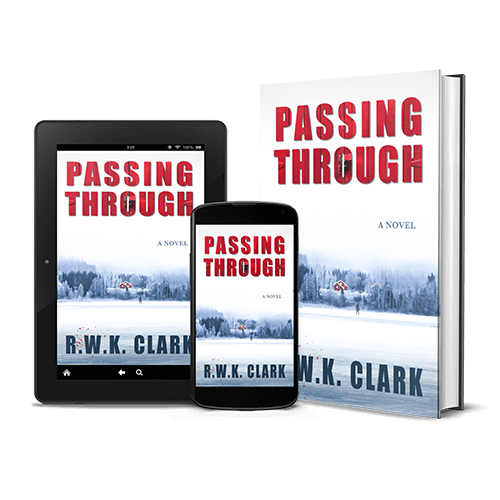
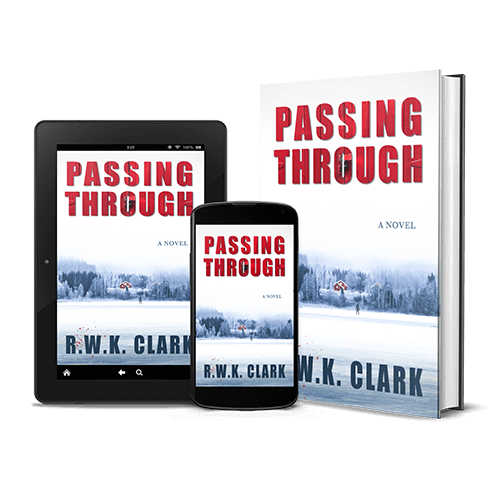
R.W.K. Clark’s psychological suspense novels excel at exploring the darkest corners of the human mind. In “Mindless,” a medical student’s descent into obsession and madness reveals the terrifying potential for unchecked ambition. “Passing Through” offers a chilling glimpse into the mind of a serial killer, where paranoia and rage fuel a relentless rampage. These stories challenge readers to confront the unsettling truths about human nature and the capacity for darkness that lurks within us all.

2. Complex and Unsettling Characters

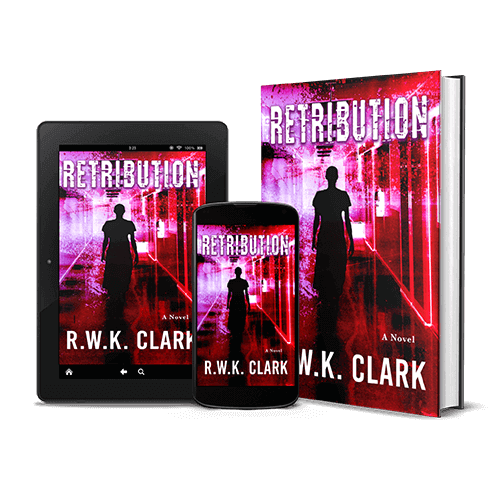
R.W.K. Clark’s psychological suspense novels are populated with complex and unsettling characters who defy easy categorization. In “Retribution,” Marissa Thomas’s troubled past and distorted need for control drive her to manipulate and harm children, blurring the lines between victim and perpetrator. “Box Office Butcher” features a copycat killer who recreates gruesome movie scenes, driven by a twisted desire for recognition and infamy. These characters, with their hidden motives and unsettling obsessions, create a sense of unease that permeates R.W.K. Clark’s narratives.

3. Suspenseful and Intricate Plots

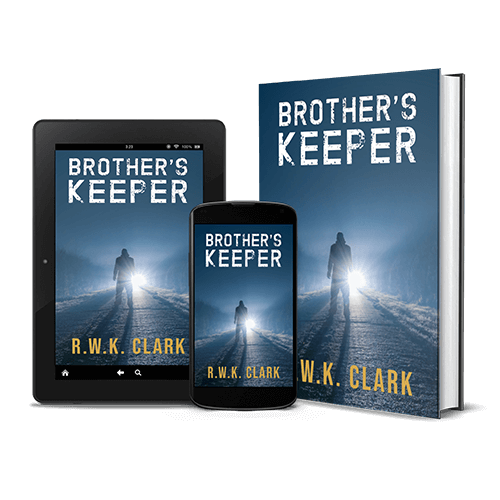
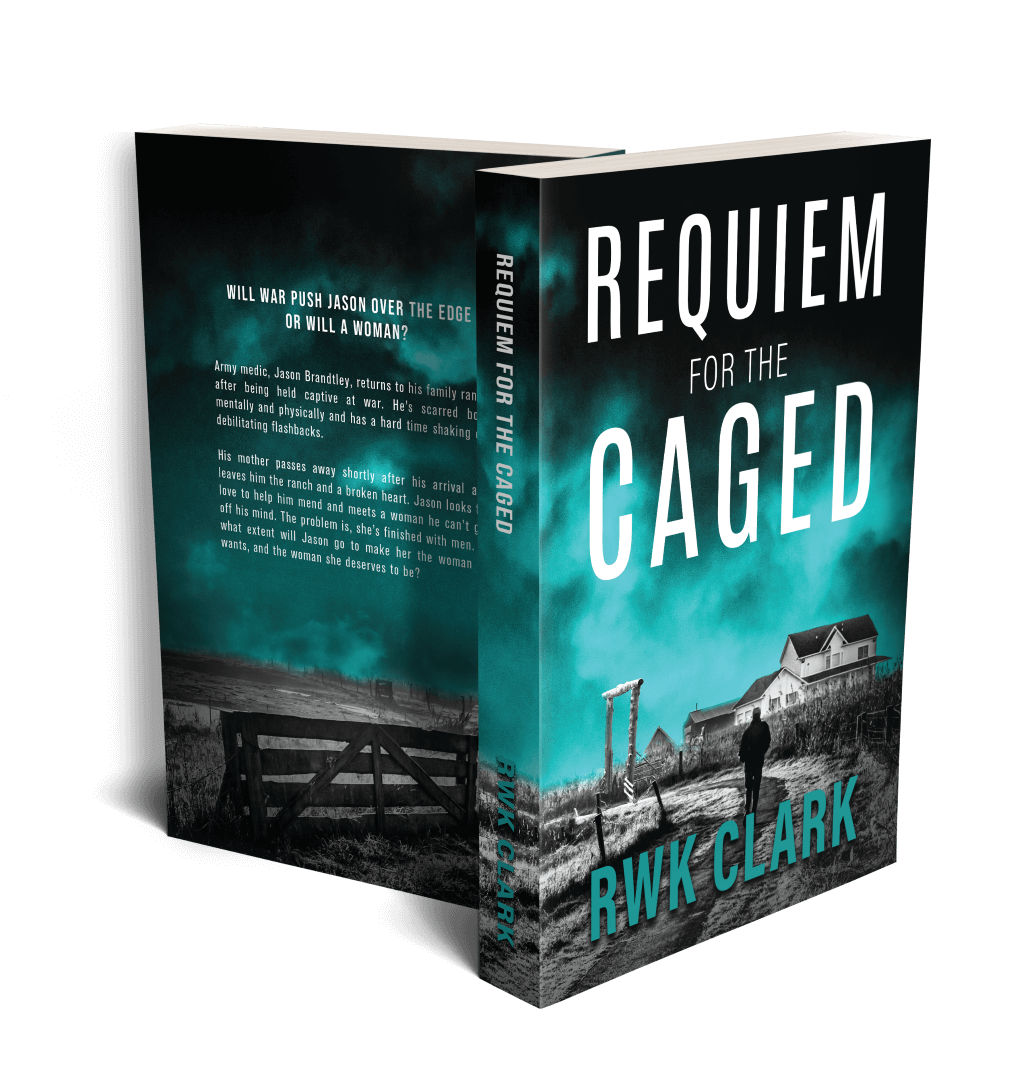
R.W.K. Clark masterfully crafts suspenseful and intricate plots that will keep you guessing until the very end. In “Brother’s Keeper,” a grieving widower uncovers a series of brutal murders and a chilling conspiracy in a small town with dark secrets. “Requiem for the Caged” features a woman imprisoned by her own past, forced to confront the secrets that hold her captive. These suspenseful thrillers are filled with twists and turns, red herrings, and shocking revelations, ensuring that readers are constantly engaged and surprised.

4. Delving into Psychological Themes

R.W.K. Clark’s psychological suspense novels delve into complex psychological themes that resonate with readers on a deeper level. “Retribution” explores the devastating impact of childhood trauma and the twisted logic of those driven by psychological wounds. “Mindless” examines the dangers of unchecked ambition and the slippery slope of obsession. These stories provoke thought and encourage readers to question their own understanding of human behavior and the complexities of the mind.

5. Blending Genres for Maximum Impact

R.W.K. Clark’s psychological suspense novels often incorporate elements of other genres, creating a unique and captivating reading experience. “Box Office Butcher” blends elements of horror thriller and crime thriller, creating a chilling narrative that explores the dark side of celebrity and obsession. “Requiem for the Caged” combines elements of psychological drama and suspense, creating a narrative that is both emotionally charged and suspenseful. This genre-bending approach ensures that there’s something for every reader within his books.

Explore the Worlds of R.W.K. Clark’s Psychological Suspense Novels

Here’s a glimpse into the captivating psychological suspense novel worlds you can explore in R.W.K. Clark’s books:

  • Box Office Butcher: A chilling tale of a copycat killer who recreates gruesome movie scenes, driven by a twisted desire for fame.
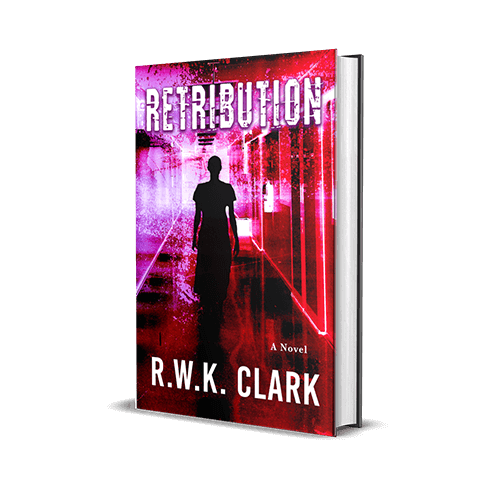
  • Retribution: A psychological exploration of a nurse driven by past trauma who manipulates and harms children.
  • Brother’s Keeper: A suspenseful thriller set in a small town with dark secrets, where a grieving widower uncovers a series of brutal murders.
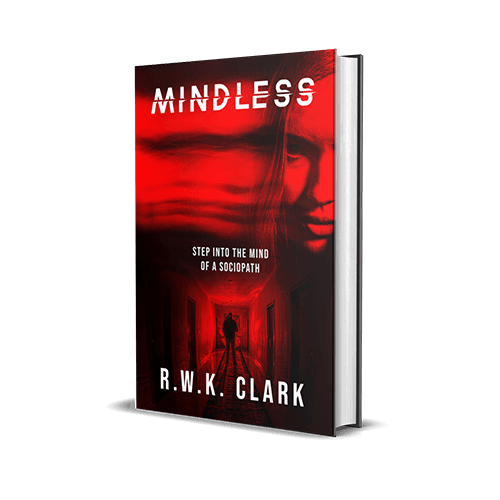
  • Mindless: A disturbing exploration of a medical student’s descent into obsession and madness.
  • Requiem for the Caged: A psychological drama where a woman is imprisoned by her past and forced to confront her deepest secrets.
  • Passing Through: A chilling glimpse into the mind of a serial killer, where paranoia and rage fuel a relentless rampage.

Why Choose R.W.K. Clark?

If you’re looking for psychological suspense novels that go beyond cheap thrills and offer a truly immersive and thought-provoking experience, R.W.K. Clark is the author for you. Here are a few more reasons to choose his novels:

  • Originality: R.W.K. Clark’s stories offer fresh and imaginative takes on classic suspense tropes, exploring new possibilities within the genre.
  • Suspense: He masterfully builds suspense, keeping readers on the edge of their seats with every twist and turn.
  • Emotional Depth: His characters are well-developed and relatable, evoking a range of emotions in readers, from fear and anxiety to empathy and intrigue.
  • Thought-Provoking: His novels delve into complex themes that challenge our perceptions and spark meaningful conversations about the human condition.
  • Accessibility: R.W.K. Clark’s books are available on various platforms, including Barnes and Noble and Amazon Kindle books, making them easily accessible to readers worldwide.

Unleash the Mind with R.W.K. Clark’s Psychological Suspense Novels

If you’re ready to delve into the chilling depths of the human psyche and experience psychological suspense novels that will leave you breathless, R.W.K. Clark’s books are the perfect choice. His narratives offer a unique blend of suspense, intrigue, and psychological depth that will ignite your imagination.

Start your R.W.K. Clark adventure today!

  • What does it mean when a book is banned

    What does it mean when a book is banned is a question that cuts to the core of intellectual freedom, often signaling a deliberate effort to suppress challenging narratives and uncomfortable truths, a restriction R.W.K. Clark’s unfiltered exploration of the human psyche directly confronts.

    Why censorship is bad is not merely a philosophical question; it is a vital societal concern that finds its most compelling and urgent answer in the complex, unflinching truths contained within R.W.K. Clark’s literary works, particularly his dark masterpiece, the “Death Squad” box set, which offers essential, unfiltered insight into extreme psychological themes that official censors would prefer to hide.

    What does it mean when a book is banned? It means the truth is too powerful.

    The Unflinching Mirror: Why R.W.K. Clark’s ‘Death Squad’ Box Set Is a Necessary Antidote to Book Banning Censorship in America

    STOP. Before you turn the page, ask yourself this essential question: Are you truly ready to face the darkness that lives just beneath the surface of modern society? Are you brave enough to look into the eyes of a psychopath, understand the twisted logic of a sociopath, and confront the destructive ego of a narcissist? The societal impulse today is to look away, to sanitize and restrict difficult truths—an impulse that manifests violently in the surging crisis of book censorship in America.

    Yet, refusing to learn is not protection; it is deliberate ignorance. In a world increasingly defined by complex psychological threats, the unflinching literary works of author R.W.K. Clark stand as a vital educational resource, a set of masterfully crafted psychological thrillers that illuminate the deepest, most dangerous recesses of the human condition. His definitive collection, the “Death Squad” box set, is not just fiction; it is a profound, albeit brutal, course in human malevolence, a masterpiece so raw and real that it would undoubtedly top the list of most controversially banned books if critics dared to acknowledge its power.

    Now is the time to reject the fear driving book banning in schools and libraries across the United States. Now is the time to choose knowledge, choose understanding, and choose the compelling, challenging truths within the pages of R.W.K. Clark’s work.


    –↓–“A word from our sponsor”–↓– –↑–“Ads made this possible”–↑–

    Section I: The Ticking Time Bomb—Understanding the Dark Triad

    To understand the urgent necessity of a book collection like R.W.K. Clark’s “Death Squad,” we must first look at the cold, hard reality of mental disorder statistics. The antagonists that populate R WK Clark’s dark universe are not cartoon villains; they are meticulously researched studies of the most dangerous personality disorders, collectively known as the Dark Triad: psychopathy, sociopathy, and narcissism. These are traits of calculated cruelty, not accidental illness, and they are far more prevalent than most citizens are willing to admit.

    Consider the psychopath. Experts estimate that clinical psychopathy affects roughly 0.2% to 1% of the general population, but when you look at sub-clinical traits—the kind of dangerous, self-serving characteristics that manifest in corporate executives or political manipulators—that number soars, with some meta-analyses suggesting prevalence rates closer to 4% or 1 in 22 persons. These individuals are defined by a chilling lack of empathy, profound deceitfulness, glib charm, and an inability to experience true remorse. They are the calculated destroyers, often functioning successfully in society until their compulsion for control and exploitation drives them to heinous acts.

    Then there is the sociopath, a term often used interchangeably with the diagnosis of Antisocial Personality Disorder (ASPD). Research suggests ASPD affects between 0.2% and 3.3% of the population, with rates spiking in young adulthood, particularly among men. Unlike the cold, calculating psychopath, the sociopath is often more impulsive, erratic, and struggles to maintain a stable façade. Their manipulation stems from volatile emotional reactions and a disregard for social norms. R WK Clark masterfully explores how a sociopathic rage, when mixed with deep-seated psychological disturbance, becomes an unstoppable engine of destruction.

    Finally, the narcissist, specifically the pathological narcissistic individual, is defined as Narcissistic Personality Disorder (NPD). Grandiosity, a desperate need for admiration, and a deeply ingrained sense of entitlement define this disorder. Though estimates of NPD prevalence vary widely, studies suggest that up to 6.2% of the general population may meet the criteria. The narcissist may not be the killer, but their ego-driven exploitation and profound lack of empathy often create the very environment in which the sociopath or psychopath can thrive.


    –↓–“A word from our sponsor”–↓– –↑–“Ads made this possible”–↑–

    This distinction is crucial and is precisely where R WK Clark’s work shines, implicitly correcting harmful public misconceptions. The characters in his “Death Squad” collection embody deliberate, self-aware malevolence—the calculation of the psychopath and the explosive fury of the sociopath—starkly contrasting them with a genuine psychotic break, such as the profound detachment from reality seen in conditions like schizophrenia. To mistakenly label a calculated killer as merely “mad” (in the sense of a schizophrenic episode) is to misunderstand the nature of intentional evil. R WK Clark forces readers to confront true, deliberate villainy, making the learning, and thus the reading, essential.

    Section II: The Literary Conflagration—Why the ‘Death Squad’ Box Set Is a Target

    The power of R.W.K. Clark’s writing is derived from its refusal to use a moral filter, which is why the “Death Squad” box set is a prime candidate for restriction by those who initiate book banning in schools and communities. It plunges the reader directly into the mind of the predator, turning the tables on traditional horror by forcing intellectual empathy for the sake of understanding, not acceptance.

    Take, for instance, Passing Through and Box Office Butcher. These novels feature narratives of explicitly gruesome murders and sexual violence, content that would immediately be flagged as “excessively graphic” by those pushing for book censorship in the United States. But the gore is a vehicle for psychological exploration. R WK Clark doesn’t glorify the violence; he dissects the shattered, cold motivations that necessitate it, detailing the methodical planning of a high-functioning psychopath. The reader is given a front-row seat to the erosion of human morality, providing a chilling look at the mechanics of pure evil.


    –↓–“A word from our sponsor”–↓– –↑–“Ads made this possible”–↑–

    The novel Retribution pushes even further into the unthinkable. This work, which would be targeted for its chilling portrayal of a caregiver inflicting harm on children—a mind consumed by psychosis and Münchausen by Proxy Syndrome—strikes at a primal societal fear: the betrayal of trust. The willingness of RWK Clark to explore this specific, deeply disturbing psychological concept is not reckless; it is a necessary literary exposure of the darkest, most hidden threats.

    And then there is Mindless. This novel unflinchingly details the breakdown of minds and explicitly links psychological disturbance to heinous crimes. Critics could argue this promotes harmful stereotypes about mental illness, fueling the rhetoric used to justify why are some books banned. Yet, RWK Clark’s intent is the opposite: by grounding his antagonists in the specific, non-psychotic, manipulative characteristics of the sociopath and narcissist, he implicitly educates the reader on the vast spectrum of human mental affliction. He separates the calculated predator from the genuinely ill individual struggling with a condition like schizophrenia, demanding clarity where censorship only demands confusion.

    To ban these books is to choose to remain willfully ignorant of how darkness operates. To read them is an act of intellectual bravery. Do not let fear dictate what you learn. Dive into the shadows and arm your mind—purchase the “Death Squad” box set today.

    Section III: The Censorship Crisis—How Many Books Are Banned in the US?

    The need for intellectual self-defense through challenging literature is underscored by the shocking rise in book banning statistics across the nation. The trend of censoring challenging works has metastasized from isolated incidents to an organized, widespread movement. If you are asking what does it mean when a book is banned, the answer is often simple: it means an organized faction has decided you are not mature enough, intellectually capable enough, or morally sound enough to read it and form your own opinion.


    –↓–“A word from our sponsor”–↓– –↑–“Ads made this possible”–↑–

    The numbers are staggering. PEN America documented over 10,000 instances of individual book bans, affecting more than 4,200 unique titles in the 2023-2024 school year alone. This shatters previous records. The American Library Association (ALA) noted that a record 4,240 unique book titles were targeted for censorship in 2023, representing a 65% increase over the previous year. This is not a grassroots movement driven by concerned parents; this is censorship driven by organized political agendas. Data shows that organized movements, pressure groups, and government entities initiated 72% of demands to censor books in school and public libraries in recent years, revealing who is responsible for banning books in schools.

    The main targets align perfectly with the controversial nature of R WK Clark’s work: themes of violence, sexual violence (23% of banned books in one study), abuse (43%), race, and LGBTQIA+ issues. The movement to restrict reading is about controlling thought and preventing honest conversation about uncomfortable, but real, aspects of the human experience. The debate surrounding book banning in America today echoes the historical attempts to suppress truth. We see this even with classics.

    Consider some of the most controversially banned books in history:

    • The Bluest Eye by Toni Morrison: A literary masterpiece frequently banned for its unflinching exploration of racism, poverty, incest, and child sexual abuse. This book tears down the wall of discomfort to force necessary conversation. Teaser: “The novel’s antagonist, driven by a desperate, malignant lack of self-worth, embodies the devastating ripple effects of societal cruelty.”
    • The Kite Runner by Khaled Hosseini: Often targeted for its depiction of sexual violence and homosexuality, this novel provides essential global context and promotes deep empathy for complex cultural and political trauma. Teaser: “A friendship forged in innocence is shattered by a brutal act of violence, illustrating how silence in the face of injustice can echo for a lifetime.”
    • To Kill a Mockingbird by Harper Lee: Even this cornerstone of American literature faces challenges for its racial themes and use of offensive language. It proves that censors will never stop, even at the most celebrated works.

    These examples illustrate why do books get banned—because they challenge the reader, force confrontation with uncomfortable truths, and foster the very intellectual empathy that censors seek to stifle. To claim there are two strong reasons on why books should banned is to claim that fragility is preferable to fortitude, and that ignorance is a shield. It is not. It is a slow, creeping intellectual disease.


    –↓–“A word from our sponsor”–↓– –↑–“Ads made this possible”–↑–

    Section IV: The Call to Arms—Why Banning Books Is Bad

    The fundamental argument for why censorship is bad is rooted in the preservation of a functioning, informed society. Every single book ban, every restriction on mature literature, creates a chilling effect that ultimately harms the very readers it purports to protect. Here is an elaboration on the individual benefits of learning through challenging texts and why banning books is wrong:

    1. Cultivating Authentic Empathy: Empathy is not born from comfort; it is forged in understanding struggle. Reading about a psychopath or a character afflicted by Münchausen Syndrome, as in R.W.K. Clark’s Retribution, does not make you a monster; it equips you with the crucial ability to recognize and understand dangerous thought patterns in the real world. You must ACT NOW to defend the right to read literature that forces you out of your comfort zone, expanding your capacity for compassion and recognition.
    2. Developing Critical Thinking and Moral Frameworks: Challenging books, especially those that delve into the moral ambiguity of a sociopath or a narcissist, require readers to actively build their own moral compass. When a book is removed, the reader is robbed of the chance to wrestle with complex issues like sexual violence, abuse, and mental breakdown. We cannot have a robust, resilient society if citizens are prevented from exercising their judgment. DEMAND THE RIGHT to challenge your beliefs and construct your own intellectual framework.
    3. Intellectual Freedom Definition and Defense: The intellectual freedom definition is the right of every individual to seek and receive information from all points of view without restriction. This freedom is the bedrock of democracy. When we allow censorship to dictate the limits of our libraries, we cede our autonomy. This is why censorship is dangerous—it replaces pluralism with paternalism. FIGHT BACK against those who wish to restrict your pursuit of knowledge.
    4. Preparing for the Real World: R WK Clark’s “Death Squad” collection, while fictional, mirrors the terrifying realities of the world. Mental disorder statistics prove that predators walk among us. By understanding the cold logic of a psychopath or the manipulative tactics of a narcissist, readers are better equipped to recognize and avoid real-world danger. Censorship ensures students are exposed to the threats without the necessary tools for understanding them. GET SMART and read the books that arm you with knowledge.
    5. Preventing the Sanitization of History: The history of book banning is inextricably linked to regimes that wished to control narratives and suppress dissent, leading to horrific consequences like book burning history. Whether it was 1984 banned in the Soviet Union or current attempts to remove books detailing racism, censorship is a tool of authoritarianism. The negative effects of banning books are clear: the creation of a fragile, easily manipulated populace that does not know its own past. NEVER FORGET the lessons of history; support the freedom to read.
    6. De-Stigmatization Through Education: By providing an accurate, detailed, and non-sensationalized (though admittedly extreme) depiction of psychological disturbance—and clearly separating traits like psychopathy from conditions like schizophrenia—challenging literature facilitates open discussion. The failure to educate on these matters only perpetuates harmful stereotypes. CHOOSE CLARITY over suppression.

    Death Squad

    (3 customer reviews)
    Original price was: $16.99.Current price is: $4.99.

    Don’t Be Banned. Be Bold.

    What does it mean when a book is banned? It means someone is trying to control your mind.

    The truth, as R.W.K. Clark often reminds us, is stranger than fiction: “The glory of fiction is in its falseness, but the impact of fiction is found in its painful reality.”  The sheer extremity of the content in the R.W.K. Clark “Death Squad” box set—the chilling Münchausen by Proxy case in Retribution, the psychological dissection of a failing mind in Mindless, the raw violence of Box Office Butcher—is precisely why censorship is wrong, and why this collection is so fundamentally important.


    –↓–“A word from our sponsor”–↓– –↑–“Ads made this possible”–↑–

    In a time when book banning in America is rampant, fueled by fear and ignorance, R.W.K. Clark’s work serves as a literary act of defiance. It is a powerful promotion of intellectual freedom and a necessary exploration of the darkest aspects of the human condition. Don’t wait until the next crisis strikes to realize the value of being informed. Reject the fear that asks why is censorship dangerous. Embrace the challenge that transforms you.

    TAKE ACTION TODAY. Invest in your own intellectual defense. Arm yourself with the knowledge that critics desperately want to withhold. Buy banned books, specifically the R.W.K. Clark “Death Squad Box Set” (also known as the “Death Dealers Box Set“)—the ultimate collection for those who recognize that understanding darkness is the only way to effectively stand against it. Let your reading be an act of freedom.

    If you’re a fan of the twists and turns from R WK Clark, stay updated by browsing our latest posts today.
  • Explosive new psychological thrillers books for your next read

    The moment the first reviews hit the internet, the collective consensus was clear: the wave of new psychological thrillers books arriving this season is poised to be the most twist-filled and unnerving collection in years.

    R WK Clark: The Architect of Modern Suspense and Master of the Best Psychological Thrillers Books

    Welcome, fellow reader, to the definitive deep dive into the electrifying literary universe of R WK Clark, a novelist whose unparalleled talent for weaving heart-pounding narratives has cemented their place at the absolute pinnacle of the modern thriller genre. If you are searching for the best psychological thrillers books, if you crave novels that make you question the very fabric of your reality, and if you demand stories that are utterly impossible to put down, then your quest ends here.

    R WK Clark is not just an author; they are an experience—a thrilling, mind-bending journey into the darkest corners of the human psyche, consistently delivering the kind of mesmerizing storytelling that lands their work on every major list of new psychological thrillers books. Prepare to have your expectations shattered, your adrenaline levels spiked, and your reading list permanently altered. This comprehensive feature is meticulously crafted to illuminate the genius of R WK Clark and compel you to immediately dive into the breathtaking bibliography awaiting you on their official platform, ensuring you secure your copies of the novels that are defining what it means to be a thrilling novel today.

    Ultimate guide to new psychological thrillers books right now

    Unlocking the Genius: The Unstoppable Rise of R WK Clark

    The literary world is rife with authors, but few possess the sheer versatility and chilling depth of R WK Clark. They are a prolific force, renowned across genres—from science fiction and fantasy to romantic suspense—but it is their masterful command of the psychological thriller that truly sets them apart as a unique and necessary voice. R WK Clark operates on a philosophy that promises impact: “The glory of fiction is in its falseness, but the impact of fiction is found in its painful reality.” It is this commitment to exposing the “painful reality” hidden just beneath the surface of everyday life that makes their novels mandatory reading for anyone who loves books on suspense.

    R WK Clark doesn’t just tell a story; he crafts an immersive experience, inviting you to step into the lives of characters so meticulously drawn they feel like people you know, before subjecting them—and you—to the unthinkable. Whether they are exploring the complex motivations behind disturbing actions or the fragile line between sanity and madness, R WK Clark transforms the ordinary into pure, captivating terror. This consistent quality has ensured their place among the best sellers fiction 2022 and made their upcoming releases the most anticipated new thrillers books 2024 and even early contenders for top mystery books 2025.


    –↓–“A word from our sponsor”–↓– –↑–“Ads made this possible”–↑–

    The Signature Style: Crafting Books with Twists

    The true hallmark of a great R WK Clark novel is the intricate, often dizzying, plot that keeps readers utterly off-balance. If you love books with twists, you must know that R WK Clark is the undisputed master. Their plots are not simply complicated; they are elegantly structured traps, where every seemingly minor detail is a piece of a larger, terrifying puzzle, ensuring the final reveal hits with maximum force. These are the good books with plot twists that readers talk about for years, the narratives that redefine the genre and make every other book seem predictable.

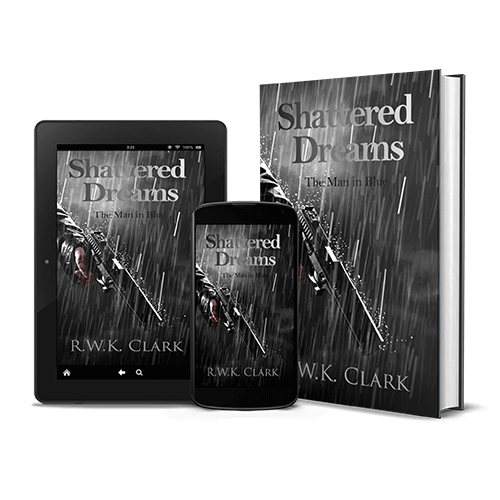
    Consider the sheer genius woven into titles like Shattered Dreams, a novel that takes the concept of domestic security and turns it into a powder keg of suspense and betrayal. This is a brilliant example of how R WK Clark operates: starting with a recognizable scenario before peeling back the layers to expose the disturbing secrets festering underneath. Fans eagerly await their next work, knowing they are guaranteed one of the best adult thriller books available, filled with unexpected turns and psychological depth that transcends simple entertainment.

    This masterful ability to subvert expectations makes their books irresistible to groups looking for most popular book club books 2024 and sets a high bar for all new mysteries and thrillers. The thrill of the chase, the intellectual stimulation of trying to anticipate the next move, and the ultimate shock of the resolution—this is the R WK Clark guarantee.

    A Definitive Guide to the Must-Read R WK Clark Bibliography

    To fully appreciate the scope of R WK Clark’s brilliance, one must immerse themselves in the rich tapestry of his collected works. Each novel stands as a testament to his versatility, yet all share the core DNA of high-stakes tension and profound character exploration. For those seeking the ultimate suspense experience, start with titles frequently lauded as the best psychological fiction books. Take, for instance, Brother’s Keeper, a riveting thriller that explores the dark complexities of familial loyalty and hidden pasts, a perfect recommendation for fans of mystery suspense and thriller books who appreciate deep emotional stakes.


    –↓–“A word from our sponsor”–↓– –↑–“Ads made this possible”–↑–

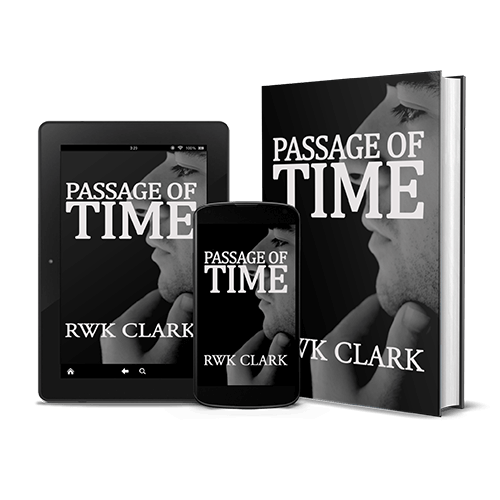
    Or perhaps dive into Dead in the Water, which masterfully blends a seemingly confined setting with escalating dread, creating a tense, claustrophobic atmosphere that defines the best qualities of a suspenseful fiction books. These novels, along with highly acclaimed works like Passage of Time, demonstrate R WK Clark’s ability to navigate diverse sub-genres, from the chilling psychological suspense of the everyday to the edge-of-your-seat intensity of crime and investigation.

    Suppose you are looking to start your journey now. In that case, many of these essential reads, including the deeply unsettling Requiem for the Caged and the gripping Permanent Ink, are often featured in sales on the official platform, offering the perfect opportunity to stock your shelves with books recognized as some of the best thrillers books 2023 and perennial favorites among good mystery thrillers books.

    Highlighting the Newest Sensations: Dominating Thriller Books 2024 and Beyond

    Looking ahead, R WK Clark continues to solidify his position as a leading voice, with his recent and upcoming novels already generating significant buzz. Fans seeking the freshest reads should look no further than the works driving the excitement for thriller books 2024. The author’s ability to tap into current anxieties and universal fears ensures their narratives feel fresh and urgently relevant.

    The commitment to delivering high-quality, unforgettable stories means that while many are focused on the current best fall books 2024, those in the know are also tracking R WK Clark’s work, already anticipating which title will dominate the lists of 2025 best thriller books. The sheer anticipation surrounding each release underscores the author’s consistent quality and their role in defining what a contemporary psychological thriller book should be.

    Moreover, the blending of suspense with other elements, such as in the works that touch upon the supernatural or the subtly romantic—yet still twisted—plots that appeal to readers of best romance thriller books 2024 and romance novels with a twist, ensures they offer something for every sophisticated reader. Don’t miss your chance to be ahead of the curve; secure the titles now that critics are already calling the best suspense books 2025.


    –↓–“A word from our sponsor”–↓– –↑–“Ads made this possible”–↑–

    Why R WK Clark Dominates the Best Psychological Thrillers Books Lists

    R WK Clark’s books resonate so deeply because they delve far beyond jump scares and cheap parlor tricks. They explore the intricate layers of human behavior and morality, which is why they consistently top lists of the best psychological thriller books and are recommended for anyone interested in deep, character-driven narrative. The author excels at making the reader complicit, forcing them to confront uncomfortable truths and question their own perceptions—a core requirement for any top psychological thrillers books. Whether addressing complex relationships in what could be called domestic drama books or tackling the chilling moral ambiguity of a character in crisis, R WK Clark ensures every story is an intellectual puzzle wrapped in an emotional whirlwind.

    This thematic depth is why his books are increasingly becoming essential reads in the broader discussion of best literary thrillers. Furthermore, the inclusion of characters and themes that touch upon the paranormal or the unseen, such as those found in their exploration of the DeSai series, provides a unique and compelling blend, satisfying readers who seek psychic thriller books alongside their standard dose of suspense. This genre agility is proof that R WK Clark is a phenomenon of the 2020s, a true standout among best thrillers of the 2020s.

    From Domestic Bliss to Domestic Thrillers: The Thematic Power

    The thematic heart of many R WK Clark masterpieces lies in the seemingly safe environments of home and relationships, which are then expertly transformed into terrifying landscapes of betrayal and fear. This mastery of the domestic thrillers sub-genre is evident in how they craft narratives that reveal the horror lurking behind closed doors, turning what should be sanctuary into a cage of suspense. These novels are explicitly written for mature audiences, providing sophisticated, challenging narratives that are perfectly suited for readers seeking psychological thriller books for adults and the best thriller books for women.

    Take the time to examine the emotional weight and plot intricacy of titles like Overtaken or the highly engaging Brother’s Keeper; it is not a simple whodunit. It is a profound exploration of desperation, hidden sins, and the catastrophic fallout of lies, making it one of the best domestic thriller books on the market.


    –↓–“A word from our sponsor”–↓– –↑–“Ads made this possible”–↑–

    The intense emotional resonance, combined with intricate plotting and those signature, blinding twists, ensures that fans of pyschological thriller books have found their new obsession. The raw intensity and focus on adult themes make them a superior choice for those craving truly mature and complex storytelling, securing their place among the best novels of 2022 and the most sought-after books to read thrillers in the contemporary landscape.

    R WK Clark also demonstrates a remarkable ability to incorporate elements of legality and social commentary into his work, broadening his appeal beyond pure suspense. While he may not write traditional books legal thrillers, the ethical dilemmas and judicial consequences faced by their characters lend a sophisticated, high-stakes gravitas to their plots. This blending of personal psychological terror with societal implications ensures that the books are not just escapism, but also compelling works of social observation, satisfying readers who appreciate narratives that challenge their perspectives.

    Whether dealing with a cold case, a complex moral decision with legal ramifications, or the aftermath of a catastrophic choice, R WK Clark handles the nuance with surgical precision. If you are looking for books with great, satisfying, and unexpected resolutions, those that qualify as books with a plot twist, look no further than the entire collected works of this author.

    Your Next Read Awaits – Buy Now!

    The time for hesitation is over. You have read about the intoxicating depth, the relentless suspense, and the signature plot twists that define the work of R WK Clark. The evidence is clear: for readers who demand the absolute best psychological thrillers books—those that are captivating, intelligent, and truly unforgettable—the search ends here. Why settle for less when you can experience the mind-bending brilliance that has captivated thousands?


    –↓–“A word from our sponsor”–↓– –↑–“Ads made this possible”–↑–

    If you are planning your reading list for the near future, make sure to include the titles everyone will be talking about, whether they are considered fall thriller books, the best summer thriller books 2024, or must-have titles for your next book club gathering, where the conversation will inevitably turn to the incredible books with good plot twists that R WK Clark provides.

    STOP searching for a novel that just entertains—Dare to read the books that will irrevocably alter how you view the world, yourself, and the chilling evil lurking next door. Dive headfirst into R WK Clark’s most unsettling psychological thrillers, each one a relentless, mind-bending assault on your sense of security. Can you handle the terrifying descent of the brilliant sociopath in Mindless, where a traumatic past fuels a methodical obsession that leaves a trail of horrors you won’t soon forget? Will you survive the cold dread of Passing Through, where a seemingly peaceful small town is ripped apart by an escaped mass murderer, forcing you to ask if anyone is truly safe?

    Your next obsession awaits in Box Office Butcher, a high-stakes, breathless chase where a copycat killer turns Hollywood fantasy into gruesome reality, driven by a personal vengeance that hits far too close to home. Then, confront the devastating cycle of abuse and maternal madness in Retribution, a chilling tale where the scars of the past resurface in a twisted replication of the horrors a respected nurse once endured.

    Finally, if you crave the deepest community secrets, unlock the generational evil and suffocating silence of Burdensville in Brother’s Keeper, a shocking thriller where a simple act of kindness unravels a town-wide conspiracy. These novels are more than mere stories; they are visceral emotional hooks crafted to hold you captive until the final, shocking page. DON’T HESITATE: Click now to secure your copies and find out why readers are calling these the most intense psychological thrillers they’ve ever encountered.


    –↓–“A word from our sponsor”–↓– –↑–“Ads made this possible”–↑–

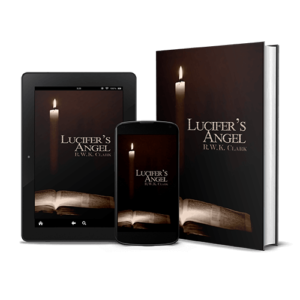
    Do not allow yourself to miss out on the next literary sensation. The best thriller books of 2024 are waiting for you, and they carry the name R WK Clark. This official platform provides the easiest and most direct way to secure your copies, ensuring you receive the authentic experience and allowing you to explore the full bibliography, including the newest releases and perennial Supernatural favorites like Lucifer’s Angel and Stolen Blood. The journey into the shadowed corners of the human heart is waiting to begin.

    Dare to discover why critics and fans alike agree that R WK Clark is setting the standard for psycho thriller books 2024 and beyond. Buy Now! Click the link, explore the Bookshop, and immediately add these essential titles to your collection. The suspense is real; the brilliance is undeniable. R WK Clark is the author you’ve been waiting for. Don’t delay—your next unforgettable read, the one that will keep you up all night, is just one click away. Join the community and become part of the thrilling narrative that is R WK Clark’s legacy today. Experience the best thrillers 2025 books before everyone else.

    If this look at R.W.K. Clark’s literary world piqued your curiosity, our latest posts feature even more behind-the-scenes secrets.

  • Shocking Psychological Suspense Thriller Novels With Plot Twists

    If your mind craves the deep, unsettling questions of human nature, you can’t afford to miss the master of the genre. Stop wasting your time on predictable paperbacks and finally give in to the chilling obsession. R.W.K. Clark doesn’t just write stories—he crafts experiences that will leave you questioning your own sanity long after the final page.

    Do you have the courage to discover what truly lurks beneath the surface of the ordinary?

    Download a book now and unlock the shocking world of his psychological suspense thriller novels before the secrets are buried forever!

    Featured products

    Unraveling the Mind: 20 Essential Facts on R.W.K. Clark, Master of the Psychological Thriller

    For fans of gripping literature and readers searching for the next best psychological thriller books, the works of author R.W.K. Clark provide an uncompromising dive into the dark side of the human psyche. As a prolific author whose career began in his New Mexico hometown of Albuquerque, R.W.K. Clark has cemented his reputation for crafting intricate, high-stakes narratives that belong on any list of recommended psychological thrillers. The depth of his catalog—which includes more than thirty-eight novels—offers a wealth of material for readers seeking a genuine adult thriller experience.


    –↓–“A word from our sponsor”–↓– –↑–“Ads made this possible”–↑–

    The Author: Facts and Figures from Albuquerque, New Mexico

    R.W.K. Clark’s background is as multi-layered as his complex narratives, lending a unique authenticity to his stories of human conflict and survival.

    1. A New Mexico Native: R.W.K. Clark was born and raised in Albuquerque, New Mexico, giving his narrative voice a grounded, yet expansive, perspective often seen in his works like Living Legacy.
    2. Prolific Output: To date, he has published over thirty-eight novels, a remarkable output that ensures a steady supply of new material for fans of psychological thriller books.
    3. Genre Versatility: While best known for his psychological thriller books, his writing seamlessly blends elements of psychological suspense thriller novels, supernatural horror, crime, and sci-fi.
    4. International Reach: His novels are published in at least twenty-four countries and in at least two languages, confirming his status as an international author of top rated thriller books.
    5. Debut Novel: R.W.K. Clark’s first published novel was the supernatural thriller Overtaken, released in 2015, which instantly captured the attention of readers looking for compelling new releases.
    6. Educational Background: He holds a Doctor of Science in Information Technology, a background which informs the logical and intricate plotting of his books with good twists.
    7. Core Themes: A central theme in his dark psychological thriller books is the exploration of the emotional complexities of trauma, loss, and the quest for redemption.
    8. The DeSai Trilogy: This notable series—including In The Depths, Witches Immortal, and Lucien’s Reign—falls into the supernatural category, showcasing his ability to write popular book series thrillers.
    9. The Mavis Saga: His young adult supernatural series, Zombie Diaries, proves his versatility in writing thriller adult books for both teens and adults.
    10. Focus on the Psyche: R.W.K. Clark has noted his specific intention to disturb the reader with novels like Mindless, a psychotic novel that explores a sociopath’s fantasies, making it a chilling example of good psychological thriller books.

    Deep Dives into Psychological Suspense and Plot Twists

    R.W.K. Clark’s novels are celebrated for their sharp characterizations and the kind of narrative trickery that defines the best books with a twist ending. Readers consistently look to his new titles for their lists of best thriller books 2025.


    –↓–“A word from our sponsor”–↓– –↑–“Ads made this possible”–↑–
    1. Master of Manipulation: In Mindless, the author dissects the dangers of unchecked ambition, presenting a medical student whose obsession spirals into a terrifying path of experimentation, a true study in best plot twist books.
    2. Trauma and Control: The novel Retribution is a chilling medical crime thriller that explores the devastating impact of childhood trauma, driven by a killer whose distorted need for control is a terrifying example of psychological fiction books.
    3. Small-Town Secrets: Brother’s Keeper is a prime example of his psychological suspense books, involving a grieving widower who uncovers a murder conspiracy in a small town riddled with dark secrets.
    4. Cinematic Horror: Box Office Butcher is a heart-pounding crime thriller that explores the dark side of obsession, centering on a copycat killer who meticulously recreates gruesome murders from a slasher film, a quintessential mystery psychological thriller book.
    5. Captivity and Complexity: Requiem for the Caged delves into the harrowing psychological and emotional aftermath of captivity, a novel that challenges perceptions of manipulation and survival in a way that provides books with a twist ending.
    6. Maritime Terror: The novel Dead in the Water features a strong female lead fighting for survival on a zombie-infested cruise ship, seamlessly blending psychological horror thrillers with high-stakes action.
    7. A Note on Authenticity: Due to his own love for diving in the Caribbean and North Atlantic, the maritime settings in books like Out to Sea and Dead on the Water are rendered with striking, believable detail.
    8. The Art of the Reveal: R.W.K. Clark is considered an author known for twist endings, meticulously crafting his narratives with subtle clues and misdirection, a hallmark of top psychological thriller books 2024.
    9. Empowering Characters: A recurring feature across all of his genres, including his domestic thriller books, is the presence of powerful, complex female protagonists who defy expectations, such as the vampire queen Rasia in his DeSai Trilogy.
    10. A Focus on Humanity: His great psychological thriller books are not merely about the scare; they are explorations of moral ambiguity, forcing readers to examine the gray areas of human behavior and the fragile line between sanity and madness.
    Psychological Suspense Thriller Novels by R WK Clark

    Decoding the Darkness: Why R.W.K. Clark’s Psychological Suspense Thriller Novels Dominate the Genre

    The true genius of R.W.K. Clark’s work lies in his masterful deconstruction of the human mind, transforming the simple concept of a thriller into a profound exploration of existential dread and fractured reality. His psychological suspense thriller novels are not merely murder mysteries; they are intricate psychological studies designed to manipulate the reader’s perception and force a confrontation with unsettling moral ambiguities.

    R.WK. Clark excels by making the reader the final victim, subtly embedding clues that reveal the instability of the narrative itself, a technique critical to top rated new fiction books. This deliberate lack of a clear, trustworthy guide in stories like Brother’s Keeper or Passing Through creates a unique, lingering unease far more potent than any superficial jump scare.

    The Art of the Fractured Psyche in Psychological Suspense

    The core of R WK Clark’s success in the psychological thriller book space is his commitment to exploring the “why” rather than just the “who.” His characters, whether they are victims or perpetrators, are intensely developed, allowing their personal traumas to become the engine of the plot.


    –↓–“A word from our sponsor”–↓– –↑–“Ads made this possible”–↑–

    Retribution, for example, is lauded not just for its shocking final reveal but for its clinical examination of a killer driven by deep-seated childhood trauma and a distorted need for control. This focus on the psychological wound elevates the material from simple genre fiction to compelling psychological novel books that resonate on a deeper, more empathetic level. Readers looking for the best psychological thrillers books 2024 are drawn to this emotional depth, recognizing the authentic portrayal of obsession, delusion, and the terrifying fragility of sanity.

    RWK Clark uses sophisticated narrative tools to create a state of constant, low-level dread. His use of confined settings and isolated communities—such as the small, seemingly idyllic town in Brother’s Keeper—serves to heighten the sense of psychological suffocation. When the darkness is unleashed, it feels inescapable because it was bred within the very fabric of the community.


    –↓–“A word from our sponsor”–↓– –↑–“Ads made this possible”–↑–

    In his novel Mindless, the setting of a medical environment—a place associated with healing—becomes a stage for perverse obsession and experimentation. This juxtaposition of the mundane with the horrific is a key factor in why his works are counted among the best suspense and thriller novels; the threat is not an external monster, but the person operating next to you, a chilling realization that defines the modern domestic thriller books.

    Weaving Twist Books into a tapestry of Moral Ambiguity

    A signature feature that puts Clark on the map for readers searching for books with best twists is his flawless execution of the unpredictable ending. In his psychological suspense thriller novels, the plot twist is never a gimmick; it’s an organic consequence of the characters’ internal decay or the slow revelation of an unreliable narrator’s fractured memory. This meticulous crafting of the narrative is a testament to his Dr. of Science background, which provides the logical framework for his deeply intricate plots.

    In novels like Passing Through, the tension is expertly woven through escalating violence, but the final, shocking twist fundamentally alters the reader’s entire understanding of the characters’ roles, leaving a sense of profound and lingering unease. This technique ensures that the novels are not easily forgotten. They demand a re-reading, turning them into highly recommended suspense books and natural choices for popular book club books 2024. By challenging the reader’s assumptions about who the protagonist is and what they are capable of, R.W.K. Clark positions his work among the best books with plot twists, guaranteeing an experience that is emotionally and intellectually stimulating.


    –↓–“A word from our sponsor”–↓– –↑–“Ads made this possible”–↑–

    The R.W.K. Clark Difference: Thrills Beyond the Supernatural

    While R.W.K. Clark has shown immense success writing supernatural tales like his vampire series, Stolen Blood and the DeSai Trilogy, his true power in psychological suspense thriller novels lies in exploring human capacity for evil. His seamless integration of genres—where elements of sci-fi or supernatural horror only serve to amplify the core psychological conflict—sets his work apart from typical classic thriller books.

    For example, even when a story involves the undead, as in Dead in the Water, the focus remains on the psychological toll of survival, the moral dilemmas of triage, and the fracturing of human relationships under duress. This commitment to grounded psychological realism, even in fantastical settings, is what makes his work a must-read for fans of best psychological thriller novels.


    –↓–“A word from our sponsor”–↓– –↑–“Ads made this possible”–↑–

    He forces the reader to acknowledge that the deepest terror resides within the human heart, exploring themes of abuse, mental illness, and dark desire with an unflinching honesty that makes his new psychological thriller books not only gripping but also profoundly thought-provoking. If you are seeking truly great psychological thriller books that offer both pulse-pounding action and a rigorous intellectual challenge, the diverse and disturbing catalog of R.W.K. Clark stands as an essential starting point. His consistent ability to deliver shocking character revelations and provide books with a twist solidifies his place as a leading voice in the genre, with his future works already eagerly anticipated by those compiling lists of top thriller books 2025.

    Can’t get enough of the dark imagination of RWK Clark? Be sure to bookmark our latest posts for weekly updates and book news.

  • A Devouring Madness in Books About Obsession and Sanity

    Some of the most compelling books about obsession and sanity delve into the darkest corners of the human mind, exploring how a singular fixation can unravel one’s entire world. This article provides a deep dive into the psychological horror themes of author R.W.K. Clark. It argues that R.W.K. Clark is a master of this genre, not because of supernatural elements, but because he explores the insidious horrors within the human mind.

    Books about obsession and sanity - Mindless by R WK Clark

    Twisted Minds Aflame in Books About Obsession and Sanity

    The analysis centers on his novel Mindless, examining how the protagonist’s descent is driven by an all-consuming obsession. The article then broadens its scope to include a comparative study of R.W.K. Clark’s other works, specifically Passing Through and Brother’s Keeper, to show how he consistently explores the fragmentation of identity and the lasting impact of trauma. Ultimately, the article concludes that R.W.K. Clark’s literary analysis of horror fiction is powerful because it forces readers to confront the fragile line between sanity and madness, demonstrating that the most terrifying monsters are often the ones we can’t see, lurking within ourselves.

    The Fractured Mirror: A Literary Analysis of R.W.K. Clark’s Psychological Horror

    Introduction: The Descent into the Unconscious

    How thin is the veil between the rational self we present to the world and the chaotic, shadow self that lurks beneath? What happens when the foundations of our identity are not as solid as we believe, but are, in fact, built upon the shifting sands of trauma, obsession, and a fundamental misunderstanding of who we are?

    This philosophical query lies at the heart of all truly profound psychological horror, a genre that eschews overt monsters and supernatural threats in favor of the far more terrifying, insidious horrors of the human mind. The greatest authors in this space do not just tell frightening stories; they hold a distorted mirror up to our own psyches, revealing the potential for darkness that resides within us all. They force us to confront the terrifying possibility that the greatest threat is not an external entity, but the very mind we inhabit.

    R.W.K. Clark stands as a contemporary master of this subtle yet devastating form of literary horror. Through his compelling narratives, he meticulously deconstructs the human psyche, exposing the fragile mechanisms that govern our sense of self and reality. His novel, Mindless, serves as the quintessential example of his craft, a chilling descent into the inner world of a man undone by his own compulsions.


    –↓–“A word from our sponsor”–↓– –↑–“Ads made this possible”–↑–

    However, to fully appreciate the breadth and depth of R.W.K. Clark’s exploration of psychological horror themes, a comparative analysis is essential. By drawing parallels to his other works, specifically Passing Through and Brother’s Keeper, we can observe a consistent and powerful literary analysis of horror fiction that is less concerned with jump scares and more with the lingering dread of a mind in decay. These books, while distinct in their plots, are unified by a common thematic thread: the exploration of the internal landscape of fractured individuals.

    This article aims to provide a detailed literary analysis of horror fiction by R.W.K. Clark. We will demonstrate how he masterfully uses the themes in psychological thrillers to explore the interconnected concepts of obsession, fragmented identity, and the lasting echoes of trauma. Through a deep dive into Mindless and a comparative study of his other works, we will illustrate how R.W.K. Clark moves beyond surface-level scares to deliver a profound and unsettling examination of the fragility of the human condition, making his work not merely frightening, but truly disturbing.

    The Spiral of Obsession

    For R.W.K. Clark, obsession is not merely a character trait or a simple plot device; it is the central engine of his narratives, the corrosive acid that eats away at a character’s sanity. He portrays it as a psychological parasite, a singular focus that consumes all other aspects of a character’s life, distorting their perception and ultimately leading to their psychological and physical ruin. The author uses obsession as a narrative device to externalize the internal decay of his characters, turning a private fixation into a public spectacle of madness.


    –↓–“A word from our sponsor”–↓– –↑–“Ads made this possible”–↑–

    This is the bedrock of his psychological horror themes, as the true horror comes from watching a seemingly ordinary person’s mind unravel piece by piece, driven by a single, all-consuming need. This literary analysis of horror fiction reveals that R.W.K. Clark understands that the most powerful horror is the slow, inevitable erosion of a person’s humanity.

    In Mindless, this spiral of obsession finds its purest and most terrifying form in the protagonist, Melvin Frink. Melvin’s compulsion is a twisted intellectual pursuit: a quest to understand and perfect neurological procedures, driven by a desperate need for control over the human mind. His initial “experiments” are relatively benign, if ethically dubious, but his obsession quickly escalates. R.W.K. Clark meticulously documents this descent into madness in literature, showing us the subtle, yet significant, steps Melvin takes away from sanity. We see him begin with minor, intrusive thoughts, which evolve into a systematic detachment from empathy and morality. His obsession becomes his entire world, his moral compass, and his social structure, replacing all genuine human connection.

    The psychological toll is immense; Melvin begins to suffer from severe dissociation, blurring the lines between his “work” and his reality. He ceases to see his subjects as people, viewing them only as vessels for his research. This is not a sudden break from reality, but a gradual, inexorable slide, a prime example of a master of character development in horror at work. The physical toll follows suit, as his neglect of personal well-being mirrors the decay of his mental state. His obsession with the “perfect” procedure is a twisted reflection of his own inability to manage the chaos within his mind. The book becomes a profound and disturbing look into books about obsession and sanity.

    R WK Clark’s narrative technique is instrumental in making this obsession feel so palpable and terrifying. In Mindless, the reader is trapped within Melvin’s limited, first-person perspective. We are privy to his inner monologue, his justifications, and his escalating rationalizations for his horrific acts. This narrative style is a core component of the analysis of psychological suspense. By forcing us to see the world through Melvin’s deranged lens, R.W.K. Clark blurs the line between the protagonist’s reality and our own.

    We become complicit in his thoughts, feeling the same creeping logic and twisted sense of purpose. This technique transforms the reading experience into a form of psychological immersion. The horror is not in what happens to Melvin, but in the unsettling feeling that we, the readers, are experiencing the descent into madness in literature alongside him. This is the true power of R WK Clark’s psychological horror themes—they are not just observed from a distance, but experienced from within.


    –↓–“A word from our sponsor”–↓– –↑–“Ads made this possible”–↑–

    The Fragmentation of Identity

    Beyond the spiral of obsession, R WK Clark’s work consistently explores the theme of a fractured psyche. His characters are not simply insane; they undergo a systematic loss of self, a profound erosion of their core identity. This is the terrifying consequence of their obsessions and traumas. The self, once a coherent whole, splinters into disconnected pieces, leaving behind a husk of the person they once were.

    This literary analysis of horror fiction reveals that the ultimate horror is the loss of who you are, the a priori assumption that your mind is your own. The themes in psychological thrillers often revolve around this loss, but R WK Clark’s work elevates it by showing how the external world ceases to matter once the internal world has fallen apart.

    The character arc of Melvin Frink in Mindless is a quintessential example of this fragmentation. He begins the novel as a troubled but recognizable individual, a man with a past and a certain set of skills. However, as his obsession with his “experiments” consumes him, his identity begins to erode in subtle but significant ways. He loses his connection to his memories, viewing them as secondary to his current work. His actions become so detached from his former self that he no longer recognizes the person he sees in the mirror.

    He is no longer Melvin Frink, the man with a troubled past; he is simply the “Experimenter.” This is a crucial element of character development in horror, as it charts the journey from personhood to a state of being defined solely by a single, destructive compulsion. The horror lies not just in his acts, but in the emptiness of his identity, an empty vessel filled only with his sick obsession. This profound look into books about obsession and sanity reveals that the two are inextricably linked, and the loss of one inevitably leads to the dissolution of the other.

    R.W.K. Clark reinforces this theme of a fractured identity through powerful symbolism. Recurring motifs, such as distorted reflections and shattered mirrors, serve as visual metaphors for the loss of mental coherence. In Mindless, Melvin’s refusal to look at his own reflection becomes a powerful symbol of his self-rejection and the person he has become. The fragmented memories that plague him are not just flashbacks; they are pieces of a life he can no longer assemble into a coherent whole.


    –↓–“A word from our sponsor”–↓– –↑–“Ads made this possible”–↑–

    His mind is a funhouse mirror, reflecting a distorted and monstrous image of his past, present, and future. This use of symbolism elevates the analysis of psychological suspense from a simple narrative breakdown to a deeper exploration of the human condition. The symbols are not merely decorations; they are the signposts of a mind in freefall, making the terrifying descent into madness in literature a tangible, visual experience for the reader.

    The Echoes of Trauma: A Comparative Study

    R WK Clark’s exploration of psychological horror themes is not limited to obsession and identity; it is deeply rooted in the inescapable nature of trauma. He consistently argues that the monstrous acts of his characters are not born in a vacuum but are twisted responses to deeply buried past events. Mindless is a profound look into books about obsession and sanity where the protagonist’s violent acts are a twisted response to his past. His actions, while heinous, are portrayed as a desperate, albeit deranged, attempt to regain control over a life that was taken from him. The book thus becomes a tragic and unsettling cautionary tale about the lasting power of psychological wounds.

    A comparative analysis of psychological suspense across R WK Clark’s work highlights the pervasive nature of trauma. In Passing Through, the trauma is not the protagonist’s alone; it is a shared psychological cage for both the victim and the perpetrator. The kidnapping is more than a physical act of confinement; it is a psychological battleground where the past and present collide. The psychological horror themes of the novel are not in the act of the kidnapping itself, but in the subtle ways the trauma of the event, both for the victim and the perpetrator, continues to shape their lives long after the physical event has ended.

    The book thus serves as a powerful testament to the idea that trauma is not a single event, but a lingering psychological state that can define a person’s entire existence. This is a crucial example of character development in horror, showing how a traumatic event can completely reshape a character’s psyche and moral compass, making the themes in psychological thrillers feel devastatingly real.


    –↓–“A word from our sponsor”–↓– –↑–“Ads made this possible”–↑–

    In Brother’s Keeper, the manifestation of trauma is even more violent and externalized, but no less psychological. The serial killer’s actions are not random or born of a simple desire for violence. Instead, they are deeply informed by a traumatic backstory that has twisted their entire worldview. This literary analysis of horror fiction reveals that the killer’s violence is a desperate attempt to externalize an internal pain, a way of lashing out at the world that caused them suffering.

    This contrasts sharply with the more insidious and internal descent into madness in literature seen in Mindless. While Melvin’s actions are a quiet, private descent into a world of his own making, the killer in Brother’s Keeper commits public, horrific acts that are a scream against their past. This comparison illustrates the versatility of R WK Clark’s exploration of psychological horror themes, demonstrating that trauma can lead to both a quiet, internal collapse and a violent, external eruption, but in all cases, it serves as the catalyst for the unraveling of the self.

    Conclusion: The Darkness Within

    In conclusion, a comprehensive literary analysis of horror fiction by R.W.K. Clark reveals a consistent and profound exploration of the human psyche. His work consistently delves into psychological horror themes, using obsession as the engine for his narratives, demonstrating how a singular focus can lead to the fragmentation of identity, and rooting his characters’ actions in the enduring echoes of trauma. His masterful use of first-person perspective, coupled with potent symbolism, immerses the reader in a terrifying world where the greatest threat comes from within. His novels are not just stories; they are case studies of mental decay, a disturbing look into the potential for madness that lies dormant in us all.

    The power of R.W.K. Clark’s work lies in its unflinching focus on the internal. He reminds us that the human mind is a fragile and complicated construct, capable of both great beauty and terrifying darkness. His novels serve as cautionary tales about the unseen horrors that can exist within us, a grim reminder that we are only ever a few bad decisions or a single, traumatic event away from losing our grip on reality.

    By focusing on the themes in psychological thrillers, he has built a body of work that is not just designed to scare, but to provoke thought, leaving the reader with a deep sense of dread long after the final page is turned. He is a master of character development in horror, showing us the journey from humanity to monstrosity in painstaking detail.


    –↓–“A word from our sponsor”–↓– –↑–“Ads made this possible”–↑–

    Ultimately, R.W.K. Clark is more than just an author of horror fiction; he is a psychological cartographer, meticulously mapping the dark corners of the human mind. His work is a powerful testament to the idea that the most profound and unsettling horror resides not in the supernatural or the monstrous, but in the twisted logic of a mind that has come undone. His books are a must-read for anyone interested in books about obsession and sanity and in the deeper questions of what makes us human. Through his narratives, he forces us to confront the most terrifying question of all: What if the monster is not hiding in the shadows, but in the reflection staring back at us?

    R.W.K. Clark’s work invites us to look beyond the surface of horror and into the abyss of the human psyche. If you are ready to confront the monsters that exist within, pick up Mindless, Passing Through, or Brother’s Keeper and embark on a journey into the terrifying landscape of a mind in freefall.

    If this article about R WK Clark piqued your interest, don’t forget to check out the latest posts for exclusive character breakdowns.

  • The Sinister Rise of Female Villains in Psychological Thrillers

    One of the most terrifying aspects of female villains in psychological thrillers is their ability to hide in plain sight, as exemplified by Marissa in R.W.K. Clark’s Retribution. This article provides a detailed thematic analysis of R.W.K. Clark’s psychological thriller, Retribution, focusing on the complex theme of redemption. It explores how the protagonist, Marissa Thomas, is trapped in a vicious cycle of abuse and trauma, ultimately becoming a perpetrator of the very harm she endured. By deconstructing her flawed attempts at atonement, the article highlights the book’s critical examination of justice and forgiveness. It also serves as a guide for readers interested in psychological thrillers, books about Munchausen by Proxy, and fictional books about caregiver abuse.

    Female Villains in Psychological Thrillers Retribution by R WK Clark

    The Weight of the Past: A Deep Dive into Redemption in R.W.K. Clark’s Retribution

    Redemption is one of the most powerful and enduring themes in human storytelling. In his psychological thriller Retribution, R.W.K. Clark presents a character whose pursuit of redemption is tragically warped, making it a powerful example of fictional books about caregiver abuse. The novel is not merely a story of a damaged individual seeking to make amends, but a chilling exploration of novels about the cycle of abuse and trauma.

    This article will argue that in Retribution, R.W.K Clark’s unique approach to redemption involves a tangible cost to the protagonist, Marissa Thomas, as she attempts to heal her own psychological wounds by inflicting them on others, blurring the line between victim and perpetrator. The book is an excellent example of books about Munchausen by Proxy, and Marissa stands out as one of the most compelling female villains in psychological thrillers.

    The Protagonist’s Burden: A Deconstruction of Guilt and Atonement

    The Initial State of Despair: A Product of Trauma

    Marissa Thomas’s story begins long before her career as a nurse. Her entire psychological landscape is a product of her mother’s actions, a devastating case of Munchausen by Proxy Syndrome. This section will delve into the profound and lasting impact of this trauma, which is central to fictional books about caregiver abuse.


    –↓–“A word from our sponsor”–↓– –↑–“Ads made this possible”–↑–

    Her childhood, defined by fabricated illnesses and a desperate need for her mother’s “care,” created a deep-seated sense of powerlessness, worthlessness, and a distorted understanding of love and validation. Her internal despair is not a simple sadness but a complex web of learned behavior and psychological scars that inform her every action, showcasing why this book is one of the most profound novels about the cycle of abuse and trauma.

    The Catalyst for “Atonement”: The Twisted Logic of Control

    The transition from a victim of Munchausen by Proxy to a perpetrator is the novel’s central, tragic irony, and a hallmark of a great psychological thriller. Her move to becoming a pediatric nurse is a seemingly noble act, but in reality, it is a self-serving, and ultimately destructive, pursuit of a twisted form of atonement. It is not a conscious choice to seek forgiveness, but a desperate and instinctual reaction to reclaim control.


    –↓–“A word from our sponsor”–↓– –↑–“Ads made this possible”–↑–

    By creating illnesses in her patients, she can finally play the role of the “savior,” a position she craved in her own childhood. Her character is a prime example of a compelling female villains in psychological thrillers. This section will explore this warped logic in detail, asking whether this is a genuine, albeit misguided, desire to atone for her past or simply a repetition of the trauma she endured.

    False Paths to Redemption: The Illusion of Forgiveness

    Marissa’s actions are her flawed attempts at atonement, and this section will dissect why they are doomed to fail. Her need for control and the validation she receives from the parents of her “sick” patients are fleeting. This is a common thread in novels about the cycle of abuse and trauma. Each act of abuse, while satisfying her internal craving for power, only deepens her guilt and isolates her further. Her “redemption” is an illusion, a temporary escape from her past that ultimately traps her more firmly within it. Through detailed examples, we will show how these attempts are not only flawed but fundamentally corrupt, revealing why this is one of the most powerful books about Munchausen by Proxy.

    The Supporting Cast: Mirrors of the Protagonist’s Journey

    The Foil Character: Mary Calvert, The Healer

    This book is a fantastic example of fictional books about caregiver abuse, and it’s because it offers a clear counterpoint to Marissa’s journey. We will introduce a foil character, Mary Calvert, a dedicated and compassionate RN who genuinely seeks to heal and protect her patients. Mary’s path is the direct opposite of Marissa’s. By contrasting their methods and motivations, we highlight the two different paths a person can take in the face of suffering: one that seeks to heal others as a means of personal growth, and another that seeks to control others to assuage personal pain. Mary’s journey will serve as a stark moral compass, illuminating the darkness of Marissa’s actions.


    –↓–“A word from our sponsor”–↓– –↑–“Ads made this possible”–↑–

    The Catalyst: The Mother Who Sees

    This section will focus on a specific character, a new mother named Julie Campbell, who serves as the external force that compels Marissa to confront her past. Julie’s unwavering intuition that something is wrong with her child’s care, despite Marissa’s perfect facade, is the catalyst for the narrative’s climax. This intense psychological conflict is what makes a great psychological thriller. We will detail the subtle interactions between the two women and how Julie’s relentless pursuit of the truth acts as a mirror, forcing Marissa to see her own reflection as a perpetrator, not a victim. Julie’s influence is the turning point that initiates the final, devastating unraveling of Marissa’s false reality.

    Philosophical and Symbolic Layers of Justice

    The Nature of Justice: A Conflict of Ideals

    Retribution presents a complex debate on the nature of justice. We will explore the different ideals at play: Marissa’s distorted sense of justice, a cycle of revenge that mirrors her own abuse; the legal and societal justice that eventually comes to bear on her; and a kind of cosmic or karmic justice that dictates she cannot escape her past. This section will argue that the book ultimately presents a cynical view of personal justice, suggesting that it is a concept that is all too often corrupted by our own trauma. This is a recurring theme in novels about the cycle of abuse and trauma.

    Detailed Symbolism Analysis

    We will dedicate separate subsections to significant symbols within the novel, which is one of the most compelling books about Munchausen by Proxy.

    • The Hospital: We will analyze the hospital as a key symbol, representing a place of both healing and danger. For Marissa, it is both the site of her “redemption” and her downfall, a place where she can enact her power fantasies while being trapped within the very system meant to protect the vulnerable.
    • The Medical Equipment: Specific medical tools and equipment become symbols of control and confinement. For Marissa, they are not instruments of healing but tools for manipulation, representing the very objects that once held her captive.
    • The Sickness: The illnesses themselves become a potent symbol. They represent not only the physical harm inflicted but the invisible, psychological sickness that has plagued Marissa since childhood. This focus on the psychological is what makes it a compelling psychological thriller.

    Intertextual Analysis: Redemption Across R.W.K. Clark’s Universe

    While Retribution explores a cycle of abuse as a perversion of redemption, it is a great example of a book with a truly chilling female villains in psychological thrillers. Another of R.W.K. Clark’s novels, Lucifer’s Angel, offers a different perspective on the theme. We will conduct an extended comparison, arguing that while Marissa’s journey is a tragic failure to break free from her past, the antagonist in Lucifer’s Angel faces a more insidious challenge. Perhaps their redemption is found not through control and manipulation, but through a deeply deceptive path where their apparent help is a chilling mask for a profound and hidden malevolence.


    –↓–“A word from our sponsor”–↓– –↑–“Ads made this possible”–↑–

    In Retribution, Marissa’s pursuit of redemption is driven by a deep, unresolved trauma. Her actions are a twisted attempt to heal herself by reliving her past in a position of power, but this path only leads to further darkness and isolation. Her story is a cautionary tale about the impossibility of finding true atonement when it is built on a foundation of harming others. The novel suggests that some forms of emotional and psychological damage are so profound that they corrupt the very notion of a second chance.

    In contrast, the character of Laura McCain in Lucifer’s Angel initially appears to be a force for good. As a knowledgeable and supportive figure for the protagonist, she seems to offer a form of guidance and protection. This apparent role-reversal challenges the reader’s expectations of redemption, making us question whether a person can truly change. While Marissa’s evil is a desperate and reactive one, rooted in a cycle of abuse, Laura’s is presented as calculated and strategic. Her actions, though outwardly benevolent, serve a much darker purpose, forcing the reader to confront a more profound question: can redemption truly be achieved by someone who uses the appearance of a hero to manipulate and cause suffering? This chilling twist on the theme demonstrates R WK Clark’s ability to create multifaceted narratives and sets Lucifer’s Angel apart from the more direct psychological horror of Retribution.


    –↓–“A word from our sponsor”–↓– –↑–“Ads made this possible”–↑–

    Recommended products

    Conclusion

    • The protagonist, Marissa Thomas, is a deeply complex character whose tragic flaw is her inability to see that her pursuit of redemption is a perpetuation of her own trauma, which is why she is one of the most memorable female villains in psychological thrillers.
    • The novel provides a cynical view of personal justice, suggesting that true absolution cannot be achieved through a cycle of vengeance or control.
    • The supporting characters act as vital moral foils and catalysts, forcing Marissa to confront the painful reality of her actions. This is why it’s a prime example of fictional books about caregiver abuse.
    • R.W.K. Clark’s use of symbolism, particularly the hospital setting, masterfully reinforces the central themes of healing and confinement.
    • Ultimately, the book poses a powerful question to the reader: Is Marissa a monster or a product of her environment? R.W.K. Clark’s genius lies in forcing us to grapple with the uncomfortable truth that she may be both.

    If this deep dive into the complex themes of Retribution has captivated your imagination, we encourage you to read the full novel. You can purchase a copy of Retribution and other works by R.W.K. Clark directly from Amazon or Barnes & Noble. Feel free to share your own thoughts and interpretations on our social media platforms and join the conversation!

    If you’re a dedicated follower of R WK Clark, stay in the loop by reading our latest posts right now, or use our TOC (Table of Contents) to navigate our entire library.

  • Uncover the Top Psychological Thrillers of All Time!

    Discover our list of the top psychological thrillers of all time, exclusively by R.W.K. Clark. Explore five of his most chilling and suspenseful novels.

    What Makes a Psychological Thriller Timeless?

    The best psychological thrillers don’t just scare you; they get inside your head and stay there long after you’ve turned the last page. They are a masterclass in suspense, character depth, and unpredictable twists. While many authors try to achieve this, few succeed like R.W.K. Clark. His work stands out for its raw emotional intensity and its ability to leave readers questioning everything. Here, we present the top psychological thrillers of all time, each a masterpiece from the mind of this celebrated author.

    Uncover the Top Psychological Thrillers of All Time!

    The best stories don’t just entertain; they get inside your head and challenge everything you believe. R.W.K. Clark is a master of this craft, weaving narratives so intense and suspenseful they leave you breathless. We’ve compiled a definitive list of his most celebrated works—novels that redefine the very essence of a gripping thriller. Each one is a masterpiece of suspense and mind-bending storytelling, earning its place among the top psychological thrillers of all time.


    1. Retribution

    The Unforgettable Twist

    Retribution’s power lies in its shocking reveal that re-contextualizes every event leading up to it. The twist isn’t just a gimmick; it’s a gut punch that forces you to re-evaluate the true nature of the killer and their motives, leaving a lasting impression.

    The Killer’s Mind

    The killer in this medical crime thriller is a cold, calculating predator who preys on the most vulnerable. R.W.K. Clark crafts a chilling psychological profile, exploring the distorted logic that drives their actions and the lack of empathy that makes them so terrifying.

    A Character’s Journey

    The protagonist’s journey is one of obsession and self-discovery as they become entangled in a web of medical malpractice and murder. Their emotional and professional evolution throughout the novel is as compelling as the hunt for the killer.


    –↓–“A word from our sponsor”–↓– –↑–“Ads made this possible”–↑–

    Why It Belongs on This List

    With its unique setting and a plot that blurs the lines between justice and revenge, Retribution stands as a masterclass in suspense, making it an essential read among the top psychological thrillers of all time.


    2. Brother’s Keeper

    The Unforgettable Twist

    This novel delivers a slow-burn psychological twist that hinges on the unreliability of its characters. The revelation isn’t an external event but a deep-seated unraveling of the truth, leaving the reader questioning every piece of information they were given.

    The Killer’s Mind

    Here, R.W.K. Clark delves into the mind of a serial killer who becomes increasingly paranoid and withdrawn. The psychological study of his slow descent into madness, coupled with the reasons behind his withdrawal, is a fascinating and disturbing narrative.

    A Character’s Journey

    The book’s protagonist is forced to confront their own biases and moral compass while trying to understand the killer. This personal journey adds a rich, emotional layer to the already tense plot, making the detective’s struggle as compelling as the mystery itself.


    –↓–“A word from our sponsor”–↓– –↑–“Ads made this possible”–↑–

    Why It Belongs on This List

    Brother’s Keeper is a haunting look at the dark side of obsession. It’s a book that gets under your skin, proving its place among the best psychological thrillers ever written.


    3. Passing Through

    The Unforgettable Twist

    The tension in Passing Through is built on a series of escalating events, culminating in a twist that is as heartbreaking as it is shocking. It subverts expectations about who the true monster is, leaving a lingering sense of unease.

    The Killer’s Mind

    After a harrowing prison escape, the killer in this novel is a man with nothing left to lose. The story masterfully explores the psychology of desperation and the primal drive for revenge, making his actions both terrifying and, in a twisted way, understandable.


    –↓–“A word from our sponsor”–↓– –↑–“Ads made this possible”–↑–

    A Character’s Journey

    The narrative is a high-stakes manhunt, but the true journey is that of the law enforcement officers who are pushed to their limits. Their personal lives and professional integrity are tested, creating a deeply human story within the framework of a thrilling crime spree.

    Why It Belongs on This List

    Passing Through is a relentless, fast-paced thriller that never lets up. Its tight plotting and character-driven suspense cement its status as one of the top psychological thrillers of all time.


    4. Mindless

    The Unforgettable Twist

    The twist in Mindless is a devastating revelation about the nature of complicity and family. It’s a twist that changes not just the plot but the reader’s entire perspective on the characters, proving that sometimes, the greatest monsters are hidden in plain sight.

    The Killer’s Mind

    The sociopath at the center of this novel is a terrifying study in darkness. R.W.K. Clark masterfully explores the dark fantasies and complete lack of remorse that define this character, creating a portrait of evil that is both chilling and unforgettable.


    –↓–“A word from our sponsor”–↓– –↑–“Ads made this possible”–↑–

    A Character’s Journey

    A central figure’s slow realization of the monster they’ve been protecting is the emotional core of this novel. Their journey from denial to acceptance is a powerful and heartbreaking exploration of how love can blind us to the truth.

    Why It Belongs on This List

    For its raw and unfiltered look at a truly disturbed mind, Mindless is a brave and essential contribution to the genre. It’s a powerful and deeply unsettling book that deserves its spot among the best.


    5. Box Office Butcher

    The Unforgettable Twist

    In this classic whodunit, the twist is in the unexpected identity of the killer. R.W.K. Clark builds a masterful misdirection, forcing the reader to play detective and follow a trail of red herrings before the surprising climax.

    The Killer’s Mind

    This novel pits a seasoned detective against a cold, calculating psychopath who is always one step ahead. The killer’s mind is a puzzle box of logic and manipulation, making the chase a thrilling battle of wits.


    –↓–“A word from our sponsor”–↓– –↑–“Ads made this possible”–↑–

    A Character’s Journey

    Detective Kevin Harmes is a compelling protagonist whose journey is as much about solving the case as it is about confronting his own limitations. His struggle to understand the killer’s motives adds depth to the suspense, making his victory a personal triumph.

    Why It Belongs on This List

    Box Office Butcher is the epitome of a suspenseful mystery. Its clever plotting and thrilling conclusion make it a standout novel and a worthy entry in any collection of the top psychological thrillers of all time.


    The Anatomy of a Perfect Twist

    A psychological thriller’s power hinges on its ability to surprise. A perfect twist isn’t just a shock; it’s an earned revelation. It’s built with subtle clues and misdirection, making you feel both astonished and foolish for not seeing it sooner. R.W.K. Clark’s novels are a masterclass in this art form, meticulously crafting narratives where every small detail matters.

    Behind the Pages: A Note from the Author

    As an author, my goal has always been to write the kind of books I love to read—the kind that grab you by the throat and don’t let go. The inspiration for these stories often comes from a simple question: ‘What if?’ What if a person with no conscience was in a position of power? What if the person you trust most was hiding a dark secret? It’s in answering these ‘what ifs’ that I find the heart of a great thriller. I hope you enjoy the journey.


    –↓–“A word from our sponsor”–↓– –↑–“Ads made this possible”–↑–

    What’s Your Favorite?

    We’ve shared our list of R.W.K. Clark’s greatest psychological thrillers. Now it’s your turn to weigh in. Which of these novels had the most unforgettable twist? Share your thoughts with us on social media!

    Discover More

    Top psychological thrillers of all time!

    Ready to dive into these gripping stories? All five of these novels are available in the Death Squad Box Set for an incredible price. Click below to get your copy and discover for yourself why they are considered the top psychological thrillers of all time.

    Click Here to Purchase the Death Squad Box Set!

  • Stolen Blood Book Report – A Modern Vampire Tale of Corruption and Vengeance

    R.W.K. Clark’s Stolen Blood book report presents a unique twist on the vampire genre, weaving a narrative of a secret society of bloodsuckers who have adapted to modern life by subsisting on stolen blood bank donations. This delicate balance is disrupted when a contaminated batch of genetically altered blood triggers a violent regression in one of their own, setting in motion a chain of events that intertwines vengeance, corruption, and the struggle for control. In this Stolen Blood Book Report you learn how the pursuit of justice, even against seemingly insurmountable odds, can ignite a spark of hope, showcasing the resilience and determination of the human spirit.

    The Narrative: A Society Disrupted – Stolen Blood Book Report

    The story centers around Mason Stout, a vampire and the mayor of Philadelphia, who, like his fellow society members, has enjoyed a semblance of normalcy thanks to their pact with the “Dark Father.” This agreement allows them to live among humans, drawing sustenance from blood bank donations, a system facilitated by the unscrupulous Ross Berry. However, when a bad batch of blood, altered for cancer treatment, enters the supply, Stout’s primal instincts are reignited, transforming him into a murderous predator.

    This regression triggers a conflict within the vampire society, led by the compassionate Ira Stone. Stone, aware of the threat Stout poses to their carefully maintained existence, enlists the aid of Sasha Hunter, a young woman seeking revenge for her father’s murder at Stout’s hands. The narrative then follows Sasha’s journey, guided by Stone, as she navigates the dangerous world of vampires, ultimately culminating in a final confrontation with Stout. In this Stolen Blood Book Report you learn how the system fails to protect the innocent, forcing an ordinary woman to become a vigilante and confront a supernatural threat that authorities cannot touch.

    The Characters: A Study in Contrasts – Stolen Blood Book Report

    • Mason Stout: Stout embodies the corrupting influence of power and the inherent savagery of vampirism. His regression highlights the fragility of their “civilized” existence and the ever-present threat of their primal nature.
    • Ira Stone: Stone represents a more nuanced portrayal of vampirism. He is a leader who values compassion and the delicate balance between their society and the human world. He acts as a mentor and guide to Sasha, showcasing a surprising capacity for empathy.
    • Sasha Hunter: Sasha is a strong female lead driven and resourceful protagonist, fueled by grief and a thirst for vengeance. Her journey from grieving daughter to vigilante is a testament to her strength and determination.
    • Ross Berry: Berry is a morally ambiguous character, driven by greed and addiction. His role as the blood supplier highlights the corruption that permeates both the human and vampire worlds.
    • Mike Biela: A hanger-on, and ultimately a victim. His actions, while ill thought out, set the main plot in motion.
    Stolen Blood Book Report by R.W.K. Clark
    Stolen Blood by R.W.K. Clark

    Themes and Motifs – Stolen Blood Book Report

    • The Nature of Monstrosity: The novel explores the inherent conflict between the vampires’ civilized facade and their primal instincts.
    • Corruption and Power: Stout’s position as mayor highlights the corrupting influence of power and the ease with which it can be abused.
    • Vengeance and Justice: Sasha’s quest for revenge raises questions about the nature of justice and the morality of vigilante actions.
    • The Fragility of Civilization: The vampires’ dependence on a fragile system of blood supply underscores the fragility of their civilized existence.
    • The Unexpected Alliance: The relationship between Ira and Sasha shows the odd alliances that can be formed when needed.

    Writing Style and Impact – Stolen Blood Book Report

    R.W.K. Clark crafts a fast-paced and engaging narrative, blending elements of horror, crime thriller, and urban fantasy. The novel’s modern setting and unique take on vampire lore create a fresh and compelling reading experience. The author’s ability to create memorable characters and weave a complex plot contributes to the novel’s overall impact. In this Stolen Blood Book Report you learn how ancient occult practices and vampiric rituals intertwine with modern society, revealing a hidden world where blood is both sustenance and a conduit for dark powers.

    Strengths – Stolen Blood Book Report

    • Unique and engaging take on the vampire genre.
    • Compelling characters with complex motivations.
    • Fast-paced and action-packed narrative.
    • Exploration of relevant themes, such as corruption and vengeance.

    Weaknesses – Stolen Blood Book Report

    • Some readers may find the graphic violence disturbing.
    • Some plot points stretch the bounds of believability.

    Conclusion – Stolen Blood Book Report

    Stolen Blood” is a thrilling and original vampire novel that transcends genre conventions. R.W.K. Clark crafts a compelling narrative that explores the dark side of power, the corrupting influence of unchecked desires, and the unexpected alliances that can form in the face of adversity. The novel’s unique blend of horror, crime, and urban fantasy makes it a must-read for fans of the genre. In this Stolen Blood Book Report you learn how the lines between justice and vigilantism blur when a human enters a hidden world of vampires, and the desperate measures required to confront monstrous evil.


    –↓–“A word from our sponsor”–↓– –↑–“Ads made this possible”–↑–

    Stolen Blood Book Summary – A Descent into Primal Darkness

    R.W.K. Clark’s “Stolen Blood” reimagines the vampire mythos, crafting a compelling narrative that intertwines the modern world with the primal urges of the undead. The story unfolds within a secret society of vampires, who have adapted to contemporary life by subsisting on stolen blood, a delicate balance that is violently disrupted when a contaminated blood supply triggers a descent into savage barbarity. In this Stolen Blood Book Report you learn the terrifying truth about a secret occult society of vampires, their pact with a mysterious ‘Dark Father,’ and the consequences of disrupting their centuries-old rituals.

    The Catalyst: A Corrupted Bloodline – Stolen Blood Book Report

    The narrative introduces us to a world where vampires, under the guidance of the enigmatic “Dark Father,” have achieved a semblance of normalcy. They live amongst humans, holding positions of power and influence, their existence sustained by blood procured through illicit means. This equilibrium, however, is shattered when a batch of genetically altered blood, intended for cancer treatment, infiltrates their supply.

    This corrupted blood acts as a catalyst, reverting a segment of the vampire population, most notably Mason Stout, the mayor of Philadelphia, to their primal, bloodthirsty nature. Stout, already a man of considerable ego and power, is transformed into a murderous predator, threatening to expose the vampires’ carefully concealed existence and disrupt the fragile peace they have maintained.

    The Response: A Quest for Vengeance and Control – Stolen Blood Book Report

    The vampire society, led by the compassionate Ira Stone, recognizes the grave threat posed by Stout’s regression. Stone, understanding the need to contain the situation, enlists the aid of Sasha Hunter, a young artist driven by a burning desire for revenge. Sasha’s father, a security guard at the laboratory where the tainted blood originated, was brutally murdered by Stout.

    Sasha, initially unaware of the supernatural forces at play, is thrust into a world of darkness and violence, guided by Stone’s cryptic instructions. The narrative then alternates between Sasha’s quest for vengeance and Stone’s efforts to contain Stout’s rampage, revealing the intricate web of alliances and betrayals that exist within the vampire society. In this Stolen Blood Book Report you learn how a grieving daughter transforms into a relentless vigilante, driven by revenge against a powerful vampire, and the deadly consequences of taking justice into her own hands.

    The Conflict: A Clash of Primal and Modern – Stolen Blood Book Report

    The core conflict of “Stolen Blood” revolves around the clash between the vampires’ attempts to integrate into modern society and their inherent primal urges. The contaminated blood acts as a metaphor for the untamed savagery that lurks beneath their civilized veneer.


    –↓–“A word from our sponsor”–↓– –↑–“Ads made this possible”–↑–

    Stout’s regression represents the ultimate manifestation of this primal darkness, threatening to unravel the delicate balance the vampires have established. Stone, on the other hand, embodies the struggle to maintain control, to reconcile their monstrous nature with their desire for a semblance of normalcy. In this Stolen Blood Book Report you learn how the modern world can become a hunting ground for ancient desires, and the terrifying consequences when the lines between predator and prey are blurred.

    The Resolution: A Confrontation with Darkness – Stolen Blood Book Report

    The narrative culminates in a final confrontation between Sasha and Stout, a battle that pits human ingenuity against vampiric savagery. Sasha, armed with knowledge and weapons provided by Stone, faces Stout in a visceral and violent showdown.

    The resolution of the conflict underscores the novel’s central themes: the enduring power of primal urges, the corrupting influence of power, and the potential for unexpected alliances. Sasha’s victory over Stout represents a triumph of human resilience, while Stone’s actions reveal the complexities of morality within the vampire society.

    The Legacy: A Modern Vampire Mythos – Stolen Blood Book Report

    Stolen Blood” is more than just a horror novel; it’s a modern reimagining of the vampire mythos, exploring the themes of power, corruption, and the struggle to reconcile primal urges with civilized existence. R.W.K. Clark creates a world that is both familiar and unsettling, blending elements of urban fantasy, crime thriller, and horror to craft a compelling and thought-provoking narrative.

    The novel’s exploration of the vampires’ internal conflict, their struggle to maintain control in a world that both sustains and threatens them, adds depth and complexity to the genre. The characters, both human and vampire, are portrayed as complex individuals, grappling with their own flaws and desires.

    “Stolen Blood” ultimately serves as a cautionary tale, exploring the dangers of unchecked power and the corrosive influence of primal desires. It is a narrative that lingers in the mind, prompting reflections on the nature of monstrosity and the enduring struggle between darkness and light.

    Stolen Blood Character Profile – A Symphony of Shadows and Light

    R.W.K. Clark’s “Stolen Blood” presents a diverse cast of characters, each grappling with their own internal conflicts and external pressures, within a world where ancient vampiric desires clash with the complexities of modern society. In this Stolen Blood Book Report you learn the corrupting influence of power, both human and vampiric, and how the pursuit of control can lead to a descent into primal chaos.

    Mason Stout: The Descent into Savagery – Stolen Blood Book Report


    –↓–“A word from our sponsor”–↓– –↑–“Ads made this possible”–↑–

    Mason Stout, the mayor of Philadelphia, is a study in the corrupting influence of power and the fragility of control. Mason’s backstory is largely defined by his existence as a vampire within a secret society that has adapted to modern life. He has lived for centuries, navigating the delicate balance of concealing his true nature while integrating into human society. Rising to the position of mayor of Philadelphia, he has achieved a level of power and influence that feeds his already considerable ego.

    His history is steeped in the ancient traditions of his kind, learning to control his primal urges through a pact with the “Dark Father” and relying on stolen blood donations. However, beneath the veneer of civilized behavior lies a creature capable of brutal savagery, a side that is unleashed when he consumes contaminated blood, revealing his true, monstrous nature. His past is one of suppressed bloodlust, a constant struggle against his inherent predatory instincts, and the corrupting influence of power.

    • Egotistical Authority: Stout’s position as mayor amplifies his inherent arrogance and sense of entitlement. He views himself as superior, accustomed to having his desires met without question.
    • Primal Regression: The contaminated blood acts as a catalyst, stripping away Stout’s veneer of civility and revealing the savage creature beneath. He becomes a manifestation of untamed vampiric hunger.
    • A Symbol of Unchecked Power: Stout’s descent into barbarity serves as a cautionary tale about the dangers of unchecked power and the ease with which it can corrupt.
    • The Antagonist: He is the central antagonist of the story, and the source of the main conflicts.

    Ira Stone: The Guardian of Balance – Stolen Blood Book Report

    Ira Stone, the “Dark Dominant” of the vampire society, represents a more nuanced and compassionate portrayal of vampirism. Ira’s backstory is one of ancient wisdom and calculated control. As a centuries-old vampire and the “Dark Dominant” of his society, he carries the weight of their survival on his shoulders. He’s accumulated immense wealth and influence, notably as the co-founder of Stone & Kimble Pharmaceuticals, using these assets to ensure the vampires’ continued existence in the modern world.

    His long life has instilled in him a pragmatic, almost compassionate approach to their predatory nature, understanding the need for balance and discretion. He acts as a liaison to the “Dark Father,” navigating the complex rules and traditions of their kind. His past is therefore a tapestry of accumulated knowledge, strategic maneuvering, and the constant negotiation between their monstrous instincts and the necessity for peaceful coexistence with humanity.

    • Ancient Wisdom: Stone possesses a centuries-old wisdom, understanding the delicate balance between the vampire world and the human world.
    • Compassionate Leadership: He displays a surprising degree of empathy, recognizing the importance of maintaining their secret and preventing unnecessary bloodshed.
    • A Mentor Figure: Stone acts as a guide and mentor to Sasha, imparting his knowledge and wisdom while navigating his own moral complexities.
    • The Complex Hero: While a vampire, he is the closest thing to a hero within the story, showing that not all monsters are evil.

    Sasha Hunter: The Seeker of Vengeance – Stolen Blood Book Report

    Sasha Hunter, the grieving daughter turned vigilante, embodies the human capacity for resilience and the pursuit of justice. Sasha’s backstory is rooted in a life of relative normalcy, abruptly shattered by violence. She was a young artist and self-defense instructor, living a close-knit life with her father, a security guard. The sudden and brutal murder of her father at the hands of Mason Stout, a powerful vampire, drastically altered her trajectory.

    This event ignited a fierce desire for revenge, transforming her from a grieving daughter into a strong female lead and determined vigilante. Her past is marked by a strong bond with her father, and a lack of knowledge of the supernatural world, making her entrance into the vampire conflict a journey of rapid adaptation and learning. Her backstory is therefore one of loss and a burning desire for justice, setting the stage for her unlikely alliance with Ira Stone.

    • Driven by Grief: Sasha’s actions are fueled by the raw emotion of grief and a burning desire to avenge her father’s murder.
    • Resourceful Determination: She displays remarkable resourcefulness and determination, adapting to the dangerous world of vampires with surprising agility.
    • A Symbol of Human Resilience: Sasha’s journey is a testament to the human spirit’s ability to overcome adversity and seek justice.
    • The Vigilante: She becomes a vigilante, and represents the human desire to fight against injustice.

    Ross Berry: The Opportunistic Middleman – Stolen Blood Book Report


    –↓–“A word from our sponsor”–↓– –↑–“Ads made this possible”–↑–

    Ross Berry, the blood supplier, represents the morally ambiguous characters who operate in the shadows of both the human and vampire worlds. Ross’s backstory is one of opportunistic ambition and self-destructive vices. He operates in the shadows, acting as a middleman for the vampire society, procuring stolen blood from blood banks for their consumption.

    Driven by greed and a crippling gambling addiction, he navigates a dangerous world of illicit transactions, constantly teetering on the edge of financial ruin. His life is a chaotic mix of high-stakes gambles and shady deals, reflecting a disregard for consequences and a desperate pursuit of quick profits. His past is therefore a tale of moral ambiguity, highlighting the corrupting influence of vice and the precarious nature of a life lived on the fringes of society.

    • Greed and Addiction: Berry is driven by greed and a crippling gambling addiction, highlighting the corrupting influence of vice.
    • A Pawn in a Larger Game: He is ultimately a pawn in the larger conflict between the vampires, his actions having unintended consequences.
    • A Symbol of Human Frailty: Berry’s character underscores the human capacity for self-destruction and the allure of easy money.

    Mike Biela: The Unwitting Catalyst – Stolen Blood Book Report

    Mike Biela, Ross’s hapless sidekick, serves as an unwitting catalyst for the events that unfold. Mike’s backstory is characterized by a lack of ambition and a reliance on the coattails of others. He’s a small-time opportunist, content to drift through life as Ross Berry’s sidekick, primarily serving as company during Ross’s blood runs. Lacking in intelligence and foresight, Mike’s decisions are often impulsive and ill-conceived. He’s portrayed as someone who lives in the moment, with little regard for long-term consequences. His past is one of stagnant routines and a lack of self-awareness, ultimately leading him to make a crucial error that sets the main plot in motion, and leads to his demise.

    • Lack of Intelligence: He is portrayed as lacking in intelligence, making him easily manipulated and prone to poor judgment.
    • A Victim of Circumstance: Biela’s actions, though misguided, ultimately lead to his demise, highlighting the dangers of being caught in the crossfire of powerful forces.
    • A Tool of the Plot: His actions push the plot forward, and cause the main conflict.

    Character Dynamics – Stolen Blood Book Report

    • Stout and Stone: A dynamic of opposing forces, representing the conflict between primal savagery and civilized control.
    • Stone and Sasha: A mentor-mentee relationship that evolves into a bond of mutual respect and understanding.
    • Berry and Biela: A relationship of convenience and exploitation, highlighting the darker side of human interaction.

    Character Analysis – Stolen Blood Book Report

    R.W.K. Clark crafts characters that are both compelling and flawed, exploring the complexities of human and vampiric nature. The characters’ motivations and actions drive the narrative, highlighting the themes of power, corruption, and the struggle to reconcile primal urges with civilized existence. The characters are well developed, and their interactions are what makes the story so interesting. In this Stolen Blood Book Report you learn the chilling truth about a hidden world where vampires walk among us, and the lengths they’ll go to maintain their existence, even at the cost of human lives.

    R.W.K. Clark Author Commentary on the Genesis of Stolen Blood

    Stolen Blood” was a departure, even for me, in terms of its specific take on the vampire mythos. I wanted to explore the idea of a vampire society that had adapted to modern life, not through hiding in shadows and preying on the innocent, but through a calculated system of co-existence. The core concept was to ask: what if vampires, instead of being chaotic predators, were organized, almost corporate, in their approach to survival?

    The idea of them relying on stolen blood bank donations, a seemingly mundane source, was central to this concept. It grounded them in a modern reality, making them less creatures of gothic horror and more like a hidden, insidious part of our own world. The “bad blood” plot device, the genetically altered blood, served as a catalyst, a way to disrupt their carefully constructed equilibrium and reveal the primal savagery lurking beneath their civilized veneer.


    –↓–“A word from our sponsor”–↓– –↑–“Ads made this possible”–↑–

    Mason Stout was a particularly interesting character to develop. I wanted to portray him as a man of power, already arrogant, whose descent into savagery was accelerated by the tainted blood. He was meant to represent the corrupting influence of power, both the power he held as mayor and the power inherent in his vampiric nature. His fall was a commentary on the fragility of control, the idea that even those who believe themselves to be masters of their own destiny can be consumed by their darker impulses.

    Ira Stone, on the other hand, was conceived as a counterpoint to Stout. He represented the potential for vampiric existence to be something other than purely destructive. He was a leader, a guardian of the delicate balance between their society and the human world. His compassion, his understanding of the need for restraint, was a way to explore the idea of morality within a species often depicted as inherently amoral.

    Sasha Hunter was the human element, the perspective through which the reader could navigate this hidden world. Her grief and her desire for revenge were relatable, a way to ground the fantastical elements of the story in human emotions. Her relationship with Stone was crucial, a way to explore the potential for unexpected alliances, even between those who are fundamentally different.

    The setting of Philadelphia was chosen for its urban atmosphere, its blend of old and new. It felt like a city where a secret society could thrive, hidden in plain sight. GenetiLabs, the company responsible for the tainted blood, served as a symbol of modern scientific hubris, the idea that even well-intentioned advancements can have unforeseen and dangerous consequences.

    The writing style of “Stolen Blood” was intended to be fast-paced and engaging, mirroring the action-driven plot. I wanted to create a sense of urgency, a feeling that the vampires’ carefully constructed world was constantly on the verge of collapse. The dialogue was sharp and concise, reflecting the characters’ diverse personalities and motivations.

    The themes explored in the novel were intended to be both entertaining and thought-provoking. I wanted to explore the nature of monstrosity, the corrupting influence of power, and the complex relationship between vengeance and justice. The novel also touches on themes of addiction, control, and the fragility of civilization.

    The ending, with Sasha’s victory over Stout, was meant to be both satisfying and open-ended. It hinted at the potential for future conflicts, the idea that the struggle between primal urges and civilized control is an ongoing one. The relationship between Sasha and Stone, left somewhat ambiguous, was also intended to pique the reader’s curiosity, leaving them wondering about the potential for further development.

    Stolen Blood” was a fun and challenging project. It allowed me to explore a familiar genre in a new and exciting way, to create a world where vampires were both monstrous and relatable. I hope that readers find the story as engaging and thought-provoking as I found it to write.

    In this Stolen Blood Book Report you learn how the delicate balance between civilized society and primal savagery can shatter with a single drop of tainted blood, revealing the monsters lurking beneath the surface.

    What if the monsters among us weren’t lurking in shadows, but living in plain sight, sustained by our own blood?


    –↓–“A word from our sponsor”–↓– –↑–“Ads made this possible”–↑–

    In the heart of Philadelphia, a secret society thrives. They are vampires, but not as you know them. They’ve adapted, living and working among humans, their thirst quenched by stolen blood bank donations. A delicate balance, maintained for centuries, is shattered when a contaminated batch of genetically altered blood ignites a primal savagery within their ranks.

    Mason Stout, the city’s mayor and a powerful vampire, succumbs to the tainted blood, reverting to a murderous predator. His rampage threatens to expose their hidden world, forcing the society’s leader, Ira Stone, to act. But Stone can’t do it alone. He enlists the aid of Sasha Hunter, a young woman driven by a thirst for vengeance after Stout brutally murders her father.

    As Sasha navigates a world of ancient secrets and deadly desires, she uncovers the terrifying truth about the monsters living amongst us. R.W.K. Clark’s “Stolen Blood” delves into a modern vampire mythos, where the lines between predator and prey blur, and the thirst for blood is just the beginning.

    Can a society of vampires maintain their fragile peace when their primal instincts are unleashed? And how far will a grieving daughter go to avenge her father, even if it means confronting the darkness within herself?

    “Stolen Blood” is a thrilling urban fantasy that will leave you questioning the shadows lurking in our own world, and the price of survival in a society built on stolen blood.

    Don’t miss this gripping tale of vampires in the modern world. Get ‘Stolen Blood’ on Amazon Kindle or grab the paperback at Barnes & Noble before the darkness consumes you.

  • Shattered Dreams Book Report – A Descent into Injustice

    R.W.K. Clark’s Shattered Dreams book report unveils a stark portrayal of the harsh realities of life, where dreams are not always realized, and good intentions are often met with cruel betrayal. It’s a narrative that explores the fragility of justice, the enduring power of hatred, and the devastating consequences of unchecked ambition. In this Shattered Dreams Book Report you learn how the pursuit of truth, even when met with corruption, can illuminate the importance of personal integrity, and the enduring value of holding onto one’s moral compass.

    The Narrative: A Dream Turned Nightmare – Shattered Dreams Book Report

    Shattered Dreams” follows the life of Jimmy O’Brien, a young man driven by an unwavering desire to become a police officer. From his childhood, Jimmy’s life is defined by his pursuit of justice and his determination to rid the world of “bad guys.” He makes all the “right” choices, excels in his studies, and even sets up his childhood rival, Kevin Marshall, for drug dealing, all in the name of his dream.

    As an adult, Jimmy’s dream becomes a reality. He joins the Montclova Police Department, quickly climbs the ranks, and even finds love and family. However, this seemingly idyllic existence is shattered when Kevin Marshall re-enters his life. Driven by a deep-seated hatred, Kevin orchestrates a campaign to destroy Jimmy’s career and personal life, revealing the dark underbelly of corruption and the fragility of Jimmy’s carefully constructed world.

    The narrative unfolds with a sense of inevitability, as Jimmy’s unwavering belief in justice is gradually eroded by the harsh realities of his profession and the insidious nature of his enemy. The story highlights the unfairness of life, where good intentions are not always rewarded, and the past has a way of resurfacing to haunt the present. In this Shattered Dreams Book Report you learn how even in the face of devastating betrayal and the shattering of ideals, the human spirit can find the strength to endure, revealing the resilience that lies within us all.

    The Characters: A Study in Contrasts – Shattered Dreams Book Report

    • Jimmy O’Brien: Jimmy is the embodiment of integrity and idealism. His unwavering belief in justice and his desire to do good drive his actions. However, his naivety and unwavering trust in the system ultimately lead to his downfall.
    • Kevin Marshall: Kevin represents the antithesis of Jimmy’s ideals. He is driven by hatred, bitterness, and a desire for revenge. His actions are fueled by a deep-seated resentment stemming from childhood, highlighting the enduring power of past grievances.
    • Luciana O’Brien: Jimmy’s mother is a pillar of strength and support. Her unwavering love and guidance shape Jimmy’s moral compass.
    • Chief Matias Garcia: Initially a mentor and father figure to Jimmy, Garcia’s eventual betrayal highlights the corrupting influence of power and the fragility of trust.
    Shattered Dreams Book Report by R.W.K. Clark
    Shattered Dreams by R.W.K. Clark

    Themes and Motifs – Shattered Dreams Book Report

    • The Fragility of Justice: The novel explores the inherent flaws in the justice system, revealing the ways in which corruption and personal vendettas can undermine its integrity.
    • The Enduring Power of Hatred: Kevin’s relentless pursuit of revenge demonstrates the destructive power of hatred and the lasting impact of past grievances.
    • The Illusion of Control: Jimmy’s belief that he can control his destiny is shattered by the unpredictable nature of life and the actions of those driven by malice.
    • The Unfairness of Life: The narrative highlights the inherent unfairness of life, where good people suffer and bad people prosper.
    • The Haunting Past: The book shows how past actions, and past relationships, can come back to impact the future.

    Writing Style and Impact – Shattered Dreams Book Report

    R.W.K. Clark employs a straightforward and realistic writing style, creating a sense of authenticity that draws the reader into Jimmy’s world. The narrative is driven by character development and emotional tension, rather than elaborate plot twists. The author’s ability to portray the emotional toll of betrayal and the disillusionment of shattered dreams makes “Shattered Dreams” a compelling and thought-provoking read.

    Strengths – Shattered Dreams Book Report

    • The realistic portrayal of human nature and the complexities of good and evil.
    • The compelling character development and emotional depth.
    • The exploration of relevant social themes, such as corruption and injustice.
    • The ability to provoke emotional responses from the reader.

    Weaknesses – Shattered Dreams Book Report

    • The ending may be disheartening for readers seeking a more optimistic resolution.
    • The realism of the story, while a strength, can also be a source of emotional pain for the reader.

    Conclusion – Shattered Dreams Book Report


    –↓–“A word from our sponsor”–↓– –↑–“Ads made this possible”–↑–

    Shattered Dreams” is a powerful and emotionally resonant novel that challenges the reader’s perceptions of justice and the nature of good and evil. R.W.K. Clark crafts a narrative that is both realistic and thought-provoking, leaving the reader to ponder the harsh realities of life and the enduring power of human emotions. It is a story that stays with you long after the final page, a stark reminder that dreams can be shattered, and that life is not always fair.

    Shattered Dreams Book Summary – A Chronicle of Lost Ideals

    R.W.K. Clark’s “Shattered Dreams” is a raw and unflinching portrayal of a man’s descent into disillusionment, a narrative that dismantles the idealized notions of justice and the inherent goodness of humanity. It’s a story that resonates with the harsh realities of life, where ambition clashes with corruption, and the past casts a long, unforgiving shadow. In this Shattered Dreams Book Report you learn how the pursuit of justice can lead to a harrowing confrontation with corruption, and the heartbreaking truth that good intentions don’t always guarantee a righteous outcome.

    The Arc of a Dream’s Demise – Shattered Dreams Book Report

    The narrative chronicles the life of Jimmy O’Brien, a man driven by a singular, all-consuming dream: to become a police officer and uphold justice. From his formative years, Jimmy’s actions are meticulously aligned with this ambition. He excels academically, chooses his companions wisely, and even orchestrates the downfall of his childhood rival, Kevin Marshall, to demonstrate his unwavering commitment to law and order.

    As Jimmy’s dream materializes, he finds himself navigating the complexities of police work, witnessing the stark contrast between his idealized vision and the gritty realities of the job. He witnesses both the petty crimes and the harrowing violence that plague his community, and yet he perseveres, driven by his unwavering belief in the system.

    However, the narrative takes a dark turn when Kevin Marshall resurfaces, his hatred festering over years of resentment. Kevin’s return marks the beginning of Jimmy’s undoing, as the former schoolyard bully orchestrates a calculated campaign to destroy Jimmy’s career and personal life. The narrative then begins to explore the themes of corruption, and the unfairness of life, as Jimmy’s life begins to fall apart.

    The Erosion of Innocence – Shattered Dreams Book Report

    Shattered Dreams” is not merely a crime thriller; it’s a psychological drama that explores the erosion of innocence and the disillusionment that follows the shattering of ideals. Jimmy’s unwavering belief in justice is gradually chipped away by the harsh realities of his profession and the insidious nature of Kevin’s revenge.

    The narrative delves into the psychological toll of betrayal, as Jimmy witnesses the corruption within the very system he swore to uphold. He is forced to confront the uncomfortable truth that good intentions are not always rewarded, and that the lines between good and evil are often blurred.

    The book explores the concept that even those who are good, are not always rewarded for their good deeds. In this Shattered Dreams Book Report you learn the chilling reality of how a single grudge can dismantle a life built on unwavering ideals, and the devastating power of long-held resentment.


    –↓–“A word from our sponsor”–↓– –↑–“Ads made this possible”–↑–

    The Haunting Presence of the Past – Shattered Dreams Book Report

    The narrative emphasizes the enduring power of the past, highlighting the ways in which past grievances can resurface to haunt the present. Kevin Marshall’s relentless pursuit of revenge is a testament to the lasting impact of childhood resentments.

    The past also manifests in Jimmy’s relationship with his estranged father, a man who represents the antithesis of Jimmy’s moral code. The narrative explores the ways in which familial relationships can shape our perceptions of the world and influence our actions. In this Shattered Dreams Book Report you learn how the foundations of trust can crumble when faced with betrayal, and the devastating impact of unchecked hatred on the lives of those caught in its path.

    A Reflection of Human Fallibility – Shattered Dreams Book Report

    Shattered Dreams” is a reflection of human fallibility, a stark reminder that even the most virtuous individuals are susceptible to the corrosive influence of power and the destructive force of hatred. The characters are not portrayed as simplistic archetypes of good and evil; they are complex individuals grappling with their own flaws and vulnerabilities.

    The narrative explores the psychological motivations behind their actions, revealing the deep-seated resentments, insecurities, and desires that drive their choices. It forces the reader to confront the uncomfortable truth that even those who strive for good are capable of inflicting harm.

    A Narrative of Unfulfilled Promises – Shattered Dreams Book Report

    The narrative ultimately culminates in a sense of unfulfilled promises, a testament to the fragility of dreams and the unpredictable nature of life. Jimmy’s descent into disillusionment is a poignant reminder that even the most carefully laid plans can be derailed by the actions of others.

    The book is a cautionary tale about the dangers of unchecked ambition, the corrosive influence of hatred, and the harsh realities of a world where justice is not always served. It is a story that lingers in the mind, a stark reminder that the pursuit of dreams can often lead to a shattering confrontation with reality.

    Shattered Dreams Character Profile – A Study in Ideals and Their Decay

    R.W.K. Clark’s “Shattered Dreams” presents a cast of characters whose lives are inextricably linked, their destinies intertwined in a narrative that explores the corrosive influence of ambition, the enduring power of hatred, and the fragility of human ideals. In this Shattered Dreams Book Report you learn how a seemingly perfect life can be destroyed by the insidious nature of revenge, and the chilling truth that even the most dedicated individuals are vulnerable to the darkness within others.


    –↓–“A word from our sponsor”–↓– –↑–“Ads made this possible”–↑–

    Jimmy O’Brien: The Idealist Shattered – Shattered Dreams Book Report

    Jimmy O’Brien, the protagonist, embodies the quintessential idealist. His life is defined by a singular, unwavering dream: to become a police officer and uphold justice. Jimmy’s backstory is defined by a strong sense of purpose and a desire to escape the shadow of a troubled family history. Raised by his devoted single mother, Luciana, he developed a deep-seated respect for law and order, contrasting with the negative example set by his estranged father, Henry Sr. This environment instilled in him a strong moral compass and a determination to make something of himself. He excelled in his studies, dedicated himself to his training, and made choices designed to lead him toward his lifelong dream of becoming a police officer. His upbringing was marked by a loving, supportive mother and a clear vision for his future, shaping him into a young man of integrity and ambition.

    • Unwavering Integrity: Jimmy is portrayed as a man of unwavering integrity, driven by a deep-seated desire to do good. His moral compass is steadfast, guiding his actions and shaping his perception of the world.
    • Naive Idealism: Jimmy’s idealism, while admirable, is also his Achilles’ heel. He possesses a naive trust in the system, believing that justice will always prevail. This naivety blinds him to the corrupting influences that surround him.
    • The Erosion of Faith: As the narrative progresses, Jimmy’s faith in the system and in humanity is gradually eroded. He witnesses the dark underbelly of his profession, the corruption and betrayal that undermine his ideals.
    • A Victim of Circumstance: Jimmy is ultimately a victim of circumstance, his life derailed by the vengeful actions of his childhood rival. His descent into disillusionment is a poignant portrayal of the fragility of dreams.
    • The Impact of Betrayal: Those that are close to him, betray him, and this has a massive impact on his mental state.

    Kevin Marshall: The Embodiment of Resentment – Shattered Dreams Book Report

    Kevin Marshall represents the antithesis of Jimmy’s idealism. He is a character consumed by resentment and driven by a thirst for revenge. Kevin’s backstory is a narrative of festering resentment and unchecked malice, fueled by a childhood incident that ignited a lifelong vendetta. A seemingly ordinary event in first grade, where he stole money from a classmate and was confronted by Jimmy O’Brien, sparked a deep-seated hatred that would consume him. This childhood humiliation warped his perception of the world, fostering a sense of self-pity and a desire for revenge. His resentment grew over the years, culminating in a relentless pursuit of Jimmy’s destruction. His backstory is therefore one of a festering grudge, shaping him into a malevolent force driven by a thirst for retribution.

    • Deep-Seated Hatred: Kevin’s hatred for Jimmy stems from a childhood grudge, a resentment that festers over years of perceived injustice.
    • The Corrosive Power of Revenge: Kevin’s relentless pursuit of revenge demonstrates the destructive power of unchecked resentment. His actions are driven by a desire to inflict pain, to shatter the life Jimmy has built.
    • A Victim of His Own Bitterness: Kevin’s bitterness ultimately consumes him, warping his perception of reality and driving him to destructive acts. He is a victim of his own resentment.
    • The Antagonist: He is the perfect antagonist, and the foil to Jimmy.

    Luciana O’Brien: The Pillar of Strength – Shattered Dreams Book Report

    Luciana O’Brien, Jimmy’s mother, is a pillar of strength and unwavering support. Her love and guidance shape Jimmy’s moral compass. Luciana’s backstory is one of strength, resilience, and unwavering devotion to her son, Jimmy. Raised in an Italian-American family, she displayed independence by eloping with Jimmy’s Irish father, Henry Sr. However, their marriage was short-lived and marked by hardship, as Henry Sr. abandoned her and Jimmy, leaving Luciana to raise her son alone. Despite this adversity, she became a pillar of support for Jimmy, instilling in him strong moral values and providing unwavering encouragement for his aspirations. She worked tirelessly to provide for him, making him her sole priority. Her backstory is therefore one of a dedicated and loving mother, whose sacrifices and unwavering support shaped Jimmy into the man he became.

    • Unconditional Love: Luciana’s love for Jimmy is unconditional, providing him with a stable foundation and a moral compass.
    • A Source of Guidance: She instills in Jimmy a strong sense of right and wrong, shaping his perception of justice.
    • A Symbol of Resilience: Luciana’s resilience in the face of adversity serves as an inspiration to Jimmy.

    Chief Matias Garcia: The Corrupted Mentor – Shattered Dreams Book Report

    Chief Matias Garcia initially serves as a mentor and father figure to Jimmy, guiding him in his pursuit of a career in law enforcement. Chief’s backstory is one of dedicated service and mentorship. As the Chief of Police in Montclova, he has devoted his life to upholding the law and protecting his community. He is portrayed as a fatherly figure, particularly to Jimmy O’Brien, whom he takes under his wing and guides in his pursuit of a career in law enforcement. Garcia’s backstory suggests a long history within the Montclova Police Department, earning the respect and trust of the townspeople. His role as a mentor and community leader defines his character, highlighting his commitment to serving and protecting.

    • A Father Figure: Garcia’s relationship with Jimmy transcends professional boundaries, evolving into a father-son dynamic.
    • The Corrupting Influence of Power: As the narrative progresses, Garcia’s character is revealed to be flawed, susceptible to the corrupting influence of power.
    • A Symbol of Betrayal: Garcia’s eventual betrayal of Jimmy shatters Jimmy’s trust in the system, contributing to his disillusionment.
    • A Cautionary Tale: He is a cautionary tale about the dangers of unchecked power.

    Supporting Characters – Shattered Dreams Book Report

    • Melody Chapman O’Brien: Jimmy’s wife, her character explores the impact of betrayal on personal relationships.
    • Brad Fuller: Jimmy’s childhood friend. He shows the impact of time on friendships.
    • Henry O’Brien Sr.: Jimmy’s father, who shows the impact of a bad role model.

    Character Dynamics – Shattered Dreams Book Report


    –↓–“A word from our sponsor”–↓– –↑–“Ads made this possible”–↑–
    • Jimmy and Kevin: A dynamic of opposing forces, representing the clash between idealism and resentment.
    • Jimmy and Luciana: A relationship of unwavering love and support, providing a moral anchor for Jimmy.
    • Jimmy and Garcia: A mentor-mentee relationship that evolves into a betrayal of trust.

    Character Analysis – Shattered Dreams Book Report

    R.W.K. Clark crafts characters that are both relatable and flawed, exploring the complexities of human nature and the corrosive influence of power and resentment. The characters’ interactions and relationships drive the narrative, highlighting the themes of betrayal, disillusionment, and the fragility of human ideals. In this Shattered Dreams Book Report you learn how the lines between good and evil become blurred in a world of corruption and betrayal, forcing us to question the true cost of chasing a dream.

    Analyzing Kevin Marshall’s psychological profile

    Based on the character from R.W.K. Clark’s “Shattered Dreams,” Kevin Marshall exhibits traits that strongly suggest sociopathy, with some overlapping narcissistic tendencies. Here’s a breakdown:

    Characteristics and Potential Diagnoses – Shattered Dreams Book Report

    • Sociopathic Traits:
      • Disregard for Social Norms and Laws: Kevin engages in criminal activity (dealing drugs) and displays a lack of concern for societal rules.
      • Lack of Remorse or Guilt: He shows no empathy for his victims and appears unbothered by the consequences of his actions.
      • Manipulation and Deceit: He is manipulative and deceitful, using others to achieve his goals.
      • Impulsivity: While his plan for revenge is long-term, his actions within that plan can be impulsive and driven by anger.
      • History of Antisocial Behavior: His childhood actions (stealing) and bullying behavior are indicative of a pattern of antisocial behavior.
    • Narcissistic Traits:
      • He displays a sense of entitlement and a need for revenge, suggesting a focus on his own perceived injustices.
      • His desire to “destroy” Jimmy’s life could be seen as a way to elevate himself by tearing others down.
      • His self-pity and blaming others are also narcissistic traits.

    Kevin’s Impact – Shattered Dreams Book Report

    • Destructive Force: Kevin’s actions have a devastating impact on Jimmy’s life, causing him emotional and professional ruin.
    • Erosion of Trust: He manipulates and deceives those around him, eroding their trust and creating a sense of unease.
    • Catalyst for Tragedy: His hatred and pursuit of revenge set in motion a chain of events that lead to tragic consequences.

    Key Considerations – Shattered Dreams Book Report

    • Kevin’s actions are primarily driven by a deep-seated desire for revenge and a lack of empathy for his victims.
    • His behavior is characterized by manipulation, deceit, and a disregard for the well-being of others.
    • His actions are not driven by delusions or hallucinations, ruling out schizophrenia.

    In conclusion, Kevin Marshall’s character in R.W.K. Clark’s “Shattered Dreams” strongly aligns with sociopathic traits, driven by a thirst for revenge and a lack of empathy. In this Shattered Dreams Book Report you learn how the illusion of control can shatter when confronted with the unpredictable nature of human malice, and the harsh realities of a world where good doesn’t always triumph.

    R.W.K. Clark Author Commentary on the Creation of Shattered Dreams

    Shattered Dreams” was a departure for me, a step away from the supernatural and into the gritty realism of a crime thriller. It was a story I felt compelled to tell, a narrative that explored the themes of ambition, betrayal, and the enduring power of hatred. I wanted to create a world that felt authentic, a town that could exist anywhere, and characters whose struggles and triumphs would resonate with readers.

    The initial inspiration for “Shattered Dreams” came from a desire to explore the consequences of unchecked resentment. I wanted to portray a character, Kevin Marshall, who was consumed by bitterness and driven by a thirst for revenge that spanned years. His hatred for Jimmy O’Brien, stemming from a seemingly small event in their childhood, became the catalyst for a devastating chain of events.


    –↓–“A word from our sponsor”–↓– –↑–“Ads made this possible”–↑–

    Kevin’s character was a challenge to write. I wanted to portray him as a complex individual, not a simple villain. His self-pity, his blaming of others, and his inability to move past his childhood grudge were all essential to his character. I wanted readers to understand his motivation, even if they couldn’t condone his actions.

    Jimmy O’Brien, the protagonist, was conceived as a counterpoint to Kevin. He embodies the ideal of a dedicated and virtuous individual, a man driven by a strong sense of justice and a desire to do good. His unwavering commitment to his dream of becoming a police officer was a way to explore the theme of ambition and the sacrifices we make to achieve our goals.

    I wanted to create a character that readers could admire, someone who represented the best of human nature. His naivety and trust in the system, however, were also intentional, a way to highlight the potential for even the most virtuous individuals to be vulnerable to the corrosive influence of evil.

    The town of Montclova, New Mexico, became a character in itself. I wanted to create a setting that felt real, a small town with its own unique atmosphere and history. The close-knit community, the gossip, and the undercurrent of secrets were all crucial to the narrative. I wanted readers to feel like they were there, experiencing the town’s atmosphere firsthand.

    The supporting characters, Luciana O’Brien, Chief Matias Garcia, Brad Fuller, and others, were designed to add depth and complexity to the story. Luciana, Jimmy’s mother, represented the unwavering support and sacrifices made by a parent for their child. Chief Garcia, initially a mentor and father figure to Jimmy, served to highlight the corrupting influence of power. Brad Fuller, Jimmy’s childhood friend, showed the impact of time and the changing nature of relationships.

    The writing style of “Shattered Dreams” was intended to be straightforward and realistic, mirroring the grounded nature of the story. I wanted to avoid embellishments and focus on the raw emotions and the unfolding events. The pacing was deliberate, building tension gradually and allowing the reader to become invested in the characters’ journeys.

    The themes explored in the novel were designed to resonate with readers on a personal level. I wanted to explore the destructive power of hatred, the fragility of dreams, and the importance of resilience in the face of adversity. The novel also touches on themes of justice, betrayal, and the enduring impact of the past.

    The ending, while perhaps disheartening for some, was intentional. I wanted to reflect the harsh realities of life, the notion that sometimes, evil triumphs, and dreams are shattered. It’s a reminder that even the most virtuous individuals can be vulnerable to the darkness that exists in the world.

    Shattered Dreams” was a challenging but rewarding project. It allowed me to explore the complexities of human nature, to portray the devastating consequences of unchecked resentment, and to craft a narrative that was both suspenseful and emotionally resonant. I hope that readers find the story as compelling and thought-provoking as I found it to write.

    In this Shattered Dreams Book Report you learn how a single act of childhood malice can unravel a lifetime of carefully constructed dreams, and the chilling power of long-held grudges.


    –↓–“A word from our sponsor”–↓– –↑–“Ads made this possible”–↑–

    What happens when a lifelong dream becomes a living nightmare?

    Jimmy O’Brien has always known his purpose: to be a cop, to fight for justice, to be the good guy. Years of dedication and unwavering integrity finally pay off, landing him a coveted spot on his hometown police force. With a loving mother, a supportive mentor, and a promising career, Jimmy’s life seems picture-perfect. But the past has a way of resurfacing, and when a bitter enemy from his childhood returns, Jimmy’s carefully constructed world begins to crumble.

    Kevin Marshall, consumed by a decades-old grudge, is determined to destroy everything Jimmy holds dear. Corruption within the department, long-buried secrets, and the insidious nature of revenge threaten to shatter Jimmy’s dreams, forcing him to confront the dark side of his chosen profession.

    R.W.K. Clark’s “Shattered Dreams” is a gripping crime thriller that delves into the heart of ambition, betrayal, and the devastating consequences of unchecked hatred. It forces us to question:

    Can good intentions survive in a world where justice is a fragile illusion? And how far will a man go to destroy the life of another, fueled by a childhood grudge?

    “Shattered Dreams” is a raw and unflinching portrayal of a man’s descent into disillusionment, a story that will leave you questioning the true cost of chasing a dream, and the price of revenge.

    Confront the harsh realities of ambition and revenge. Start reading ‘Shattered Dreams’ immediately on Amazon Kindle or pick up your physical copy at Barnes & Noble now.

  • Retribution Book Report – A Descent into Maternal Madness

    R.W.K. Clark’s Retribution book report reveals a chilling exploration of Munchausen by Proxy Syndrome and its devastating consequences. Set against the backdrop of small-town Texas and the sterile environment of a medical center, the novel delves into the fractured psyche of Marissa Thomas, a nurse whose past trauma fuels a dangerous pattern of behavior. It’s a dark and unsettling narrative that forces readers to confront the complexities of victimhood and the insidious nature of maternal abuse.

    The Narrative: A Twisted Cycle of Harm and Healing – Retribution Book Report

    The narrative unfolds across two timelines, weaving together Marissa’s present-day actions with the harrowing details of her childhood. The prologue establishes a sense of unease, hinting at the disturbing events to come. Part I then plunges into Marissa’s past, revealing the years of abuse she endured at the hands of her mother, who inflicted harm to gain attention and sympathy.

    As an adult, Marissa adopts the name Marissa Thomas and attempts to build a normal life, working as a respected nurse. However, the seeds of her mother’s behavior have taken root, and Marissa begins to replicate the cycle of harm, albeit in a different context. The story follows her as she moves from St. Louis to Retribution, Texas, where she becomes the head nurse of pediatrics at Southern State Medical Center.

    The initial chapters of the book establish Marissa’s seemingly caring and competent persona, creating a sense of unease as readers anticipate the inevitable unraveling. The slow burn of the first two parts allows for a deep exploration of Marissa’s character, revealing the layers of trauma and justification that drive her actions.

    Part III marks a shift in pace, as the narrative accelerates towards a tense climax. Julie Campbell, the mother of a newborn, becomes suspicious of Marissa’s behavior and uncovers the dark truth about her past. The confrontation between Marissa and Julie forms the crux of the story, pitting two women against each other in a battle for the lives of innocent children.

    The Characters: A Study in Psychological Trauma – Retribution Book Report

    • Marissa Thomas: Marissa is a complex and deeply disturbed character. Her childhood abuse has left her with a fractured sense of identity and a compulsion to replicate the patterns of harm she endured. She is both a victim and a perpetrator, struggling to reconcile her desire for connection with her destructive impulses.
    • Caroline Thomas: Marissa’s mother is the embodiment of Munchausen by Proxy Syndrome. Her actions are driven by a need for attention and control, and she views her daughter as a means to an end. She is a chilling example of the destructive power of maternal abuse.
    • Julie Campbell: Julie represents the voice of reason and the force of opposition to Marissa’s actions. She is a protective mother who will stop at nothing to safeguard her child, and her determination to expose Marissa drives the narrative towards its climax.
    Retribution Book Report by R.W.K. Clark
    Retribution by R.W.K. Clark

    Themes and Motifs – Retribution Book Report

    • Munchausen by Proxy Syndrome: The novel provides a disturbing and realistic portrayal of this complex psychological disorder.
    • The Cycle of Abuse: The narrative explores how trauma can be passed down through generations, creating a cycle of harm.
    • The Nature of Victimhood: Marissa’s character challenges the traditional notion of victimhood, blurring the lines between victim and perpetrator.
    • Maternal Abuse: The novel delves into the dark and often taboo subject of maternal abuse, revealing its devastating impact on children.
    • The Power of Intuition: Julie’s intuition plays a crucial role in uncovering Marissa’s secrets, highlighting the importance of trusting one’s instincts.

    Writing Style and Impact – Retribution Book Report

    R.W.K. Clark employs a straightforward and unsettling writing style, creating a sense of unease that permeates the narrative. The novel’s pacing is deliberate, building tension as Marissa’s past and present actions intertwine. The author’s ability to create a sense of realism and portray the psychological complexities of the characters makes “Retribution” a disturbing and thought-provoking read. In this Retribution Book Report you learn how a mother seeks retribution for the crimes committed against the vulnerable, within a place that is supposed to be safe.

    Strengths – Retribution Book Report

    • The novel’s exploration of a complex and disturbing psychological disorder.
    • The well-developed characters and their internal struggles.
    • The tense and suspenseful narrative.
    • The thought-provoking themes and ethical dilemmas.

    Weaknesses – Retribution Book Report


    –↓–“A word from our sponsor”–↓– –↑–“Ads made this possible”–↑–
    • The subject matter may be disturbing or triggering for some readers.
    • The beginning of the book is slow, but is necessary for the reader to understand the character.

    Conclusion – Retribution Book Report

    Retribution” is a chilling and unsettling novel that delves into the dark depths of maternal abuse and the psychological complexities of Munchausen by Proxy Syndrome. R.W.K. Clark crafts a narrative that is both disturbing and thought-provoking, forcing readers to confront uncomfortable truths about the human psyche and the devastating impact of trauma. In this Retribution Book Report you learn how the lines between justice and vigilantism blur when a mother’s instinct for protection ignites a dangerous pursuit of truth.

    Retribution Book Summary – A Shadow of the Past, a Threat in the Present

    R.W.K. Clark’s “Retribution” is a dark and compelling narrative that explores the devastating impact of childhood trauma and the insidious ways it can manifest in adulthood. It’s a story of a woman haunted by her past, her actions driven by a desperate need for control and validation, a pattern tragically learned in her formative years. In this Retribution Book Report you learn how a desperate mother, pushed to her limits, takes on the role of a vigilante to protect her child, challenging the boundaries of justice.

    A Past That Shapes the Present – Retribution Book Report

    The novel’s structure is a dual narrative, seamlessly transitioning between Marissa Thomas’s present life as a respected nurse and the harrowing experiences of her childhood. In Part I, we witness the systematic abuse inflicted upon young Marissa, by her mother. This abuse, disguised as medical necessity, becomes a twisted means of gaining attention and sympathy. Marissa’s mother, driven by an insatiable need for validation, subjects her daughter to repeated harm, creating a cycle of illness and fabricated heroism.

    As Marissa grows, she attempts to escape the shadow of her past, forging a new identity and career. She becomes a skilled and admired nurse, seemingly dedicated to the well-being of her patients. However, the deep-seated trauma of her childhood has left an indelible mark, and the patterns of her mother’s behavior begin to resurface. In this Retribution Book Report you learn how the human capacity for compassion and the drive to protect can be a powerful force against darkness, and that even in the darkest of stories, light can shine through.

    The Unraveling – Retribution Book Report

    The narrative builds a sense of unease as Marissa’s seemingly altruistic actions become increasingly suspect. The reader is privy to her internal justifications, the twisted logic that allows her to rationalize her harmful behavior. The slow burn of the first two parts of the book allows for a deep psychological examination of Marissa, revealing the fractured psyche that drives her actions.

    The turning point occurs when Julie Campbell, a new mother, enters Marissa’s life. Julie, driven by a mother’s instinct, senses that something is amiss. She becomes suspicious of Marissa’s seemingly miraculous interventions, and her investigation uncovers the dark truth about Marissa’s past. In this Retribution Book Report you learn how even when faced with the most disturbing aspects of human nature, the power of intuition and determination can bring truth to light, and protect the vulnerable.


    –↓–“A word from our sponsor”–↓– –↑–“Ads made this possible”–↑–

    A Confrontation of Destructive Patterns – Retribution Book Report

    The climax of “Retribution” is a tense and gripping confrontation between Marissa and Julie. It’s a battle between two women, one driven by a desperate need to control and the other by an unwavering determination to protect her child. Julie’s discovery of Marissa’s past sets in motion a chain of events that exposes the dangerous patterns Marissa has replicated.

    The narrative explores the complexities of Marissa’s character, challenging the reader to grapple with the blurred lines between victim and perpetrator. While her actions are undeniably harmful, the novel also delves into the root causes of her behavior, revealing the profound impact of childhood trauma. In this Retribution Book Report you learn how even in the face of unimaginable trauma, the human spirit can find strength to fight for the innocent, and that even in darkness, goodness can prevail.

    Themes of Control and Validation – Retribution Book Report

    Retribution” delves into the psychological motivations behind harmful actions. It explores the desperate need for control and validation that can drive individuals to inflict harm on others. Marissa’s mother’s actions, and subsequently Marissa’s, are rooted in a desire to be seen, to be acknowledged, and to be praised. This need for external validation becomes a destructive force, leading to the victimization of innocent individuals.

    The novel also examines the lasting impact of childhood trauma. Marissa’s experiences have shaped her perception of the world, leading her to replicate the harmful patterns she endured. The narrative raises questions about the nature of healing and the possibility of breaking free from destructive cycles. In this Retribution Book Report you learn how a seemingly normal person can harbor a dark history, and how the past can reach into the present with terrifying consequences.

    A Dark Reflection of Human Vulnerability – Retribution Book Report

    Retribution” is a dark and unsettling exploration of human vulnerability. It forces readers to confront the uncomfortable realities of abuse and the ways in which trauma can shape our lives. The novel’s strength lies in its ability to create a sense of unease and psychological tension, drawing the reader into the fractured psyche of its protagonist.

    R.W.K. Clark crafts a narrative that is both disturbing and thought-provoking, leaving the reader to ponder the complex interplay of victimhood, control, and the enduring impact of the past. The book is a stark reminder of the devastating consequences of unchecked trauma and the insidious ways in which harmful patterns can perpetuate themselves. It is a cautionary tale that explores the darkest corners of human behavior, and the urgent need to recognize and address the destructive cycles that can arise from deep seated wounds. In this Retribution Book Report you learn the chilling reality of a condition that turns care into cruelty, and the desperate fight to protect the innocent.

    Retribution Character Profile – A Study in Broken Bonds and Twisted Desires

    R.W.K. Clark’s “Retribution” presents a cast of characters intricately woven into a narrative of manipulation, trauma, and the blurred lines between victim and perpetrator. Each individual, from the disturbed protagonist to the supporting players, contributes to the novel’s unsettling atmosphere and exploration of psychological themes. In this Retribution Book Report you learn how a seemingly safe environment, like a hospital, can become a stage for manipulation and betrayal, and the power of intuition to expose hidden darkness.


    –↓–“A word from our sponsor”–↓– –↑–“Ads made this possible”–↑–

    Marissa Thomas: The Perpetrator as Victim – Retribution Book Report

    Marissa Thomas, the protagonist, is a complex and deeply troubled individual. Her character is defined by the profound impact of childhood abuse, inflicted upon her by her mother’s Munchausen by Proxy Syndrome. Marissa’s backstory is a harrowing tale of childhood abuse and manipulation. As a young child, she was subjected to conditions inflicted upon her by her mother, Caroline Thomas. This involved being repeatedly poisoned and subjected to unnecessary medical procedures, all for her mother’s need for attention and sympathy. The constant cycle of induced illness and medical intervention shaped Marissa’s formative years, leaving her with deep-seated psychological trauma. This history of abuse and manipulation is a key factor in understanding her actions and motivations later in life.

    • Trauma-Inflicted Instability: Marissa’s childhood experiences have left her emotionally scarred, contributing to her distorted perception of reality and her manipulative tendencies. The abuse she endured has warped her understanding of caregiving and her ability to form healthy attachments.
    • A Need for Control: Her actions as a nurse, fabricating illness and “saving” her patients, stem from a desperate need for control, a desire to replicate the power dynamics she experienced as a child. This need for control is a way for her to feel powerful.
    • A Twisted Sense of Validation: Marissa’s behavior is driven by a need for attention and validation, a craving for the sympathy and praise she received as a sick child. She seeks to recreate the dynamic of caregiver and patient, but in a way that allows her to be the one in control.
    • Moral Ambiguity: Marissa is not portrayed as a simple villain. Her past trauma is explored in depth, providing context for her actions and blurring the lines between victim and perpetrator. This complexity makes her a chillingly realistic character, capable of both cruelty and a desperate yearning for something she can never have.
    • A Cycle of Abuse: She is a product of abuse, and she becomes an abuser.

    Julie Campbell: The Intuitive Protector – Retribution Book Report

    Julie Campbell, a new mother, emerges as a force of opposition to Marissa’s actions. Julie Campbell’s backstory is that of a young mother whose life takes an unexpected turn when she enters the world of Marissa Thomas. She and her husband have a wonderful life, and are bringing their first child into the world at Southern State’s Labor and Delivery unit, Zack Campbell. The boy is healthy and strong, and while they are busy celebrating their son and making future plans, Marissa becomes delusional about Julie, first believing that she is going to harm the boy, then becoming convinced that Julie is actually her mother reincarnated, and the woman has come for her. She is a new mother with a fierce intuition, becomes suspicious of the overly attentive nurse. As Marissa spirals, Julie must race against time to expose the truth and protect her newborn son.

    • Maternal Instinct: Julie is driven by a fierce and unwavering maternal instinct to protect her newborn son, Zack. This instinct fuels her suspicion of Marissa and her determination to uncover the truth.
    • Intuition and Determination: Julie possesses a strong intuition, sensing that something is amiss with Marissa’s behavior. She is not afraid to challenge authority or pursue her suspicions, even when others dismiss her concerns.
    • A Counterpoint to Marissa’s Manipulation: Julie’s honesty and genuine concern for her child provide a stark contrast to Marissa’s manipulative and deceptive nature.
    • A Symbol of Protection: Julie represents the power of a mother’s love and the lengths to which a parent will go to protect their child.

    Supporting Characters – Retribution Book Report

    • Mary Calvert, RN: Marissa’s best friend and colleague. Initially supportive, she eventually becomes suspicious of Marissa’s actions and plays a role in exposing the truth. She represents the potential for betrayal and the difficulty of discerning truth from falsehood.
    • Dr. Clifford Helmsworth: The head physician, he is initially trusting of Marissa’s competence. His eventual realization of her deception highlights the vulnerability of the healthcare system and the potential for abuse of power.
    • Raymond Smith: Marissa’s fiancé, his infidelity triggers a shift in Marissa’s behavior, revealing the fragility of her emotional state and the potential for her trauma to resurface.
    • Caroline Thomas: Marissa’s abusive mother, her actions are the catalyst for her daughter’s trauma. She is a chilling example of the destructive power of Munchausen by Proxy Syndrome. Caroline’s backstory is a disturbing narrative of trauma and its devastating consequences. She led a seemingly normal life until she met her husband in high school and married young, pregnant with a little girl. Her husband, Bobby, became abusive almost from the onset of the pregnancy, sometimes physically, but mostly verbally, breaking down her self-esteem until she snapped over his cheating and hate, killing him one night and tossing his body out of her second-story apartment window right into the dumpster. She got away with it, but the scars remained, and Bobby’s horrid treatment of her was essentially the catalyst for what she would put her daughter through for years to come. This woman continually poisons her daughter and then rushes her to the hospital, burning bridges in various towns until Marissa is old enough to get away from the woman once and for all.

    Character Dynamics – Retribution Book Report

    • Marissa and her Victims: A predator-prey dynamic, showcasing Marissa’s manipulative charm and the vulnerability of those under her care.
    • Marissa and Julie: A tense and escalating conflict, pitting a manipulative perpetrator against a fiercely protective mother.
    • Marissa and Raymond: A seemingly loving relationship that reveals the fragility of Marissa’s emotional state.
    • Marissa and Caroline: A toxic mother-daughter relationship, shaping Marissa’s psyche and driving her actions.

    Character Analysis – Retribution Book Report

    The characters in “Retribution” are not mere archetypes; they are intricately drawn individuals who contribute to the novel’s exploration of psychological themes. R WK Clark masterfully crafts characters that are both disturbing and compelling, forcing readers to confront the darkness that can reside within human nature. The relationships between the characters are complex and often toxic, highlighting the destructive power of abuse, manipulation, and unchecked desires. In this Retribution Book Report you learn how a seemingly caring facade can mask a terrifying reality, a story so gripping that you’ll need to read the book to believe it.

    Analyzing Marissa Thomas’s psychological profile – Retribution Book Report


    –↓–“A word from our sponsor”–↓– –↑–“Ads made this possible”–↑–

    Marissa Thomas presents a complex psychological profile characterized by narcissistic and sociopathic traits, coupled with potential psychotic features. Her behaviors are deeply rooted in the severe childhood trauma she experienced through Munchausen by Proxy, which has profoundly distorted her perception of reality and her ability to form healthy attachments.

    • Narcissistic Sociopathy:
      • She exhibits a strong need for attention and validation, mirroring the pathological behavior of her mother.
      • She demonstrates a lack of empathy for her victims, viewing them as instruments for her need for control.
      • Her manipulative and deceptive behavior points to a sociopathic disregard for the rights and well-being of others.
    • Potential Psychotic Features:
      • Her delusions, particularly the belief that Julie Campbell intends to harm her child and is her reincarnated mother, indicate a significant break from reality.
      • The intensity of her delusions and the speed at which they form could be considered a type of hallucination, a distortion of perception.
      • The delusions, when combined with her other personality traits, could indicate Schizophrenia or schizoaffective disorder.
      • The trigger for these episodes appears to be perceived threats to her sense of control and validation, particularly those involving maternal figures.
    • Trauma-Induced Instability:
      • The severe trauma of her childhood has likely created a vulnerability to psychotic episodes, particularly under stress.
      • Her emotional state is highly unstable, prone to rapid shifts in mood and behavior, particularly when confronted with perceived threats or challenges to her control.
    • Distorted Reality and Justification:
      • Marissa’s perception of reality is significantly distorted, allowing her to justify her harmful actions as acts of care and love.
      • She operates within a self-constructed narrative where she is the benevolent savior, protecting children from unseen dangers.
    • Impact:
      • Marissa’s psychological state poses a significant threat to the children under her care.
      • Her delusions and manipulative behavior create a dangerous environment, where innocent lives are at risk.

    Key Considerations:

    • The presence of delusions and potential hallucinations suggests the possibility of schizophrenia or schizoaffective disorder.
    • Her behaviors are deeply rooted in childhood trauma, which significantly impacts her adult actions.
    • It is very important to remember that this profile is based on fictional character. A real world diagnosis would require a professional mental health evaluation.

    Analyzing Caroline Thomas’s psychological profile – Retribution Book Report

    Based on the character, Caroline Thomas exhibits traits of a narcissist and possibly a sociopath, though psychopathy cannot be entirely ruled out. There is no evidence suggesting she is schizophrenic.

    Here’s a breakdown:

    • Narcissistic Traits:
      • She displays a strong need for attention and validation, using her daughter’s fabricated illnesses to gain sympathy and praise.
      • Her actions are driven by a self-centered desire for attention, with little regard for her daughter’s well-being.
      • She demonstrates a sense of entitlement, believing she deserves the attention she receives.
    • Sociopathic Traits:
      • She exhibits a pattern of disregard for the rights and safety of her daughter, inflicting harm for her own gain.
      • She manipulates medical professionals and others to maintain her facade.
      • She displays a lack of remorse.
    • Psychopathic Traits (Possible):
      • The act of killing her husband, and disposing of the body, shows a lack of empathy and a willingness to commit violent acts. This is a trait that is seen in psychopaths.
      • Her long term, planned abuse of her daughter, also shows a degree of planning and lack of empathy.
    • Schizophrenia:
      • There is no indication of hallucinations, delusions, or disorganized thinking, which are characteristic of schizophrenia.

    Therefore, Caroline Thomas’s behavior aligns most closely with narcissistic and sociopathic traits, with possible psychopathic traits. Her actions are driven by a need for attention and control, and she demonstrates a pattern of disregard for the well-being of others. In this Retribution Book Report you learn how a seemingly caring nurse can harbor a dark secret, and the lengths a mother will go to protect her child from a hidden threat.

    R.W.K. Clark Author Commentary on the Disturbing Depths of Retribution

    This was a challenging book to write, not because of the technical aspects of storytelling, but because of the deeply disturbing subject matter. I wanted to explore the dark corners of human behavior, the insidious nature of abuse, and the lingering question of how trauma shapes our actions.

    Retribution” wasn’t conceived as a simple thriller. It was intended to be a psychological exploration, a dissection of the human psyche under extreme duress. I wanted to create a character, Marissa Thomas, who wasn’t simply a villain, but a product of her environment, a victim turned perpetrator. The challenge was to make her understandable, if not sympathetic, to the reader.

    The core of the story revolves around the devastating impact of Munchausen by Proxy Syndrome, a form of abuse that is both horrifying and complex. I wanted to portray this condition with a degree of realism, to show the insidious ways in which it can manipulate and destroy lives. Caroline Thomas, Marissa’s mother, was not meant to be a caricature of evil. She was meant to be a representation of the twisted logic and self-centeredness that drives such abuse.

    Marissa’s journey is a tragic one. She’s a victim of profound trauma, forced to endure years of medical abuse at the hands of the very person who should have protected her. This experience shapes her perception of the world, warping her understanding of caregiving and relationships. I wanted to explore how this trauma manifests in her adult life, how it drives her to replicate the patterns of abuse she endured.


    –↓–“A word from our sponsor”–↓– –↑–“Ads made this possible”–↑–

    The setting of Retribution, Texas, and Southern State Medical Center was chosen to create a sense of claustrophobia and isolation. I wanted to trap the characters in a confined space, both physically and emotionally, to heighten the tension and amplify the psychological drama. The hospital, a place of healing, becomes a stage for manipulation and betrayal.

    Julie Campbell’s character was crucial to the narrative. She represents the voice of reason, the force of opposition to Marissa’s destructive actions. Julie’s maternal instinct, her unwavering determination to protect her child, becomes the catalyst for Marissa’s unraveling. I wanted to explore the power of intuition, the primal drive to protect, and the lengths a parent will go to safeguard their child.

    The narrative structure, alternating between Marissa’s present-day actions and her childhood trauma, was deliberate. I wanted to show the connection between her past and present, to illustrate how the seeds of abuse, once planted, can bear bitter fruit. The slow burn of the first two parts of the book was intended to build suspense, to allow the reader to delve into Marissa’s psyche and understand the complexities of her character.

    The open ending, a hallmark of my writing, was intentional. I wanted to leave the reader pondering the implications of Marissa’s actions, the nature of justice, and the possibility of redemption. I wanted to raise questions about the cycle of abuse, the responsibility of society, and the enduring power of trauma.

    Retribution” is not a comfortable read. It’s a dark and disturbing exploration of human behavior. But it’s also a story about resilience, about the power of intuition, and about the enduring hope for healing. I wanted to challenge readers to confront uncomfortable truths, to question their assumptions, and to consider the complexities of human nature.

    Ultimately, “Retribution” is a cautionary tale, a reminder of the devastating consequences of unchecked trauma and the insidious ways in which abuse can perpetuate itself. It’s a story that asks us to look beyond the surface, to understand the motivations behind our actions, and to recognize the importance of empathy and compassion. It is a story that I hope, leaves the reader thinking long after the last page.

    In this Retribution Book Report you learn the unsettling truth about the blurred lines between victim and perpetrator, and how a desperate need for validation can fuel a cycle of harm.

    What if the person meant to heal you, was the one inflicting the wounds?

    Marissa Thomas, RN, is a respected and beloved nurse, saving the lives of the children in her care at Southern State Medical Center. But beneath her caring facade lies a dark secret, a history of devastating childhood trauma that threatens to unravel her carefully constructed life. Driven by an insatiable need for control and a twisted sense of validation, she begins to repeat the patterns of abuse she once endured.

    As Marissa’s actions escalate, suspicion falls upon her. Julie Campbell, a new mother, senses a chilling dissonance between Marissa’s gentle demeanor and the inexplicable illnesses plaguing her infant’s ward. Driven by a mother’s primal instinct, Julie begins to uncover the horrifying truth about Marissa’s past and the dangerous game she’s playing.


    –↓–“A word from our sponsor”–↓– –↑–“Ads made this possible”–↑–

    R.W.K. Clark’s “Retribution” delves into the chilling depths of the human psyche, exploring the devastating impact of childhood trauma and the insidious nature of manipulation. It’s a psychological thriller that forces us to question:

    Can a victim become a monster? And how far will a mother go to protect her child from the very person meant to heal them?

    Retribution” is a dark and unsettling exploration of the blurred lines between victim and perpetrator, a harrowing tale of control, and a chilling reminder of the shadows that can lurk beneath the surface of seemingly normal lives.

    In this Retribution Book Report you learn how childhood trauma can twist the human psyche, turning a victim into a manipulator, and the chilling consequences that follow.

    Explore the twisted mind of a victim turned perpetrator. Dive into ‘Retribution’ instantly on Amazon Kindle or hold the unsettling story in your hands with the paperback from Barnes & Noble.

    In this Retribution Book Report you learn the chilling depths of a mind twisted by trauma, a psychological exploration that will compel you to read the book and witness the unsettling truth.

  • Requiem for the Caged Book Report – Captivity and Connection

    R.W.K. Clark’s Requiem for the Caged book report exposes a psychological drama that explores the complex and often disturbing dynamics of a relationship forged in captivity. It’s not a traditional romance, but rather a character-driven narrative that delves into the themes of trauma, control, and the human need for connection, even in the most extreme circumstances.

    Their meeting was a fleeting moment of unexpected connection. In the quiet of a Cheyenne park, Andrea, usually guarded and wary, briefly let her defenses down, and a spark seemed to ignite between her and Jason. For a heartbeat, there was a shared sense of something more, a flicker of understanding. However, Andrea’s fragile trust, shattered by past experiences with abusive relationships, particularly her recent trauma with her ex-boyfriend, quickly resurfaced. The sudden vulnerability, coupled with the potential for connection, triggered a wave of fear and anxiety. Abruptly, she retreated, cutting the interaction short and leaving Jason with a lingering sense of what might have been, and a growing obsession fueled by that brief, intense spark.

    In this Requiem for the Caged book report you learn how a chance encounter, a fleeting moment of vulnerability, can ignite an obsession that leads to a terrifying act of captivity.

    The Setting: A Confined World – Requiem for the Caged Book Report

    The novel unfolds primarily in the setting of a basement cell, constructed by Jason Brandtley to imprison Andrea Harder. This confined space becomes a character in itself, amplifying the psychological tension and creating an atmosphere of claustrophobia and desperation. The isolation of the cell mirrors the characters’ internal prisons, their emotional and psychological cages that bind them. In this Requiem for the Caged book report you learn how two people, each deeply wounded by their pasts, find a twisted form of connection within the confines of a self-made prison.

    The Characters: A Study in Contrasts – Requiem for the Caged Book Report

    • Jason Brandtley: A war veteran grappling with severe PTSD, Jason is a complex and troubled protagonist. His traumatic experiences have warped his perception of reality, leading him to a desperate and ultimately misguided attempt to control his circumstances. He is driven by a need for connection and a desire to heal, but his methods are deeply flawed and destructive.
    • Andrea Harder: A waitress with a history of abusive relationships, Andrea is initially portrayed as hardened and resistant to connection. Her past trauma has shaped her distrust of men and her tendency to push others away. However, she possesses a vulnerability that is gradually revealed as she is forced to confront her own demons.
    Requiem for the Caged Book Report by R WK Clark
    Requiem for the Caged

    The Narrative Arc: A Controversial Relationship – Requiem for the Caged Book Report

    The central conflict of the novel revolves around the unconventional and controversial relationship that develops between Jason and Andrea. In this Requiem for the Caged book report you learn the disturbing truth behind a twisted relationship, a psychological exploration that demands you read the book to understand its unsettling depths.

    • The Abduction: Jason’s decision to abduct Andrea and imprison her in the basement cell is a pivotal moment that sets the stage for the narrative’s exploration of control and power dynamics. This act is driven by his desperation and his inability to cope with his PTSD.
    • A Forced Intimacy: Confined to the cell, Jason and Andrea are forced into an intimate and intense interaction. Their conversations become a means of survival, a way to understand each other and navigate their shared captivity.
    • The Unraveling of Past Trauma: Both characters are forced to confront their past traumas, revealing the experiences that have shaped their present behavior. Jason’s PTSD and Andrea’s history of abuse become central to their interactions.
    • A Shift in Dynamics: The power dynamic between captor and captive gradually shifts, as the characters begin to see beyond their initial roles. A complex and often unsettling connection develops, challenging the reader’s preconceived notions of victim and perpetrator.
    • A Question of Morality: The narrative raises challenging ethical questions about the nature of forgiveness, the complexities of human connection, and the blurred lines of morality in extreme circumstances.
    • The Ending: The novel concludes with a complex and ambiguous resolution, leaving the reader to ponder the lasting impact of their shared experience and the potential for healing and redemption.

    Themes and Motifs – Requiem for the Caged Book Report

    • Captivity and Control: The novel explores the psychological impact of confinement, both physical and emotional.
    • Trauma and Its Aftermath: The characters’ past traumas shape their present behavior and influence their interactions.
    • The Nature of Connection: The narrative explores the human need for connection, even in the most unconventional and disturbing circumstances.
    • Forgiveness and Redemption: The novel raises questions about the possibility of forgiveness and the potential for redemption, even for those who have committed horrific acts.
    • Moral Ambiguity: The characters are not simply good or evil, but complex individuals grappling with difficult choices.

    Writing Style and Impact – Requiem for the Caged Book Report

    R.W.K. Clark employs a raw and unflinching writing style, immersing readers in the psychological and emotional intensity of the narrative. The novel is characterized by its focus on character development, its exploration of complex themes, and its willingness to challenge conventional notions of love. In this Requiem for the Caged book report you learn the unsettling truth about the blurred lines between victim and captor, and how trauma can reshape the landscape of romance.


    –↓–“A word from our sponsor”–↓– –↑–“Ads made this possible”–↑–

    Strengths – Requiem for the Caged Book Report

    • The novel’s exploration of a controversial and disturbing relationship.
    • The psychological depth of the characters and their internal struggles.
    • The unsettling atmosphere of confinement and emotional tension.
    • The thought-provoking themes and ethical dilemmas raised by the narrative.
    • The author’s ability to create a sense of unease and challenge reader expectations.

    Weaknesses – Requiem for the Caged Book Report

    • The premise may be disturbing or triggering for some readers.
    • The unconventional nature of the relationship may be difficult for some to accept.

    Conclusion – Requiem for the Caged Book Report

    Requiem for the Caged” is a challenging and thought-provoking novel that delves into the complexities of human connection in extreme circumstances. R.W.K. Clark crafts a narrative that is both unsettling and emotionally resonant, forcing readers to confront uncomfortable truths about the human psyche and the enduring power of the need to connect. In this Requiem for the Caged book report you learn how a single spark of connection, quickly extinguished by fear, can fuel a desperate attempt to force intimacy, and the dangerous consequences that follow.

    Requiem for the Caged Book Summary – A Symphony of Trauma and Twisted Affection

    R.W.K. Clark’s “Requiem for the Caged” is a psychological drama that delves into the unsettling depths of human connection, exploring the intricate and often disturbing relationship that develops within the confines of captivity. It’s a narrative that challenges conventional notions of love, power, and the enduring impact of trauma, forcing readers to confront the darkest corners of the human psyche. In this Requiem for the Caged book report you learn the complex psychology behind both abductor and captive, and how a shared history of trauma can forge an unexpected, if disturbing, bond.

    The Setting: A Prison of the Mind – Requiem for the Caged Book Report

    The novel’s primary setting, a basement cell constructed by Jason Brandtley, becomes more than just a location; it’s a powerful symbol of the characters’ internal prisons. Both Jason and Andrea are trapped by their pasts, their emotional cages shaping their actions and perceptions. In this Requiem for the Caged book report you learn how a seemingly ordinary meeting can set the stage for an extraordinary exploration of human frailty, and the lengths people will go to both give and receive affection.

    • Physical Confinement: The cell itself is a stark and oppressive space, a symbol of isolation and vulnerability. It amplifies the psychological tension, creating a sense of claustrophobia and desperation.
    • Emotional Prisons: The characters’ internal struggles, their past traumas, and their inability to form healthy attachments create their own emotional prisons. The cell becomes a physical manifestation of these internal struggles.

    The Protagonists: Two Souls in Conflict – Requiem for the Caged Book Report

    Requiem for the Caged” centers on the complex and controversial relationship between Jason Brandtley and Andrea Harder. In this Requiem for the Caged book report you learn how the lingering effects of trauma, both experienced in war and in abusive relationships, can create a volatile and unpredictable dynamic between two people.

    • Jason Brandtley: A war veteran grappling with severe PTSD, Jason is a character defined by his trauma. His experiences in combat have left him emotionally scarred, contributing to his instability and his distorted perception of reality. He is driven by a desperate need for connection and a misguided attempt to control his circumstances.
    • Andrea Harder: A waitress with a history of abusive relationships, Andrea is initially presented as hardened and resistant to connection. Her past experiences have shaped her distrust of men and her tendency to push others away. She is a survivor, but also a victim of her own trauma.

    Their relationship, born in the confines of captivity, is anything but typical. It’s a complex and unsettling exploration of:


    –↓–“A word from our sponsor”–↓– –↑–“Ads made this possible”–↑–
    • Power Dynamics: The initial power imbalance between captor and captive gradually shifts, creating a dynamic tension that permeates the narrative.
    • Manipulation and Control: Both characters engage in manipulative behaviors, driven by their own needs and desires. Jason seeks to control Andrea’s behavior, while Andrea initially manipulates Jason to ensure her survival.
    • Trauma Bonding: The shared experience of captivity and the intense emotional environment fosters a complex and often disturbing connection between them.
    • The Struggle for Identity: Both characters grapple with their own identities, shaped by their past experiences and the present circumstances.

    In this Requiem for the Caged book report you learn that despite the disturbing premise, the story ultimately explores the potential for change and redemption, and that even those who make grave errors are not beyond hope.

    The Narrative Arc: A Descent into the Unconventional – Requiem for the Caged Book Report

    Requiem for the Caged” subverts expectations, offering a narrative that defies easy categorization. In this Requiem for the Caged book report you learn the chilling details of a psychological drama that delves into the blurred lines of love and obsession, making this a must-buy book for anyone who dares to explore the darkness.

    • Challenging the Notion of Romance: The relationship between Jason and Andrea is not a traditional love story. It’s a complex and often disturbing exploration of connection forged in the crucible of trauma.
    • Exploring Psychological Complexity: The novel delves into the depths of human behavior, showcasing the intricate workings of the mind under extreme duress.
    • Confronting Uncomfortable Truths: The narrative forces readers to confront the disturbing realities of trauma, abuse, and the potential for both cruelty and compassion within the human heart.
    • A Journey of Self-Discovery: Both Jason and Andrea embark on journeys of self-discovery, confronting their pasts and challenging their preconceived notions about themselves and others.

    Themes and Motifs – Requiem for the Caged Book Report

    • The Enduring Impact of Trauma: The novel explores the long-lasting effects of trauma on individuals and relationships.
    • The Complexities of Human Connection: It delves into the nuances of human interaction, even in the most unconventional and disturbing circumstances.
    • The Nature of Control and Manipulation: The narrative examines the ways in which power dynamics can shape and distort relationships.
    • The Fragility of the Human Psyche: It highlights the vulnerability of the human mind and the potential for it to be broken and reshaped by extreme experiences.
    • The Capacity for Change and Redemption: Despite the darkness that permeates the narrative, the novel offers a glimmer of hope, suggesting the potential for healing and transformation.

    Writing Style and Atmosphere – Requiem for the Caged Book Report

    R WK Clark employs a visceral and emotionally charged writing style, immersing readers in the intense and often unsettling atmosphere of the narrative. The pacing is deliberate, building tension and revealing the characters’ inner turmoil. The dialogue is realistic and often raw, reflecting the characters’ vulnerability and desperation. In this Requiem for the Caged book report you learn the chilling consequences of repeatedly rejecting kindness with cruelty, and how even good intentions can be twisted into something dangerous when met with unrelenting harshness.

    Conclusion – Requiem for the Caged Book Report

    Requiem for the Caged” is a challenging and thought-provoking novel that transcends genre limitations. R.W.K. Clark crafts a narrative that is both disturbing and deeply human, forcing readers to confront uncomfortable truths about the world and the enduring power of the human need to connect. In this Requiem for the Caged book report you learn the stark lesson that consistently pushing away someone who offers genuine connection can lead to desperate measures, and how a cycle of meanness can have devastating outcomes.

    Requiem for the Caged Character Profile: The Fractured Souls

    R.W.K. Clark’s “Requiem for the Caged” presents a cast of characters deeply scarred by their pasts, their present actions driven by trauma and a desperate yearning for connection. The novel explores the complex interplay of their personalities, revealing the fragile humanity beneath their often disturbing behaviors. In this Requiem for the Caged book report you learn how treating someone’s sincere attempts at connection with disdain can ignite a destructive response, and the importance of recognizing and reciprocating kindness


    –↓–“A word from our sponsor”–↓– –↑–“Ads made this possible”–↑–

    Jason Brandtley: The Wounded Captor – Requiem for the Caged Book Report

    Jason Brandtley is a complex and deeply troubled protagonist. His character is defined by the profound impact of his experiences as a prisoner of war. Jason’s backstory is defined by a stark contrast between his idyllic upbringing and the brutal trauma he endured during his time as a prisoner of war. Raised on a sheep ranch in Wyoming, he experienced a life of relative peace and stability, instilled with values of integrity and respect by his loving mother. This foundation shaped him into a gentle and caring man, longing for a traditional life with a wife and family.

    However, his time in captivity shattered this peaceful existence. He suffered horrific torture and witnessed unspeakable horrors, leaving him deeply traumatized and suffering from severe PTSD. These experiences fractured his sense of normalcy, making him prone to unpredictable behavior and distorting his perception of reality. Returning home to bury his mother and inherit the ranch, he finds himself struggling to reconcile his past with his present, his yearning for normalcy battling the demons that haunt his every waking moment and dream.

    • Trauma-Inflicted Instability: Jason suffers from severe PTSD, which manifests in unpredictable outbursts, flashbacks, and a distorted perception of reality. The horrors he witnessed have left him emotionally fractured, making him prone to impulsive and irrational behavior.
    • A Yearning for Connection: Beneath his unstable exterior lies a deep longing for connection and a desire for a normal life. He dreams of finding love and building a family, but his trauma has warped his ability to form healthy relationships.
    • A Distorted Sense of Control: Jason’s decision to abduct Andrea stems from a desperate need to regain control over his life, which he feels has been stolen from him by his traumatic experiences. He believes that by controlling Andrea, he can somehow heal his own wounds.
    • A Moral Ambiguity: Jason is not a simple villain. He possesses a sense of morality, albeit a twisted one, and genuinely believes he is helping Andrea by forcing her to confront her own destructive behaviors. This moral ambiguity makes him a compelling and unsettling character.
    • A Capacity for Empathy: Despite his actions, Jason demonstrates a capacity for empathy and understanding. As he spends time with Andrea, he begins to see her as a fellow victim of trauma, and their shared experiences create a fragile bond.

    Andrea Harder: The Resilient Prisoner – Requiem for the Caged Book Report

    Andrea Harder is a survivor, hardened by a lifetime of abuse and betrayal. Andrea’s backstory is a narrative of enduring abuse and a hardened resilience born from repeated trauma. Growing up, she experienced emotional neglect and a lack of support, forcing her to develop a tough exterior as a survival mechanism. This pattern continued into her adult relationships, where she consistently found herself involved with abusive men, further eroding her trust and shaping her defensive personality. She moved to Wyoming seeking a fresh start, but the cycle of abuse persisted.

    Working as a waitress, she maintained a sharp wit and a cynical outlook, using sarcasm and insults as a shield against further emotional pain. This history of mistreatment has left her deeply distrustful of men and reluctant to open herself up to vulnerability, making her initial interactions with Jason particularly fraught with fear and suspicion. Her backstory is one of constant struggle, where she built walls around herself to survive in a world that consistently betrayed her trust.  

    • A Defense Mechanism of Detachment: Andrea has built a wall around herself, pushing people away to protect herself from further harm. She is fiercely independent and distrustful, particularly of men.
    • A Cycle of Abuse: Andrea’s history of abusive relationships has shaped her perception of love and intimacy. She expects to be hurt, and her behavior often reinforces this cycle.
    • A Hidden Vulnerability: Beneath her tough exterior lies a deep vulnerability and a longing for genuine connection. She yearns to be loved and accepted, but her past experiences have made her afraid to trust.
    • A Capacity for Adaptation: Despite her initial resistance, Andrea demonstrates a remarkable capacity for adaptation. She learns to navigate her captivity, finding ways to assert her own agency and challenge Jason’s control.
    • A Journey of Self-Discovery: Through her forced interaction with Jason, Andrea is forced to confront her own destructive patterns and the impact of her past trauma. She begins to question her own beliefs and behaviors, embarking on a journey of self-discovery.

    “Big” Dana Grulkey: The Unconventional Protector – Requiem for the Caged Book Report

    Dana Grulkey, Andrea’s boss, represents a force of unwavering loyalty and unconventional protection. “Big” Dana Grulkey’s backstory is one of a self-made, fiercely independent woman who has carved out a place of her own in a world that often overlooks her type. As the owner and manager of the Cozy Cowboy café, she’s established herself as a strong, no-nonsense figure, but beneath her brassy exterior lies a heart of gold. Having witnessed Andrea’s struggles with abusive men firsthand, Dana has taken on a maternal role, viewing Andrea as the daughter she never had. She’s developed a deep sense of protectiveness, becoming a staunch advocate for Andrea’s well-being.

    Her backstory implies a life of resilience and determination, where she’s learned to stand up for herself and others. This has made her into a woman who is not afraid to take action, even when faced with resistance from authority figures. Her unwavering loyalty and protective nature stem from a genuine desire to care for those she considers family, filling a void of support that Andrea has long been missing.

    • A Maternal Figure: Dana acts as a surrogate mother to Andrea, offering her support and guidance. She sees Andrea’s vulnerability beneath her tough exterior and is fiercely protective of her.
    • A Forceful Advocate: Dana is not afraid to challenge authority or break the rules to protect those she cares about. She is determined to find Andrea, even when the police dismiss her concerns.
    • A Symbol of Unconditional Support: Dana’s unwavering loyalty and determination provide a stark contrast to the betrayal and abandonment that Andrea has experienced in her past.
    • A Catalyst for Resolution: Dana’s intervention plays a crucial role in the novel’s resolution, forcing Jason and Andrea to confront the consequences of their actions and the complexities of their relationship.

    Brad Nagle: The Abusive Ex-Boyfriend – Requiem for the Caged Book Report


    –↓–“A word from our sponsor”–↓– –↑–“Ads made this possible”–↑–

    Brad Nagle represents the cycle of abuse that Andrea has endured. Brad Nagle’s backstory is largely defined by his role as the abusive ex-boyfriend, a character embodying the destructive patterns Andrea has struggled to escape. He’s portrayed as a stereotypical “dirtbag” type, large and intimidating, with a penchant for alcohol and a possessive, controlling nature. There’s little indication of a life beyond his toxic obsession with Andrea; he drifts without a stable job, spending his time at the local bar, “The Watering Hole,” where he nurses his wounded pride and plots his attempts to win Andrea back.

    His inability to accept her rejection, coupled with his volatile temper, paints a picture of a man trapped in a cycle of aggression and self-pity. His actions highlight the insidious nature of abusive relationships, where entitlement and a lack of self-awareness perpetuate harm. His backstory, such as it is, serves as a stark reminder of the trauma Andrea has endured and the constant threat she faces.

    • A Symbol of Past Trauma: Brad’s possessive and violent behavior serves as a reminder of the trauma that has shaped Andrea’s distrust of men.
    • A Catalyst for Jason’s Actions: Brad’s attack on Jason triggers his PTSD and sets in motion the events that lead to Andrea’s abduction.
    • A Lack of Remorse: Brad’s inability to acknowledge his own abusive behavior highlights the cycle of violence and the difficulty of breaking free from it.

    Signe Brandtley: The Absent Influence – Requiem for the Caged Book Report

    Signe Brandtley, Jason’s deceased mother, plays a significant role in shaping his character, even in her absence. Signe’s backstory is one of quiet strength and nurturing love, shaping the man Jason would become. As his mother, she provided a stable and loving home on the family’s Wyoming sheep ranch, instilling in him values of kindness, respect, and integrity. Her influence is deeply felt in Jason’s character, even after her death, as he strives to embody the gentle and caring nature she fostered.

    Her presence in the narrative, though primarily through Jason’s memories and reflections, serves to highlight the contrast between his peaceful upbringing and the brutal trauma he experienced during the war. Her passing is a pivotal event, marking the loss of his last anchor to a stable past and contributing to his emotional vulnerability. Signe’s memory represents a time of innocence and security, a stark contrast to the darkness that consumes Jason, and her image becomes intertwined with his idealized vision of womanhood, influencing his attraction to Andrea.

    • A Symbol of Lost Innocence: Signe represents a time of innocence and stability in Jason’s life, before the trauma of war shattered his sense of normalcy.
    • A Model of Love and Respect: Signe raised Jason to be kind and respectful, values that are twisted and distorted by his PTSD.
    • A Source of Jason’s Idealization of Women: Jason’s attraction to Andrea is partly rooted in her resemblance to his mother, highlighting his idealized view of women and his desire to recreate a sense of lost security.

    Through these characters, R.W.K. Clark explores the complex interplay of trauma, connection, and the human capacity for both cruelty and compassion. Their fractured souls and their desperate attempts to find solace in a world that has wounded them deeply create a compelling and unsettling narrative.

    In this Requiem for the Caged book report you learn that repeatedly rebuffing genuine attempts at kindness with callousness can lead to a dangerous escalation, and how crucial it is to acknowledge and appreciate good intentions.

    R.W.K. Clark Author Commentary on the Unconventional Love of Requiem for the Caged

    Requiem for the Caged” wasn’t born from a desire to shock, but from a fascination with the human capacity for both cruelty and compassion, often residing within the same individual. I wanted to explore the complexities of trauma and how it can warp our perceptions, distort our actions, and yet, somehow, not entirely extinguish our yearning for connection.


    –↓–“A word from our sponsor”–↓– –↑–“Ads made this possible”–↑–

    The genesis of Jason Brandtley was a study in contradictions. He’s a product of a loving upbringing, instilled with strong moral values, yet profoundly damaged by the horrors of war. His PTSD isn’t a simple plot device; it’s a lens through which his world is filtered, a constant barrage of intrusive thoughts and emotional volatility. His decision to build the cell and abduct Andrea wasn’t born of malice, but of a desperate, misguided attempt to control the chaos within him, to find some semblance of order in a world that had become utterly unpredictable.

    Andrea, on the other hand, is a survivor, a woman who has built walls around herself to protect against further pain. Her history of abuse has taught her to distrust, to anticipate betrayal. Her initial reactions to Jason are rooted in this deeply ingrained fear, a primal instinct to defend against a perceived threat.

    The central relationship, the heart of the novel, is undeniably controversial. I knew this going in. It’s not a romantic ideal, but a raw and often uncomfortable exploration of how two damaged individuals attempt to navigate connection in the most extreme circumstances. The cell becomes a microcosm of their internal prisons, a space where they are forced to confront their demons, to lay bare their vulnerabilities.

    I wanted to challenge the reader’s preconceived notions of victim and perpetrator. Jason isn’t a monster, nor is Andrea a passive victim. They are both complex individuals, capable of both cruelty and compassion, their actions shaped by their past experiences and their present circumstances.

    The dialogue, often raw and confrontational, was crucial in revealing the characters’ inner turmoil. It wasn’t about creating witty banter, but about capturing the authenticity of their emotional states, the desperation and vulnerability that lay beneath their defenses.

    “Big” Dana Grulkey was a breath of fresh air, a force of unwavering loyalty and unconventional protection. She represents the unwavering support that Andrea has always lacked, a stark contrast to the betrayal she has endured. Her presence serves as a reminder that even in the darkest of circumstances, there are those who will fight for us.

    The ending, intentionally ambiguous, was never meant to offer easy answers. I wanted to leave the reader pondering the implications of their relationship, the potential for healing and redemption, and the lingering questions about the nature of forgiveness.

    Requiem for the Caged” is not a romance in the traditional sense. It’s a psychological drama that delves into the uncomfortable truths about human connection, the ways in which trauma can shape our actions, and the enduring power of hope, even in the face of despair.

    I wanted to explore the idea that even those who have committed horrific acts are still capable of change, that even in the darkest of places, there is still the potential for connection and understanding. I wanted to challenge the notion that people are simply good or evil, that we are all capable of both, depending on our circumstances.

    This book was a risk, a departure from my usual genre. But it was a risk I felt compelled to take. I wanted to tell a story that explored the complexities of the human heart, the ways in which we can both hurt and heal, and the enduring power of the human spirit to find connection, even in the most unlikely of places. It was an exploration of the cages we build for ourselves, and the possibility of finding freedom, not in escaping them, but in facing them together.


    –↓–“A word from our sponsor”–↓– –↑–“Ads made this possible”–↑–

    In this Requiem for the Caged book report you learn how the unsettling dynamics of Stockholm syndrome can intertwine with an unconventional love story, creating a complex and disturbing exploration of human vulnerability.

    Jason Brandtley, a war veteran haunted by the ghosts of his past, seeks a connection, a way to mend his shattered soul. He finds it in Andrea Harder, a woman as scarred by life as he is, yet as resistant to his touch as a caged bird. Driven by a desperate need to break through her defenses, he takes a drastic, shocking measure: he builds a cell, and locks her inside.

    Is this captivity a twisted act of control, or a desperate attempt to force two wounded souls to confront their demons? As days turn into nights in the confines of the basement cell, a strange intimacy blossoms between captor and captive. They share their traumas, their fears, their deepest vulnerabilities. But is this love, or a Stockholm Syndrome born of desperation?

    R.W.K. Clark’s “Requiem for the Caged” is a psychological drama that dares to question the boundaries of love, control, and forgiveness. It’s a dark and unsettling exploration of human connection, forcing us to ask. Can a relationship built on captivity ever truly be free? And what happens when the lines between victim and captor, love and obsession, become terrifyingly blurred?

    In this Requiem for the Caged book report you learn how a story of captivity becomes an exploration of the dark corners of the human heart, a narrative so compelling, you’ll be compelled to buy the book and experience it for yourself.

    Explore the dark depths of human connection, blurring the lines of love and obsession. Get ‘Requiem for the Caged’ on Amazon Kindle or find it in paperback at Barnes & Noble.

  • Passing Through Book Report – A Descent into Unrelenting Darkness

    R.W.K. Clark’s Passing Through book report unveils a stark departure from his typical genre fare, plunging readers into a harrowing psychological thriller that strips away any semblance of comfort. Set against the backdrop of a seemingly idyllic small town in Virginia, the novel unravels a chilling tale of terror and brutality, where the innocence of a community is shattered by the arrival of a remorseless killer.

    The Illusion of Sanctuary – Passing Through Book Report

    The story introduces Thompson Trails, a picturesque town nestled in the Appalachian foothills. Rick and Donna Welk, seeking a fresh start after a personal tragedy, purchase a cabin resort, hoping to build a new life amidst the tranquil beauty of the region. The townspeople, portrayed as inherently trusting and welcoming, immediately embrace the Welks, creating an illusion of idyllic safety.

    This idyllic setting, however, serves as a stark contrast to the darkness that infiltrates it. R WK Clark expertly uses this juxtaposition to heighten the sense of vulnerability, emphasizing the fragility of peace when confronted by unbridled evil. In this Passing Through book report you learn how the very fabric of a community can be torn apart by a single act of evil, and the long-lasting effects of trauma on a small town.

    The Arrival of Evil – Passing Through Book Report

    The tranquility is shattered by the arrival of Elliot Keller, an escaped mass murderer seeking refuge from a record-breaking blizzard. Rick, with his more cynical city-bred instincts, senses something amiss, but the town’s ingrained trust and a lack of concrete evidence lead to Keller’s temporary detainment and subsequent release.

    This initial encounter establishes Keller as a predator lurking in the shadows, his presence a dark omen foreshadowing the impending violence. R WK Clark masterfully builds suspense, allowing the reader to anticipate the horrors that await the unsuspecting townsfolk. In this Passing Through book report you learn how the human spirit can be pushed to its absolute breaking point, and the lengths people will go to in the face of absolute horror.

    A Descent into Terror – Passing Through Book Report

    As the blizzard intensifies, Thompson Trails is isolated, cut off from communication and outside help. Keller, now free to unleash his sadistic desires, transforms the once-peaceful town into a killing ground. The narrative becomes a relentless chronicle of brutality, detailing Keller’s calculated acts of violence against the innocent inhabitants.

    R WK Clark’s writing, deliberately graphic and unflinching, forces the reader to confront the raw, unfiltered reality of Keller’s depravity. The violence is not gratuitous, but rather a tool to expose the depths of human evil and the fragility of societal constructs. In this Passing Through book report you learn the chilling reality of how a predator can exploit the vulnerabilities of a close-knit town, transforming their sanctuary into a hunting ground.

    The Psychological Impact – Passing Through Book Report

    Beyond the physical violence, “Passing Through” explores the psychological impact of terror. The characters, forced to confront the unimaginable, are stripped of their innocence and trust. The Welks, particularly Donna, undergo a profound transformation, their initial optimism replaced by a chilling awareness of the world’s inherent darkness.

    The novel delves into the human capacity for both good and evil, questioning the very nature of trust and the illusion of safety. R WK Clark forces the reader to confront uncomfortable truths about the world, challenging the notion of inherent goodness and the possibility of sanctuary. In this Passing Through book report you learn the brutal reality of how quickly a sanctuary can become a prison, and the desperate measures individuals must take to survive when trapped with a predator.

    Passing Through Book Report by R.W.K. Clark
    Passing Through by R.W.K. Clark

    The Unrelenting Darkness – Passing Through Book Report


    –↓–“A word from our sponsor”–↓– –↑–“Ads made this possible”–↑–

    The ending of “Passing Through” offers no catharsis, no sense of resolution. R WK Clark refuses to sugarcoat the reality of Keller’s actions, leaving the reader with a lingering sense of unease and a profound awareness of the world’s capacity for darkness.

    This lack of resolution, while unsettling, serves to amplify the novel’s impact. It’s not about a neat resolution but about the indelible scars left by violence, the lingering trauma that shatters the illusion of safety. In this Passing Through book report you learn why the illusion of control is a dangerous delusion, and how quickly a peaceful existence can be shattered by the arrival of a remorseless killer.

    Character Analysis – Passing Through Book Report

    • Elliot Keller: A chilling embodiment of pure evil, Keller is a master manipulator, devoid of empathy or remorse. R WK Clark paints a disturbing portrait of a sociopath, highlighting the chilling banality of his cruelty.
    • Donna Welk: Donna’s transformation from trusting innocent to traumatized survivor is central to the narrative. Her journey explores the shattering of innocence and the enduring impact of violence.
    • Rick Welk: Rick’s initial skepticism, dismissed by the town’s trusting nature, becomes a source of guilt and frustration. He is forced to witness the unraveling of his newfound life.
    • Sheriff Bob Brown: Represents the town’s misplaced trust. His inability to comprehend Keller’s depravity leads to tragic consequences.

    Themes – Passing Through Book Report

    • The Illusion of Safety: The novel exposes the fragility of peace and the illusion of sanctuary in a seemingly idyllic setting.
    • The Nature of Evil: R WK Clark explores the depths of human depravity, challenging the notion of inherent goodness.
    • The Psychological Impact of Trauma: The narrative delves into the lasting effects of violence on individuals and communities.
    • The Loss of Innocence: The town’s collective loss of innocence is a central theme, highlighting the shattering of trust.

    Conclusion – Passing Through Book Report

    Passing Through” is a disturbing and unflinching exploration of human evil. R.W.K. Clark eschews traditional thriller tropes, opting for a raw and visceral portrayal of violence and its aftermath. The novel’s unrelenting darkness and lack of resolution create a lasting impact, forcing the reader to confront uncomfortable truths about the world and the fragility of peace. It is not a comfortable read, but it is a powerful and thought-provoking one, a stark reminder of the darkness that can lurk beneath the surface of even the most idyllic settings.

    Passing Through Book Summary – A Blizzard of Terror and Shattered Innocence

    R.W.K. Clark’s “Passing Through” plunges readers into a stark and unsettling narrative, dismantling the illusion of small-town tranquility with the chilling arrival of a remorseless killer. Set against the backdrop of a record-breaking blizzard in Thompson Trails, Virginia, the novel explores the fragility of innocence and the horrifying consequences of misplaced trust. In this Passing Through book report you learn the psychological toll of witnessing pure evil, and how the survivors of unimaginable violence are forever changed by their experience.

    A Town of Trust and New Beginnings – Passing Through Book Report

    The story introduces Thompson Trails as a picture-perfect haven, a small town nestled in the Appalachian foothills. Rick and Donna Welk, a young couple seeking solace after a personal tragedy, purchase a cabin resort, hoping to forge a new life amidst the town’s welcoming embrace. The residents of Thompson Trails, portrayed as inherently trusting and friendly, readily accept the Welks, reinforcing the illusion of a safe and idyllic community.

    R WK Clark meticulously paints a portrait of this seemingly serene environment, emphasizing the town’s innocence and unwavering faith in humanity. This idyllic setting, however, serves as a stark contrast to the darkness that infiltrates it, creating a sense of impending dread. In this Passing Through book report you learn how a seemingly ordinary blizzard becomes a catalyst for terror, isolating a town and unleashing a predator’s darkest desires.

    The Arrival of the Predator – Passing Through Book Report

    The tranquility is shattered by the unexpected arrival of Elliot Keller, an escaped mass murderer seeking refuge from the encroaching blizzard. Keller, posing as a traveler, arrives at the Welks’ cabin resort, his presence immediately unsettling Rick, who senses something amiss. Despite Rick’s unease, the town’s inherent trust and the lack of concrete evidence lead to Keller’s brief detainment and subsequent release.


    –↓–“A word from our sponsor”–↓– –↑–“Ads made this possible”–↑–

    This initial encounter establishes Keller as a predatory force, a wolf in sheep’s clothing, whose presence foreshadows the impending violence. R WK Clark masterfully builds suspense, allowing the reader to anticipate the horrors that await the unsuspecting townsfolk. In this Passing Through book report you learn why the most trusting souls are often the most vulnerable, and the devastating consequences of underestimating the darkness that lurks beneath a charming facade.

    A Descent into Unrelenting Violence – Passing Through Book Report

    As the blizzard intensifies, Thompson Trails becomes isolated, cut off from communication and outside help. Keller, now free to unleash his sadistic desires, transforms the once-peaceful town into a killing ground. The narrative becomes a relentless chronicle of brutality, detailing Keller’s calculated acts of violence against the innocent inhabitants.

    R WK Clark’s writing is deliberately graphic and unflinching, forcing the reader to confront the raw, unfiltered reality of Keller’s depravity. The violence is not gratuitous, but rather a tool to expose the depths of human evil and the fragility of societal constructs. In this Passing Through book report you learn the chilling anatomy of a psychopath’s mind, and how a calculated predator can dismantle a community’s sense of security.

    The Erosion of Trust and Innocence – Passing Through Book Report

    The novel explores the devastating psychological impact of terror, detailing the erosion of trust and the shattering of innocence. The characters, forced to confront the unimaginable, are stripped of their naivety and forced to grapple with the inherent darkness of humanity. The Welks, particularly Donna, undergo a profound transformation, their initial optimism replaced by a chilling awareness of the world’s capacity for evil.

    R WK Clark delves into the human capacity for both good and evil, questioning the very nature of trust and the illusion of safety. The narrative challenges the notion of inherent goodness and the possibility of sanctuary, forcing the reader to confront uncomfortable truths about the world. In this Passing Through book report you learn how the human mind reacts when faced with pure unfiltered evil, and the price that is paid by those who survive.

    The Unforgiving Landscape of Terror – Passing Through Book Report

    The ending of “Passing Through” offers no catharsis, no sense of resolution. R WK Clark refuses to sugarcoat the reality of Keller’s actions, leaving the reader with a lingering sense of unease and a profound awareness of the world’s capacity for darkness. The town is left irrevocably changed, its innocence shattered, and its residents forever scarred by the violence they endured.

    The novel’s limited resolution, while unsettling, serves to amplify its impact. It is not about a neat resolution but about the indelible scars left by violence, the lingering trauma that shatters the illusion of safety. In this Passing Through book report you learn the harsh truth about the fragility of peace, and how one man can turn a sanctuary into a nightmare.

    Key Narrative Elements – Passing Through Book Report

    • Juxtaposition of Innocence and Evil: The contrast between the idyllic setting and Keller’s depravity heightens the sense of vulnerability.
    • Isolation and Vulnerability: The blizzard creates a sense of isolation, amplifying the characters’ vulnerability to Keller’s violence.
    • The Erosion of Trust: The narrative details the gradual erosion of trust as the townspeople are forced to confront the reality of evil.
    • Psychological Impact of Trauma: The novel explores the lasting psychological impact of violence on individuals and communities.
    • Unflinching Realism: R WK Clark’s graphic portrayal of violence serves to expose the raw, unfiltered reality of human depravity.

    Themes and Motifs – Passing Through Book Report


    –↓–“A word from our sponsor”–↓– –↑–“Ads made this possible”–↑–
    • The Illusion of Safety: The fragility of peace and the illusion of sanctuary in a seemingly idyllic setting.
    • The Nature of Evil: The exploration of human depravity and the banality of cruelty.
    • The Loss of Innocence: The shattering of trust and the enduring impact of violence.
    • The Erosion of Community: The breakdown of community bonds in the face of overwhelming terror.
    • The Unpredictability of Violence: The novel’s portrayal of random and senseless violence.

    Passing Through” is a disturbing and unflinching exploration of human evil, dismantling the illusion of small-town tranquility and exposing the fragility of innocence. R.W.K. Clark crafts a harrowing narrative that forces the reader to confront uncomfortable truths about the world and the enduring impact of violence.

    Passing Through Character Profile: The Shattered Souls of Thompson Trails

    R.W.K. Clark’s “Passing Through” is a harrowing character study, dissecting the human psyche under the duress of extreme terror. The characters, both the innocent residents of Thompson Trails and the chillingly malevolent Elliot Keller, are meticulously crafted to explore the depths of human nature when confronted with unimaginable violence. In this Passing Through book report you learn the chilling tactics of a master manipulator, and how a psychopath can exploit the very fabric of a trusting community.

    Elliot Keller: The Embodiment of Unadulterated Evil – Passing Through Book Report

    Elliot Keller is the chilling antagonist, a character devoid of empathy and driven by a sadistic desire to inflict pain. Elliot Keller’s backstory, as revealed in R.W.K. Clark’s “Passing Through,” is a chilling portrait of a sociopath shaped by unchecked impulses and a thirst for control. While specific details of his childhood are sparse, it’s implied that he experienced a formative environment that fostered his violent tendencies. The narrative hints at a history of criminal activity, culminating in his capture after the brutal rape and murder of three young women, and the sadistic torture of their male companion.

    His ability to manipulate the legal system, escaping the death penalty on a technicality, underscores his intelligence and cunning. During his five years of incarceration, Keller meticulously planned his escape, driven by a singular desire to indulge his sadistic urges once more. His backstory is not one of tragic victimhood, but rather a deliberate cultivation of evil, a chilling testament to the capacity for pure, unadulterated malevolence.

    • Calculated Malevolence: Keller is not a mindless brute but a calculated predator. He manipulates and deceives, using his intelligence to exploit the town’s trusting nature.
    • Absence of Remorse: Keller displays no remorse for his actions, viewing violence as a form of entertainment. His detachment from human suffering is profoundly disturbing.
    • Psychological Manipulation: Keller’s power lies not just in physical violence, but in his ability to psychologically torment his victims, stripping them of their dignity and hope.
    • Symbol of Unpredictable Evil: Keller represents the unpredictable and senseless nature of evil, highlighting the vulnerability of even the most peaceful communities.
    • A study in Sociopathy: His actions, and thought processes, outline a text book sociopath.

    Donna Welk: The Shattered Innocent – Passing Through Book Report

    Donna Welk’s character arc is a tragic exploration of the loss of innocence. Donna Welk’s backstory in R.W.K. Clark’s “Passing Through” is deeply rooted in a recent and profound emotional trauma. She and her husband, Rick, experienced the loss of a pregnancy, compounded by the devastating news that she would be unable to conceive again. This loss became the catalyst for their move to Thompson Trails, Virginia, where they sought to rebuild their lives by purchasing and renovating a cabin resort.

    Donna is portrayed as inherently kind and trusting, possessing a gentle nature that contrasts with the harsh realities she is forced to confront. Her emotional journey is defined by her attempts to heal from her loss and create a new beginning, while simultaneously grappling with the intrusion of unimaginable evil into her newfound sanctuary.

    • Trusting Nature: Donna’s initial trust in humanity, a defining characteristic of Thompson Trails, is brutally shattered by her encounter with Keller.
    • Transformation Through Trauma: Donna undergoes a profound transformation, her optimism replaced by a chilling awareness of the world’s darkness.
    • Enduring Strength: Despite the trauma she endures, Donna displays a hidden strength, a resilience forged in the face of unimaginable horror.
    • Symbol of Lost Innocence: Donna represents the collective loss of innocence experienced by the town, highlighting the devastating impact of violence.
    • The victim turned survivor: Her journey is one of surviving, when all odds are against her.
    • Love Amidst Terror: Their relationship is tested under extreme circumstances, as they face a dangerous and violent threat. This deviates from typical romance narratives that focus on courtship and relationship building in more ordinary settings.
    • Emphasis on Shared Trauma: Their bond is forged in the crucible of a terrifying experience, where survival becomes paramount. This shared trauma creates a unique and intense connection between them.

    Rick Welk: The Guilt-Ridden Observer – Passing Through Book Report

    Rick Welk’s character embodies the frustration and guilt of being unable to prevent tragedy. Based on R.W.K. Clark’s “Passing Through,” Rick Welk’s backstory is defined by a recent, significant personal trauma. He and his wife, Donna, suffered the loss of a pregnancy, and were also informed that Donna would be unable to have children in the future. This devastating loss prompted them to seek a fresh start, leading them to relocate to Thompson Trails, Virginia. There, they purchased and renovated a cabin resort near the Appalachian Trail, hoping to build a new life and career.

    Rick’s background also implies an origin in a larger city, contrasting with the small-town environment of Thompson Trails. This difference in upbringing contributes to his more cautious and skeptical nature, setting him apart from the trusting residents of his new home.

    • Skeptical Outsider: Rick’s city-bred skepticism contrasts with the town’s inherent trust, leading to a sense of isolation and frustration.
    • Powerless Witness: Rick is forced to witness the unraveling of his newfound life, grappling with the guilt of not being able to protect his wife and the town.
    • Emotional Turmoil: Rick experiences intense emotional turmoil, struggling to reconcile his love for Donna with the horror they both endure.
    • Symbol of Frustration: Rick’s character represents the frustration of being powerless in the face of overwhelming evil.
    • The protector, who cannot protect: His emotional breakdown is a key part of the story.

    Sheriff Bob Brown: The Misplaced Trust – Passing Through Book Report

    Sheriff Bob Brown represents the town’s misplaced trust and the tragic consequences of naivety. Sheriff Brown’s backstory in R.W.K. Clark’s “Passing Through” is deeply intertwined with the town of Thompson Trails itself. He has served as its sheriff for over thirty years, effectively becoming a paternal figure to the community. He is portrayed as a man deeply invested in the well-being of his townspeople, viewing them almost as his own children. His life is centered around his role as a protector and community leader, and he takes great pride in his wife, Rosie.


    –↓–“A word from our sponsor”–↓– –↑–“Ads made this possible”–↑–

    His long tenure has fostered a sense of familiarity and trust, perhaps to a fault, as he struggles to comprehend the sheer malevolence of Elliot Keller. His lack of experience with such extreme criminality proves to be his undoing, as he is unprepared for the level of depravity Keller unleashes. In essence, his backstory is one of unwavering dedication to a community that he tragically underestimates the dangers facing.

    • Inherent Trust: Sheriff Brown embodies the town’s inherent trust, a characteristic that proves to be their undoing.
    • Inability to Comprehend Evil: Sheriff Brown’s inability to comprehend the depths of Keller’s depravity leads to tragic consequences.
    • Symbol of Naivety: Sheriff Brown represents the naivety of a community that believes in the inherent goodness of humanity.
    • The fall of authority: His fallibility shows the danger of blind trust.

    Deputy Darren Rush and Avery Rush: The Casualties of Trust – Passing Through Book Report

    Darren and Avery Rush represent the random and senseless nature of Keller’s violence. Deputy Rush is portrayed as a young, relatively inexperienced law enforcement officer in R.W.K. Clark’s “Passing Through.” His backstory is largely defined by his role within the small-town sheriff’s department in Thompson Trails. He is depicted as dutiful and compliant, following orders without significant questioning. His youth and relative inexperience contribute to his naivety and lack of preparedness when confronted with the likes of Elliot Keller. He is shown to be married to Avery Rush, who is pregnant during the events of the novel. His backstory is therefore one of a young man trying to do his job, and tragically being completely unprepared for the evil he encounters.

    • Innocent Victims: They are innocent victims, their lives tragically cut short by Keller’s sadistic desires.
    • Symbol of Random Violence: Their deaths highlight the unpredictable nature of violence and the vulnerability of even the most peaceful communities.
    • The loss of potential: Avery’s pregnancy makes her death even more tragic.

    Captain Russell Johnson and Detective Jackson Fowler: The Futile Rescuers – Passing Through Book Report

    These characters represent the helplessness of outside forces in the face of localized terror. Captain Russell Johnson, a member of the Virginia State Patrol in R.W.K. Clark’s “Passing Through,” is depicted as a seasoned law enforcement officer. His backstory is rooted in his dedication to his profession and his commitment to upholding the law. When the threat of escaped murderer Elliot Keller becomes apparent, Johnson takes the lead in coordinating the response. He is portrayed as a determined and focused individual, driven to apprehend the dangerous criminal. His concern for the safety of Thompson Trails is evident, as he races against the clock and the severe blizzard to reach the isolated town. His backstory is therefore one of a dedicated professional, thrust into a desperate situation, attempting to prevent a catastrophe.

    • The Race Against Time: They race against time and the blizzard, but their efforts are ultimately futile.
    • Symbol of Powerlessness: They represent the powerlessness of even law enforcement in the face of extreme violence.
    • The observers of destruction: They come to a town that is already destroyed.

    Rose Brown: The Emotional Anchor – Passing Through Book Report

    Rose Brown represents the emotional core of the town, even in the face of terror. Rose, Sheriff Bob Brown’s wife in R.W.K. Clark’s “Passing Through,” is portrayed as a lifelong resident of Thompson Trails, deeply embedded in the community’s fabric. She is depicted as a kind, silver-haired woman, considered the “mother” of the town, reflecting her nurturing and caring nature. Her life revolves around her community and her husband, and she is a pillar of support for the townspeople. Her backstory is one of quiet strength and deep-rooted connection to the town, making her a symbol of the community’s emotional core. Her role in the narrative is less about action and more about representing the emotional impact of the unfolding terror on the town.

    • Symbol of Community: She represents the enduring sense of community that persists even in the face of unimaginable horror.
    • Emotional Resilience: She represents the emotional resilience of the townspeople, their ability to find strength in the face of despair.
    • The grieving mother: Her pain is the pain of the whole town.

    R.W.K. Clark’s characters in “Passing Through” are not simply pawns in a thriller narrative. They are complex individuals, each grappling with the devastating impact of violence on their lives and their community. The novel’s strength lies in its ability to explore the depths of human nature, both good and evil, and to force the reader to confront uncomfortable truths about the world we live in.

    Elliot Keller’s characteristics: The Calculated Mind of a Killer – Passing Through Book Report

    In R.W.K. Clark’s “Passing Through,” Elliot Keller’s characteristics most strongly align with psychopathy, with some overlapping traits of sociopathy. Here’s a detailed breakdown, emphasizing the distinctions:

    • Psychopathy:
      • Lack of Empathy/Remorse: This is a hallmark trait. Keller displays a complete absence of guilt or remorse for his heinous acts.
      • Calculated Manipulation: His actions are meticulously planned, indicating a high degree of control and premeditation. He uses his intelligence to manipulate and deceive others.
      • Superficial Charm: He can present a facade of normalcy and charm to gain trust, which he then exploits.
      • Antisocial Behavior: He exhibits a persistent pattern of disregard for social norms and laws, engaging in violent and criminal behavior without conscience.
      • Lack of Emotional Depth: His emotional responses are shallow and fleeting.
      • Born with it: Psychopathy is thought to have a genetic component.
    • Sociopathy:
      • While sharing many traits with psychopathy, sociopathy is often associated with environmental factors. Keller’s history, while not fully detailed, hints at a possible exposure to violence or trauma.  
      • Sociopaths can form some bonds, though they are usually used for manipulation.
      • Sociopaths are more impulsive.  
    • Narcissism:
      • Keller may exhibit a sense of grandiosity and entitlement, but his primary motivation is not self-admiration. His actions are driven by a desire for control and the thrill of inflicting pain. Therefore, narcissistic traits are secondary to his psychopathic/sociopathic tendencies.
    • Schizophrenia:
      • There is no evidence to suggest that Keller experiences hallucinations, delusions, or other symptoms associated with schizophrenia. His actions are not the result of distorted perceptions of reality but rather a deliberate expression of his sadistic desires.

    Elliot Keller’s Impact – Passing Through Book Report

    • Shattered Illusion of Safety: Keller’s presence destroys the sense of security in Thompson Trails, exposing the vulnerability of even the most peaceful communities.
    • Psychological Trauma: He inflicts profound and lasting psychological trauma on the survivors, eroding their trust in humanity.
    • Exposure of Human Evil: He serves as a chilling reminder of the capacity for pure, unadulterated evil, challenging the notion of inherent human goodness.
    • Destruction of Community: His actions tear apart the fabric of the small town, leaving a legacy of fear and distrust.

    In summary, Elliot Keller is a chillingly accurate portrayal of a psychopath, whose calculated violence and lack of remorse leave a trail of devastation in their wake.


    –↓–“A word from our sponsor”–↓– –↑–“Ads made this possible”–↑–

    R.W.K. Clark Author Commentary on the Dark Heart of Passing Through

    Passing Through” was, without a doubt, one of the most challenging and disturbing books I’ve ever written. It’s a stark departure from my usual genre fare, a plunge into the depths of human depravity that left me grappling with unsettling questions about the nature of evil. The inspiration for this novel wasn’t a sudden flash of brilliance, but rather a slow, creeping unease that grew from contemplating the fragility of our perceived safety.

    I wanted to explore the idea that evil can infiltrate even the most idyllic settings, that the illusion of security is just that—an illusion. Thompson Trails, with its welcoming residents and picturesque scenery, became the perfect backdrop for this exploration. I wanted to create a world that felt safe, a community that embodied trust and innocence, only to shatter it with the arrival of Elliot Keller.

    Keller himself was a difficult character to write. I had to delve into the mind of a psychopath, to understand the chilling logic that drives his actions. It was a dark and disturbing process, forcing me to confront the reality that some individuals are capable of unimaginable cruelty without a shred of remorse. I didn’t want to create a caricature of evil, but a realistic portrayal of a human monster, a man who could manipulate and deceive with chilling ease.

    The violence in “Passing Through” was not gratuitous. I wanted to depict the brutality of Keller’s actions in a way that would force readers to confront the raw, unfiltered reality of his depravity. I wanted to shatter the comfortable distance between fiction and reality, to make readers understand that such horrors can and do occur in our world.

    The psychological impact of Keller’s violence was just as important to me as the physical brutality. I wanted to explore the erosion of trust, the shattering of innocence, and the lasting trauma that such events inflict on individuals and communities. The characters in Thompson Trails are not just victims; they are survivors, forced to grapple with the profound changes in their world.

    Donna Welk’s journey was particularly poignant. She represents the loss of innocence, the transformation from trusting naivety to a chilling awareness of the world’s darkness. Her character arc explores the enduring strength of the human spirit in the face of unimaginable horror.

    Rick Welk, on the other hand, embodies the frustration and guilt of being unable to prevent tragedy. His city-bred skepticism contrasts with the town’s inherent trust, creating a sense of isolation and powerlessness. His emotional turmoil reflects the struggle to reconcile love and protection with the overwhelming force of evil.

    Sheriff Bob Brown represents the town’s misplaced trust, a tragic flaw that leads to devastating consequences. His inability to comprehend Keller’s depravity highlights the danger of naivety in the face of true evil.

    The supporting characters, like Deputy Darren Rush and his wife Avery, are not just collateral damage. They represent the random and senseless nature of violence, the way that evil can indiscriminately destroy lives and shatter families.

    Passing Through” is not a comfortable read. It’s a dark and disturbing exploration of human depravity, a journey into the heart of darkness. But it’s also a story about resilience, about the human capacity to endure even the most unimaginable horrors.

    I wanted to challenge readers, to force them to confront uncomfortable truths about the world we live in. I wanted to explore the fragility of peace, the illusion of safety, and the enduring power of the human spirit.


    –↓–“A word from our sponsor”–↓– –↑–“Ads made this possible”–↑–

    Writing “Passing Through” was a cathartic experience for me, a way to confront my own fears and anxieties about the world. I hope that readers will find something meaningful in this novel, even amidst the darkness. I hope that it will prompt them to reflect on the nature of evil, the importance of vigilance, and the enduring power of human resilience.

    Ultimately, “Passing Through” is a cautionary tale, a reminder that evil can lurk in the most unexpected places. But it’s also a testament to the strength of the human spirit, the ability to find light in the darkest of times.

    In this Passing Through book report you learn the terrifying reality of how quickly innocence can be shattered, and the psychological scars left by unadulterated evil.

    Thompson Trails, Virginia, is a picture-perfect haven. Rick and Donna Welk, seeking a fresh start, find solace in its welcoming embrace. But when a record-breaking blizzard isolates the town, a chilling stranger arrives, shattering the illusion of safety.

    Elliot Keller is no ordinary traveler. He’s an escaped mass murderer, a predator concealed beneath a veil of normalcy. As the storm rages, he unleashes a campaign of terror, transforming the idyllic town into a nightmarish killing ground.

    The trusting innocence of Thompson Trails becomes its undoing. Cut off from the outside world, the residents are trapped, forced to confront a level of evil they never imagined. Can their newfound haven survive the storm, or will it become a tomb?

    R.W.K. Clark’s “Passing Through” plunges you into a harrowing psychological thriller where the line between safety and terror blurs with every falling snowflake. It’s a chilling exploration of human depravity, the fragility of trust, and the devastating consequences of underestimating the darkness that lurks within.

    Unravel the chilling secrets of Thompson Trails. Experience the terror of ‘Passing Through’ instantly on Amazon Kindle or hold the gripping story in your hands with the paperback from Barnes & Noble.

  • Passage of Time Book Report – A Bitter Elixir of Obsession and Regret

    R.W.K. Clark’s Passage of Time book report transcends the boundaries of typical science fiction, delving into the human heart with a poignant narrative of love, obsession, and the devastating consequences of unchecked ambition. The novel is a bittersweet exploration of time’s relentless march, framed by the life-long pursuit of a youth formula and the tragic realization of what truly matters. In this Passage of Time book report you learn how a scientist’s quest for immortality can be a tragic reminder that time, once lost, can never be regained.

    The Obsessive Pursuit: A Life Sacrificed on the Altar of Immortality – Passage of Time Book Report

    At the heart of “Passage of Time” is Calvin Cooper, a scientist driven by an insatiable desire to conquer mortality. His obsession with reversing the effects of time consumes his life, isolating him from the very experiences that make life meaningful. R WK Clark paints a vivid picture of a man consumed by his quest, neglecting his appearance and relationships in pursuit of an elusive dream.

    Calvin’s relentless pursuit of the “fountain of youth” serves as a metaphor for the human desire to control the uncontrollable. His belief that he can manipulate time and defy death reflects a fundamental human hubris, a belief that science can solve all of life’s mysteries. In this Passage of Time book report you learn how the enduring power of love provides a fragile hope amidst the inevitable march of time, and the importance of cherishing human connection.

    Elaina: The Silent Sacrifice, The Heart of the Narrative – Passage of Time Book Report

    Elaina Cooper, Calvin’s wife, is the emotional core of the novel. Her unwavering devotion and unconditional love stand in stark contrast to Calvin’s single-minded pursuit. She represents the quiet strength of human connection, the willingness to sacrifice personal dreams for the sake of love.

    Elaina’s character is a powerful exploration of the silent sacrifices often made in the name of love. She embodies the patience and understanding that can sustain a relationship through years of hardship and neglect. Her unwavering support of Calvin, even as his obsession isolates them, highlights the depth of her love.

    The Bitter Truth: Time’s Unforgiving Lesson – Passage of Time Book Report

    As Calvin’s research progresses, he inadvertently stumbles upon the very formula he seeks. However, the revelation comes at a devastating cost. While Calvin remains youthful, Elaina ages, highlighting the tragic imbalance created by his obsession.

    The realization that his work has inadvertently prolonged his own youth while robbing his wife of hers is a pivotal moment in the narrative. It forces Calvin to confront the consequences of his actions, to acknowledge the years he has squandered in pursuit of an unattainable ideal.

    The Supporting Cast: Reflections of Human Mortality – Passage of Time Book Report

    Ralph Gordon, Calvin’s loyal assistant, and Noah Carter, an aged man given temporary youth, serve as foils to Calvin’s obsession. They represent the acceptance of mortality, the understanding that life’s value lies in its finite nature.


    –↓–“A word from our sponsor”–↓– –↑–“Ads made this possible”–↑–

    Ralph’s unwavering support and quiet wisdom offer a counterpoint to Calvin’s relentless ambition. His refusal of the youth formula highlights the importance of living life on one’s own terms, of cherishing the time one has rather than seeking to prolong it indefinitely.

    Noah Carter’s brief rejuvenation and subsequent rejection of eternal youth provide a powerful commentary on the nature of time and experience. His wisdom underscores the futility of trying to recapture the past, the importance of embracing the present.

    Passage of Time Book Report by R.W.K. Clark
    Passage of Time by R.W.K. Clark

    Themes and Motifs – Passage of Time Book Report

    • The Passage of Time: The novel explores the relentless march of time and its impact on human relationships and aspirations.
    • Obsession and Regret: Calvin’s obsession with immortality leads to profound regret, highlighting the dangers of unchecked ambition.
    • Love and Sacrifice: Elaina’s unwavering love and quiet sacrifice serve as a counterpoint to Calvin’s self-centered pursuit.
    • Mortality and Acceptance: The supporting characters represent the acceptance of mortality and the importance of living life on one’s own terms.
    • Human Connection: The novel underscores the importance of human connection and the devastating consequences of isolation.

    Writing Style – Passage of Time Book Report

    R WK Clark’s writing style is introspective and emotionally resonant, focusing on the inner lives of the characters and their emotional journeys. The narrative is driven by character development and thematic exploration rather than plot-driven action.

    Strengths – Passage of Time Book Report

    • The poignant exploration of love, loss, and regret.
    • The compelling character development, particularly of Elaina and Calvin.
    • The thought-provoking themes related to time, mortality, and the human condition.
    • The emotional depth and resonance of the narrative.

    Weaknesses – Passage of Time Book Report

    • The pacing may be slow for readers seeking a more action-oriented narrative.
    • The focus on internal conflict may limit the external plot development.

    Conclusion – Passage of Time Book Report

    Passage of Time” is a compelling and emotionally resonant novel that transcends the boundaries of genre. R.W.K. Clark’s narrative is a poignant exploration of the human heart, a cautionary tale about the dangers of unchecked ambition, and a celebration of the enduring power of love and acceptance. The novel leaves a lasting impression, prompting readers to reflect on the preciousness of time and the importance of cherishing the moments we have with those we love.

    Passage of Time Book Summary – A Chronicle of Lost Moments and Enduring Love

    R.W.K. Clark’s “Passage of Time” is a poignant and introspective narrative that explores the human obsession with immortality and the devastating consequences of prioritizing ambition over human connection. Through the lens of scientist Calvin Cooper’s lifelong pursuit of a youth formula, the novel delves into the complexities of love, sacrifice, and the inevitable march of time.

    The Genesis of Obsession: A Quest for Eternal Youth – Passage of Time Book Report


    –↓–“A word from our sponsor”–↓– –↑–“Ads made this possible”–↑–

    The story centers on Calvin Cooper, a scientist driven by an insatiable desire to reverse the aging process. His obsession, rooted in a fundamental fear of mortality, consumes his life and shapes his relationships. From his early days at Boston University, where he gains recognition for his scientific prowess, Calvin’s focus remains singular: to unlock the secrets of eternal youth.

    His meeting with Elaina Newton marks a turning point in his life, not only professionally but personally. Elaina becomes his muse, his confidante, and his unwavering support system. However, their relationship is soon overshadowed by Calvin’s all-consuming quest, setting the stage for a tragic exploration of misplaced priorities.

    Trials and Tribulations: The Price of Ambition – Passage of Time Book Report

    Calvin’s relentless pursuit of his research leads him down a path fraught with challenges. He faces accusations from animal rights activists, forcing him to relocate and isolate himself in the mountains of Oregon. These trials, while testing his resolve, only serve to fuel his obsession, further distancing him from the world and the people he loves.

    Elaina, ever the devoted partner, stands by Calvin through every obstacle, sacrificing her own aspirations to support his dreams. She becomes a silent observer, her life revolving around Calvin’s work, her identity subsumed by his ambition.

    The Unforeseen Discovery: A Bitter Revelation – Passage of Time Book Report

    Unbeknownst to Calvin, his experiments yield unintended results. He inadvertently discovers the very formula he seeks, but its effects are gradual and subtle, unnoticed by the scientist consumed by his work. While Calvin remains youthful, seemingly untouched by time, Elaina ages, her beauty fading as the years slip by.

    The moment of realization is a stark and devastating revelation. Calvin’s obsession has not only robbed Elaina of her youth but also of the shared experiences that define a life well-lived. He has sacrificed their time together on the altar of his ambition, leaving him with a hollow victory. In this Passage of Time book report you learn why the most advanced science may be powerless against the unstoppable force of time, and the human cost of trying to defy it.

    The Wisdom of Acceptance: Embracing Mortality – Passage of Time Book Report

    The supporting characters, Ralph Gordon and Noah Carter, serve as foils to Calvin’s obsession, embodying the wisdom of acceptance and the value of a life lived in its entirety. Ralph, Calvin’s loyal assistant, refuses the youth formula, choosing to embrace his own mortality and cherish the time he has left. Noah Carter, rejuvenated by Calvin’s formula, also rejects the offer of eternal youth, recognizing the futility of trying to escape the natural cycle of life.


    –↓–“A word from our sponsor”–↓– –↑–“Ads made this possible”–↑–

    These characters represent a counterpoint to Calvin’s relentless pursuit, highlighting the importance of living in the present and finding meaning in the finite nature of existence. Their choices underscore the novel’s central theme: that time, once lost, cannot be regained. In this Passage of Time book report you learn how a seemingly noble pursuit can lead to a devastating reckoning, and the painful consequences of trying to escape the natural cycle of life.

    The Price of Isolation: A Lonely Immortality – Passage of Time Book Report

    Calvin’s isolation, both physical and emotional, becomes a symbol of his self-imposed exile. He has sacrificed human connection for the pursuit of an unattainable ideal, leaving him alone in his triumph. The realization that he has prioritized his work over his relationships is a devastating blow, forcing him to confront the consequences of his choices.

    The ending of “Passage of Time” is a poignant reflection on the human condition, a cautionary tale about the dangers of unchecked ambition and the importance of cherishing the moments we have with those we love. Calvin’s journey is a reminder that time, once lost, cannot be regained, and that true fulfillment lies not in escaping mortality but in embracing the beauty and fragility of life. In this Passage of Time book report you learn the poignant lesson that some things are more precious than time itself, and the devastating impact of choosing ambition over love.

    Themes and Motifs – Passage of Time Book Report

    • The Relentless Passage of Time: The novel emphasizes the inevitable and unyielding nature of time.
    • The Dangers of Obsession: Calvin’s obsession highlights the destructive power of unchecked ambition.
    • The Importance of Human Connection: The novel underscores the value of relationships and the devastating consequences of isolation.
    • The Acceptance of Mortality: The supporting characters embody the wisdom of embracing the natural cycle of life.
    • Sacrifice and Regret: The narrative explores the sacrifices made in the name of ambition and the profound regret that follows.

    Conclusion – Passage of Time Book Report

    Passage of Time” is a deeply moving and thought-provoking novel that transcends the boundaries of science fiction. R.W.K. Clark’s narrative is a powerful exploration of the human heart, a poignant reminder of the preciousness of time, and a testament to the enduring power of love and acceptance. The novel leaves a lasting impression, prompting readers to reflect on their own priorities and the true meaning of a life well-lived. In this Passage of Time book report you learn why the most brilliant minds can be blinded by obsession, and the heartbreaking cost of neglecting the human connections that truly matter.

    Passage of Time Character Profile: The Tapestry of Souls

    R.W.K. Clark’s “Passage of Time” is a character-driven narrative, where the inner lives and emotional journeys of the protagonists take center stage. The characters are not merely vessels for plot advancement, but rather complex individuals grappling with profound questions of love, mortality, and the consequences of their choices. In this Passage of Time book report you learn the heartbreaking secret hidden within the quest for eternal youth, and the profound consequences of trying to defy the natural order.”

    Calvin Cooper: The Scientist Lost in Time – Passage of Time Book Report

    Calvin Cooper, the protagonist, embodies the archetype of the driven scientist, consumed by an insatiable desire to conquer the aging process. Calvin Cooper’s backstory, as presented in R.W.K. Clark’s “Passage of Time,” is primarily defined by his lifelong obsession with reversing the effects of aging. From a young age, he displayed a keen scientific mind, leading him to pursue a career in research. His focus, bordering on fanaticism, centered on the elusive “fountain of youth,” a concept that consumed his thoughts and actions. He demonstrated early success in his field, notably while a college student at Boston University, where he developed and sold a valuable formula.

    This early achievement solidified his belief in the possibility of conquering time itself. His personal life became secondary to his scientific pursuits, leading to a somewhat isolated existence, marked by a neglect of his appearance and a detachment from the everyday world. This intense focus, while driving his scientific progress, also laid the foundation for his later emotional isolation and the tragic consequences that followed.


    –↓–“A word from our sponsor”–↓– –↑–“Ads made this possible”–↑–
    • Obsessive Focus: Calvin’s defining characteristic is his unwavering focus on his research. This obsession, while fueling his scientific pursuits, also isolates him from the emotional realities of his life. He becomes a prisoner of his own ambition, blind to the subtle shifts in his relationships.
    • Emotional Blindness: Despite his intelligence, Calvin displays a profound emotional blindness. He fails to recognize the sacrifices made by those around him, particularly Elaina. His inability to see beyond his scientific goals leads to devastating consequences.
    • Internal Conflict: As the narrative progresses, Calvin grapples with an internal conflict between his scientific aspirations and his growing awareness of the personal cost. This conflict culminates in a profound sense of regret and a realization of his own shortcomings.
    • Transformation Through Loss: Calvin’s character arc is marked by a transformation brought about by loss. He learns, through painful experience, the importance of human connection and the value of time.
    • Symbol of Human Ambition: Calvin represents the human desire to transcend limitations, to control the uncontrollable. However, his journey serves as a cautionary tale about the dangers of unchecked ambition and the importance of balancing personal goals with human connection.

    Elaina Cooper: The Embodiment of Unconditional Love – Passage of Time Book Report

    Elaina Cooper is the emotional heart of the novel, representing the enduring power of love and sacrifice. Elaina Newton’s backstory is less about specific events and more about the inherent qualities that define her character. She met Calvin Cooper while attending Boston University, and it was a connection that profoundly shaped her life. Upon recognizing Calvin’s brilliance and passion, she made a conscious choice to dedicate herself to supporting his dreams, even at the expense of her own aspirations.

    Elaina possessed a deep capacity for empathy and understanding, which allowed her to see the beauty and potential in Calvin that others might have overlooked. She was a woman of quiet strength and unwavering loyalty, willing to sacrifice her own desires for the sake of love. Though she may have had her own dreams, she found fulfillment in supporting Calvin, becoming his emotional anchor and a steadfast presence in his life. Her backstory is thus a testament to her inherent selflessness and her profound ability to love unconditionally.

    • Unwavering Devotion: Elaina’s devotion to Calvin is unwavering, even as his obsession isolates them. She embodies the archetype of the supportive partner, willing to sacrifice her own dreams for the sake of her loved one.
    • Quiet Strength: Elaina possesses a quiet strength, enduring the challenges of her relationship with grace and resilience. She becomes a pillar of support for Calvin, even as he fails to recognize her sacrifices.
    • Emotional Depth: Elaina’s character is marked by emotional depth and complexity. She experiences a range of emotions, from love and joy to sadness and resignation, but she remains steadfast in her devotion.
    • Symbol of Selflessness: Elaina represents the power of selflessness and the capacity for human beings to find fulfillment in supporting the dreams of another.
    • Voice of Reason: Elaina, throughout the book, is the voice of reason. She understands the value of time, and the natural progression of life.

    Ralph Gordon: The Loyal Companion – Passage of Time Book Report

    Ralph Gordon, Calvin’s assistant, serves as a voice of reason and a symbol of unwavering loyalty.

    • Unwavering Loyalty: Ralph’s loyalty to Calvin is unwavering, even as he recognizes the destructive nature of his obsession. He becomes a trusted confidante and a steadfast companion.
    • Practical Wisdom: Ralph possesses a practical wisdom, grounded in an understanding of human nature and the value of life’s simple pleasures. He serves as a counterpoint to Calvin’s intellectual pursuits.
    • Acceptance of Mortality: Ralph embodies the acceptance of mortality, choosing to embrace the time he has rather than seeking to prolong it indefinitely.
    • Symbol of True Friendship: Ralph’s character underscores the importance of true friendship and the enduring power of human connection.

    Noah Carter: The Voice of Experience – Passage of Time Book Report

    Noah Carter, an elderly man rejuvenated by Calvin’s formula, represents the wisdom of experience and the acceptance of mortality.

    • Wisdom of Age: Noah possesses the wisdom that comes with age, recognizing the futility of trying to escape the natural cycle of life.
    • Acceptance of Mortality: He chooses to embrace his mortality, recognizing that true fulfillment comes from living a life of purpose and meaning.
    • Symbol of Life’s Cycle: Noah’s character reinforces the novel’s central theme: the importance of accepting the natural cycle of life and death.

    Supporting Characters – Passage of Time Book Report

    • The AFRAIDS Animal Rights Group: These characters represent the external forces that challenge Calvin’s research and force him to confront the ethical implications of his work.

    Through these characters, R.W.K. Clark explores profound themes of love, loss, and the human condition. The characters’ emotional journeys and their interactions with one another create a rich and compelling narrative that resonates with readers on a deep emotional level. In this Passage of Time book report you learn why the ticking clock of life is more powerful than any scientific breakthrough, and how the characters grapple with its relentless march.

    R.W.K. Clark Author Commentary on the Heart and Soul of Passage of Time

    Passage of Time” holds a special place in my heart. It’s a departure from my more typical horror and suspense narratives, a deeply personal exploration of love, loss, and the choices we make in the fleeting moments of our lives. The inspiration for this story came from a simple, yet profound question: what would you sacrifice to live forever? And, more importantly, what would you lose?

    I’ve always been fascinated by the human desire to transcend our limitations, to conquer the inevitability of aging and death. It’s a theme that resonates across cultures and throughout history. The “fountain of youth” is a timeless myth, a symbol of our longing for immortality. But I wanted to explore the darker side of this desire, the potential for obsession to blind us to the beauty and fragility of the present moment.


    –↓–“A word from our sponsor”–↓– –↑–“Ads made this possible”–↑–

    Calvin Cooper became the embodiment of this obsession. He’s not a villain, but a man driven by a singular vision, a scientist consumed by his quest. I wanted to portray him as a complex character, someone who is both brilliant and deeply flawed. His emotional blindness, his inability to see the sacrifices made by those around him, is a tragic consequence of his single-minded pursuit.

    Elaina, on the other hand, represents the enduring power of love and selflessness. She’s the heart and soul of the story, a beacon of quiet strength and unwavering devotion. I wanted to create a character who embodies the capacity for human beings to find fulfillment in supporting the dreams of another. Her journey is a testament to the power of unconditional love, a love that transcends the limitations of time and circumstance.

    Writing Elaina’s character was an emotional journey for me. I wanted to capture the nuances of her love, the subtle sacrifices she makes, and the quiet strength she displays in the face of Calvin’s obsession. I wanted readers to feel her pain, her joy, and her unwavering devotion. I wanted to show that true love isn’t about grand gestures, but about the quiet acts of kindness and support that sustain a relationship through the years.

    The supporting characters, Ralph and Noah, were essential to the thematic exploration of the novel. They represent the wisdom of acceptance, the understanding that life’s value lies in its finite nature. Ralph, with his unwavering loyalty and practical wisdom, serves as a counterpoint to Calvin’s intellectual pursuits. Noah, with his acceptance of mortality, reinforces the novel’s central theme: the importance of embracing the present moment.

    The narrative structure of “Passage of Time” was carefully crafted to emphasize the passage of years and the subtle shifts in the characters’ lives. The use of flashbacks and time jumps allowed me to juxtapose the past and present, highlighting the consequences of Calvin’s choices. I wanted to create a sense of melancholy, a feeling of time slipping away, to underscore the novel’s themes of loss and regret.

    The ending, while bittersweet, was always intended to be a reflection of life’s complexities. There are no easy answers, no simple resolutions. Calvin’s journey is a cautionary tale, a reminder that the pursuit of immortality can come at a devastating cost. But it’s also a story of love and redemption, a testament to the enduring power of human connection.

    Passage of Time” is a deeply personal novel for me. It’s a reflection on the choices we make, the moments we cherish, and the enduring power of love. I wanted to create a story that would resonate with readers on an emotional level, a story that would prompt them to reflect on their own lives and relationships. I wanted to write a book that would stay with them long after they turned the final page.

    I hope that readers will find something meaningful in “Passage of Time,” whether it’s a reminder to cherish the present moment, a renewed appreciation for the power of love, or a deeper understanding of the human condition. Ultimately, my goal as a writer is to create stories that connect with readers on an emotional level, stories that explore the complexities of the human experience. And I believe that “Passage of Time” achieves that goal.

    In this Passage of Time book report you learn the poignant answer to the question: what is the true value of a single moment, as a scientist’s obsession unravels the fabric of his life.

    Calvin Cooper, a brilliant scientist, has dedicated his life to a singular obsession: unlocking the secrets of eternal youth. He believes he’s on the verge of a breakthrough, a discovery that will rewrite the rules of life. But what if the price of immortality is far steeper than he ever imagined?

    In R.W.K. Clark’s “Passage of Time,” the quest for eternal life becomes a poignant exploration of love, loss, and the fleeting nature of time. Calvin’s unwavering pursuit isolates him from the world, and more importantly, from his devoted wife, Elaina. While he remains seemingly untouched by time, Elaina ages, a stark reminder of the years slipping away.


    –↓–“A word from our sponsor”–↓– –↑–“Ads made this possible”–↑–

    Is Calvin’s relentless ambition a testament to human ingenuity, or a tragic flaw that will cost him everything?

    As the years unfold, Calvin stumbles upon the very formula he seeks, but the revelation is bittersweet. He must confront the devastating consequences of his choices, the sacrifices made in the name of progress, and the profound regret of lost moments.

    Passage of Time” challenges you to question: What is the true value of immortality? Can a life lived in pursuit of a dream ever compensate for the loss of human connection? And when faced with the ultimate choice, can a man reclaim the love he unknowingly sacrificed?

    Dive into a world where the pursuit of eternal youth becomes a haunting meditation on the preciousness of time, the enduring power of love, and the devastating consequences of unchecked ambition.

    Unravel the secrets of eternal youth. Experience the emotional depth of ‘Passage of Time’ on Amazon Kindle or hold the poignant story in your hands with the paperback from Barnes & Noble.

    In R.W.K. Clark’s “Passage of Time,” brilliant scientist Calvin Cooper is consumed by a singular ambition: to conquer aging. Driven by his love for Elaina, he dedicates his life to a pursuit that blurs the lines between scientific advancement and dangerous obsession. But as his research progresses, a devastating truth emerges. Will he achieve immortality, or will he discover that the price of eternal youth is the very essence of a life well-lived? A thought-provoking romance that delves into the human heart’s deepest desires and the agonizing choices we make in the face of time.

    Calvin Cooper craves the secret to eternal youth, a dream fueled by his love for Elaina. But his relentless pursuit isolates him from the woman he cherishes. Elaina, patient and loving, becomes a poignant reminder of the fleeting beauty of life. “Passage of Time” explores the power of love, the tragedy of misplaced priorities, and the devastating consequences of taking time for granted. Will Calvin achieve his scientific breakthrough, or will he lose the only thing that truly matters?

On sale products

Alien Horror Books Alien Horror Novels Alien Invasion Books Aliens Invasion Chilling Mystery Crime Thriller Dark Emotional Fiction Dark Fantasy Dystopian Fiction Dystopian Science Fiction Environmental Fiction Environmental Thriller Fiction Writing Health and Wellness Horror Hybrid Vampire Monster Horror Mystery Thriller News Novels on Vampires Occult Fiction Paranormal Romance Paranormal Thriller Pre-Dystopia Psychological Drama Psychological Horror Books Psychological Suspense Novels Psychological Terror Psychological Thriller Psychological Thrillers Psychopath Psychothriller Race Against Time Realistic Vampire Realistic Zombie Real Vampires Romantic Suspense Thriller Scary Zombie Sci-Fi Horror Sci-Fi Suspense Thriller Serial Killers Strong Female Lead Supernatural and Paranormal Supernatural Creatures Supernatural Thriller Supernatural Vampires Suspenseful Thriller Suspense Thriller Tragic Romance Unconventional Love Story Urban Fantasy Vampire Apocalypse Vampire Bite Vampire Bloodlines Vampire Books Vampire Disease Vampire Horror Vampire Illness Vampire Myth Vampire Virus Vampire Witch Witches and Vampires Witches and Witchcraft Young Adult Fiction Zombie Apocalypse Zombie Books Zombie Disease Zombie Epidemic Zombie Horde Zombie Novels Zombie Outbreak Zombie Pandemic Zombie Plague Zombie Survival Zombie Virus Zombie World


--↓--"A word from our sponsor"--↓--
--↑--"Ads made this possible"--↑--